ByMax Lee
New to Louisiana? Pay Use Tax on Out-of-State Cars
New Louisiana residents may owe state and applicable local use tax when registering an out-of-state vehicle. The rule applies because Louisiana treats out-of-state purchases as taxable if no sales tax was paid at the time of purchase. As of 2026, the state use tax rate is 4.45%, with parish-level taxes adding to that total.
This isn’t just paperwork, skipping the tax can delay registration or trigger penalties. The good news is that exemptions exist, and the process is straightforward if you prepare correctly.
YouTube / KSLA News 12 (YouTube thumbnail (fair-use with source credit))
Quick Answer
New Louisiana residents may owe state and applicable local use tax when registering an out-of-state vehicle. The state rate is 4.45%. Local parish taxes add more.
You pay it at registration if no tax was paid at purchase. Exemptions apply in some cases.
How Louisiana’s Use Tax Works for Out-of-State Vehicles
Louisiana’s use tax ensures all vehicles are taxed fairly, whether bought in-state or out-of-state. It applies when you bring a vehicle into Louisiana that wasn’t taxed at purchase. The tax is based on the vehicle’s purchase price or its current market value if the price isn’t available.
If you already paid sales tax in another state, you may get credit for that amount. But if the out-of-state rate was lower than Louisiana’s combined rate, you’ll owe the difference. For example, if you paid 3% in Texas but your Louisiana parish charges 9%, you’d owe the remaining 6%.
When You Don’t Owe the Tax (Exemptions & Exceptions)
You’re off the hook if you already paid Louisiana sales tax on the vehicle. Military personnel stationed in Louisiana may also qualify for exemptions under certain conditions.
Vehicles over 10 years old are often exempt from local taxes in some parishes, though state use tax may still apply. Trade-ins can reduce your taxable amount, but you’ll need documentation. Always confirm with your local Louisiana Office of Motor Vehicles.
State vs. Local Tax: What You’ll Actually Pay
Louisiana’s state use tax rate is 4.45% as of 2026. Each parish adds its own local tax, which can range from 2% to 7% or more.
Here’s how it breaks down:
| Tax Type | Rate (2026) | Who Sets It |
|---|---|---|
| State use tax | 4.45% | Louisiana Department of Revenue |
| Local parish tax | Varies (2–7%) | Individual parishes |
For example, in Orleans Parish, the combined rate is often around 9.45%. In Jefferson Parish, it’s closer to 8.45%. Always verify your parish’s rate before registering.
Step-by-Step: Registering Your Out-of-State Vehicle in Louisiana
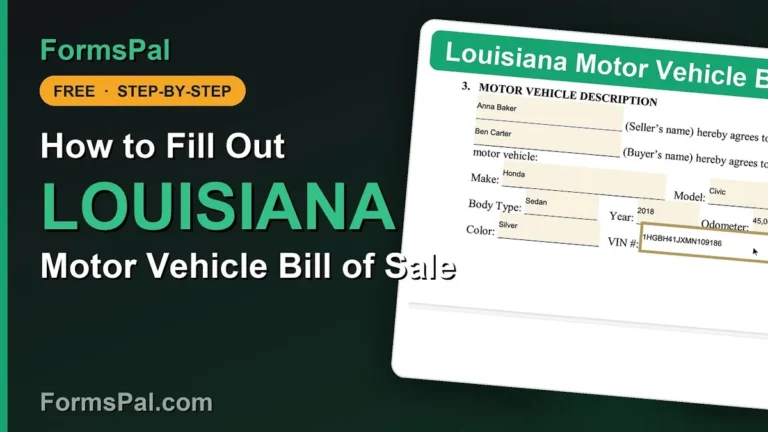
First, gather your documents. You’ll need the out-of-state title in your name, proof of insurance, and a completed Application for Vehicle Registration (Form DPSMV 1799).
Next, visit your local Louisiana Office of Motor Vehicles (OMV). Bring your ID, proof of Louisiana residency, and payment for fees and taxes.
YouTube / FormsPal (YouTube thumbnail (fair-use with source credit))
If you’re missing paperwork, the process stalls. Double-check that your out-of-state title is in your name. Temporary permits are available if you need time to gather documents, but they’re not a long-term solution.
Parish-by-Parish Tax Rates (Where It Gets Tricky)
Louisiana doesn’t have a single local tax rate. Each parish sets its own, and the differences add up fast. Orleans Parish often charges around 5% on top of the state’s 4.45%.
Jefferson Parish might add 4%, while smaller parishes could be lower.
Here’s a snapshot of common rates:
| Parish | Local Tax Rate | Combined Rate |
|---|---|---|
| Orleans | 5.00% | 9.45% |
| Jefferson | 4.00% | 8.45% |
| East Baton Rouge | 4.50% | 8.95% |
| Caddo | 3.50% | 7.95% |

YouTube / Louisiana Department of Revenue (YouTube thumbnail (fair-use with source credit))
Always confirm your parish’s current rate with the Louisiana Department of Revenue. Rates can change, and some parishes have additional fees.
The Paperwork You Need to Avoid Delays
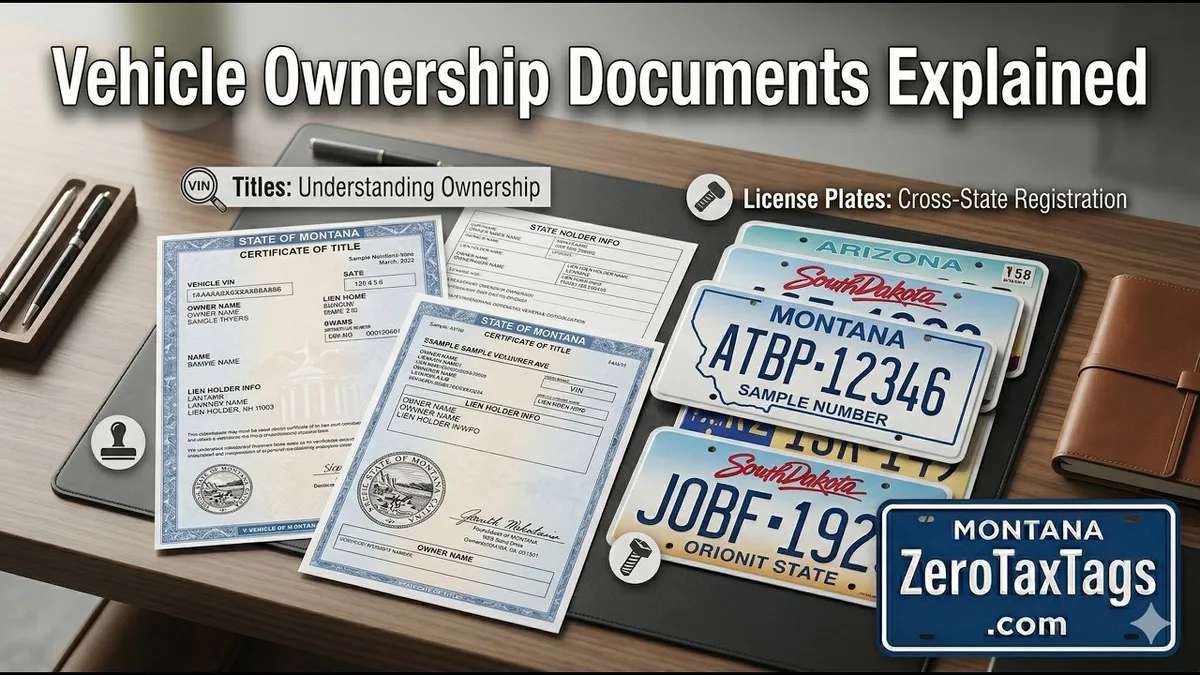
Missing documents are the top reason registrations get held up. You’ll need the out-of-state title in your name. If there’s a lien, bring the lienholder’s information.
Proof of insurance is mandatory. Louisiana requires minimum liability coverage of 15/30/25. You’ll also need two proofs of residency, like a utility bill or lease agreement.
YouTube / Zero Tax Tags (YouTube thumbnail (fair-use with source credit))
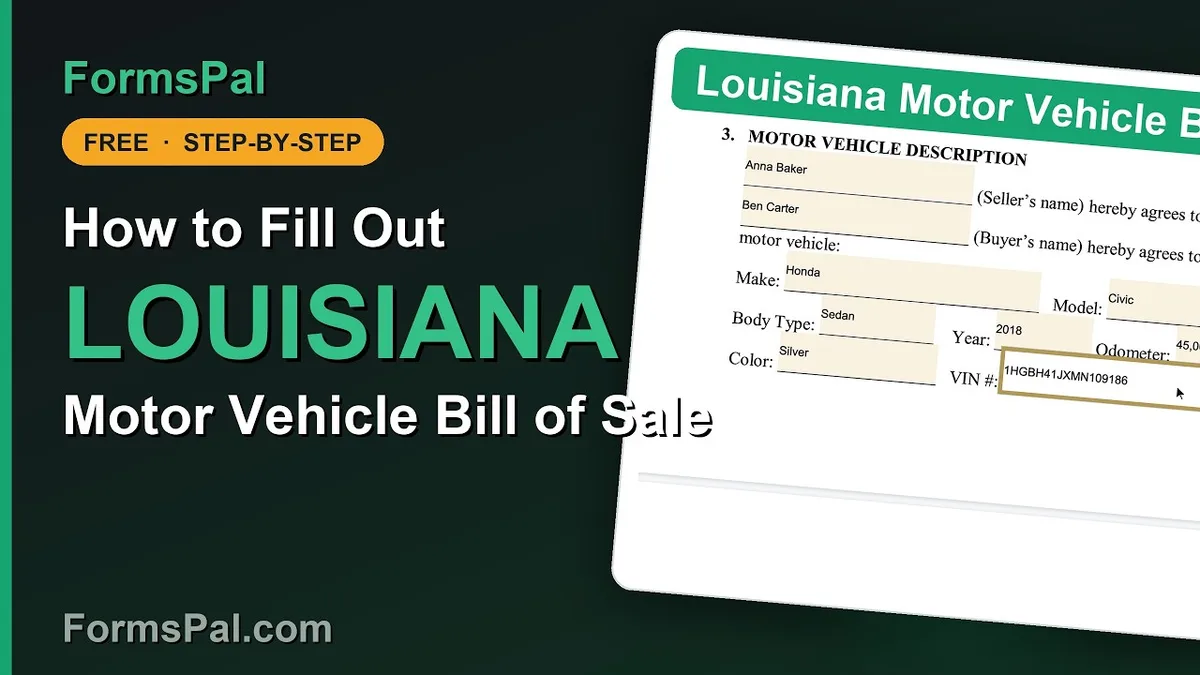
If you bought the car privately, a bill of sale helps verify the purchase price. For dealer purchases, the dealer’s invoice usually suffices. Without these, the OMV may estimate your vehicle’s value, which could mean a higher tax bill.
What Happens If You Skip the Tax?
The OMV won’t register your vehicle without paying the use tax. You’ll be stuck with temporary plates, which expire quickly. Driving without proper registration can lead to fines or even impoundment.
Late fees add up fast. After 30 days, you’ll owe a $10 penalty. After 60 days, it jumps to $20, and it keeps climbing.
Some parishes charge additional local penalties.
If you’re pulled over with expired temporary tags, you could face a traffic citation. The longer you wait, the more it costs. It’s cheaper and easier to handle the tax upfront.
Military & Special Cases: Different Rules Apply
Active-duty military personnel stationed in Louisiana may qualify for exemptions. You’ll need to provide your military orders and a non-resident affidavit. This can waive the use tax if you’re not establishing Louisiana residency.
Non-resident students are another exception. If you’re in Louisiana for school but maintain residency elsewhere, you might not owe the tax. You’ll need to prove your out-of-state residency with documents like a driver’s license or voter registration.
Vehicles inherited or gifted may have different tax treatment. The OMV will assess the fair market value and apply the use tax accordingly. Always bring the transfer paperwork to avoid complications.
Final Checklist Before You Register
Gather your out-of-state title first. It must be in your name or include a lien release if financed.
Bring two proofs of Louisiana residency. A utility bill or lease agreement works. Don’t forget your proof of insurance with the minimum 15/30/25 coverage.
Complete Form DPSMV 1799 before you visit the OMV. Have your payment ready for fees and taxes. Double-check your parish’s tax rate to avoid surprises.
Gather your out-of-state title first. It must be in your name or include a lien release if financed.
Bring two proofs of Louisiana residency. A utility bill or lease agreement works. Don’t forget your proof of insurance with the minimum 15/30/25 coverage.
Complete Form DPSMV 1799 before you visit the OMV. Have your payment ready for fees and taxes. Double-check your parish’s tax rate to avoid surprises.
Mistakes to Avoid When Registering
Waiting past the 30-day deadline triggers late fees. These start at $10 and increase the longer you delay.
Forgetting the bill of sale can lead to a higher tax bill. The OMV may use a standard value instead of your actual purchase price.
Not checking for liens on the title can stall the process. Clear any liens before attempting to register.
How to Calculate Your Tax Beforehand
Start with your vehicle’s purchase price. If you don’t have it, use a standard valuation guide like NADA.
Add the state use tax rate of 4.45%. Then add your parish’s local rate. For Orleans Parish, that’s an additional 5%.
Multiply the total rate by your vehicle’s value. This gives you the estimated tax due. Use the Louisiana Department of Revenue calculator for confirmation.
What If My Car Was a Gift?
Gifted vehicles still require tax payment. The OMV will assess the fair market value.
You’ll need a gift affidavit from the previous owner. This document proves the transfer was a gift, not a sale.
The tax is based on the vehicle’s value at the time of transfer. Bring all paperwork to avoid delays.
How Long Does Registration Take?
Standard processing takes 1 to 2 hours at the OMV. Busy offices may take longer.
If you’re missing documents, it could take days or weeks. Temporary permits are available but expire quickly.
Online appointments can speed up the process. Check your local OMV for availability.
Frequently Asked Questions
Do I owe tax if I already paid sales tax in another state?
Yes, but you’ll get credit for what you paid. If the other state’s rate was lower than Louisiana’s combined rate, you’ll owe the difference.
How is the tax calculated?
It’s based on the vehicle’s purchase price or its current market value if the price isn’t available. The OMV uses standard valuation guides.
Can I register my car without the title?
No. You must have the out-of-state title in your name or a court order transferring ownership. A lien release may also be required.
What if my car is older than 10 years?
Some parishes exempt older vehicles from local taxes, but the state use tax may still apply. Check with your local OMV.
How long do I have to register my car after moving?
You have 30 days from establishing residency to register your vehicle. After that, late fees start accruing.