ByMax Lee
Maine Move Over Law: Rules for Emergency Vehicles
Maine’s Move Over Law isn’t just a suggestion, it’s the law, and ignoring it puts first responders at serious risk. The Maine move over law for emergency vehicles on roadside requires drivers to change lanes or slow down when approaching stopped emergency vehicles with flashing lights. This rule exists to protect police, firefighters, EMTs, and even tow truck operators who work in dangerous roadside conditions.
As of 2026, violations can cost up to $500, and the law applies to any vehicle with flashing red, blue, or amber lights. Let’s break down exactly what you need to do to stay safe and legal.
Quick Answer
The Maine move over law for emergency vehicles on roadside mandates you move one lane away from stopped emergency vehicles. If you can’t, slow to 20 mph below the speed limit. It covers police, fire, EMS, and tow trucks.
Fines reach $500 for non-compliance.
What Maine’s Move Over Law Actually Requires
This law is about giving emergency workers space to do their jobs safely. When you see flashing lights on the side of the road, you must either change lanes away from the vehicle or reduce your speed. The rule applies to all types of roads, from highways to rural routes.
The law isn’t optional. It’s a legal duty designed to prevent accidents and save lives. Emergency personnel are vulnerable when they’re outside their vehicles, and this law helps shield them from passing traffic.
Why This Law Exists and Who It Protects
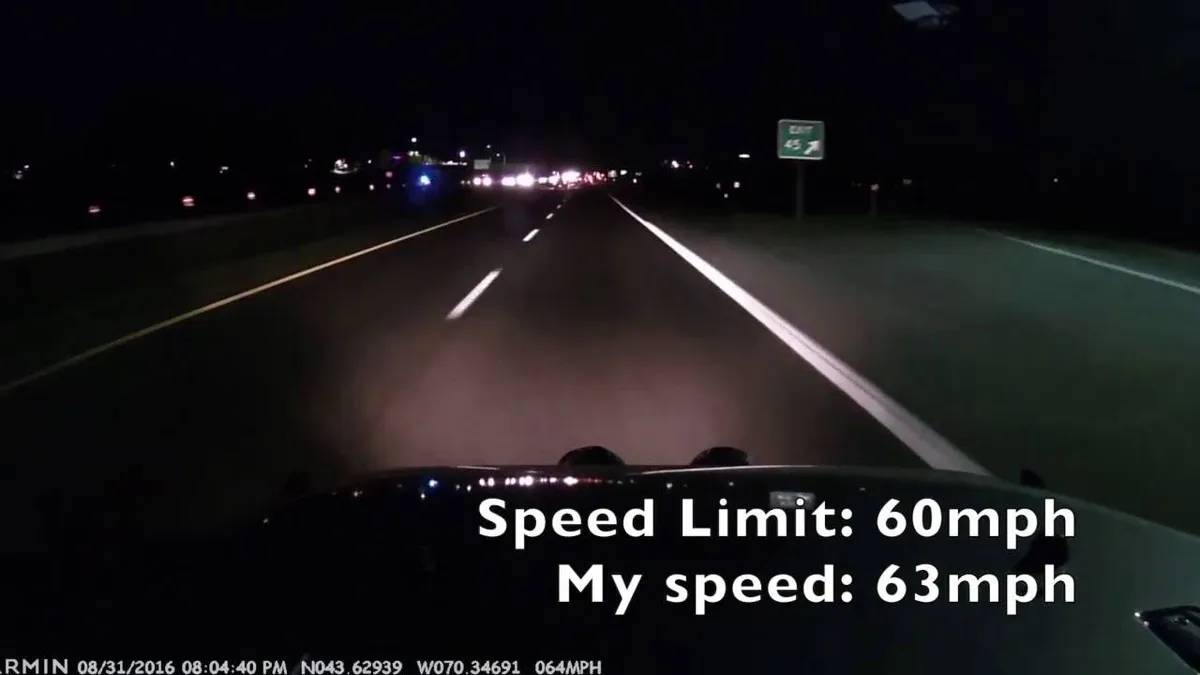
YouTube / tvshooter999 (YouTube thumbnail (fair-use with source credit))
Every year, first responders are injured or killed by drivers who fail to move over. The law exists because roadside incidents are inherently dangerous, and distracted or unaware drivers compound the risk. In Maine, it’s not just police and ambulances, tow truck operators and highway maintenance crews are also covered.
This isn’t just about avoiding fines. It’s about ensuring that the people who help us in emergencies can do their jobs without fear of being hit by passing cars. The Maine Department of Transportation emphasizes that compliance saves lives.
The Exact Rules: When and How to Move Over
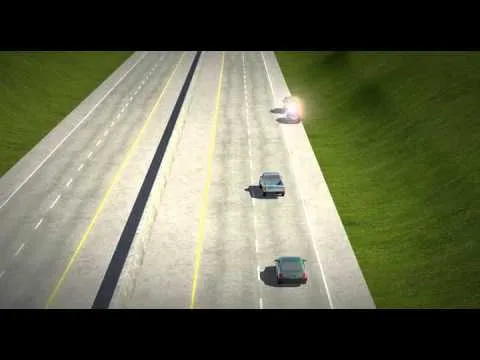
YouTube / keeprightusa (YouTube thumbnail (fair-use with source credit))
The rule is simple: if you see a stationary emergency vehicle with flashing lights, move over. On multi-lane roads, you must switch to a lane that’s not adjacent to the emergency vehicle. If traffic or road conditions prevent a lane change, you must slow down to at least 20 mph below the posted speed limit.
Here’s how it works in practice:
- Multi-lane roads: Change lanes away from the emergency vehicle as soon as it’s safe.
- Single-lane roads: Slow down to 20 mph below the speed limit and proceed with caution.
- Highways: The same rules apply, move over or slow down, even if it means merging into another lane.
The law applies regardless of the direction the emergency vehicle is facing. Whether it’s parked on the shoulder or in a travel lane, you’re required to give it space.
What Counts as an Emergency Vehicle in Maine
YouTube / ColourCarsTv (YouTube thumbnail (fair-use with source credit))
Not all vehicles with flashing lights are covered, but most of the ones you’d expect are. In Maine, the law includes:
- Police cars
- Fire trucks
- Ambulances
- Tow trucks
- Highway maintenance vehicles
The key is the flashing lights. If a vehicle is stationary with red, blue, or amber lights activated, you must move over or slow down. This includes private tow trucks assisting with roadside emergencies.
If you’re unsure whether a vehicle qualifies, err on the side of caution. Slowing down or moving over never hurts, and it could prevent a tragedy.
What to Do If You Can’t Safely Change Lanes
If traffic or road conditions prevent a lane change, you must slow down. The law requires reducing your speed to 20 mph below the posted limit. This gives emergency workers a buffer zone.
Never assume it’s safe to maintain your speed. Even in heavy traffic, slowing down is mandatory. The goal is to minimize risk to those working on the roadside.
The Penalties for Breaking the Law

YouTube / ZEPHRA (YouTube thumbnail (fair-use with source credit))
Failing to move over or slow down can result in a fine of up to $500. The exact penalty depends on the circumstances, but the law takes violations seriously. Points may also be added to your driving record.
These penalties aren’t just about money. They reinforce the importance of protecting emergency personnel. The Maine State Police actively enforces this law to keep first responders safe.
Common Mistakes Drivers Make (And How to Avoid Them)
Many drivers assume the law only applies to police cars. It covers all emergency vehicles, including tow trucks and highway maintenance crews. Always check for flashing lights.
Another mistake is waiting until the last second to react. Start slowing down or changing lanes as soon as you see the lights. Delaying puts everyone at risk.
How Maine’s Law Compares to Other States
Most states have similar move-over laws, but the details vary. Some require slowing down only if you can’t change lanes. Others specify different speed reductions.
Maine’s law is straightforward: move over or slow to 20 mph below the limit. This clarity helps drivers comply without confusion. Always check local laws when traveling out of state.
Real-Life Scenarios: What to Do in These Situations
On a multi-lane highway, move to the farthest lane from the emergency vehicle. If you’re in the left lane and see lights on the right shoulder, switch to the leftmost lane.
On a two-lane road, slow to 20 mph below the limit and pass with caution. Never speed up to get past the scene quickly. Patience saves lives.
FAQs About Maine’s Move Over Law
Does the law apply if the emergency vehicle is on the opposite side of the road?
Yes. If you’re on a divided highway, you must still move over or slow down when passing an emergency vehicle on the other side.
What if there’s no room to move over in heavy traffic?
Slow to 20 mph below the speed limit. The law requires this when a lane change isn’t possible.
Are tow trucks really included?
Yes. Maine’s law covers any vehicle with flashing amber, red, or blue lights, including tow trucks assisting with roadside emergencies.
Can I get pulled over for not moving over?
Absolutely. Police actively enforce this law, and violations can result in fines up to $500.
Does the law apply at night?
Yes. The law is in effect 24/7, regardless of time or visibility conditions.
Quick Reference: The Law in Plain Terms
Move over one lane when you see flashing emergency lights. If you can’t, slow to 20 mph below the speed limit. This applies to all emergency vehicles, including police, fire, EMS, and tow trucks.
The fine for non-compliance is up to $500. The law exists to protect those who protect us. Always err on the side of caution.