ByMax Lee
What Is Wash Mode and How to Use It
YouTube / FixThisHouse (YouTube thumbnail (fair-use with source credit))
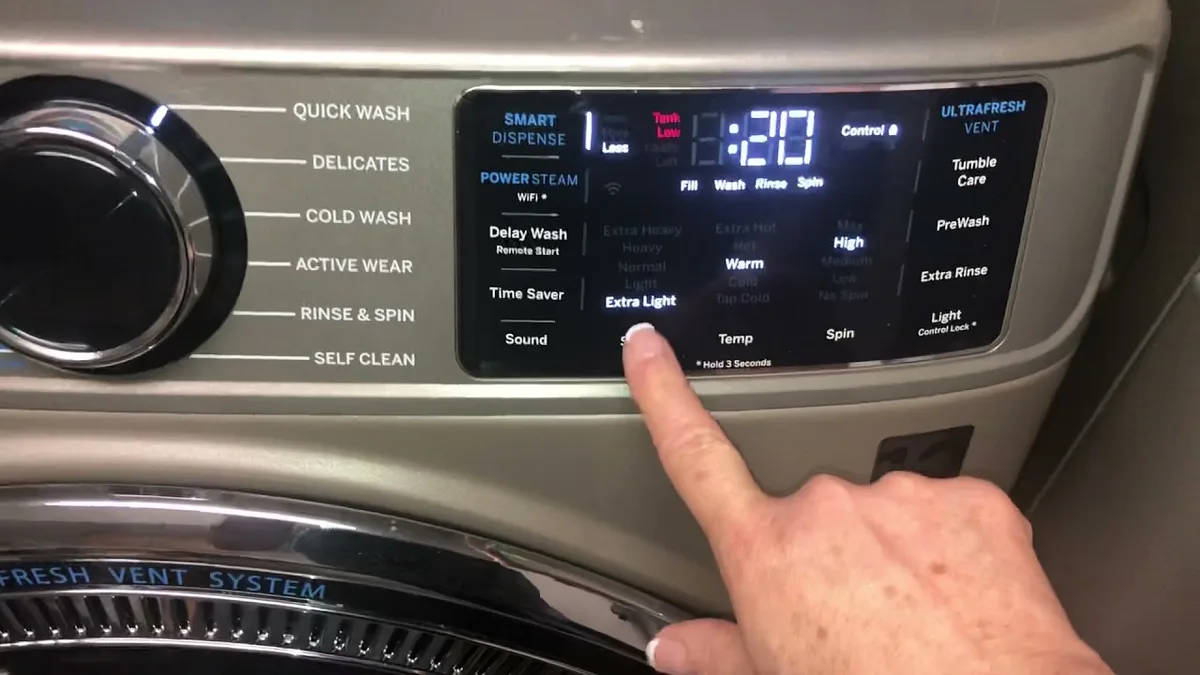
Ever stared at your washing machine’s control panel and wondered which wash mode actually does what? You’re not alone. Wash mode is the setting that tells your machine how to handle your laundry, from gentle cycles for delicates to heavy-duty scrubbing for stained work clothes.
Per ENERGY STAR standards, modern washers offer up to 10 distinct modes, each designed for specific fabrics, soil levels, or time constraints. Picking the right one can mean the difference between fresh, long-lasting clothes and a ruined load.
Quick Answer
Wash mode is a preset cycle on your washing machine. It adjusts water temperature, spin speed, and duration. Normal mode handles everyday clothes.
Delicate mode protects fine fabrics. Heavy Duty tackles tough stains.
How Wash Modes Work in Washing Machines
Wash modes are pre-programmed settings that control three key variables: water temperature, agitation intensity, and cycle length. These variables change based on the fabric type and how dirty the clothes are.
Manufacturer specs show that most front-load and top-load washers use sensors and timers to run these modes. For example, Heavy Duty mode agitates longer and uses hotter water. Delicate mode shortens the cycle and reduces spin speed to prevent damage.
As of 2026, smart washers let you customize or download additional modes via app. But the core principle remains the same: match the mode to the load.
Common Wash Modes and What They Actually Do
YouTube / Textile Vlog (YouTube thumbnail (fair-use with source credit))
Here’s what each standard mode does, based on user manuals from LG, Samsung, and Whirlpool:
| Mode | Best For | Water Temp | Agitation | Spin Speed | Duration |
|---|---|---|---|---|---|
| Normal | Cotton, synthetics, mixed loads | Warm | Medium | High | 45–60 min |
| Heavy Duty | Towels, jeans, work clothes | Hot | High | High | 60–90 min |
| Delicate | Lace, silk, thin fabrics | Cold | Low | Low | 30–40 min |
| Quick Wash | Lightly soiled clothes | Cold/Warm | Medium | High | 15–30 min |
| Eco Wash | Energy/water savings | Cold/Warm | Medium | Medium | 60–90 min |
| Sanitize | Allergens, germs, baby clothes | Hot | High | High | 60–120 min |
Some brands add extras like Steam Wash for wrinkle reduction or Bulky Items for comforters. Always check your manual, as names and features vary.
How to Pick the Right Wash Mode for Your Laundry
YouTube / Living On A Dime To Grow Rich (YouTube thumbnail (fair-use with source credit))
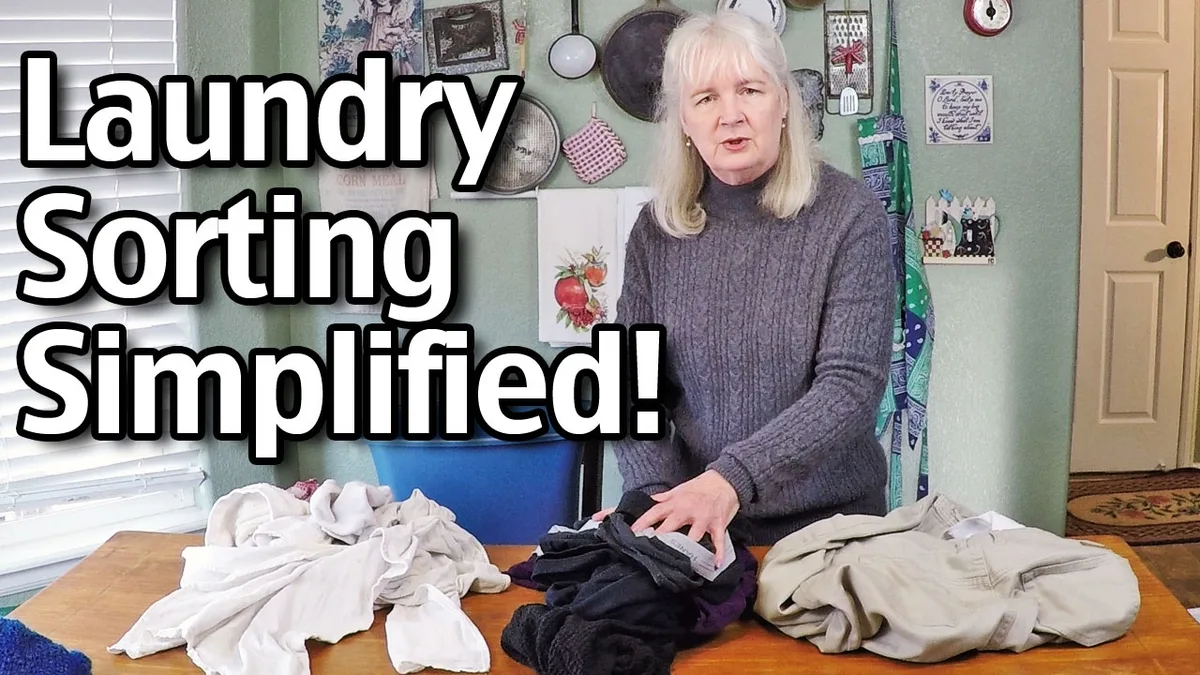
Start by sorting your laundry. Group similar fabrics together and separate heavily soiled items from lightly soiled ones. This prevents most wash mode mistakes.
If your load is mostly cotton or synthetic blends with average dirt, Normal mode is your default. For towels, bedding, or clothes with ground-in stains, switch to Heavy Duty. Delicate fabrics like silk or lace need Delicate mode to avoid damage.
Short on time? Quick Wash works for small, lightly soiled loads. But it uses more water per pound of laundry, according to ENERGY STAR data.
For energy savings, Eco Wash is the better choice, though it takes longer.
Step-by-Step: Using Wash Mode Correctly
Pre-Wash Prep
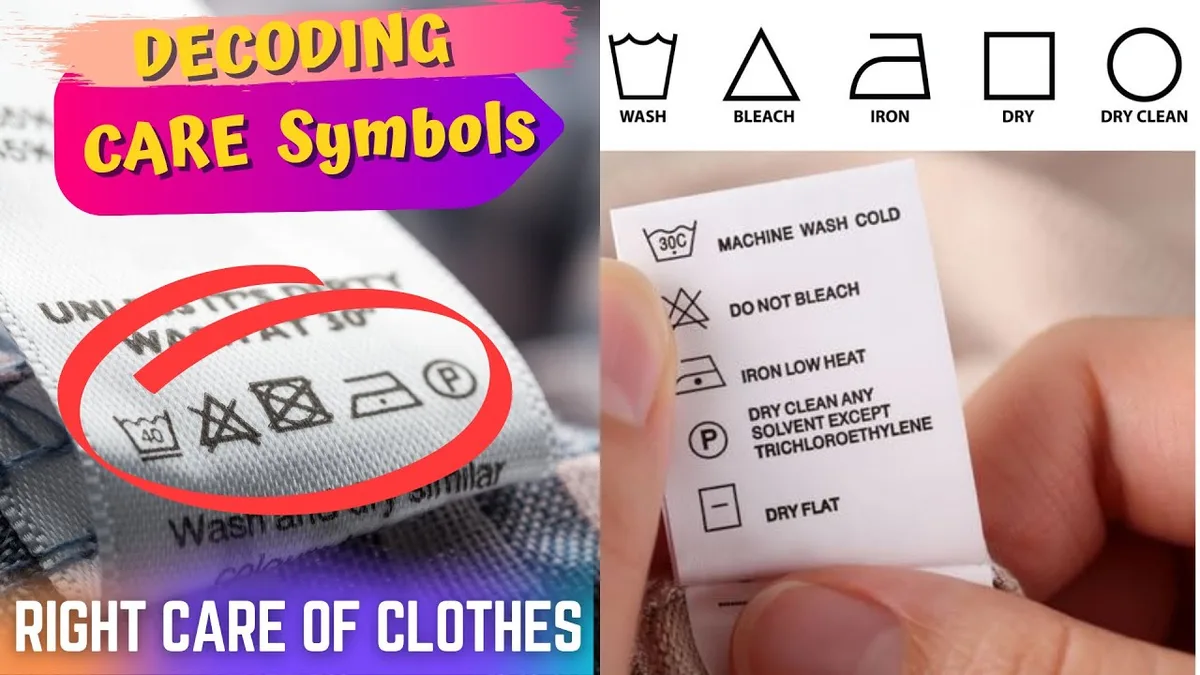
Check fabric care labels for temperature and cycle restrictions. Empty pockets to avoid damage to clothes or the machine.
Loading the Machine
Distribute clothes evenly around the drum. Overloading reduces cleaning effectiveness and strains the motor.
Selecting the Mode and Settings
Match the mode to your load type. Adjust temperature and spin speed as needed for fabric care.
Post-Wash Care
Remove clothes promptly to prevent wrinkles and mildew. Leave the door open to air out the drum.
Wash Mode Mistakes That Ruin Your Clothes (or Your Washer)
Using the wrong mode can shrink sweaters, fade colors, or damage your machine. Here’s what to avoid:
- Overloading the drum causes poor cleaning and motor strain. Stick to the manufacturer’s capacity (usually 12, 15 lbs for a 4.5 cu. ft. washer).
- Hot water on delicates leads to shrinking and color bleeding. Cold water is safer for most fabrics.
- Heavy Duty for thin fabrics can tear or stretch them. Save this mode for sturdy items like denim or towels.
- Skipping the extra rinse on allergy-prone loads leaves detergent residue. Use Sanitize or Allergen mode if available.
- Ignoring error codes like "Suds" or "Unbalanced Load" can void warranties. Pause the cycle and redistribute the load if needed.
Wash Modes vs. Detergent: What You’re Probably Getting Wrong
HE detergents are formulated for low-sudsing in high-efficiency machines. Using regular detergent in an HE washer creates excess suds that trigger error codes and leave residue.
Cold water modes need detergents labeled for cold use. These contain enzymes that activate at lower temperatures to break down stains.
Powder detergents often outperform liquids in hard water areas. They include water softeners that prevent mineral buildup in the tub and pipes.
Energy and Water Use: Which Modes Save You Money?
Eco Wash uses about 30% less water than Normal mode. It achieves this by extending the cycle time and using sensor-based water levels.
Quick Wash consumes more water per pound of laundry. The trade-off is speed, not efficiency.
Hot water modes cost more to run. Heating water accounts for about 90% of a washer’s energy use according to ENERGY STAR.
Smart Washers and Custom Modes: Are They Worth It?
Smart washers let you download additional cycles via app. Brands like LG and Samsung offer modes for activewear, pet bedding, and even coffee filters.
These machines cost 20-40% more upfront. The convenience may not justify the price for most households.
Custom modes can extend fabric life. Precise control over temperature and agitation reduces wear on delicate items over time.
Maintenance: Keeping Your Wash Modes Working Like New
YouTube / LG Customer Support Europe Official (YouTube thumbnail (fair-use with source credit))
Run a Tub Clean cycle monthly with a washer cleaner tablet. This removes detergent buildup and prevents mold in front-load seals.
Leave the door open after each use. This allows moisture to evaporate and prevents mildew growth.
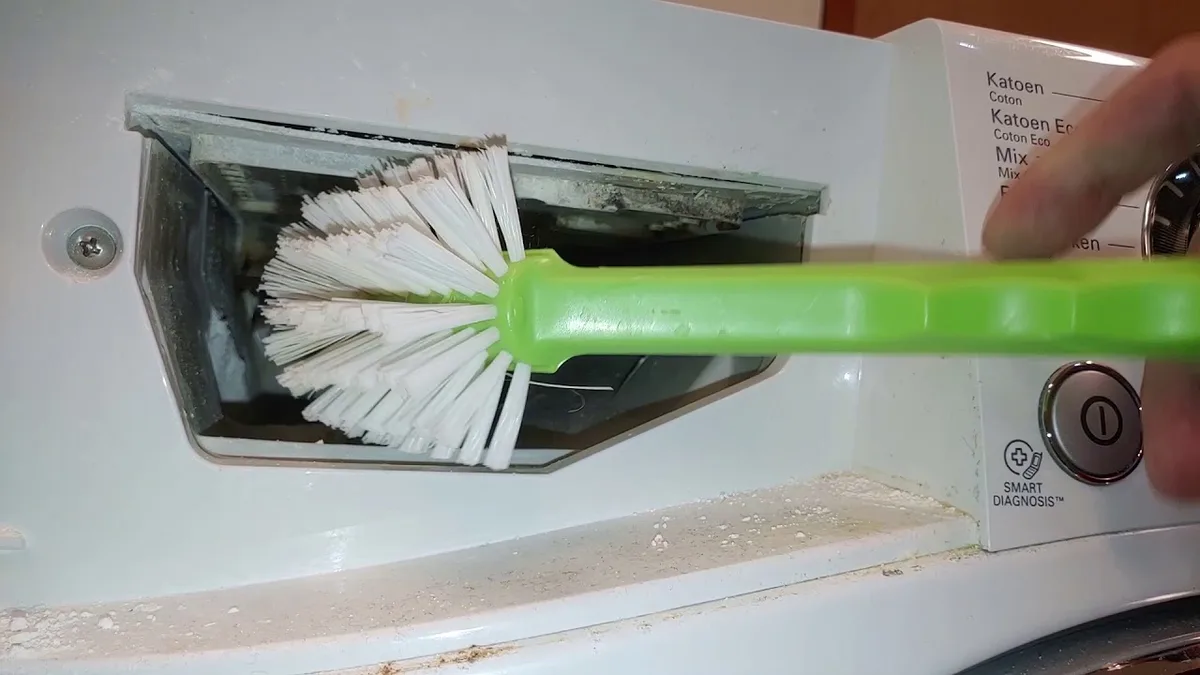
Clean the detergent dispenser drawer weekly. Residue buildup can clog the system and affect mode performance.
Check and clean the drain pump filter annually. A clogged filter can cause error codes and poor drainage across all modes.
Frequently Asked Questions
Does Sanitize mode kill all bacteria?
Sanitize mode uses hot water (typically 140°F or higher) to kill 99.9% of common household bacteria. It’s effective for baby clothes, towels, and bedding but may not eliminate all viruses.
Can I use Delicate mode for jeans?
Delicate mode is too gentle for denim. The low agitation won’t remove dirt effectively, and the slow spin leaves jeans excessively wet. Use Normal or Heavy Duty instead.
Why does my washer take longer in Eco mode?
Eco mode extends the cycle to use less water and energy. It soaks clothes longer and spins at lower speeds to reduce utility costs.
What’s the difference between Quick Wash and Speed Wash?
Quick Wash is a standard short cycle (15-30 minutes). Speed Wash is a brand-specific term (often Samsung) that uses high-speed spinning to cut drying time.
Can I override the default temperature in a wash mode?
Most modern washers let you adjust temperature independently. Check your manual, as some modes lock temperature for fabric safety.