ByMax Lee
Soft-Touch Car Wash: Gentle & Effective Cleaning
YouTube / Topwell Cleaning (YouTube thumbnail (fair-use with source credit))
A soft-touch car wash uses gentle cloth or microfiber brushes to clean your vehicle without the harsh scrubbing of traditional brush washes. It’s a middle ground between touchless systems and older brush-style washes, offering thorough cleaning while minimizing the risk of scratches.
Per International Carwash Association standards, these systems typically use 30, 70 gallons of water per wash and rely on soft materials to lift dirt safely. If you’ve ever wondered how they stack up against other methods, here’s what you need to know.
Quick Answer
A soft-touch car wash uses soft cloth or foam brushes to clean your car. It removes dirt more effectively than touchless washes. Brushes are gentler than traditional stiff-bristle systems.
Most use 800, 1,200 PSI water pressure. It’s a popular choice for regular vehicle maintenance.
What Is a Soft-Touch Car Wash and How Does It Work?
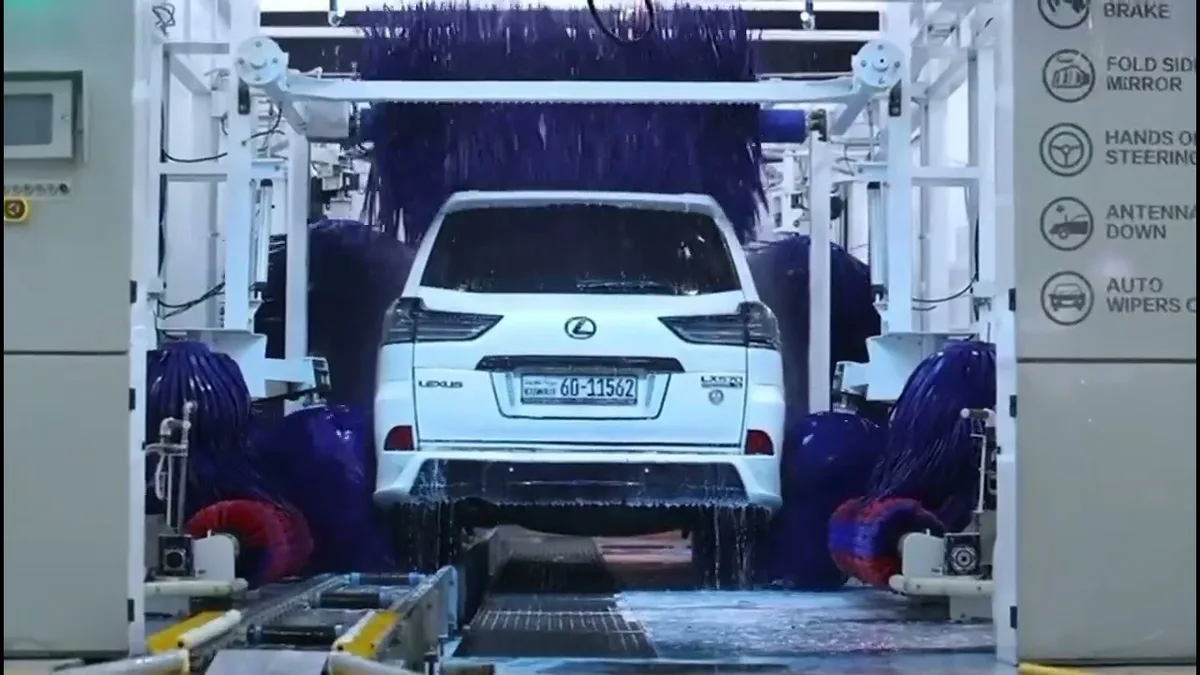
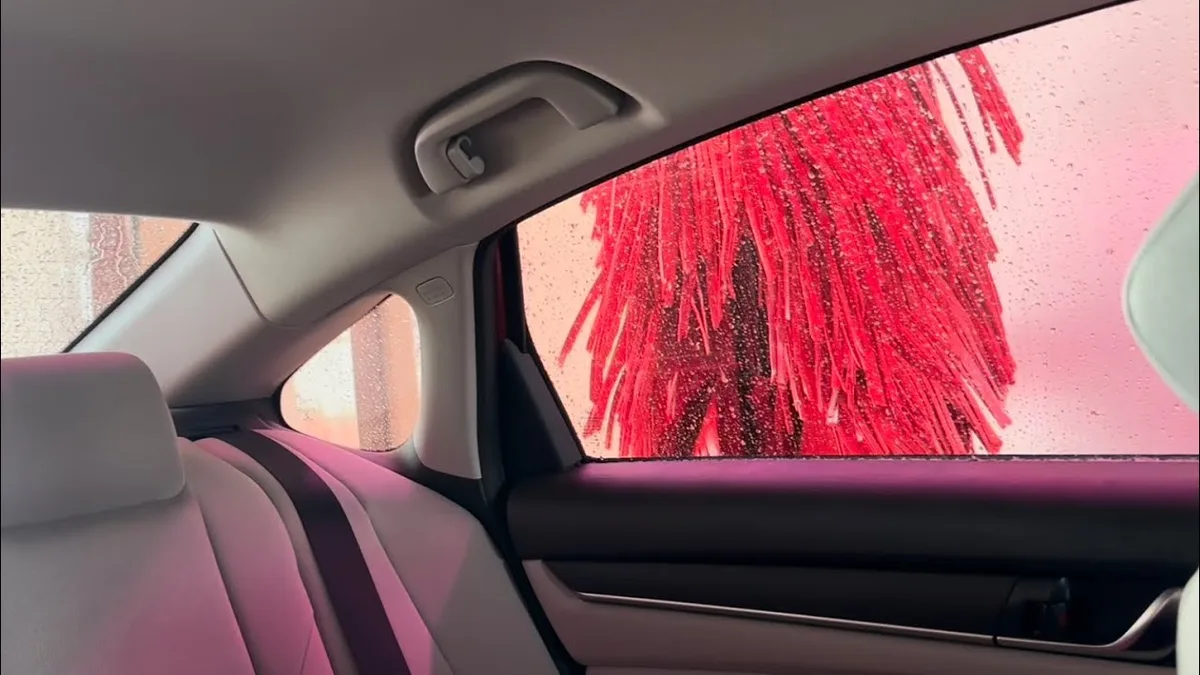
A soft-touch car wash is an automatic system that cleans your vehicle using soft, flexible materials instead of stiff brushes or high-pressure water alone. The process starts with a pre-soak to loosen dirt, followed by rotating cloth strips or microfiber brushes that physically lift grime off the surface.
Manufacturer specifications indicate these brushes are designed to contour to your car’s shape, reducing the risk of swirl marks. The system then rinses the vehicle with high-pressure water jets and often finishes with a drying cycle using air blowers.
Soft-Touch vs. Touchless vs. Brush Car Washes: Key Differences
YouTube / Live Free (YouTube thumbnail (fair-use with source credit))
Soft-touch, touchless, and brush car washes each have distinct approaches to cleaning your vehicle. Here’s how they compare:
| Feature | Soft-Touch Car Wash | Touchless Car Wash | Brush Car Wash |
|---|---|---|---|
| Cleaning Method | Soft cloth/microfiber brushes | High-pressure water + chemicals | Stiff bristle brushes |
| Physical Contact | Yes (gentle) | No | Yes (aggressive) |
| Water Usage | 30–70 gallons | 40–80 gallons | 30–60 gallons |
| Cleaning Power | High (removes stubborn dirt) | Moderate (relies on chemicals) | High (but riskier) |
| Risk of Scratches | Low to moderate | None | High |
| Drying Method | Air blowers | Air blowers | Air blowers |
| Best For | Daily drivers, luxury cars | Sensitive paint, wraps | Heavy-duty cleaning |
Soft-touch washes are ideal if you want a balance between thorough cleaning and paint safety. Touchless washes are better for vehicles with delicate finishes, like wraps or custom paint jobs. Traditional brush washes are best avoided for most modern cars due to the higher risk of scratches.
For more on protecting sensitive finishes, check out washing a wrapped vehicle.
How Soft-Touch Car Washes Clean Your Vehicle
YouTube / Live Free (YouTube thumbnail (fair-use with source credit))
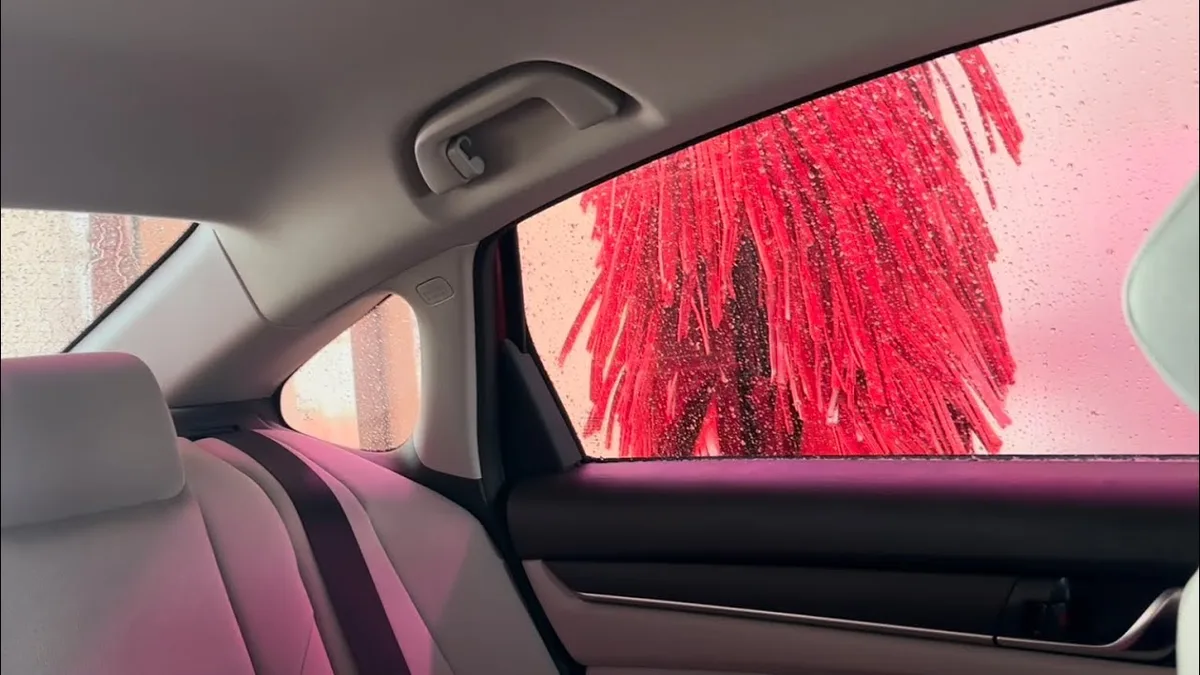
The cleaning process in a soft-touch car wash follows a structured sequence to ensure your vehicle comes out spotless. First, a pre-soak application loosens dirt and grime. This is typically a foam or detergent spray that breaks down contaminants before the brushes make contact.
Next, the soft cloth or microfiber brushes rotate around the vehicle, gently scrubbing the surface. These brushes are designed to be pliable, so they conform to the curves of your car without applying excessive pressure. The International Carwash Association notes that these materials are less abrasive than traditional brushes, reducing the likelihood of micro-scratches.
After scrubbing, high-pressure water jets rinse away the loosened dirt. The final step is drying, where air blowers remove water to prevent spotting. Some systems also apply a wax or sealant during the rinse cycle for added protection.
Pros and Cons of Soft-Touch Car Washes
Soft-touch car washes offer a compelling mix of effectiveness and convenience, but they’re not perfect for every situation.
Pros:
- Gentler on paint than traditional brush washes, reducing the risk of swirl marks.
- More thorough than touchless washes, as the brushes physically remove stubborn dirt.
- Faster and more convenient than hand washing, with consistent results.
- Often includes add-ons like wax or undercarriage cleaning.
- Good for regular maintenance, helping to extend your vehicle’s lifespan.
Cons:
- Still carries some risk of scratches if the brushes are dirty or worn.
- Uses more water than some eco-friendly alternatives.
- Chemical detergents may strip existing wax or sealants over time.
- Not ideal for heavily soiled vehicles, as the brushes can push dirt around rather than removing it.
- Costs add up with frequent use, though car wash subscriptions can offset this.
Who Should Use a Soft-Touch Car Wash (And Who Should Avoid It)
Soft-touch car washes work well for most daily drivers with standard paint jobs. They’re especially good for people who want a thorough clean without the time commitment of hand washing.
Avoid them if your car has a fresh ceramic coating, as the brushes can interfere with curing. Vehicles with wraps or matte finishes should also skip soft-touch systems, since the friction can damage these surfaces. For these cases, touchless or hand washing is safer.
Step-by-Step: What to Expect During a Soft-Touch Wash
Wikimedia Commons / Sulfur at English Wikipedia (CC BY-SA)
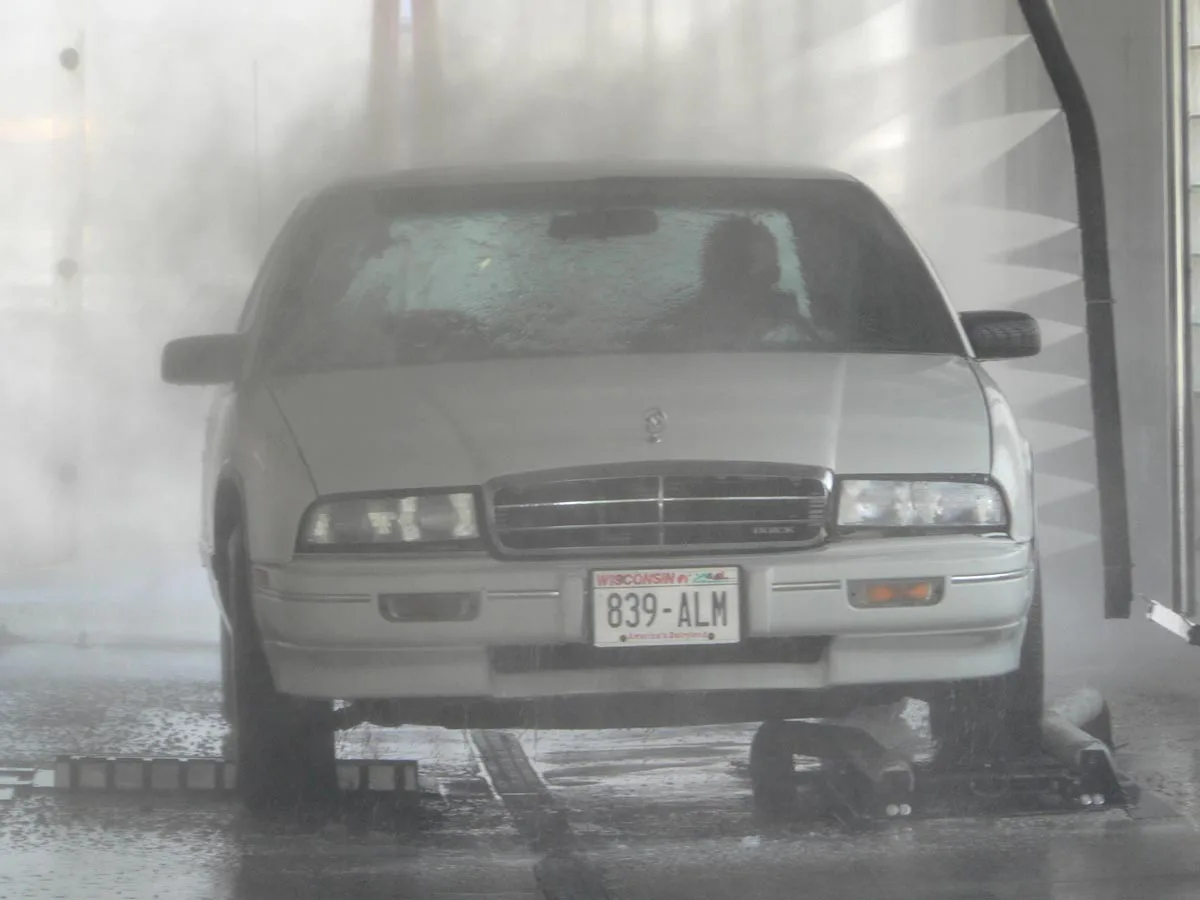
The process starts with an automated guide rail that positions your car. You’ll be prompted to shift into neutral and release the brake, allowing the conveyor to move your vehicle through the tunnel.
First comes the pre-soak, where a foam detergent loosens dirt. Then the soft cloth brushes rotate around the car, scrubbing all sides. High-pressure water jets rinse away the grime next.
Finally, air blowers dry the surface to prevent water spots.
Most washes take 5 to 15 minutes from start to finish. Some locations offer add-ons like undercarriage cleaning or wax application for an extra fee.
Cost of Soft-Touch Car Washes: One-Time vs. Memberships
A single soft-touch wash typically costs between $10 and $25. The price varies based on location, add-ons, and the size of your vehicle. Larger SUVs or trucks may cost a few dollars more.
Many car wash chains offer unlimited memberships for $20 to $50 per month. These can be worth it if you wash your car more than twice a month. For occasional users, paying per wash is usually cheaper.
Check whether subscriptions make sense for your habits.
Does a Soft-Touch Car Wash Damage Paint? The Truth
Soft-touch washes are safer than traditional brush washes but not risk-free. The soft cloth or microfiber brushes can still cause micro-scratches if they’re dirty or worn out. This is more likely at high-volume locations where brushes aren’t cleaned or replaced regularly.
The risk increases with older vehicles or those with existing paint damage. Newer cars with clear coats handle soft-touch washes better. To minimize damage, choose a well-maintained facility and avoid washes with visibly dirty brushes.
Maintenance and Care: How to Keep Your Car Safe
Regular washing helps protect your paint, but there are steps to reduce wear. Always remove loose debris like leaves or bugs before entering the wash. This prevents them from being ground into the surface by the brushes.
After washing, inspect your car for missed spots or water spots. If you notice swirl marks, consider switching to a touchless wash or hand washing. For long-term protection, apply a wax or sealant every few months.
This adds a protective layer that makes dirt easier to remove.
Soft-Touch Car Wash Mistakes to Avoid
Using a soft-touch wash with a dirty vehicle can grind debris into the paint. Always rinse off loose dirt first or use a pre-wash station if available.
Skipping the drying step leaves water spots that can etch into clear coat over time. If the wash’s blowers aren’t effective, bring a microfiber towel to finish the job. Also avoid washes with visibly worn or stiff brushes, as these increase scratch risk.
Environmental Impact: Water Use and Chemical Concerns
Soft-touch car washes use 30 to 70 gallons per vehicle, which is comparable to home washing. Many modern systems recycle a portion of this water to reduce waste.
The detergents used are typically pH-balanced to avoid damaging paint but may contain chemicals that can harm local water systems. Some facilities use biodegradable soaps to meet EPA guidelines. If environmental impact is a concern, look for car washes with water reclamation systems.
How Often Should You Use a Soft-Touch Car Wash?
Washing every two weeks is ideal for most drivers to prevent dirt buildup. In harsh climates with road salt or pollen, weekly washes may be necessary.
Over-washing can strip wax and reduce paint protection. If you notice the finish looking dull, scale back and apply a fresh coat of wax. For vehicles with wraps or custom paint, stick to touchless or hand washing instead.
Expert Tips for Getting the Best Results
Choose a wash during cooler parts of the day to prevent water from drying too quickly and leaving spots. Early morning or late afternoon works best.
Pick a facility with well-maintained equipment. If the brushes look frayed or the water pressure seems weak, find another location. For extra protection, apply a spray-on sealant after washing to extend the clean look.
Frequently Asked Questions
Is a soft-touch car wash safe for my car’s paint?
Yes, it’s generally safe for standard paint jobs. The soft brushes are less abrasive than traditional brushes but can still cause micro-scratches if dirty.
How much does a soft-touch car wash cost?
A single wash typically runs $10 to $25. Unlimited memberships cost $20 to $50 per month.
Can I use a soft-touch wash on a wrapped car?
No, the friction can damage wraps. Stick to touchless or hand washing for wrapped vehicles.
Do soft-touch washes use a lot of water?
They use 30 to 70 gallons per wash. Many systems recycle water to reduce consumption.
How do I know if a soft-touch wash is damaging my paint?
Look for swirl marks or a dull finish after washing. If you notice these, switch to a gentler method.
Are soft-touch washes better than touchless?
They clean more thoroughly but carry a slight risk of scratches. Touchless is safer for sensitive finishes.