ByMax Lee
DIY Car Wash Soap: Essential Ingredients List
Image source: YouTube / DetailXPerts (YouTube thumbnail (fair-use with source credit))
Making your own car wash soap starts with the right soap for car wash making ingredients list. The wrong mix can strip wax, leave streaks, or even damage your paint over time.
Per industry standards, a pH-balanced formula between 6.5 and 8.5 is ideal for regular washing. Get this right, and you’ll clean effectively without harming your finish.
Quick Answer
A basic soap for car wash making ingredients list includes liquid castile soap or pH-balanced car shampoo as the base. Add water softeners for hard water areas. Avoid dish soap for regular use.
Use 1 oz of soap per 5 gallons of water.
Why Your Car Wash Soap Ingredients Actually Matter
The ingredients in your car wash soap determine how well it cleans and how safe it is for your paint. Harsh soaps like dish detergent can strip wax and leave residue. Gentle, pH-balanced soaps preserve your finish while lifting dirt.
Manufacturer specs confirm that alkaline soaps above pH 12 can damage clear coats over time. That’s why the right balance is key.
Car Wash Soap vs. Dish Soap vs. Other Alternatives: What’s the Difference?
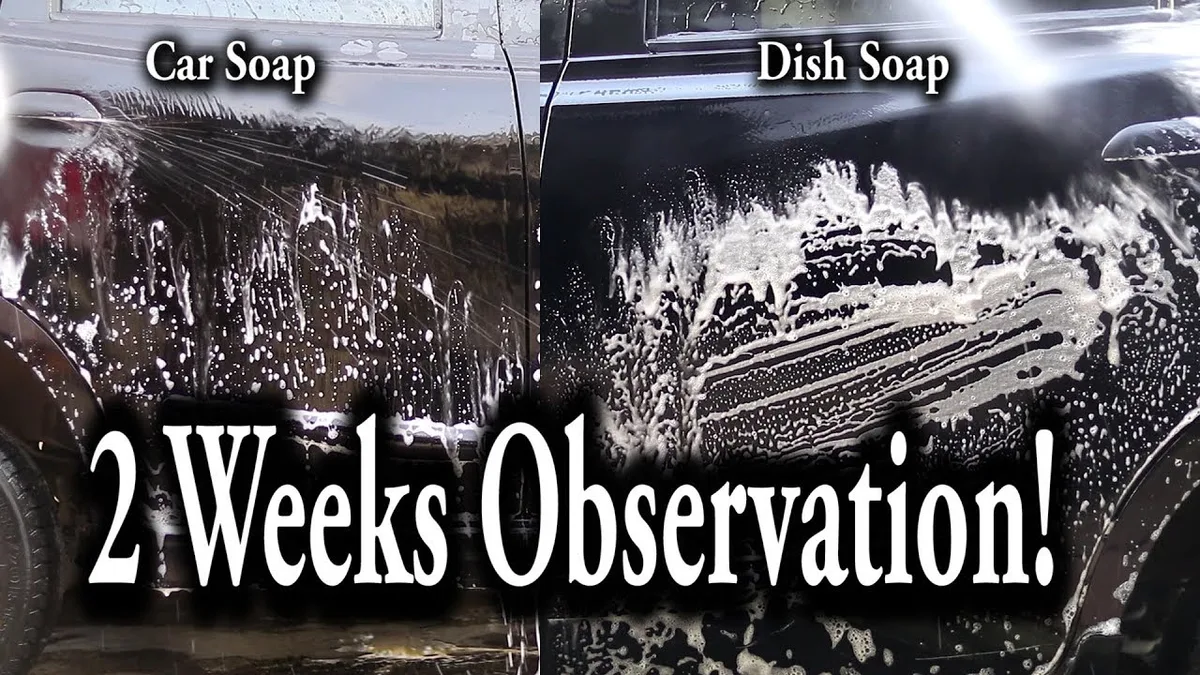
Image source: YouTube / Alfie Detailing (YouTube thumbnail (fair-use with source credit))
Car wash soap is formulated to be gentle on automotive paint and wax. It’s pH-balanced and often includes lubricants to prevent swirl marks.
Dish soap is designed to cut through grease and can be too harsh for regular car washing. It may strip wax and leave your paint vulnerable. Some detailers use it for deep cleaning, but it’s not ideal for routine washes.
Other alternatives like laundry detergent or all-purpose cleaners are even harsher. They can cause long-term damage and should be avoided.
| Soap Type | pH Range | Best For | Avoid For |
|---|---|---|---|
| Car wash soap | 6.5–8.5 | Regular washing | None |
| Dish soap | 9–12 | Deep cleaning (occasional) | Routine washes |
| Laundry detergent | 10–12 | Not recommended | Any car washing |
| Castile soap | 8–9 | Gentle, eco-friendly wash | Heavy grime |
The Core Ingredients You Need (And Why)
The foundation of any good car wash soap is a mild surfactant. This is what lifts dirt and grime without harming your paint.
Base soap:
- Liquid castile soap, Gentle, biodegradable, and effective for light to moderate dirt.
- pH-balanced car shampoo, Specifically designed for automotive paint, often includes lubricants.
- Grated bar soap, Can be used in a pinch, but may leave residue if not fully dissolved.
Water conditioners:
- Water softeners, Essential in hard water areas to prevent mineral deposits and streaking.
Optional boosters:
- Foaming agents, Help create rich suds for better cleaning action.
- Degreasers, Useful for removing tough grime, but should be used sparingly to avoid stripping wax.
Optional Add-Ins for Better Cleaning, Shine, or Protection
If you want to enhance your soap, consider these add-ins. Each serves a specific purpose and can be tailored to your needs.
For extra shine:
- Carnauba wax emulsion, Adds a protective layer and enhances gloss. Mix a small amount into your soap for a wash-and-wax effect.
For tough grime:
- Citrus-based degreasers, Effective for removing bug splatter, tar, and road film. Use sparingly to avoid drying out rubber and plastic trim.
For hard water:
- Sodium citrate or baking soda, Helps soften water and reduce spotting. Add 1, 2 tablespoons per 5 gallons of water.
For scent:
- Essential oils, A few drops of lavender, lemon, or eucalyptus can make your wash more pleasant.
Step-by-Step: How to Mix Your Own Car Wash Soap
Image source: YouTube / Chemical Guys (YouTube thumbnail (fair-use with source credit))
Start with 5 gallons of water in a clean bucket. Use distilled or filtered water if your tap water is hard.
Add 1 oz of your chosen base soap. Liquid castile soap or pH-balanced car shampoo works best. Stir gently to avoid excessive sudsing.
For hard water, mix in 1, 2 tablespoons of sodium citrate or baking soda. This prevents mineral deposits and streaking.
Optional boosters go in last. Add 10, 15 drops of essential oil for scent or 1 oz of baby shampoo for extra lubrication.
Best Ingredient Combinations for Different Needs
For a Gentle, Wax-Safe Wash
Use pH-balanced car shampoo as your base. Add 1 oz of baby shampoo for lubrication.
This combo is safe for regular washing and preserves wax coatings.
For Heavy-Duty Grime and Grease
Start with a pH-neutral car soap. Add 1/2 oz of citrus-based degreaser for tough stains.
This mix cuts through bug splatter, tar, and road film. Use it sparingly to avoid drying out trim.
For Hard Water Areas
Image source: Wikimedia Commons / Dave Hitchborne (CC BY-SA)
Use distilled water as your base. Add 2 tablespoons of sodium citrate per 5 gallons.
This prevents water spots and mineral buildup.
For Eco-Friendly Cleaning
Choose biodegradable castile soap. Skip synthetic additives.
This option is safe for plants and waterways.
Common Mistakes That Ruin Your Paint (And How to Avoid Them)
Using dish soap regularly strips wax and damages clear coat. Stick to car-specific soaps for routine washing.
Over-diluting your soap reduces cleaning power. Follow the 1 oz per 5 gallons ratio for best results.
Mixing in abrasive additives like baking soda in excess can scratch paint. Use fine, dissolved powders only.
Letting soap dry on the surface causes water spots. Rinse thoroughly after washing.
Safety & Compliance: What to Watch Out For
Avoid soaps with high alkalinity (pH above 12). These can etch paint and damage finishes over time.
Never use household cleaners like bleach or ammonia. They’re too harsh for automotive surfaces.
Wear gloves if you have sensitive skin. Some soaps and additives can cause irritation.
Check local regulations on runoff. Biodegradable soaps are often required in eco-sensitive areas.
Cost Comparison: DIY vs. Store-Bought Car Wash Soap
DIY car wash soap costs about $0.10, $0.20 per wash. A 32 oz bottle of castile soap makes roughly 20, 30 washes.
Store-bought car wash soaps average $0.50, $1.50 per wash. Premium brands with added wax or conditioners cost more.
| Option | Cost per Wash | Pros | Cons |
|---|---|---|---|
| DIY (castile soap) | $0.10–$0.20 | Cheap, customizable | Less consistent, time-consuming |
| Store-bought | $0.50–$1.50 | Convenient, tested formulas | More expensive, less control |
Pro Tips for Longer-Lasting Suds and Better Results
Use warm water to help the soap dissolve fully. Cold water can make it harder to create rich suds.
Pre-rinse your car to remove loose dirt. This lets the soap focus on the tougher grime.
Work in sections. Wash from top to bottom to prevent dirt from running onto clean areas.
Rinse your mitt or sponge frequently. This keeps dirt from being re-applied to the paint.
FAQs About Homemade Car Wash Soap
Can I use Dawn dish soap for car wash?
Dawn is too harsh for regular use. It strips wax and can damage clear coat over time. Use it only for deep cleaning stubborn grime.
How much soap should I use per bucket?
1 oz of soap per 5 gallons of water is the standard ratio. Overdoing it leaves residue and wastes product.
Is castile soap safe for car paint?
Yes, castile soap is gentle and pH-balanced. It’s a great base for DIY car wash soap.
How do I prevent water spots?
Use distilled water or add a water softener. Rinse thoroughly and dry with a microfiber towel.
Can I add wax to my car wash soap?
Yes, but use a liquid carnauba wax emulsion. Mix sparingly to avoid buildup.
Final Verdict: What’s the Best Ingredient List for You?
For most users, a pH-balanced car shampoo or castile soap base is ideal. Add water softeners if you have hard water.
For heavy grime, include a citrus degreaser. For eco-friendly needs, stick to biodegradable options.
The best mix depends on your water, climate, and cleaning needs. Start simple and adjust as needed.