ByMax Lee
Is Alkaline Car Soap Safe for Ceramic Coatings?
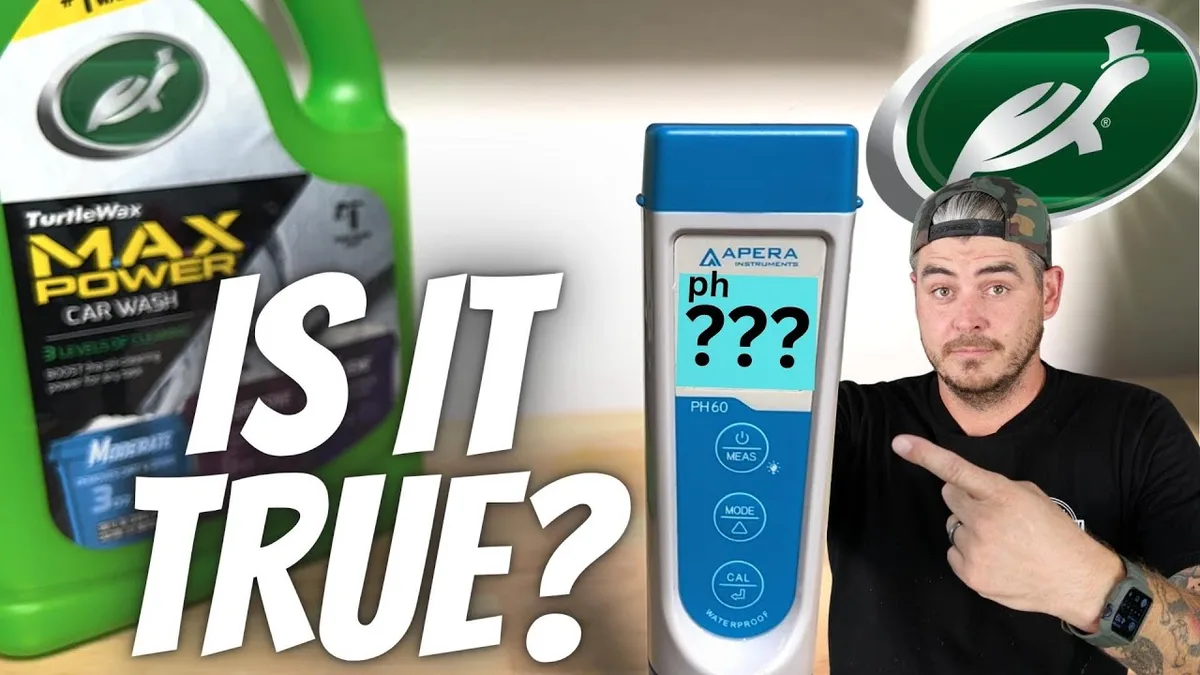
YouTube / IMJOSHV, Car Detailing and Reconditioning Tips (YouTube thumbnail (fair-use with source credit))
Is alkaline car soap safe for ceramic coatings? The short answer is maybe, but it’s risky if you don’t check the pH first. Ceramic coatings are tough, but they’re not invincible against harsh chemicals.
Most ceramic coatings handle a pH range of 7 to 10, but alkaline soaps often sit between 10 and 12. Go beyond that, and you could strip the coating’s hydrophobic layer or even break down the bond.
Quick Answer
Alkaline car soap can be safe for ceramic coatings if the pH stays under 10.
Most ceramic coatings tolerate up to pH 10 without damage.
Soaps above pH 11 risk degrading the coating over time.
Always check the soap’s pH before using it.
Manufacturer guidelines often specify safe pH limits.
The Quick Answer: It Depends on the pH
The safety of alkaline soap comes down to one number: pH. Ceramic coatings are designed to resist chemicals, but they have limits.
If your soap’s pH is 10 or lower, you’re likely fine. Push past 11, and you’re risking damage. Most high-alkaline car soaps sit at pH 12 or higher, strong enough to break down the silica matrix in many coatings.
How Ceramic Coatings React to Alkaline Soaps
Ceramic coatings form a hard, hydrophobic layer over your car’s paint. They’re built to withstand UV rays, bird droppings, and light scratches, but chemicals are a different challenge.
Alkaline soaps work by breaking down oils and grime through saponification. That’s great for cleaning, but it also attacks the coating’s molecular structure if the pH is too high. Over time, you’ll notice water stops beading as well, and the gloss fades.

YouTube / Drift Auto Detailing (YouTube thumbnail (fair-use with source credit))
The damage isn’t always immediate. A single wash with a pH 12 soap might not ruin your coating, but repeated use will. Think of it like sunburn: one exposure might not peel your skin, but do it enough, and you’ll see the consequences.
The pH Range That’s Actually Safe
Most ceramic coating manufacturers recommend staying between pH 7 and 10. Here’s a quick breakdown:
| pH Level | Safety for Ceramic Coatings | Common Products |
|---|---|---|
| 7–9 | Safe, ideal for maintenance | pH-neutral car shampoos |
| 9–10 | Generally safe, occasional use | Mild alkaline cleaners |
| 10–11 | Risky, avoid frequent use | Some degreasers |
| 11+ | Unsafe, will degrade coating | Heavy-duty alkaline soaps |
If you’re unsure, test the soap’s pH with strips before using it. It’s a small investment that could save you hundreds in coating repairs.
How to Check If Your Soap Is Too Harsh
Not all soaps list their pH on the bottle. If yours doesn’t, here’s how to find out:
Option 1: pH Test Strips
Dip a strip into a diluted soap solution. Match the color to the chart. If it’s above 10, switch soaps.
Option 2: Manufacturer Specs
Check the brand’s website or product sheet. Reputable detailing brands like Meguiar’s or Chemical Guys often publish pH data.
Option 3: Contact Support
Email the soap manufacturer. Ask for the exact pH range. If they won’t disclose it, that’s a red flag.
Avoid soaps marketed as "heavy-duty," "industrial," or "degreaser" unless they explicitly state they’re safe for ceramic coatings. When in doubt, default to a pH-neutral car shampoo.
When Alkaline Soap Is Safe (And When It’s Not)
Alkaline soap is safe if the pH stays at or below 10. Most ceramic coatings from brands like CarPro or Gtechniq can handle this range without damage.
It’s not safe when the pH climbs above 11. At that point, the soap starts breaking down the coating’s silica matrix. Even a single wash with pH 12+ soap can begin the degradation process.
Occasional use of a pH 10, 11 soap might not cause immediate harm, but it shortens the coating’s lifespan. If you’re washing weekly, stick to pH 7, 9 to be safe.
The Risks of Using the Wrong Soap
The biggest risk is premature coating failure. High-alkaline soaps strip the hydrophobic layer, so water stops beading. You’ll notice the car stays wet longer, and contaminants stick more easily.
Another risk is micro-scratching. Some alkaline soaps contain abrasive particles or harsh surfactants that can dull the finish over time. This is especially true for cheaper, industrial-grade cleaners.
Long-term use of the wrong soap can void your coating’s warranty. Many professional installers require proof of proper maintenance, and using non-approved products is an easy way to lose coverage.
Step-by-Step: How to Wash a Ceramic-Coated Car Safely
Start with a pre-rinse to remove loose dirt. Use a pressure washer or hose with a gentle stream. This prevents dragging contaminants across the coating during the wash.
Use the two-bucket method. One bucket holds your soap solution, the other holds clean water for rinsing your mitt. This keeps dirt from being reintroduced to the paint.
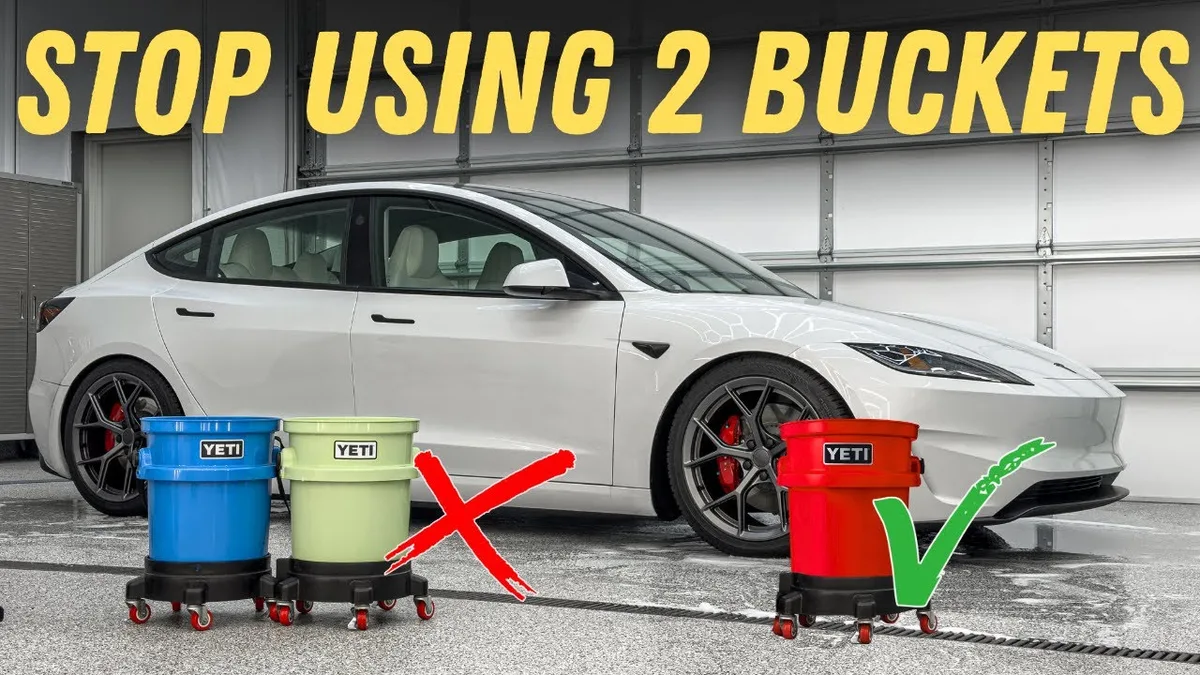
YouTube / Meguiar's (YouTube thumbnail (fair-use with source credit))
Wash in straight lines, not circles. This minimizes swirl marks. Work from the top down, and rinse your mitt frequently in the clean water bucket.
Dry with a high-quality microfiber towel. Avoid chamois or regular towels, as they can leave scratches. For best results, use a blower to remove water from crevices before toweling.
Better Alternatives to Alkaline Soap
pH-neutral car shampoos are the gold standard. They clean effectively without risking the coating. Brands like Meguiar’s, Chemical Guys, and Griot’s offer pH-balanced options.
Ceramic-specific shampoos are another great choice. These are formulated to maintain and even enhance the coating’s hydrophobic properties. They often include SiO2 boosters to extend the coating’s life.
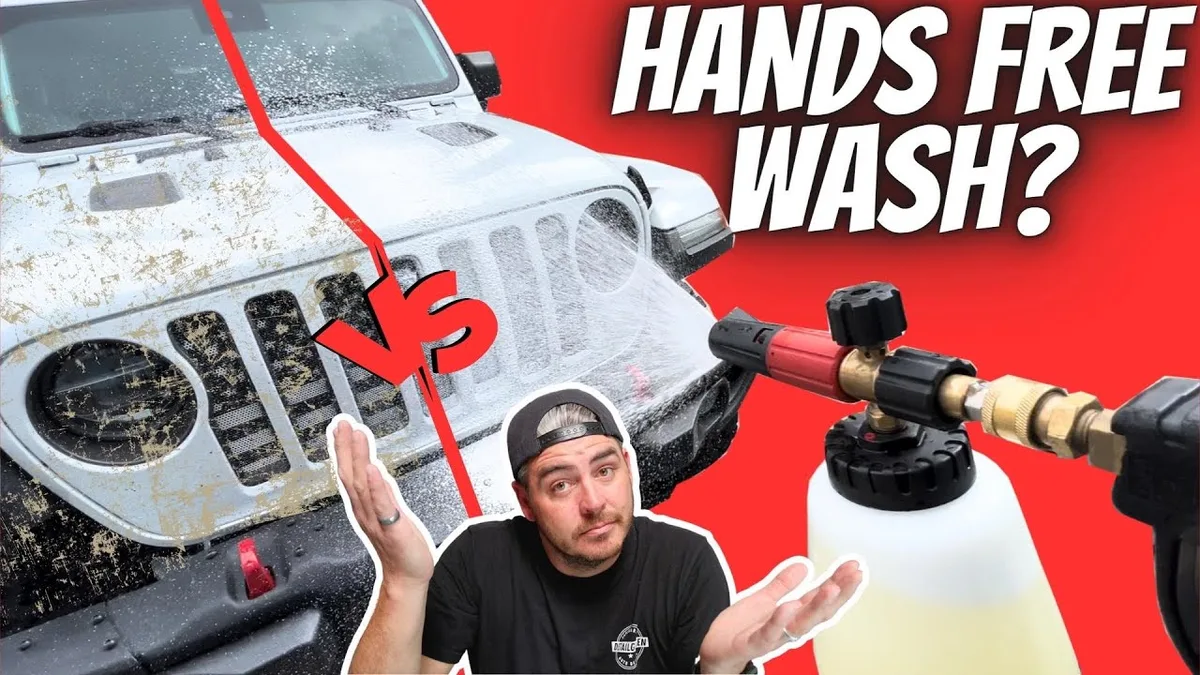
YouTube / IMJOSHV, Car Detailing and Reconditioning Tips (YouTube thumbnail (fair-use with source credit))
If you need extra cleaning power, use a dedicated pre-wash or iron remover. These are designed to tackle tough contaminants without harming the coating. Just follow up with a pH-neutral wash.
Common Mistakes That Ruin Ceramic Coatings
Using dish soap or household cleaners is a big mistake. These are often highly alkaline and can strip the coating in a single wash. Stick to products made for automotive use.
Washing in direct sunlight causes water spots. The heat dries the soap and water too quickly, leaving mineral deposits behind. Always wash in the shade or during cooler parts of the day.
Skipping the pre-wash means you’re grinding dirt into the coating. A foam cannon or pre-soak helps loosen contaminants before you touch the paint. For more on pre-wash techniques, consider a foaming sprayer for even coverage.
Not drying properly leads to water spots. Even with a ceramic coating, minerals in water can leave marks if not removed. Always dry thoroughly with a clean microfiber towel.
What the Manufacturers Say (And Why It Matters)
Ceramic coating brands like Gtechniq and Ceramic Pro publish maintenance guidelines. They consistently warn against soaps with pH above 10. These warnings aren’t just suggestions, they’re requirements to maintain warranty coverage.
Manufacturer specs often include approved product lists. If your soap isn’t on that list, it’s not guaranteed safe. Some brands even sell their own maintenance shampoos to ensure compatibility.
Ignoring these guidelines voids your warranty. Professional installers can test for chemical damage, and if they find evidence of improper cleaning, you’re on your own for repairs.
Long-Term Maintenance Tips to Keep Your Coating Intact
Wash your car every 1, 2 weeks. Dirt and contaminants build up over time, and the longer they sit, the harder they are to remove safely. Regular washing prevents the need for harsh cleaners.
Use a ceramic booster spray every 3, 6 months. These products replenish the hydrophobic layer and extend the coating’s life. They’re an easy way to maintain performance between professional re-applications.
Avoid automatic car washes with brushes. The abrasive materials can scratch the coating. If you must use an automatic wash, choose a touchless option with high-pressure water only.
FAQs About Alkaline Soap and Ceramic Coatings
Can I use dish soap on a ceramic-coated car?
No. Dish soap is highly alkaline, often pH 11, 12, and will degrade the coating over time. Even a single use can strip some of the hydrophobic properties.
How do I know if my soap is safe?
Check the pH. If it’s between 7 and 10, it’s generally safe. If the pH isn’t listed, contact the manufacturer or switch to a known pH-neutral car shampoo.
Will alkaline soap remove a ceramic coating?
Not immediately, but it will weaken it. Repeated use of high-alkaline soap can break down the coating’s structure, leading to premature failure.
Can I use a degreaser on a ceramic-coated car?
Only if it’s pH-balanced. Many degreasers are highly alkaline and will damage the coating. Use a ceramic-safe degreaser or a dedicated pre-wash product.
How often should I wash my ceramic-coated car?
Every 1, 2 weeks is ideal. Regular washing prevents dirt buildup, which can require harsher cleaners that might damage the coating.
What’s the best soap for ceramic coatings?
A pH-neutral car shampoo is the safest choice. Brands like Meguiar’s, Chemical Guys, and Griot’s offer options specifically designed for ceramic coatings. For more on choosing the right soap, consider the best soap for washing cars.
Final Verdict: Should You Use It or Skip It?
If your alkaline soap is pH 10 or lower, it’s safe for occasional use. But for regular maintenance, a pH-neutral shampoo is the better choice.
If the soap’s pH is 11 or higher, skip it. The risk of damaging your ceramic coating isn’t worth the cleaning power.
When in doubt, stick to products specifically labeled as safe for ceramic coatings. It’s the easiest way to protect your investment and keep your car looking its best.