ByMax Lee
Missouri Biennial Emissions Test Requirements for 1996+ Cars
Missouri biennial emissions testing requirements for 1996 and newer vehicles can be confusing, especially if you’re not sure whether your car qualifies or where to go. The rules depend on your county, vehicle type, and model year, but the core requirement is simple: most gasoline-powered cars from 1996 onward in non-exempt areas need an OBD-II test every two years.
As of 2026, the test costs $12 in most counties and $24 in St. Louis County. It checks for emissions compliance and tampering.
Quick Answer
Missouri biennial emissions testing requirements for 1996 and newer apply to gasoline vehicles in St. Louis City, St. Louis County, Jefferson, Franklin, and St.
Charles. The test is an OBD-II scan. It costs $12, $24.
Exemptions include diesels over 8,500 lbs, hybrids, and electric vehicles.
Does Your 1996 or Newer Vehicle Need a Missouri Emissions Test?
YouTube / FOX 2 St. Louis (YouTube thumbnail (fair-use with source credit))
If your vehicle is 1996 or newer and runs on gasoline, it must pass a biennial emissions test in non-exempt counties. The test is part of Missouri’s Air Conservation Program, which follows EPA standards for OBD-II equipped vehicles.
Non-exempt counties are St. Louis City, St. Louis County, Jefferson, Franklin, and St.
Charles. Everywhere else in Missouri, you’re off the hook.
Diesel vehicles over 8,500 lbs, hybrids, electric vehicles, and cars older than 1996 are also exempt. Check your registration renewal notice to confirm whether an emissions test is required.
How Missouri’s Biennial Emissions Testing Works
The test is straightforward. A technician connects a scanner to your car’s OBD-II port, usually located under the dashboard near the steering column.
They check for stored trouble codes related to emissions. The system also verifies that all required emissions monitors are ready. If your check engine light is on, you’ll likely fail.
The test doesn’t measure tailpipe emissions directly for 1996+ models. It relies on the OBD-II system’s self-diagnosis, making the process faster and more consistent.
Which Counties Require the Test (and Which Don’t)
YouTube / Someka (YouTube thumbnail (fair-use with source credit))
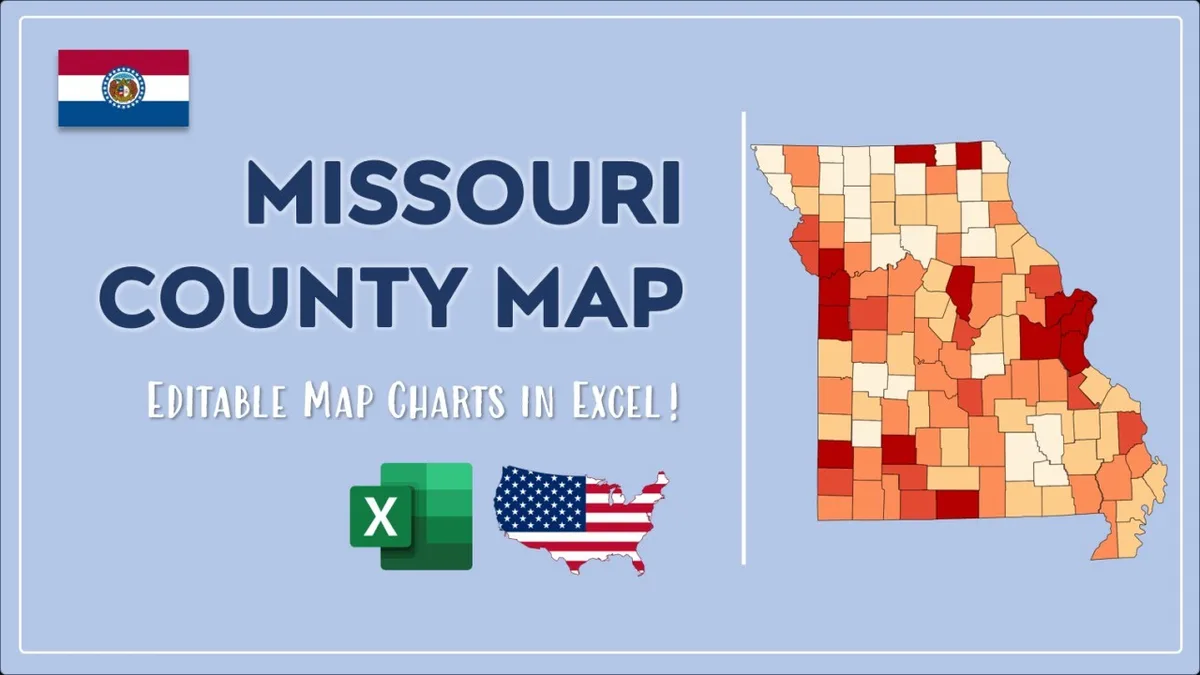
Only five counties in Missouri enforce biennial emissions testing for 1996 and newer vehicles:
| Non-Exempt Counties | Exempt Counties |
|---|---|
| St. Louis City | All others |
| St. Louis County | |
| Jefferson | |
| Franklin | |
| St. Charles |
If you live, work, or register your vehicle in one of these five, you must comply. Rural areas and most of the state have no emissions testing requirements.
For the most current list, check the Missouri Department of Natural Resources.
What Vehicles Are Exempt from Testing
Not every 1996 or newer vehicle needs an emissions test. Exemptions include:
- Diesel vehicles over 8,500 lbs GVWR
- Hybrid and electric vehicles
- Vehicles older than 1996
- Motorcycles and mopeds
- Classic cars with historical plates
- Low-mileage vehicles (some exemptions for under 5,000 miles/year)
- New vehicles (first two model years may be exempt)
If your car falls into one of these categories, you won’t need to visit an inspection station. Always confirm with the Missouri Department of Revenue before skipping the test.
The OBD-II Test: What They Actually Check
YouTube / Paul79UF (YouTube thumbnail (fair-use with source credit))
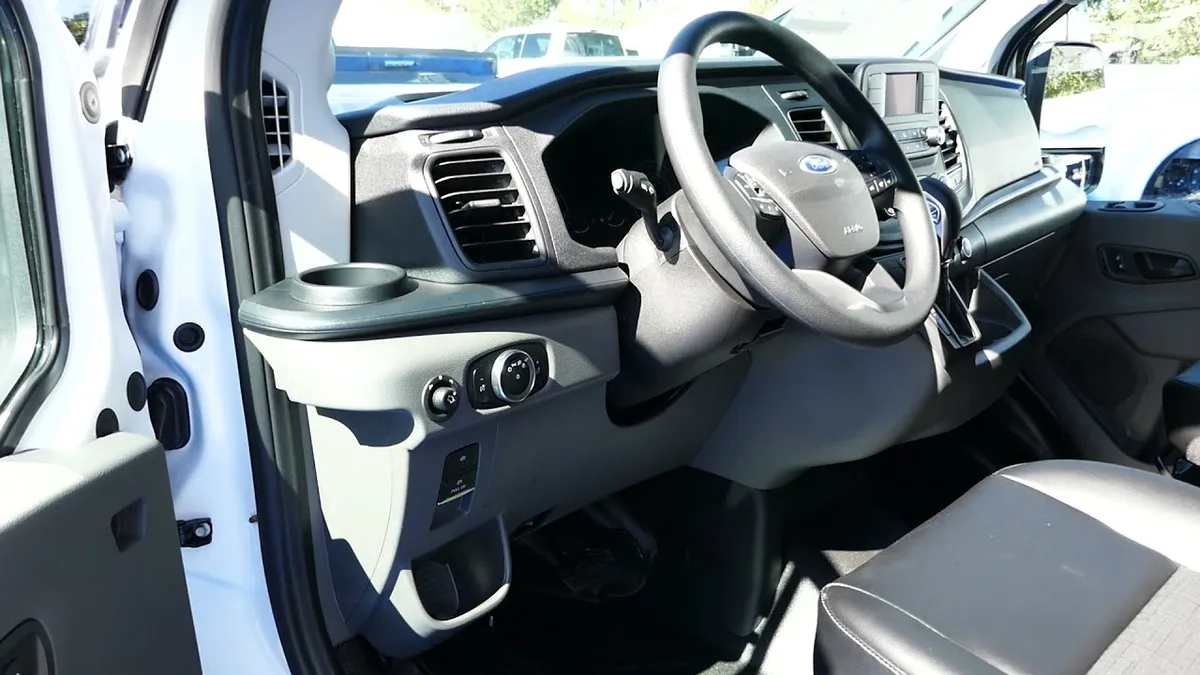
The test focuses on your vehicle’s On-Board Diagnostics system. Technicians plug a scanner into the OBD-II port, usually located under the dashboard near the steering column.
They check for stored trouble codes related to emissions. The system also verifies that all required emissions monitors are ready. If your check engine light is on, you’ll fail.
The test doesn’t measure tailpipe emissions directly for 1996+ models. It relies on the OBD-II system’s self-diagnosis.
Step-by-Step: How to Get Your Vehicle Tested
First, confirm you need the test. Check your registration renewal notice or use the MoDNR’s county lookup tool.
Find an approved inspection station. Missouri has both state-run and private facilities. No appointment is usually needed.
Bring your vehicle and registration documents. The technician will handle the rest. You’ll get your results on the spot.
If you pass, you’re done. If you fail, you’ll receive a report with the specific issues to fix.
What Happens If You Fail (and How to Fix It)
YouTube / AutocareTips (YouTube thumbnail (fair-use with source credit))
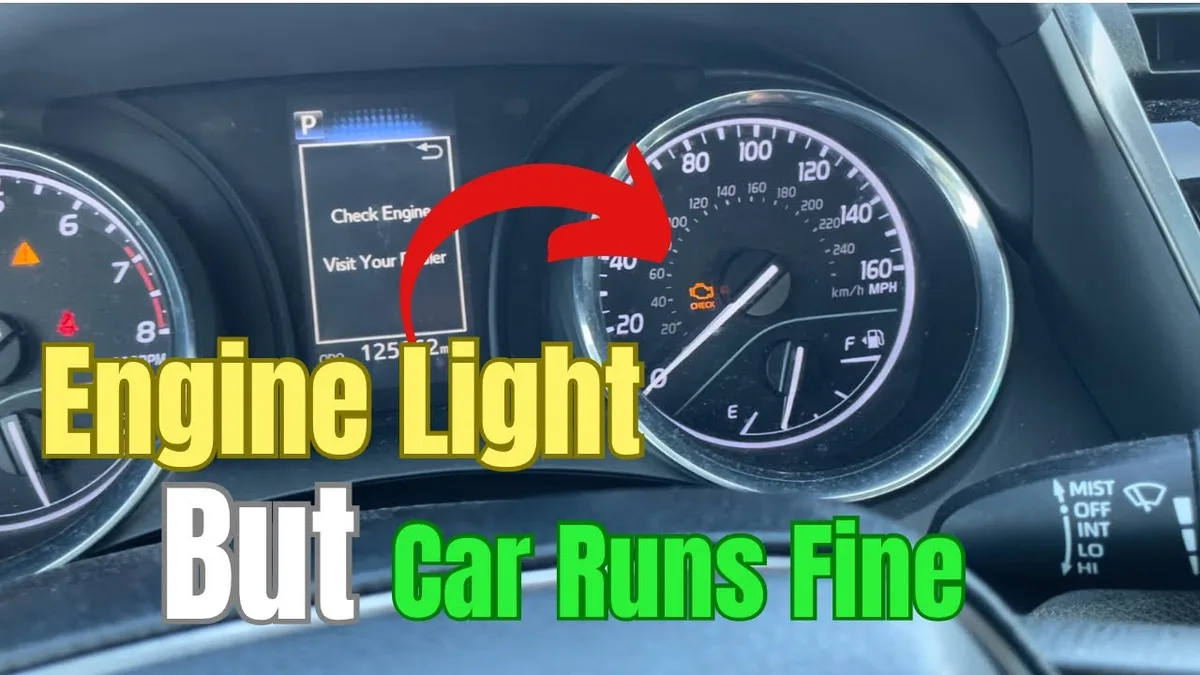
A failure means your vehicle has emissions-related problems. The most common reason is an illuminated check engine light.
You’ll get a printout with the diagnostic trouble codes. These codes point to the specific issue, like a faulty oxygen sensor or catalytic converter.
Missouri allows one free retest within 30 days if you make repairs. After that, you’ll pay the test fee again.
Some fixes are simple and inexpensive. Others, like a bad catalytic converter, can cost hundreds. Get a repair estimate before committing.
Costs, Fees, and Where to Get Tested
YouTube / KSHB 41 (YouTube thumbnail (fair-use with source credit))
The test fee is $12 in most counties. St. Louis County charges $24 as of 2026.
Payment is usually by cash, card, or check.
You can get tested at state-run stations or authorized private shops. Both follow the same standards. Private stations may offer more flexible hours.
Here’s a quick cost breakdown:
| County | Test Fee | Retest Fee |
|---|---|---|
| St. Louis City | $12 | $12 |
| St. Louis County | $24 | $24 |
| Jefferson | $12 | $12 |
| Franklin | $12 | $12 |
| St. Charles | $12 | $12 |
Common Mistakes That Cause Failures
Many failures are preventable. The biggest culprit is ignoring the check engine light. Even if your car runs fine, an active code means an automatic fail.
Another common issue is incomplete readiness monitors. If you’ve recently disconnected the battery, the OBD-II system may need time to reset. Drive your car for a week or two before testing.
Tampering with emissions equipment is an instant fail. This includes removing the catalytic converter or modifying the exhaust system.
Don’t show up with a nearly empty gas tank. Some tests require the fuel level to be above a certain threshold. A quarter tank is usually safe.
How to Check Your Test Status and Deadlines
You can track your test status through multiple channels. The easiest way is to check your vehicle registration renewal notice, which arrives 60 days before expiration.
Visit the Missouri Department of Revenue online portal to verify compliance. Enter your license plate information to see if you're up to date.
Some counties offer automated reminder texts or emails when your due date approaches. Set a calendar alert six months before your test expires.
If your registration shows non-compliance but you believe you've already passed, contact the station where you were tested. Bring your receipt as proof.
Moving to Missouri? What You Need to Know
Relocating to a non-exempt county changes your obligations immediately. Out-of-state vehicles must comply with Missouri's emissions requirements upon registration.
You'll need an emissions test within 30 days of establishing residency. Drive to any approved inspection station with your out-of-state registration and proof of insurance.
Vehicles previously exempt in their home state may not qualify for exemption in Missouri. For example, a newer diesel truck might pass in another state but require testing here.
Check with the Missouri Department of Natural Resources before moving. They can confirm whether your specific vehicle meets Missouri standards.
FAQs About Missouri Emissions Testing
How often do I need to get my vehicle tested?
Every two years. The test is biennial, repeating on the same month and year you first passed.
Can I test my car at any inspection station?
Yes, but only at state-approved facilities. Private shops and state stations both follow the same OBD-II testing protocol.
What happens if I can't afford repairs after failing?
Missouri doesn’t offer financial assistance for emissions repairs. You’ll need to fix the issue before retesting. Some repair shops offer payment plans or discounts for first-time failures.
Do electric vehicles need emissions testing?
No. Electric vehicles produce zero tailpipe emissions and are automatically exempt.
Is the test the same for hybrids?
Hybrid gasoline vehicles generally require the same OBD-II test. However, full hybrid-electric models may qualify for exemptions depending on engine size and model year.
Final Checklist: Are You Ready for the Test?
YouTube / Scotty Kilmer (YouTube thumbnail (fair-use with source credit))
Before heading to the inspection station, verify you've covered these basics:
- Confirm your county requires testing
- Ensure your check engine light is off
- Fill your gas tank to at least a quarter tank
- Gather your registration and proof of insurance
- Remove any aftermarket emissions modifications
- Allow two weeks for readiness monitors to reset if you recently disconnected the battery
Taking these steps reduces the chance of an unexpected failure. A quick pre-test check can save you time, money, and frustration at the station.