ByMax Lee
Missouri Emissions Test Exemptions for Newer Vehicles
You have probably heard that newer cars skip emissions testing in Missouri. The short version is true, but the details matter more than most people realize. Missouri emissions testing exemptions for vehicles under four years old sound straightforward, yet a few hidden conditions can trip you up at the registrar.
The rule comes from the Missouri Air Conservation Program under state law. It bases eligibility on your vehicle's model year, not the date you bought it. As of 2026, a 2023 model or newer gets exempt status automatically.
That said, the rule only applies in certain counties, and some vehicle types follow different paths. Here is what you need to know before you show up to register.
Quick Answer
Yes. Missouri emissions testing exemptions for vehicles under four years old mean your car likely skips the test entirely. The rule uses your vehicle's model year, not the purchase date.
If your car is a 2023 model or newer and you live in a required county, you are exempt. Always verify your county first though.
YouTube / FOX4 News Kansas City (YouTube thumbnail (fair-use with source credit))
Does Missouri Exempt Vehicles Under 4 Years Old from Emissions Testing?
Yes, but only if a few conditions line up. Missouri does not require emissions testing statewide. The program targets specific urban counties where air quality standards demand it.
If you live outside those counties, your vehicle never needs an emissions test regardless of age.
Inside the tested counties, vehicles that are four years old or newer receive an automatic exemption. A 2024 model registered in 2025 qualifies. A 2025 model bought three months later still qualifies.
The clock starts at the model year printed on your title, not the day you picked up the keys.
The exemption covers gasoline, diesel, hybrid, and electric vehicles alike. However, some edge cases exist. We will get into those shortly.
The main takeaway is simple. Model year determines your status, and county location determines whether the test applies at all.
Understanding how Missouri structures this program helps if you commute across state lines. Neighboring states like Maryland apply their own newer-vehicle exemptions with different age thresholds. Knowing where Missouri stands relative to nearby programs keeps you prepared no matter which side of the border you register on.
How Missouri's 4-Year Emissions Exemption Works
The mechanics behind the exemption are simpler than most state programs. Missouri calculates your vehicle's age by subtracting the model year from the current calendar year. If the result is four or less, you pass through without a test.
Say your car is a 2022 model and it is currently 2026. That makes the vehicle four years old. It qualifies for the exemption this year.
Next year, the same vehicle turns five and loses the waiver. You would then need to pass the standard OBD-II emissions check.
This system rewards newer, cleaner vehicles while reducing administrative load on the state. Older cars undergo testing because they are more likely to exceed emission limits. Newer models already meet stricter federal standards built into their design.
The program aligns with EPA guidelines for state-level air quality compliance.
Some owners confuse the model year with the manufacture date. These are not always the same. A vehicle produced in late 2022 might still carry a 2023 model year badge.
Always check the official model year on the sticker or title rather than guessing from the build date.
Which Missouri Counties Require Emissions Testing?
County lines decide everything. Missouri only requires emissions testing in a handful of counties around the two largest metro areas. Living just across a county border can change your entire obligation.
The current testing counties include:
- St. Louis City and St. Louis County
- St. Charles County
- Franklin County
- Jefferson County
- Jackson County
- Clay County
- Platte County
- Cass County
All eight counties fall within the St. Louis and Kansas City metropolitan corridors. If you reside in any of these areas, your vehicle must pass the test unless it qualifies for an exemption.
Residents in every other Missouri county never need an emissions test, period.
YouTube / FOX 2 St. Louis (YouTube thumbnail (fair-use with source credit))
The map above shows the tested zones in the greater St. Louis and Kansas City regions. Counties shaded darker represent active participation in the state emissions program.
Everything else falls outside the requirement.
When registering an out-of-state vehicle, the county you choose for Missouri residency matters. Moving from Illinois into St. Louis County triggers the testing requirement.
Moving into Springfield does not. Pick your address wisely during the transfer process.
Out-of-state transfers also bring their own documentation quirks. If you are bringing a title from another state, reviewing the VIN verification process for out-of-state transfers can help you understand what paperwork looks like across state lines, even though Missouri handles its own verification differently.
How to Check If Your Vehicle Qualifies for the Exemption
Checking your exemption status takes about two minutes. You need two pieces of information, and both are easy to find.
First, locate your model year. Look at the driver-side door jamb sticker, the title document, or the window label. The model year appears clearly labeled.
Do not guess based on when you bought the car. A used 2023 model purchased in 2025 is still a 2023 model year vehicle.
Second, confirm your county of residence. Most people already know this, but double-checking prevents surprises. You can verify county requirements through the Missouri Department of Natural Resources website.
The agency maintains an official list of participating counties.
Once you have both facts, run a quick calculation. Subtract your model year from 2026. If the number is four or below, you are exempt.
If it is five or above, you need to schedule a test.
Web (Bing) / storage.googleapis.com (Web image (fair-use with source credit))
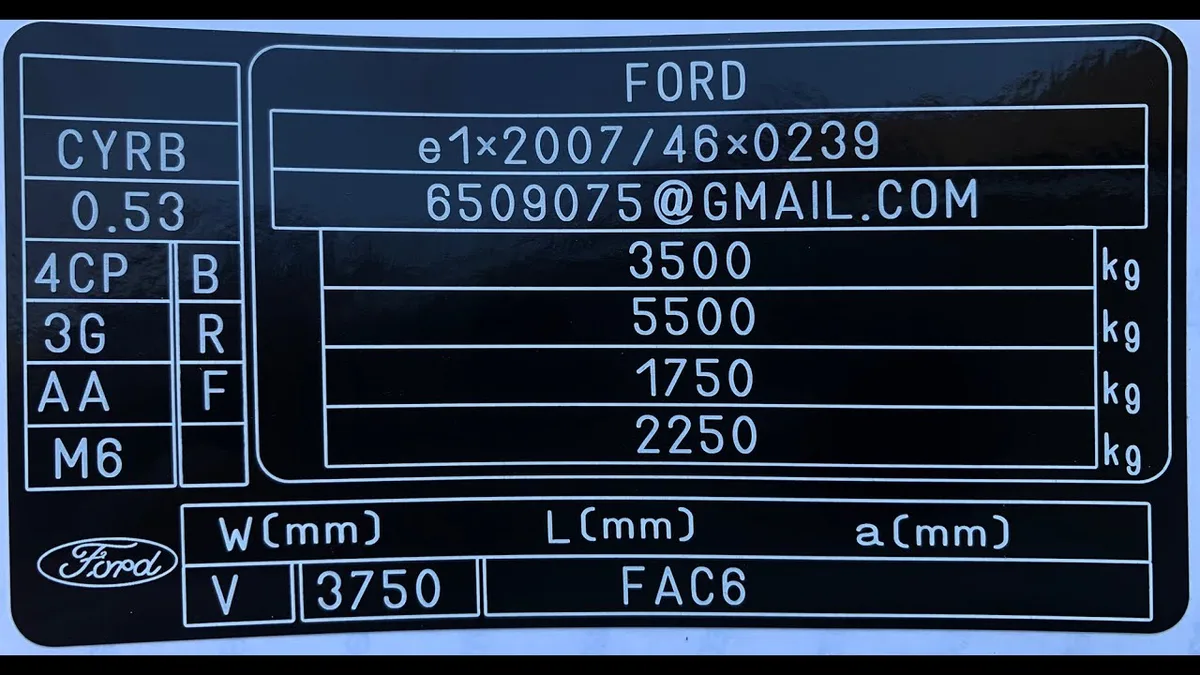
That sticker on your door jamb holds the answer. The model year printed there is the official number the state uses. If it reads 2023 or later, you likely qualify for the waiver, assuming you live in a testing county.
Some situations create confusion. Imported vehicles, rebuilt titles, and classic car restorations sometimes carry ambiguous model year designations. In those cases, contact the Department of Revenue directly before attempting registration.
Getting it wrong upfront saves headaches later.
If your vehicle happens to be an electric or plug-in hybrid, you may also want to understand how Missouri and neighboring states handle EV registration surcharges. While Missouri does not currently impose an EV surcharge, knowing the regional landscape helps you plan ahead.
Step-by-Step: Confirming Your Exemption Status
Follow these steps to lock down your exemption status before booking any appointment.
Step 1: Pull your title or registration document. The model year sits right on the front page. Write it down. Double-check it against the door jamb sticker if you have access to the vehicle.
Step 2: Verify your county. If you recently moved into Missouri, confirm your new address falls inside a testing county. A quick zip code lookup or county map on the DNR site works fine.
Step 3: Run the math. Take the current year and subtract your model year. Four or less means exempt. Five or more means test required.
Keep this note handy when you visit the license substation.
Step 4: Gather supporting documents. Bring your title, proof of insurance, and a valid photo ID. If your vehicle is leased, the leasing company usually handles registration, but you should still confirm exemption eligibility on their paperwork.
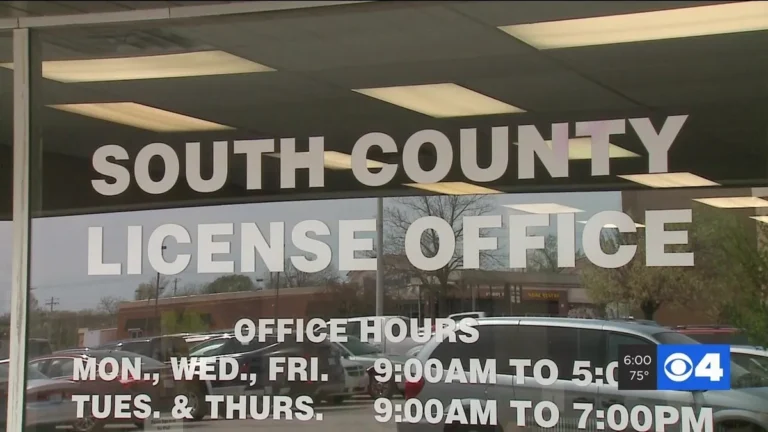
Step 5: Visit your county license office. Tell the clerk your model year and county. They will run the system check and confirm whether the test requirement drops off automatically. In most cases, the system flags the exemption without any extra paperwork.
If the system shows a test requirement despite your vehicle being under four years old, request a supervisor review. System errors happen, especially with out-of-state transfers or rebuilt titles. A manual override resolves most discrepancies on the spot.
Getting your registration sorted quickly matters, especially if your current tag is expiring soon. Reading up on the typical vehicle registration deadline after a purchase or move gives you a sense of how other states enforce timelines, which helps you stay proactive rather than reactive.
What If Your Car Is Hybrid, Electric, or Diesel?
Hybrids and electric vehicles get the same four-year exemption as gasoline cars. The state treats them identically under the current rules. If your plug-in hybrid is a 2023 model, it skips the test just like any other new vehicle.
Diesel vehicles follow the same model year rule. However, diesel engines built before 1996 may face additional scrutiny. These older models often lack the OBD-II port required for standard testing.
Check with your county office if you own a pre-1996 diesel.
YouTube / BYD Auto Australia (YouTube thumbnail (fair-use with source credit))
Electric vehicles never need an emissions test in Missouri. They produce zero tailpipe emissions, so the exemption is permanent. Hybrid models still carry an internal combustion engine, so they revert to the standard four-year rule once they age out.
Some owners assume all alternative-fuel vehicles get a permanent pass. That is not true. Only full electric vehicles escape testing indefinitely.
Hybrids, plug-in hybrids, and diesels all return to the standard cycle once they hit five years old.
Common Mistakes That Get People Fined
The most frequent error is misjudging the model year. People assume the exemption applies based on when they bought the car. The state only cares about the model year printed on the title.
A 2020 model bought new in 2021 is still a 2020 for exemption purposes.
Another common slip-up is ignoring county lines. Moving from a non-testing county into St. Louis County triggers the requirement.
Some residents do not realize their new address falls inside the testing zone until they get a notice in the mail.
Out-of-state transfers cause confusion too. A vehicle exempt in Illinois might not qualify in Missouri. The model year rule is similar, but the county structure differs.
Always verify your new state's program before assuming your exemption carries over.
Some drivers try to register without proof of insurance. Missouri requires valid coverage to process any registration, exempt or not. Showing up without it means a wasted trip and potential late fees.
Finally, tampering with emissions equipment voids the exemption. Removing or bypassing catalytic converters, OBD-II systems, or other required components is illegal. The state can revoke your registration and impose fines if inspectors catch the modification.
What Happens If You Skip the Test When You're Not Exempt?
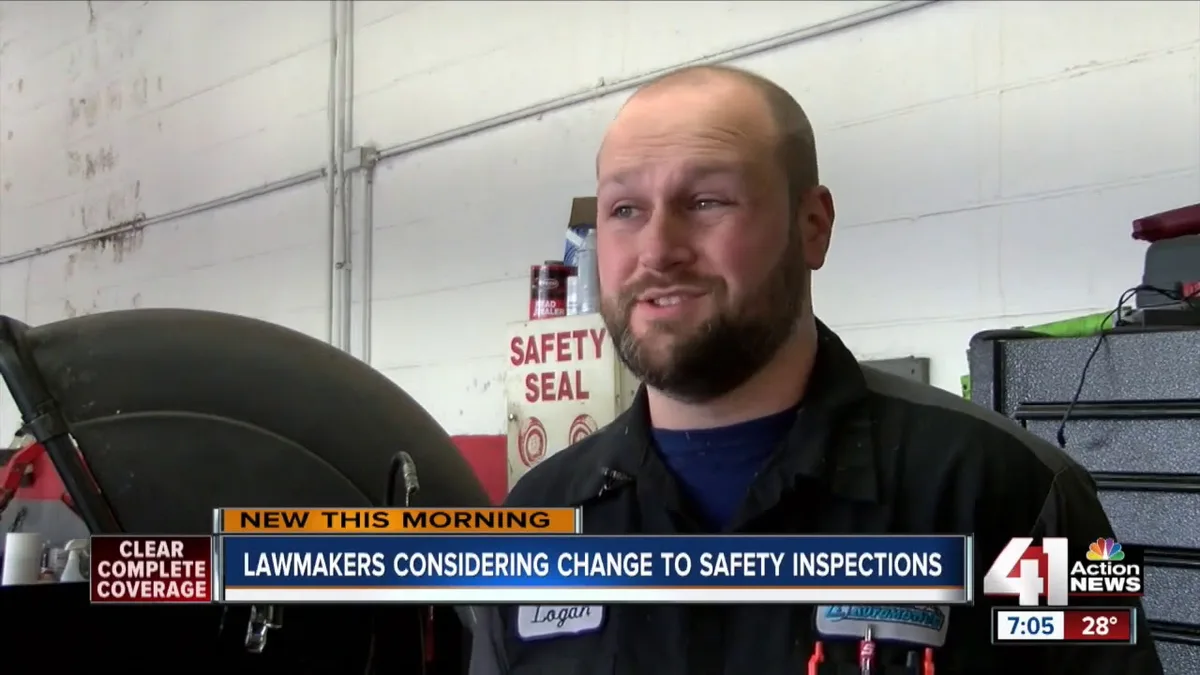
Missouri will not let you register an untested vehicle in a testing county. The DMV system blocks the transaction until you provide a passing emissions certificate. You cannot renew your plates, transfer ownership, or complete a new registration without it.
If you attempt to register without the test, the clerk will turn you away. You will need to schedule an appointment at an approved testing station. Most stations offer same-day service, but wait times vary by location and season.
YouTube / KSHB 41 (YouTube thumbnail (fair-use with source credit))
Failing the test means you cannot register until you fix the issue. Common reasons for failure include faulty oxygen sensors, evaporative emissions leaks, or a malfunctioning catalytic converter. Repairs can range from a simple sensor replacement to a full exhaust system overhaul.
Driving with expired plates while waiting for a test or repairs is illegal. Missouri law requires valid registration at all times. Police can ticket you for expired tags, and the fines add up quickly.
The state also imposes a late fee for overdue registrations. The penalty starts at $10 and increases the longer you wait. Avoid the hassle by testing early and addressing any issues before your current plates expire.
How to Register an Exempt Vehicle in Missouri
Registering an exempt vehicle is simpler than most people expect. The process mirrors a standard registration, minus the emissions test step. You still need to provide the usual documents.
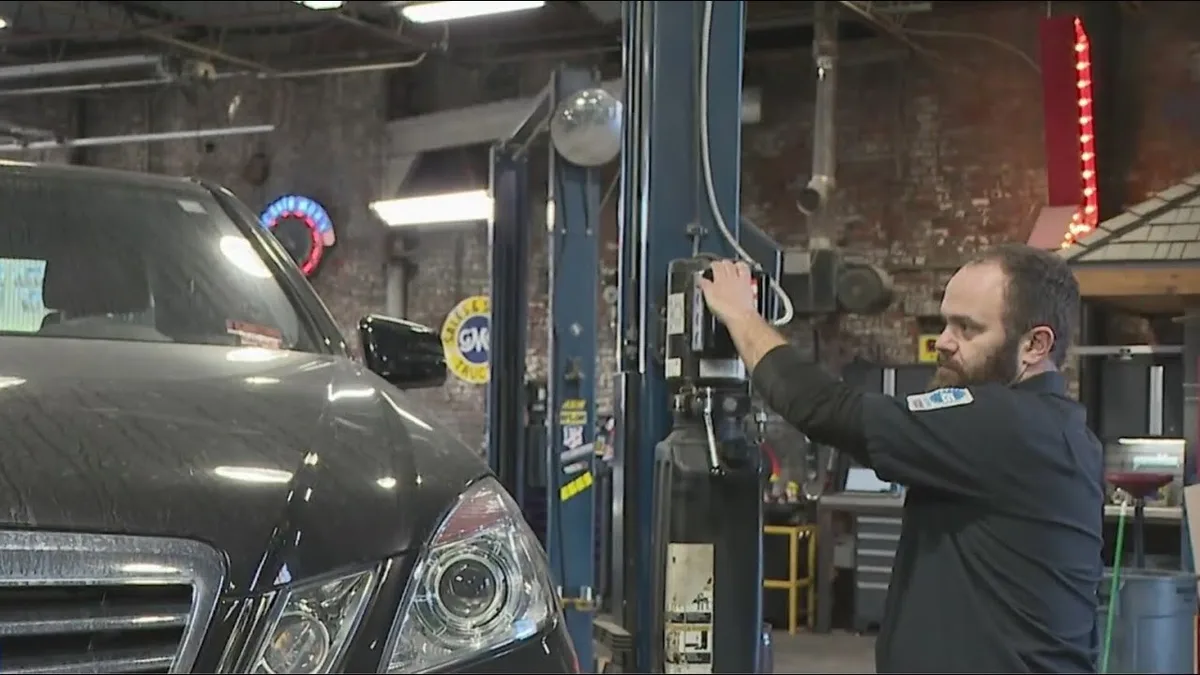
Bring your title, proof of insurance, and a valid photo ID. If you recently purchased the vehicle, you will also need the signed application for title and license. The clerk will verify your model year and county of residence in the system.
YouTube / FOX4 News Kansas City (YouTube thumbnail (fair-use with source credit))
The system automatically flags exempt vehicles. You will not need to provide any additional paperwork or explanations. The clerk will process your registration and issue new plates or stickers on the spot.
If you are transferring plates from another vehicle, bring the old plates with you. Missouri allows plate transfers between vehicles as long as they are the same type and weight class. The clerk will confirm eligibility during the transaction.
Fees vary by vehicle type and registration period. A standard passenger vehicle typically costs around $50 to $100 for a two-year registration. Exact amounts depend on your county and any local taxes or fees.
Special Cases: Out-of-State Vehicles, Leased Cars, and Fleet Vehicles
Out-of-state vehicles follow the same model year rule once registered in Missouri. The exemption applies based on your new Missouri county of residence. If you move into a testing county, your vehicle must comply with the local requirements.
Leased vehicles usually have the registration handled by the leasing company. However, you are still responsible for ensuring the vehicle meets emissions standards. The leasing company will typically schedule the test if required, but it is wise to confirm their process.
Fleet vehicles face the same rules as personal cars. Each vehicle in the fleet must meet the exemption criteria or pass the emissions test. Fleet managers often coordinate testing for multiple vehicles at once to streamline the process.
Military personnel stationed in Missouri may qualify for special considerations. Active-duty service members can sometimes retain their home state registration. Check with your base's legal office or the Missouri DMV for specific guidance.
Commercial vehicles have additional requirements beyond emissions testing. Weight classes, safety inspections, and federal regulations may apply. The four-year exemption still stands for emissions, but other inspections could be mandatory.
FAQs About Missouri's Emissions Exemption Rules
Does the exemption apply to motorcycles?
No. Motorcycles are not subject to emissions testing in Missouri regardless of age.
What if my car is a classic or antique?
Classic and antique vehicles may qualify for separate exemptions. Check with the Missouri Department of Revenue for specific rules.
Can I get a temporary waiver if my car fails?
Yes. Missouri offers a one-time waiver if your vehicle fails and repairs exceed a certain cost threshold. You must apply through the DNR.
Do I need to keep proof of exemption?
No. The system automatically flags exempt vehicles during registration. No additional paperwork is required.
What if I move out of a testing county?
Your exemption status updates based on your new address. If you move to a non-testing county, you no longer need the test.
Final Checklist: Are You Really Exempt?
Confirm your model year is 2023 or newer. That is the first requirement.
Check your county of residence. Only eight counties in Missouri require emissions testing.
Verify your vehicle type. Hybrids and diesels follow the same four-year rule. Full electric vehicles are always exempt.
Keep your title and insurance documents ready. Visit your local license office during business hours for fastest service. If the system shows any errors, request immediate assistance from a supervisor.