ByMax Lee
Missouri Car Seat Laws for Kids 8 & Under
Missouri child restraint law and car seat requirements for ages 8 and under can feel confusing, but the rules exist to keep kids safe. Missouri law requires all children under 8 to be in an approved child restraint system, and the specifics depend on their age, height, and weight.
The National Highway Traffic Safety Administration reports that properly used car seats reduce the risk of fatal injury by up to 71% for infants. Understanding these requirements helps you avoid fines and, more importantly, protects your child.
Quick Answer: Missouri’s Car Seat Requirements at a Glance
Missouri child restraint law and car seat requirements for ages 8 and under mandate a child restraint system for all kids under 8. Children under 4 or under 40 pounds must be in a rear-facing or forward-facing harnessed seat. Kids 4, 7 or under 80 pounds need a booster or harnessed seat.
Seat belts alone are only legal at age 8 or 4’9” tall.
YouTube / Missouri State Highway Patrol (YouTube thumbnail (fair-use with source credit))
Why This Law Exists and Why It Matters
Car crashes are a leading cause of death for children in the U.S. Missouri’s law aligns with NHTSA guidelines to minimize these risks. A properly secured child is far less likely to suffer severe injuries in a collision.
The law isn’t just about compliance. It’s about physics. Rear-facing seats support a child’s head, neck, and spine in a crash, reducing the risk of catastrophic injury.
Forward-facing harnesses and boosters ensure the seat belt fits correctly, preventing internal damage.
Missouri’s Legal Requirements by Age and Size
Missouri’s child restraint law (RSMo §307.178) breaks down by age, weight, and height. Here’s what you need to know:
- Under 4 years old or under 40 pounds: Must be in a rear-facing or forward-facing child safety seat with a 5-point harness.
- Ages 4, 7 or under 80 pounds: Must be in a forward-facing harnessed seat or a booster seat.
- Age 8 or older, or 4’9” tall or taller: May use the vehicle’s seat belt alone, but a booster is still recommended until the seat belt fits properly.
Wikimedia Commons / StomboyCarGeek
The law doesn’t specify rear-facing vs. forward-facing for infants, but safety experts strongly recommend keeping kids rear-facing as long as possible. The American Academy of Pediatrics advises rear-facing until at least age 2, or until the child outgrows the seat’s height or weight limits.
Rear-Facing vs. Forward-Facing: What the Law Says vs. What’s Safest
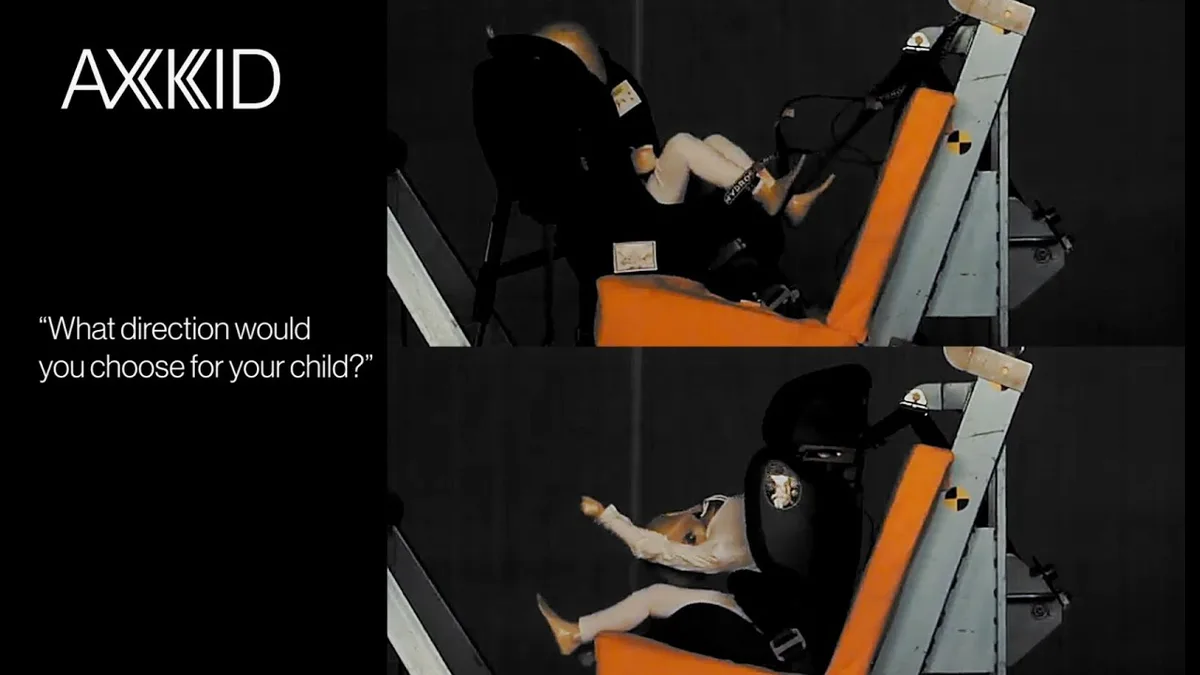
Missouri law allows forward-facing seats for children under 4 if they meet the weight requirement, but rear-facing is safer. In a crash, a rear-facing seat cradles the child’s head and neck, reducing the risk of spinal injuries.
Forward-facing seats with a 5-point harness are the next step. They’re legal for older toddlers but don’t offer the same protection as rear-facing. The harness distributes crash forces across the strongest parts of the body.
YouTube / Axkid (YouTube thumbnail (fair-use with source credit))
Here’s a quick comparison:
| Feature | Rear-Facing | Forward-Facing |
|---|---|---|
| Best For | Infants and toddlers under 2+ years | Toddlers over 2 who outgrow rear-facing |
| Protection | Superior head/neck support | Good, but less ideal for young kids |
| Weight/Height Limits | Varies by seat (often 4–50+ lbs) | Varies by seat (often 20–65+ lbs) |
| Law Compliance | Fully compliant for under 4/40 lbs | Compliant for under 4/40 lbs or 4–7/80 lbs |
Safety experts agree: Keep your child rear-facing as long as their seat allows. It’s the gold standard for protection.
Seat Belt Fit Test: The 5-Point Check Every Parent Should Use
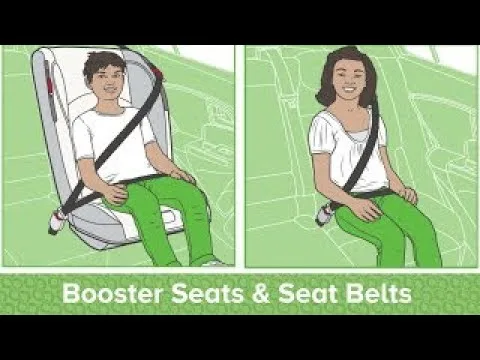
Even if your child is 8 or older, they may still need a booster. The seat belt must fit properly to be safe. Use this 5-point test to check:
- Lap Belt: Lies snugly across the upper thighs, not the stomach.
- Shoulder Belt: Crosses the chest and shoulder, not the neck or face.
- Back Support: Child sits all the way back against the seat.
- Knees: Bend comfortably at the edge of the seat.
- Feet: Flat on the floor (or vehicle footrest).
If the answer to any of these is "no," your child needs a booster.
YouTube / Cincinnati Children's (YouTube thumbnail (fair-use with source credit))
Where Your Child Should Sit in the Car (Front vs. Back Seat Rules)
The back seat is the safest place for all children under 13. Missouri law doesn’t explicitly ban front-seat travel for kids under 8, but it’s strongly discouraged.
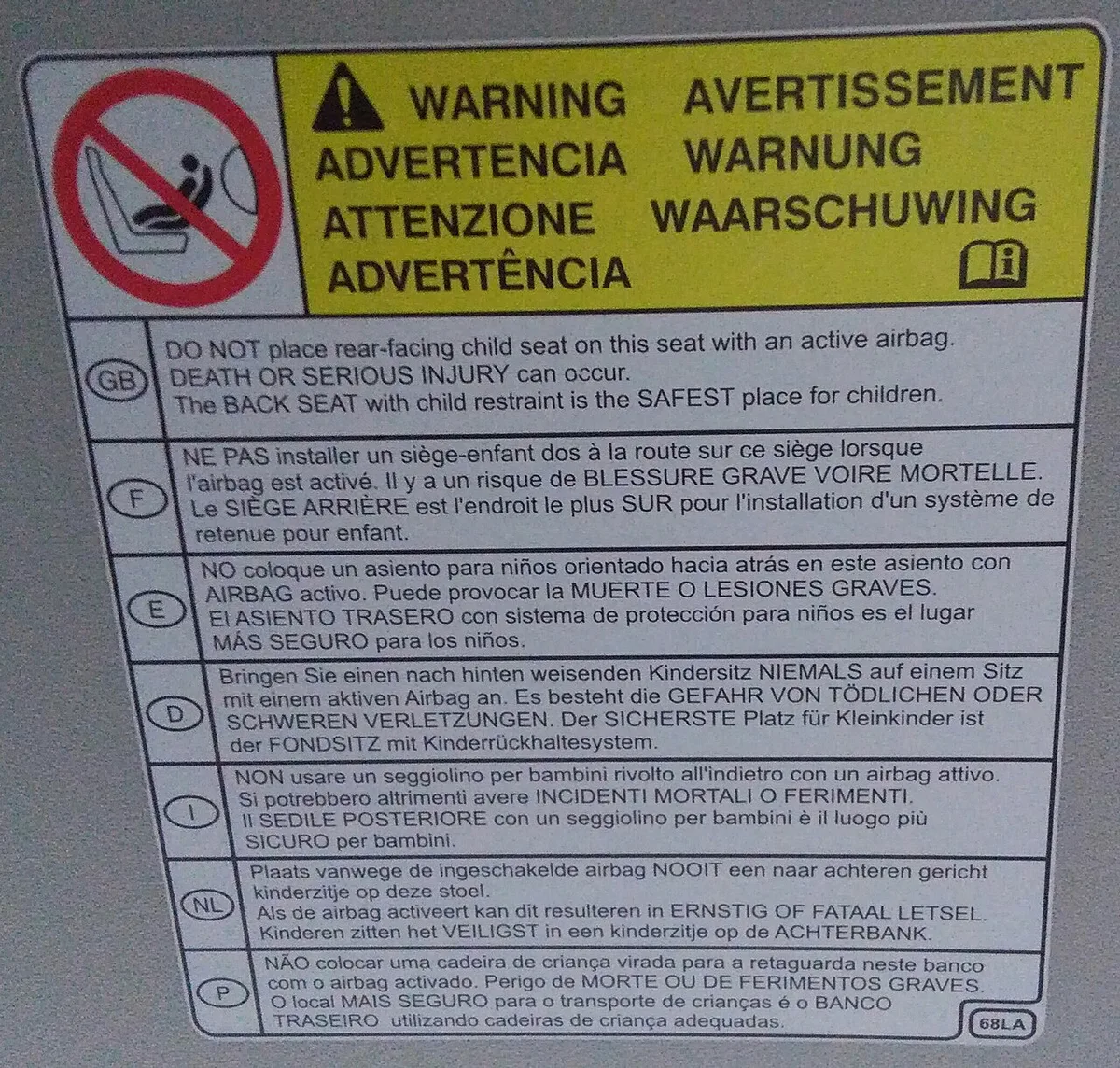
If you must place a child in the front seat, deactivate the passenger-side airbag if the child is in a rear-facing seat. An active airbag can cause serious injury or death to a small child in a crash.
Step-by-Step: How to Install a Car Seat Correctly in Missouri
Start by reading your car seat manual and your vehicle’s owner manual. Each seat and car has specific requirements.
Use the LATCH system if your car and seat are compatible. The lower anchors and top tether provide a secure connection. If using a seat belt, ensure it’s locked and the seat doesn’t move more than an inch side-to-side or front-to-back.

YouTube / DoonaTM, Parenting Made Simple (YouTube thumbnail (fair-use with source credit))
Check the recline angle for rear-facing seats. Most have indicators or adjusters to ensure the correct position. Forward-facing seats should be upright.
Common Mistakes Missouri Parents Make (and How to Avoid Them)
Loose harness straps are a frequent issue. The harness should be snug enough that you can’t pinch any excess strap at the child’s shoulder.
Another mistake is moving a child out of a booster too soon. Even if they’re 8, if the seat belt doesn’t pass the 5-point fit test, they need a booster.
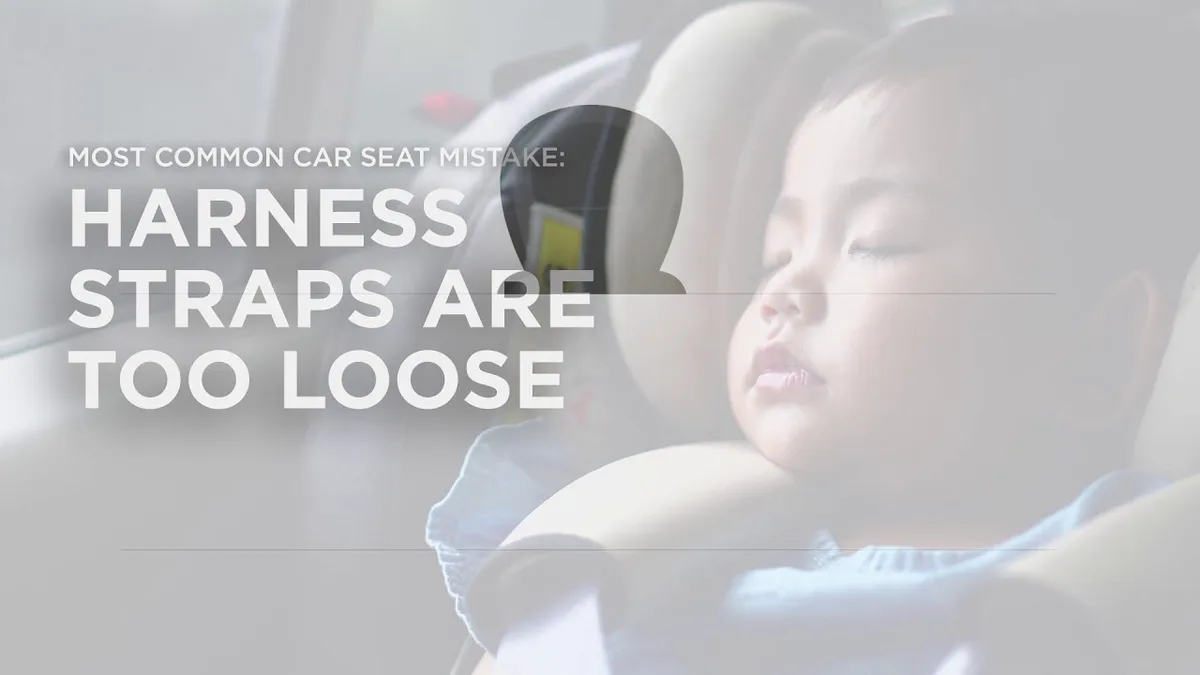
YouTube / Utah Department of Public Safety (YouTube thumbnail (fair-use with source credit))
Using an expired or recalled car seat is dangerous. Check the expiration date on the seat and register it with the manufacturer to receive recall notices.
What Happens If You Break the Law?
Missouri treats child restraint violations as a primary offense. This means police can pull you over solely for a child not being properly secured.
Fines vary by jurisdiction but typically range from $50 to $200. More importantly, an improperly restrained child is at much higher risk of injury in a crash.
Free Car Seat Checks and Resources in Missouri
Many fire stations, hospitals, and police departments offer free car seat inspections. Certified technicians will check your installation and ensure your child is safe.
The Missouri Highway Patrol also provides resources and guidance. Their website lists inspection stations and upcoming safety events.
When to Switch to a Booster Seat (and When to Ditch It)
Moving your child from a harnessed seat to a booster is a big step. Most forward-facing seats have height limits around 49 to 65 inches, depending on the model. Once your child outgrows those limits, it's time to consider a booster.
A booster isn't a sign you're doing less. It's the right tool for the next stage. The seat lifts your child so the vehicle's seat belt positions correctly across the lap and shoulder.
Without a booster, a standard seat belt can cut across a child's neck or stomach in a crash, causing serious internal injuries.
Most children will need a booster until they reach at least 4 feet 9 inches tall. That usually happens between ages 8 and 12. Don't rush this transition based on age alone.
Use the 5-point fit test to decide when they're truly ready to graduate to a seat belt without assistance.
FAQs About Missouri's Child Restraint Law
Do I have to keep my child in the back seat until age 8?
Missouri law requires children under 8 to be secured in a rear or forward-facing restraint system. While the law doesn't explicitly mandate back-seat travel for all children under 8, safety experts strongly recommend it for everyone under 13. Airbags can injure young children in a crash, even with the airbag turned off.
Can my 7-year-old sit in the front seat with an airbag off?
Technically yes if they're in an appropriate car seat or booster, but it's not recommended. The back seat remains the safest location for children of any age. If you must place a 7-year-old in front, confirm the passenger airbag is deactivated and your child is in a properly fitted restraint.
What happens if my child is exactly 8 years old but only 4 feet tall?
Missouri law uses age as the primary threshold. A child who has reached their 8th birthday is legally allowed to use a seat belt alone. However, if they fail the 5-point seat belt fit test, they should remain in a booster.
The seat belt may not protect them properly if it sits across the neck or loose on the hips.
Does Missouri allow medical exemptions from the child restraint law?
Missouri does provide for limited medical exemptions. If a physician certifies that a child cannot safely ride in a child restraint due to a medical condition, the child may be exempt. You should carry the physician's documentation in your vehicle at all times.
Do neighboring states have different car seat laws?
Yes, laws vary significantly across state lines. Kansas requires car seats for children under 8 as well, while Illinois uses a different age and weight structure. If you travel through or move to another state, familiarize yourself with that state's requirements.
Final Takeaway: Keep Your Child Safe and Legal
Missouri's child restraint law exists to protect your child, not to create paperwork headaches. The rules cover a wide range of ages and sizes because children grow at different rates. The key is matching your child to the right seat for their current size, not just their age.
Rear-facing is the safest position for as long as possible. Then move to a forward-facing harness, then a booster, and finally a seat belt. Each stage builds on the last, and skipping one leaves your child more vulnerable.
Get your car seat installed and checked professionally if you're unsure. A certified technician can spot problems you might miss and give you confidence that your child is properly secured. It takes ten minutes and could save a life.