ByMax Lee
American Samoa Trailer Towing Safety & Lighting Rules
Towing a trailer in American Samoa without the right safety chains or lighting isn’t just risky, it’s illegal. The American Samoa trailer towing safety chain and lighting equipment requirements exist to prevent accidents and keep everyone on the road safe.
Per U.S. DOT standards adopted in the territory, your trailer must have properly rated safety chains and fully functional lighting. Get this wrong, and you’re looking at fines or worse.
Here’s what you need to know.
Quick Answer
American Samoa requires safety chains rated for your trailer’s gross weight. They must be crossed under the tongue and secured to the frame. Trailer lighting must include brake, turn, and tail lights that meet DOT standards.
All connections must be corrosion-resistant. Non-compliance risks citations and unsafe towing.
Why American Samoa’s Trailer Towing Rules Matter for Safety Chains & Lights
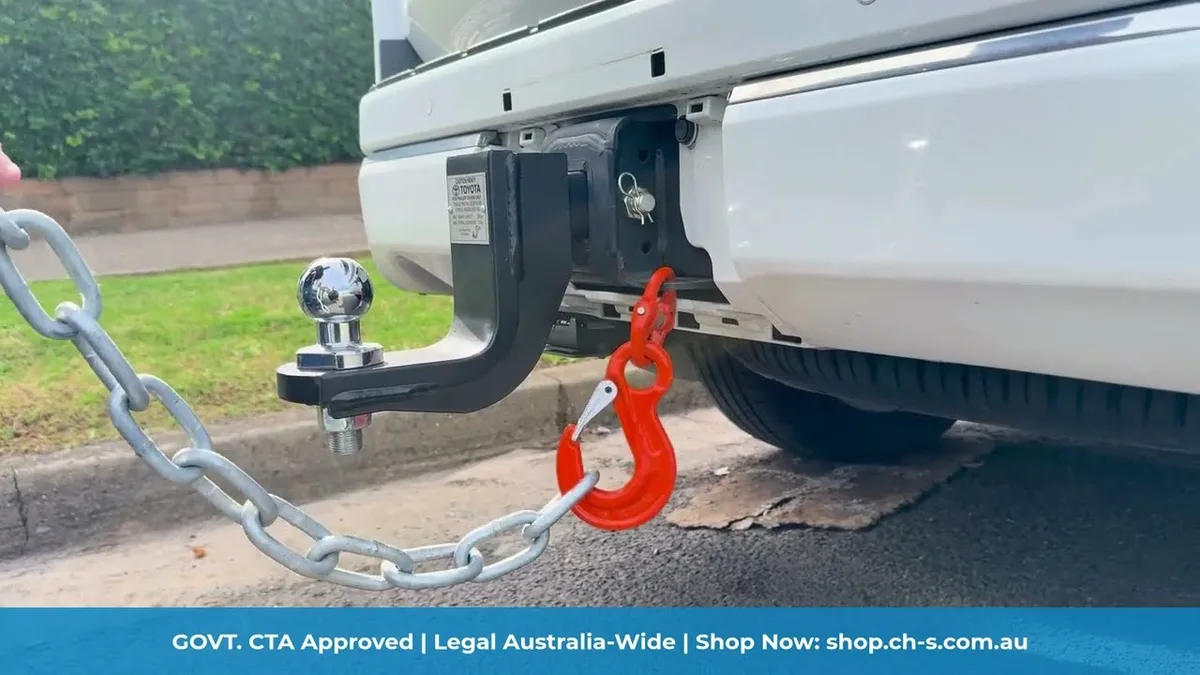
YouTube / Conveying & Hoisting SolutionsTM (YouTube thumbnail (fair-use with source credit))
Trailer detachment is a leading cause of towing accidents. In American Samoa’s humid, salty climate, weak or corroded chains and faulty lights fail faster than in milder conditions. The territory enforces DOT-compliant safety chains and lighting to match its unique environment.
These rules prevent catastrophic failures on steep, winding roads where recovery is difficult. Proper chains and lights also ensure visibility in tropical downpours or at dusk, when many accidents occur.
Core Requirements for Safety Chains in American Samoa
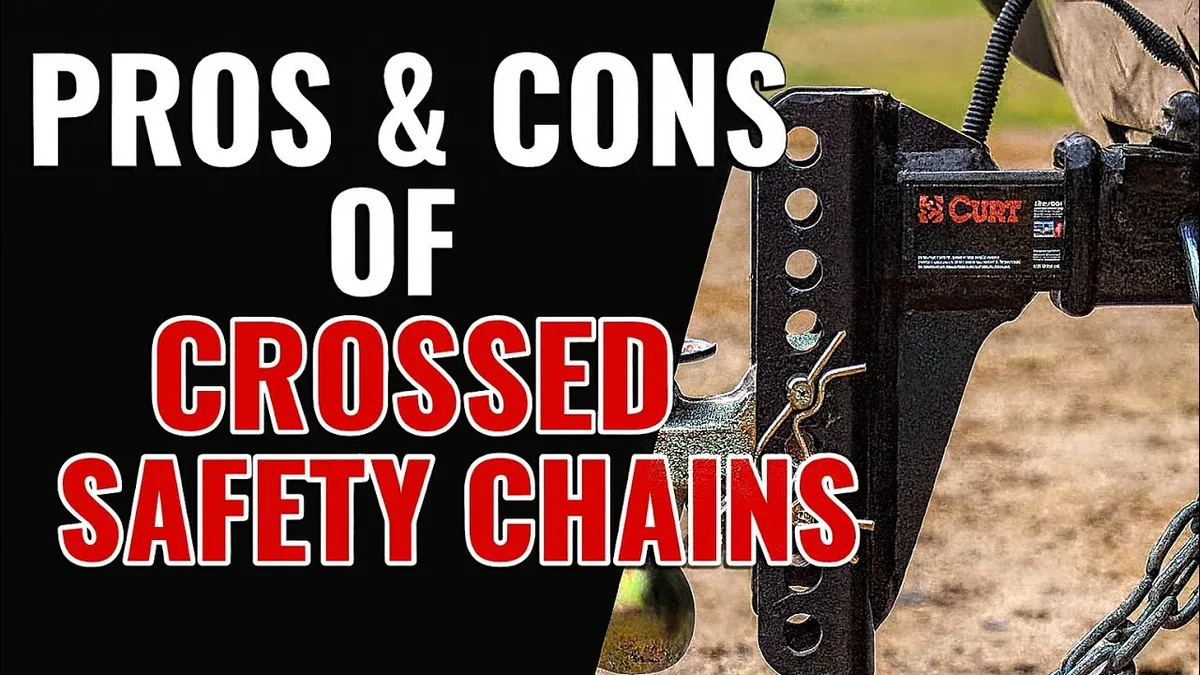
YouTube / MB PERFORMANCE MARINE (YouTube thumbnail (fair-use with source credit))
American Samoa follows U.S. DOT guidelines for safety chains, with local emphasis on corrosion resistance. You need at least two chains, crossed under the trailer tongue to create a cradle.
This setup prevents the tongue from digging into the road if the hitch fails.
Chain Specifications
- Material: Galvanized steel or stainless steel to resist rust
- Rating: Must meet or exceed the trailer’s gross vehicle weight rating (GVWR)
- Attachment: Hooked to the trailer frame, not the tongue itself
- Length: Short enough to prevent dragging but long enough to allow turns
Common Mistakes
- Using chains rated below the trailer’s GVWR
- Attaching chains to the tongue instead of the frame
- Letting chains drag on the road
Trailer Lighting Equipment Rules You Must Follow
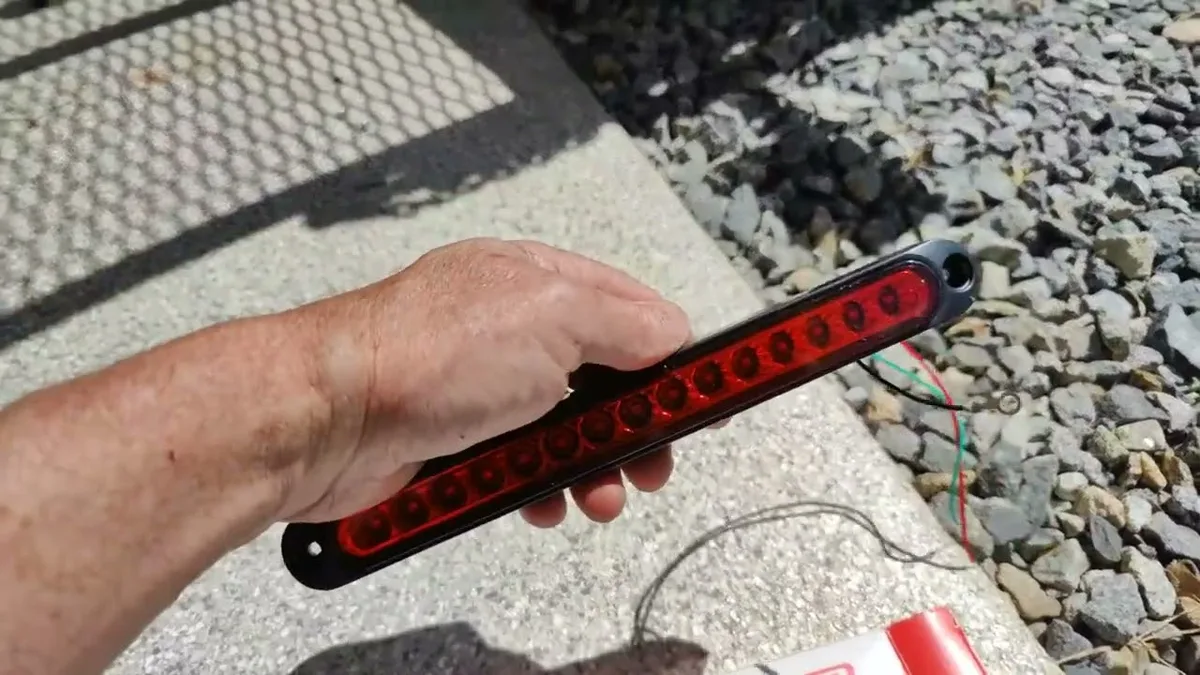
YouTube / KA (YouTube thumbnail (fair-use with source credit))
Your trailer’s lighting must comply with DOT FMVSS No. 108 standards, which American Samoa enforces. This means working brake lights, turn signals, and tail lights as a minimum. Larger trailers may require additional side marker and clearance lights.
Required Lighting by Trailer Type
| Trailer Width | Required Lights |
|---|---|
| Under 80 inches | Tail, brake, turn signals |
| 80+ inches | Tail, brake, turn, side markers |
| Overwidth | Additional clearance lights |
Wiring and Connectors
- Use a 4-pin or 5-pin connector matching your vehicle’s socket
- Ensure all connections are weatherproofed
- Test all lights before every trip
The National Highway Traffic Safety Administration provides full DOT lighting standards for reference.
How to Match Safety Chains to Your Trailer’s Weight
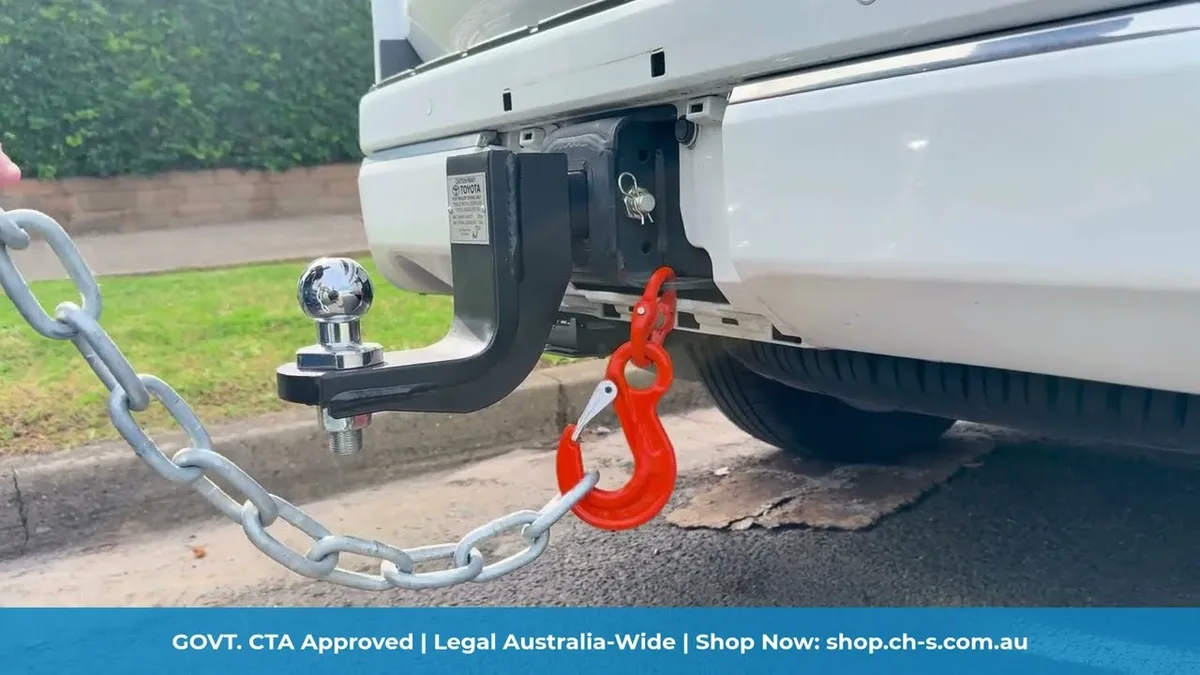
YouTube / Conveying & Hoisting SolutionsTM (YouTube thumbnail (fair-use with source credit))
The chain’s working load limit must equal or exceed your trailer’s GVWR. For example, a 5,000 lb trailer needs chains rated at 5,000 lbs each. Never use chains with unknown ratings or visible damage.
Chain Rating Guide
| Trailer GVWR | Minimum Chain Rating |
|---|---|
| Under 3,500 lbs | 3,500 lbs |
| 3,500–10,000 lbs | Match GVWR |
| Over 10,000 lbs | Consult local regulations |
Check your trailer’s manual or the manufacturer’s plate for the exact GVWR. If you’re unsure, a local inspection station can verify your setup.
Wiring & Lighting Setup: What Works in American Samoa
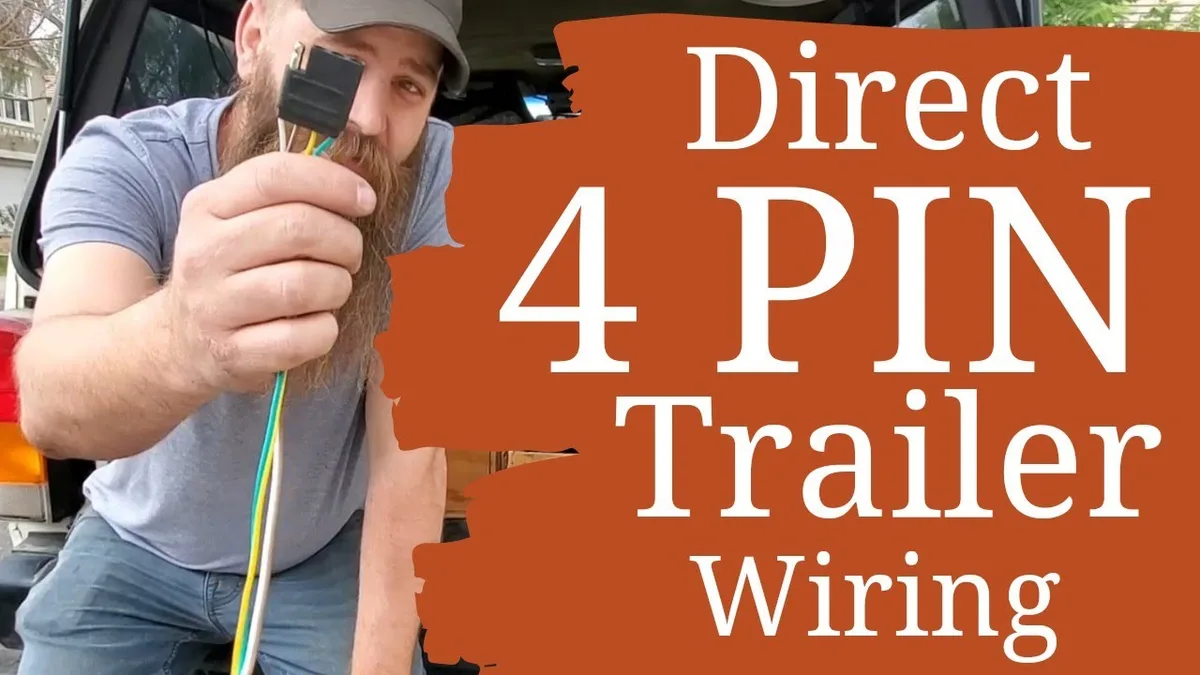
YouTube / redneckryan (YouTube thumbnail (fair-use with source credit))
A 4-pin flat connector covers basic lighting for most small trailers. Brake, turn, and tail lights run through this standard setup. Larger trailers with electric brakes need a 5-pin or 7-pin connector to handle the extra circuits.
Wiring Color Codes
| Function | Wire Color |
|---|---|
| Ground | White |
| Tail lights | Brown |
| Left turn/brake | Yellow |
| Right turn/brake | Green |
Test each function with a circuit tester before hitting the road. Corrosion in connectors is common in tropical climates, so clean contacts regularly.
Common Mistakes That Get You Pulled Over (or Worse)
Skipping the crossed-chain setup is the top violation. Uncrossed chains can’t cradle the tongue if the hitch fails. Another frequent issue is burnt-out trailer lights that go unnoticed until an officer spots them.
Top Violations
- Chains not rated for trailer weight
- Missing or non-functional turn signals
- Lights obscured by dirt or corrosion
- Improperly secured wiring harnesses
A quick pre-trip check takes two minutes and prevents most citations.
Step-by-Step: Inspecting & Installing Safety Chains Correctly
Start by verifying the chain rating matches your trailer’s GVWR. Look for the rating stamped on the chain or check the manufacturer’s specs. Attach each chain to a solid frame point, not the tongue or axles.
Cross the chains under the tongue to form an X. This creates a cradle that catches the tongue if the hitch fails. Leave enough slack for turns but not so much that the chains drag.
Installation Checklist
- Chains rated for trailer weight
- Crossed under tongue
- Secured with proper hooks or clevis pins
- No twists or kinks in the chains
- Chains rated for trailer weight
- Crossed under tongue
- Secured with proper hooks or clevis pins
- No twists or kinks in the chains
Step-by-Step: Testing & Fixing Trailer Lights Before You Tow
Plug in the connector and have a helper verify all lights. Check brake, turn, and tail lights separately. If a light fails, inspect the bulb, wiring, and ground connection.
Troubleshooting Tips
- Replace burnt-out bulbs with DOT-approved units
- Clean corroded connectors with electrical contact cleaner
- Check ground wires for secure attachment to the frame
A multimeter can help trace wiring issues. Most problems are simple fixes if caught early.
American Samoa vs. U.S. Mainland Rules: Key Differences
American Samoa adopts U.S. DOT standards but adds local emphasis on corrosion resistance. The tropical climate demands more frequent inspections than in drier states.
Enforcement may also be stricter due to the territory’s challenging road conditions.
Notable Differences
| Requirement | American Samoa | Mainland U.S. |
|---|---|---|
| Chain material | Stainless preferred | Galvanized common |
| Inspection frequency | More frequent | Varies by state |
| Lighting standards | DOT FMVSS No. 108 | Same |
Local officers often check for visible rust on chains and connectors. Mainland rules may not account for salt air exposure.
Corrosion & Terrain: Why Local Conditions Change the Game
YouTube / Conveying & Hoisting SolutionsTM (YouTube thumbnail (fair-use with source credit))
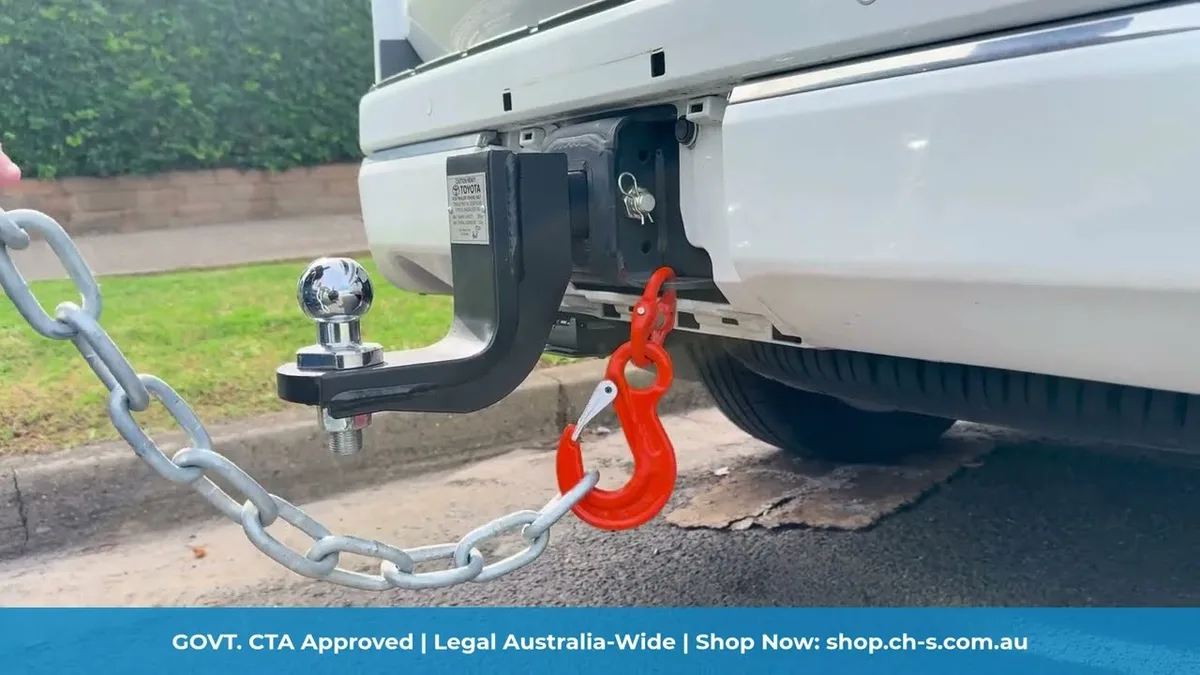
American Samoa's salt air and heavy rainfall accelerate rust faster than most mainland climates. A galvanized chain that lasts two years in Arizona may show significant corrosion in just twelve months here. This environment demands more aggressive material choices.
Climate Impact on Equipment
- Salt air: Dissolves protective coatings on standard steel chains
- High humidity: Promotes electrical connector corrosion
- Tropical rain: Washes away grease, exposes bare metal
- Rough roads: Increases mechanical stress on already-weakened chains
Stainless steel chains cost more upfront but resist corrosion for years. For lighting, sealed LED assemblies outlast incandescent bulbs in wet conditions.
Maintenance Schedule
Inspect chains and lights monthly in this climate. Clean connections with a wire brush and apply dielectric grease. Replace any chain showing surface rust or reduced flexibility.
Where to Find Compliant Parts & How to Verify Them
Local marine and automotive shops in Pago Pago typically stock DOT-approved chains and lights. Mainland suppliers offer wider selections but factor in shipping costs and delays. Online ordering works if you verify certifications before purchase.
Verification Checklist
- DOT approval stamp on lighting housings
- Working load limit clearly marked on chains
- Manufacturer documentation included
- Galvanized or stainless construction
Ask retailers for proof of compliance when buying locally. Reputable shops should provide this without hesitation.
Avoiding Counterfeit Parts
- Ignore listings claiming "DOT compliant" without certification numbers
- Reject chains missing grade or load markings
- Check for cracked or discolored light lenses
When to Get a Professional Inspection
Self-inspection catches most issues, but certain situations warrant professional eyes. Major repairs after a near-detachment or suspected frame damage need expert assessment. Annual inspections before peak towing season are wise.
Signs You Need Professional Help
- Visible cracks in the trailer A-frame
- Bent or twisted tongue components
- Electrical problems you can't trace
- Uncertainty about chain ratings
Local mechanics familiar with trailer systems can verify your setup meets territory standards. They also spot wear patterns that first-time inspectors miss.
Cost Expectations
Basic inspections range from $25 to $75. Detailed safety audits with parts replacement run higher. Budget for this before your first big tow, especially if importing equipment from the mainland.
FAQs About American Samoa Trailer Towing Compliance
Do I need the same chains as mainland U.S. states?
Yes, American Samoa adopts DOT standards, but prioritize corrosion-resistant materials for the tropical climate.
How often should I inspect my safety chains?
Monthly inspections are essential here. Check for rust, stretches, or hook damage before every trip.
What happens if my trailer lights fail on the road?
Pull over immediately and fix the issue before continuing. Driving with non-functioning lights is a citation offense.
Can I use braided safety cables instead of chains?
Only if they meet the same strength and attachment requirements as traditional safety chains.
Where can I find replacement DOT-approved parts locally?
Marine supply stores and automotive shops in Pago Pago carry compliant equipment. Mainland orders work for specialty items.
Are there penalties for non-compliant towing equipment?
Yes, citations apply and your trailer may be deemed unroadworthy until corrected.