ByMax Lee
American Samoa Abandoned Vehicle Removal Guide
Abandoned vehicles cluttering roads or private land in American Samoa aren’t just an eyesore, they can create safety hazards and legal headaches. The American Samoa abandoned vehicle removal process on public and private property follows specific territorial rules, and the steps you take depend entirely on where the vehicle sits.
Per the American Samoa Code Annotated, a vehicle left unattended for 48 hours on public property or 30 days on private land may qualify as abandoned. That distinction is critical, because the wrong move can leave you facing fines or lawsuits.
Quick Answer
The American Samoa abandoned vehicle removal process on public and private property splits into two paths. Public-road removals are handled by the American Samoa Police Department or Department of Public Works. Private-property removals require you to post notice and wait before towing.
Wrong steps can trigger legal liability. Always verify ownership through territorial records first.
Is It Abandoned? How American Samoa Defines the Problem
YouTube / RAZOR TWISTED EXPLORING এবং আরও 2টি (YouTube thumbnail (fair-use with source credit))
American Samoa treats a vehicle as abandoned based on time and location. On public roads or right-of-ways, 48 hours of inactivity can trigger removal. On private property, the threshold is typically 30 days unless local ordinances say otherwise.
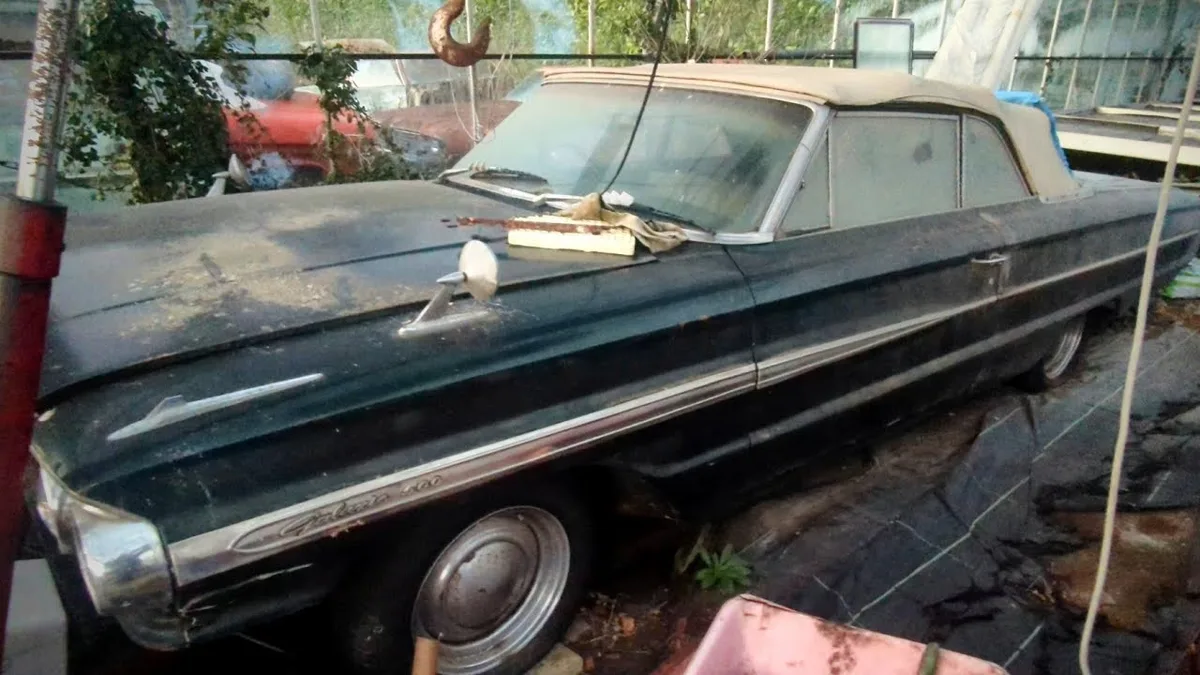
Signs of abandonment go beyond time. Flat tires, missing parts, expired registration, or overgrown vegetation around the vehicle strengthen the case. The territory also considers whether the vehicle is inoperable or lacks valid plates.
Note that these rules apply to cars, trucks, and motorcycles. Boats, trailers, and heavy equipment may fall under different regulations, so always confirm with the Department of Public Works for non-standard cases.
Quick Answer: Who Handles Removal on Public vs. Private Property
Public property removals are the responsibility of the American Samoa Police Department (ASPD) or the Department of Public Works. They have the authority to tow and impound vehicles blocking roads or creating hazards.
On private property, the owner or authorized agent must follow the legal process. This includes posting notices, waiting the required period, and coordinating with a licensed towing service. You can’t just tow a vehicle without following the steps, even if it’s on your land.
The Legal Backbone: American Samoa’s Abandoned Vehicle Statutes
The foundation for removal is the American Samoa Code Annotated (ASCA), specifically the sections covering abandoned and inoperable vehicles. These statutes outline the definitions, notice requirements, and procedures for both public and private property.
Key points include the timeframes for abandonment, the process for notifying owners, and the authority of territorial agencies. The law also addresses the disposition of unclaimed vehicles, whether through auction, destruction, or transfer to a new owner.
For the most current details, refer to the American Samoa Judiciary or consult the territorial code directly.
Step-by-Step Removal on Public Property (Roads & Right-of-Ways)
YouTube / SLAV's ADVENTURES (YouTube thumbnail (fair-use with source credit))
If you spot an abandoned vehicle on a public road, the first step is to report it to the ASPD or Department of Public Works. They’ll verify the vehicle’s status and determine if it meets the 48-hour abandonment threshold.
Once confirmed, the agency will post a notice on the vehicle, giving the owner a set period to claim it. If the vehicle remains unclaimed, it will be towed to an impound lot. The owner can still reclaim it by paying towing and storage fees, but only within the allowed timeframe.
Here’s a quick overview of the public removal process:
| Step | Action | Responsible Party |
|---|---|---|
| 1 | Report the vehicle | Citizen or agency |
| 2 | Verify abandonment status | ASPD or Department of Public Works |
| 3 | Post notice on vehicle | Agency |
| 4 | Wait for owner response | Agency |
| 5 | Tow to impound lot | Agency or contracted towing service |
| 6 | Process unclaimed vehicles | Agency |
Step-by-Step Removal on Private Property (Your Land or Business)
Private property removals require more effort from the landowner. Start by documenting the vehicle’s condition with photos and notes. This evidence is critical if the owner later disputes the removal.
Next, verify the vehicle’s ownership through territorial registration records. If the owner is identifiable, you must send a written notice by certified mail, giving them at least 15 days to remove the vehicle. If the owner is unknown or the vehicle lacks registration, you can post a notice on the vehicle itself.
After the notice period expires, you can arrange for a licensed towing service to remove the vehicle. Keep a detailed inventory of the vehicle’s contents and condition, as this protects you from liability claims. The towing service will take the vehicle to an impound lot, where it will be held for a set period before disposition.
Required Notices, Waiting Periods, and Documentation

YouTube / Jerry ai (YouTube thumbnail (fair-use with source credit))
Notices are the backbone of legal protection. On private property, you must post a visible notice on the vehicle and send a certified letter to the registered owner if their address is on file. The notice must include the vehicle description, location, and a deadline for removal.
The waiting period is typically 15 days from the notice date. If the owner doesn’t respond, you can proceed with towing. Document everything: photos of the notice, the certified mail receipt, and the vehicle’s condition.
For public property, the ASPD or Department of Public Works handles the notice. They’ll post it on the vehicle and may attempt to contact the owner. The waiting period is shorter, often just 48 to 72 hours.
What Happens After the Vehicle Is Towed?
YouTube / Highway Thru Hell (YouTube thumbnail (fair-use with source credit))
Once towed, the vehicle goes to an impound lot. The owner has a set period to reclaim it, usually 30 days, by paying towing and storage fees. If unclaimed, the territory may auction the vehicle or dispose of it.
Impound lots in American Samoa charge daily storage fees. These can add up quickly, so owners should act fast. The towing company or agency will provide a receipt and inventory list when the vehicle is released.
If the vehicle is in poor condition, the territory may deem it unfit for the road. In that case, it could be sold for parts or scrapped.
Costs, Fees, and Who Pays for What
Towing fees vary by company but typically range from $150 to $300 in American Samoa. Storage fees are usually $20 to $50 per day. The owner is responsible for these costs if they reclaim the vehicle.
If the vehicle is unclaimed, the towing company may recover fees from the auction proceeds. Any remaining funds go to the territory. Property owners are not responsible for these costs if they followed the legal process.
Here’s a breakdown of typical fees:
| Fee Type | Estimated Cost | Who Pays |
|---|---|---|
| Towing | $150–$300 | Vehicle owner |
| Daily storage | $20–$50 | Vehicle owner |
| Administrative | Varies | Territory or towing company |
| Auction | Varies | Buyer |
Common Mistakes That Lead to Legal Trouble
Skipping the notice period is the most common mistake. Without proper notice, you risk a wrongful tow lawsuit. Always document every step, including photos and mail receipts.
Another error is towing a vehicle that isn’t truly abandoned. If the owner can prove they were using it, you could be liable for damages. Verify the vehicle’s status before taking action.
Finally, ignoring territorial laws can cost you. American Samoa’s rules differ from those in the U.S. mainland. Always confirm the current statutes with the Department of Public Works.
How to Find the Registered Owner (And What If You Can’t?)
YouTube / County Portal (YouTube thumbnail (fair-use with source credit))
Start with the vehicle’s license plate or VIN. The American Samoa Motor Vehicle Registration office can provide owner details if you’re authorized to request them. Property owners typically qualify.
If the vehicle has no plates or the registration is expired, check the VIN. It’s usually visible through the windshield or on the driver’s side door jamb. Run it through territorial records to find the last known owner.
If the owner can’t be located, post a notice on the vehicle and in a local newspaper. This satisfies the legal requirement to notify the public. After the waiting period, you can proceed with removal.
Special Cases: Derelict Boats, Heavy Equipment, and Unregistered Vehicles
Boats, trailers, and heavy equipment often fall outside the standard vehicle abandonment process. The Territory of American Samoa may treat these as derelict rather than abandoned, which can change the procedures. For boats left on public land or in waterways, contact the Department of Public Works or the U.S.
Coast Guard Auxiliary for guidance.
Heavy equipment like construction machinery or agricultural tractors may require a different towing service. Standard car tow trucks often can’t handle heavy loads. You’ll need a heavy-duty wrecker and a service familiar with moving large, non-road vehicles.
Unregistered vehicles with no plates or VIN are trickier. If the owner can’t be found after a reasonable search, you can still follow the notice process. Post a notice on the equipment and, if possible, in a local newspaper.
After the waiting period, you may proceed with removal, but document every step.
When You Need a Court Order (And How to Get One)

YouTube / mp4stuff (YouTube thumbnail (fair-use with source credit))
A court order is usually required when the vehicle is on private property and the owner disputes the abandonment. If the owner files a claim or you suspect foul play, the territorial judiciary may need to weigh in.
To get a court order, you’ll file a petition with the American Samoa High Court. You’ll need proof that you followed the notice and waiting-period requirements. The court will review the evidence and decide whether removal is justified.
This process takes longer and costs more than a standard tow. It’s only necessary when you can’t reach the owner or when they challenge the removal. If the vehicle is on public property, the ASPD can usually proceed without a court order.
Local Towing Companies & Impound Lots in American Samoa
Finding a reputable towing service is critical. Stick with companies licensed by the Territory of American Samoa and familiar with local codes. Ask for their fee schedule upfront, including towing, storage, and administrative charges.
Impound lots are typically located on Tutuila. If you have vehicles on the outer islands, the ASPD or Department of Public Works can arrange transport to the main impound facility. Storage fees are daily, so unclaimed vehicles add up quickly.
When choosing a tow company, check references and read reviews. A reliable service will provide detailed paperwork and keep your vehicle secure. Avoid companies that pressure you to skip the legal steps or charge vague handling fees.
FAQs About Abandoned Vehicles in the Territory
Can I tow a vehicle from my private property without notifying the owner?
No. You must post a notice on the vehicle and send a certified letter to the registered owner if their address is known. Skipping notice steps can lead to wrongful-tow lawsuits.
How long does the ASPD take to remove a vehicle from a public road?
Typically within 48 to 72 hours after the vehicle is reported and verified as abandoned. The ASPD posts a notice on the vehicle and waits for the owner to claim it before towing.
Who pays for towing if the vehicle is unclaimed?
The towing and storage fees become the responsibility of the territory. If the vehicle is sold at auction, the proceeds cover the costs. Property owners don’t pay if they followed the legal process.
What if the vehicle has no registration or VIN?
You can still follow the notice process. Post a clear notice on the vehicle and, if possible, publish it in a local newspaper. Document the vehicle’s location and condition with photos.
Final Decision Guide: What to Do Next Based on Your Situation
| Your Situation | Recommended Action |
|---|---|
| Abandoned vehicle on a public road | Report to ASPD or Department of Public Works immediately. |
| Abandoned vehicle on your private land | Verify ownership, post notice, wait 15 days, then tow. |
| Unregistered vehicle with no known owner | Post notice and publish in local newspaper, then tow after waiting period. |
| Derelict boat or heavy equipment | Contact Department of Public Works or a heavy-duty tow company. |
| Owner disputes the abandonment | Consider filing a petition for a court order before proceeding. |
If you’re unsure about any step, consult the American Samoa Police Department or a local attorney. Proper documentation and following territorial law protect you from liability and keep your community safe.