ByMax Lee
Montana Winter Driving & Studded Tire Rules
Montana winter driving requirements and studded tire regulations can be confusing, especially when you're trying to stay legal and safe on icy roads. The rules aren’t just suggestions, they’re enforced by the Montana Department of Transportation (MDT), and getting them wrong can mean fines or worse, a dangerous situation on a mountain pass.
As of 2026, studded tires are legal in Montana from October 1 through April 30, but that’s just the start. You’ll also need to know when chains are mandatory, how to check tread depth, and which routes trigger the strictest requirements.
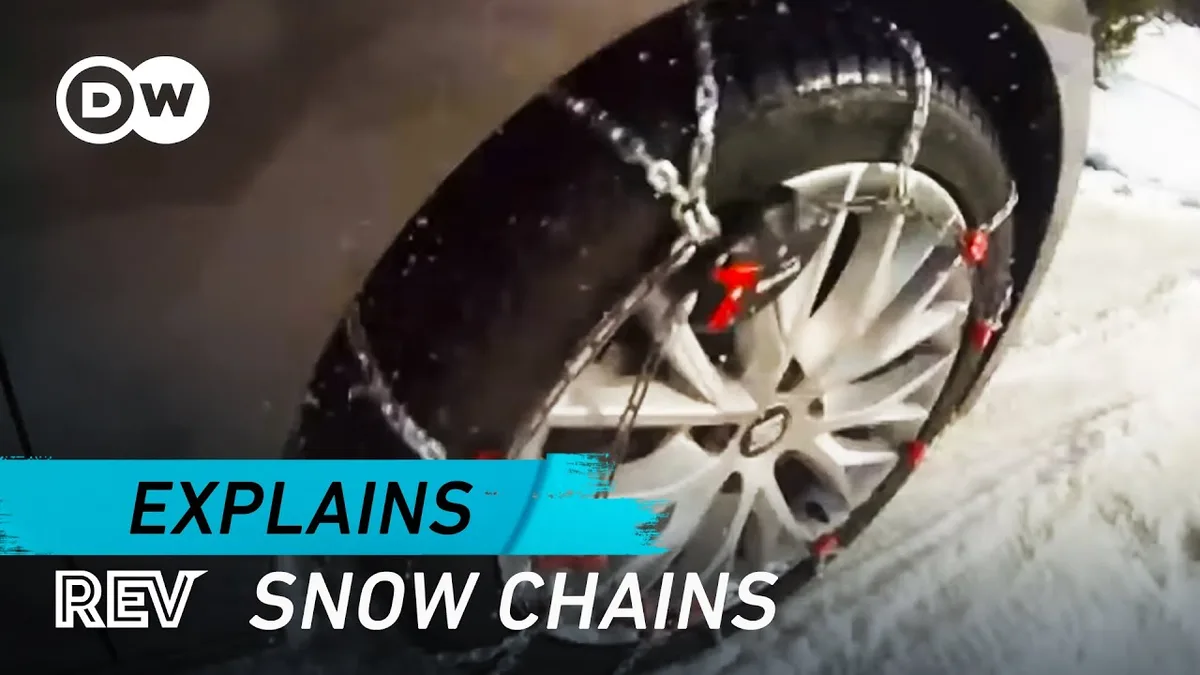
YouTube / DW REV, Mobility & Innovation (YouTube thumbnail (fair-use with source credit))
Quick Answer: Montana Studded Tire & Winter Driving Rules at a Glance
Studded tires are legal in Montana from October 1 to April 30. Outside this window, they’re prohibited.
Chains may be required on specific highways during winter storms. MDT declares these chain laws by route.
Minimum tread depth for winter tires is 2/32 inch. Anything less risks poor traction.
Always check MDT’s travel conditions before driving in winter weather.
Why Getting Montana Winter Driving Rules Right Matters
Winter driving in Montana isn’t just about comfort, it’s about survival. The state’s mountain passes, sudden storms, and remote stretches of highway demand proper equipment.
The legal stakes are real. Fines for illegal studded tires or missing chains can run over $100. More importantly, improper tires or traction devices can fail when you need them most.
Core Rules: Studded Tire Regulations Across Montana
The October 1 to April 30 Legal Window Explained
Montana allows studded tires from October 1 through April 30 each year. This window aligns with the state’s harshest winter months.
Outside these dates, studded tires are illegal on public roads. Enforcement is strict, and exceptions are rare.

YouTube / Nokian Tyres (YouTube thumbnail (fair-use with source credit))
Stud height is also regulated. Montana law typically limits stud protrusion to 1.6 mm to 2.0 mm.
What Counts as a Studded Tire Under Montana Law
A studded tire is any tire with metal studs embedded in the tread. These studs improve traction on ice but can wear down pavement over time.
Non-studded winter tires use specialized rubber compounds and tread patterns for cold-weather grip. These are legal year-round.
Stud Height Limits and What Enforcement Looks For
Enforcement officers check for visible studs and measure protrusion if necessary. Tires with worn-down studs may still be legal, but those with excessive stud height are not.
County-Level Enforcement Differences You Should Know
While state law sets the studded tire window, local enforcement can vary. Some counties are stricter, especially in areas with heavy winter traffic or steep mountain roads.
Always assume the state-wide dates apply unless local signage says otherwise.
What Happens If You're Caught With Illegal Studded Tires
Driving with studded tires outside the legal window can result in a citation. Fines typically start around $100 but can increase for repeat offenses.
Winter Tire Requirements: Beyond Studded Tires
The Difference Between Studded, Non-Studded, and All-Season Tires
Studded tires use metal studs for ice traction. Non-studded winter tires rely on soft rubber and deep treads for snow grip. All-season tires are a compromise, they work in mild conditions but struggle in deep cold or heavy snow.
For Montana winters, all-season tires are often insufficient.
Minimum Tread Depth Standards in Montana
Montana requires a minimum tread depth of 2/32 inch for legal operation. However, for winter driving, 3/32 inch or deeper is strongly recommended.
You can check tread depth with a simple gauge or the penny test. Insert a penny into the tread with Lincoln’s head upside down. If you can see the top of his head, your tread is too low.
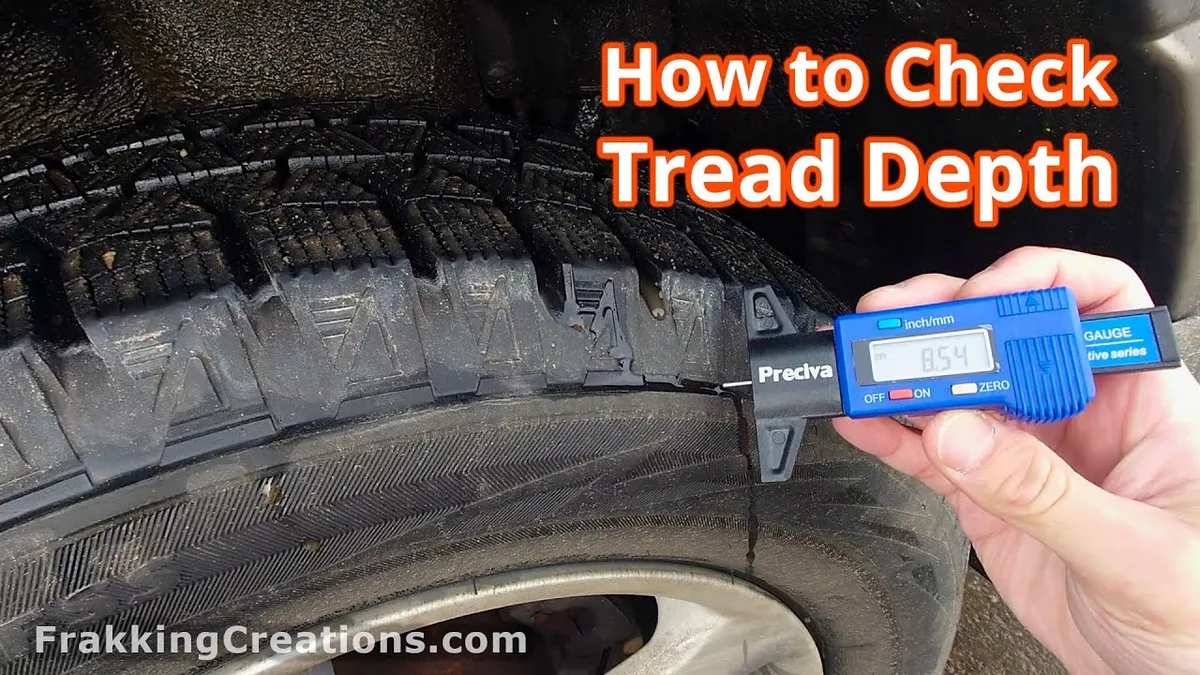
YouTube / Frakking Creations (YouTube thumbnail (fair-use with source credit))
Why All-Season Tires Fall Short on Montana Passes
All-season tires harden in freezing temperatures, reducing grip. Their tread patterns aren’t designed for deep snow or ice.
Winter tires stay flexible in the cold. Their deeper treads and specialized designs channel snow and slush away from the contact patch.
When Non-Studded Winter Tires Are Enough (and When They're Not)
Non-studded winter tires are sufficient for most urban driving in Montana. They’re also legal year-round.
However, on icy mountain passes or during severe storms, studded tires or chains may be necessary.
Chain Requirements and MDT Travel Conditions
How MDT Declares Chain Laws by Highway
The Montana Department of Transportation (MDT) activates chain laws when conditions warrant. These declarations are route-specific and can change rapidly.
You’ll see signs like “RSC-1” or “RSC-2” when chains are required. RSC-1 means chains are advised. RSC-2 means chains are mandatory for all vehicles, including those with four-wheel drive.
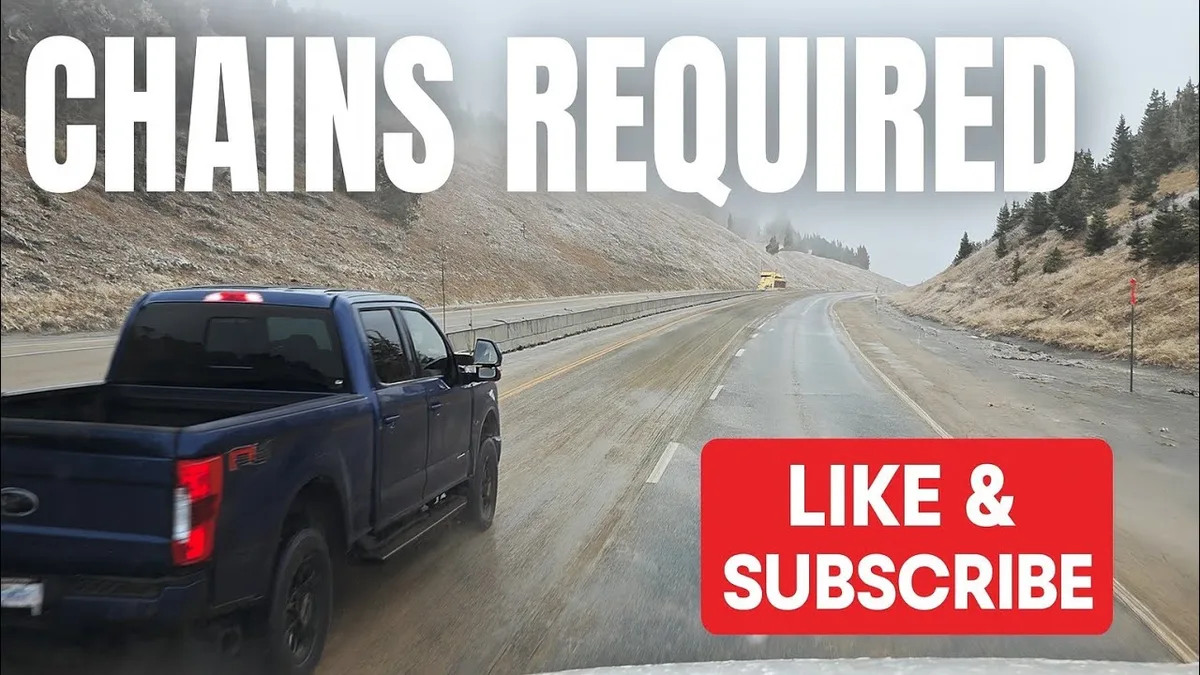
YouTube / The Northern Long-Haul Real Trucking Canada & USA (YouTube thumbnail (fair-use with source credit))
I-90, I-15, and US-12: Which Routes Trigger Chains Most Often
Montana’s interstates and major highways are the most likely to see chain laws. I-90, I-15, and US-12 are particularly prone due to their mountain passes and heavy traffic.
I-90 over Lookout Pass and Homestake Pass is a frequent hotspot. I-15 through Rogers Pass and Marias Pass also sees regular chain requirements.
YouTube / Benjamin Beaty (YouTube thumbnail (fair-use with source credit))
What "RSC-1" vs. "RSC-2" Chain Laws Actually Mean
RSC-1 is a chain advisory. It’s a warning that conditions are deteriorating and chains may soon be required.
RSC-2 is a chain requirement. All vehicles must have chains installed on their drive wheels.
How to Check MDT Road Conditions Before You Drive
MDT provides real-time road condition updates on their travel information website. You can also call 511 for the latest updates.
Before any winter trip, check these resources. Conditions can change within hours.
What to Do If You're Stopped at a Chain Checkpoint
If you encounter a chain checkpoint, comply with the requirements immediately. Officers will direct you to a safe area to install your chains if needed.
Refusing to install chains when required can result in a fine.
Practical Winter Driving Preparation Checklist
Tire Selection and Installation Timeline
Install winter tires before the first snowfall. In Montana, that means late September or early October for most areas.
If you use studded tires, wait until October 1 to mount them. Removing them by May 1 keeps you compliant.
Chain Selection, Fitment, and Stowage
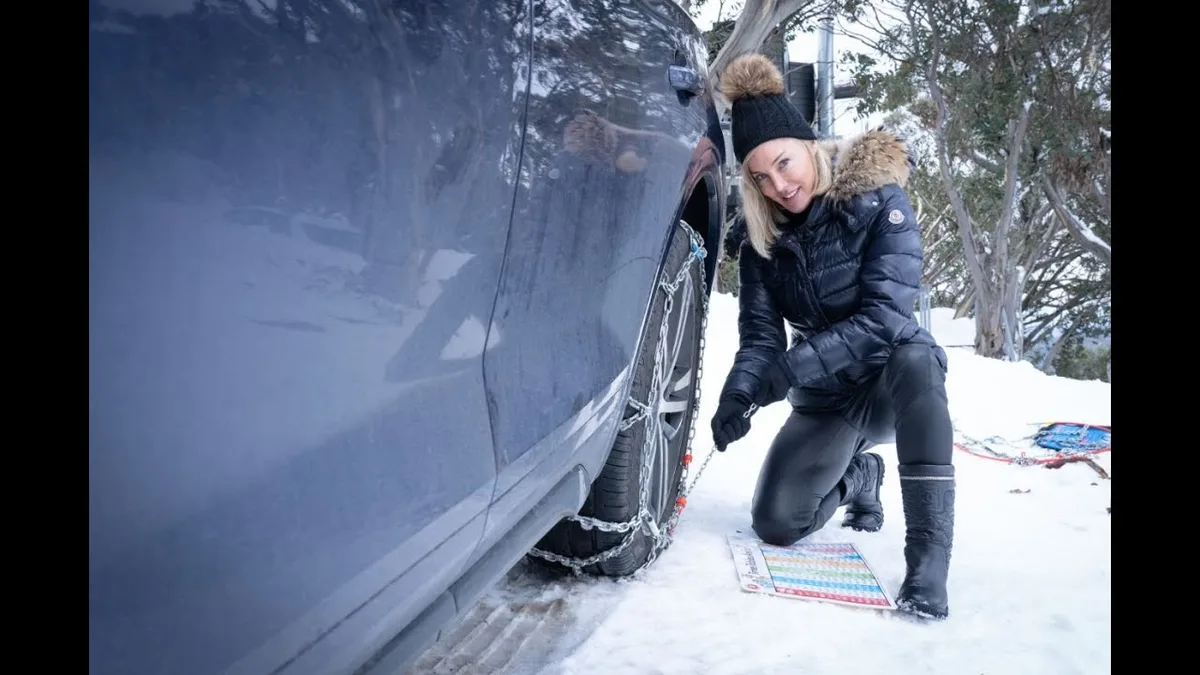
Choose chains that match your tire size exactly. Check your vehicle’s manual or the tire sidewall for dimensions.
Practice installing chains at home before you need them.
YouTube / Mt Buller (YouTube thumbnail (fair-use with source credit))
Store chains in a waterproof bag in your trunk. Keep gloves and a flashlight nearby.
Emergency Kit Essentials for Montana Winters
Your winter kit should include a shovel, ice scraper, and sand or cat litter for traction. Add blankets, water, and non-perishable snacks.
A portable jump starter and tow straps can be lifesavers.
Cold Weather Tire Pressure Management
Tire pressure drops about 1 PSI for every 10°F temperature decrease. Check and adjust pressure when temperatures plummet.
Underinflated tires reduce fuel efficiency and traction.
Pre-Trip Checks Before Hitting Mountain Passes
Verify your tires, chains, and emergency kit are ready. Top off windshield fluid with a winter-grade solution.
Check MDT’s road conditions one last time.
Common Mistakes Montana Drivers and Visitors Make
Assuming Studded Tires Are Legal Year-Round
Many drivers think studded tires are fine as long as there’s snow. Montana law disagrees. The October 1 to April 30 window is absolute.
Buying Chains That Don't Fit Your Vehicle
Chains must match your tire size precisely. Buying the wrong size means they won’t fit when you need them most.
Ignoring MDT Alerts Until It's Too Late
MDT’s chain laws can change rapidly. Waiting until you’re on the road to check is a gamble.
Overestimating Four-Wheel Drive Without Proper Tires
Four-wheel drive helps with acceleration but doesn’t improve braking or cornering. Without winter tires or chains, you’re still at risk.
Failing to Practice Chain Installation Before an Emergency
Installing chains in a blizzard is stressful and dangerous. Practicing at home ensures you can do it quickly when it counts.
Safety Practices for Montana Winter Roads
Driving Techniques for Black Ice and Packed Snow
Black ice is nearly invisible. Slow down and avoid sudden movements if you suspect it’s present.
On packed snow, maintain a steady speed and avoid sharp turns.
Speed Management on Downhill Grades with Chains
Chains reduce your maximum safe speed. Most manufacturers recommend staying under 30 mph with chains installed.
On downhill grades, use engine braking to control speed.
What to Do If You Lose Traction on I-90 or I-15
If your wheels start spinning, ease off the accelerator. Steer gently in the direction you want to go.
Emergency Protocols If You Get Stuck in a Snowstorm
Stay with your vehicle if you’re stranded. Run the engine sparingly to stay warm, but ensure your exhaust pipe is clear of snow.
When to Turn Back Instead of Pushing Forward
If conditions worsen and you’re unsure, turn around. MDT and local law enforcement often close roads for a reason.
Special Considerations for Different Drivers
Out-of-State and Tourist Drivers: What You Need to Know
Montana’s winter driving laws apply to everyone, including visitors. If you’re renting a vehicle, confirm it has appropriate winter tires or chains.
Commercial Truck Drivers and Montana Tire Regulations
Commercial vehicles face stricter chain laws. MDT often requires chains on all drive axles for trucks during winter storms.
Rural Residents vs. Urban Drivers: Different Realities
Urban drivers in Billings or Missoula may encounter plowed roads. Rural drivers often face unplowed roads and harsher conditions.
Drivers Heading to Glacier National Park and Remote Areas
Glacier National Park’s Going-to-the-Sun Road has its own winter rules. Remote areas like the Bob Marshall Wilderness have limited services.
Expert Tips from Montana Winter Driving Experience
The Best Time to Buy and Rotate Winter Tires in Montana
Late summer is ideal for purchasing winter tires. Rotate winter tires every 5,000 to 6,000 miles to ensure even wear.
How to Test Your Chains at Home Before a Storm Hits
Lay your chains out on a flat surface and check for twists or damage. Practice installing them on your vehicle in the driveway.
Reading Montana Snow Forecasts Like a Local
Pay attention to elevation in forecasts. Watch for "winter weather advisories" and "blizzard warnings."
Building a Realistic Winter Driving Plan for Your Route
Check MDT's road conditions the night before your trip. Always have a backup plan.
Frequently Asked Questions About Montana Winter Driving
Are studded tires legal in Montana year-round?
No. Studded tires are only legal from October 1 through April 30 in Montana.
What is the studded tire legal period in Montana?
The legal period is October 1 to April 30.
Do I need chains if I have winter tires?
Not always. Winter tires are often sufficient for urban driving. However, chains may still be required during severe storms or on mountain passes.
Are non-studded winter tires legal in Montana?
Yes. Non-studded winter tires are legal year-round.
What fines exist for winter tire violations in Montana?
Fines for illegal studded tires or missing chains typically start around $100.
Do I need different chains for two-wheel drive vs. four-wheel drive?
No. Chains are sized by tire dimensions, not drivetrain. However, 4WD vehicles may need chains on all four wheels in some chain law scenarios.
Can I use snow socks instead of chains in Montana?
Check MDT’s current requirements. Snow socks may be acceptable in some RSC-1 situations but are often not sufficient for RSC-2 chain laws.
What happens if MDT puts me in chains and I refuse?
Refusing to install chains when required can result in a fine. You may also be turned away from the road.
Are there county-specific studded tire rules in Montana?
State law sets the studded tire window, but local enforcement can vary.
Do I need to carry chains even if I have four-wheel drive?
Yes. Chain laws apply to all vehicles, including those with 4WD.