ByMax Lee
Montana Commercial Vehicle Registration & Weight Limits
YouTube / Future Travel Drone (YouTube thumbnail (fair-use with source credit))
Montana commercial vehicle registration and weight restrictions can trip up even experienced operators. The rules change based on vehicle type, weight, and whether you’re hauling intrastate or interstate. Get it wrong, and you’re looking at fines, delays, or even impoundment.
As of 2026, Montana enforces an 80,000 lb gross vehicle weight limit, with single axles capped at 20,000 lbs and tandem axles at 34,000 lbs. These numbers are just the start, seasonal restrictions and permit requirements add another layer.
Quick Answer
Montana commercial vehicle registration and weight restrictions apply to any vehicle used for business. Standard limits are 20,000 lbs per single axle. Tandem axles max out at 34,000 lbs.
Gross vehicle weight cannot exceed 80,000 lbs. Seasonal thaw laws may reduce these further.
Do You Need Commercial Registration in Montana?
You do if the vehicle is used for business, hauls goods for hire, or exceeds certain weight thresholds. This includes everything from delivery vans to semi-trucks. Even some large RVs may qualify if used commercially.
The Montana Motor Vehicle Division (MVD) classifies vehicles based on gross vehicle weight rating (GVWR). If your vehicle’s GVWR is over 10,000 lbs, it’s almost certainly commercial. Smaller vehicles can still require commercial registration if used for business purposes.
Montana Commercial Vehicle Registration: Who It Applies To

YouTube / Steve Ludwig (YouTube thumbnail (fair-use with source credit))
Commercial registration applies to trucks, trailers, and vehicles used in business operations. This includes:
- Trucking companies and owner-operators
- Agricultural haulers (with some exemptions)
- Logging trucks
- Construction vehicles (dump trucks, cement mixers)
- Delivery fleets
If you’re hauling your own goods for personal use, you might not need commercial registration. But if you’re transporting goods for hire or operating a business, you almost certainly do.
The Montana MVD provides the official forms and guidelines.
Weight Classes and Limits in Montana
YouTube / Avery Excavating (YouTube thumbnail (fair-use with source credit))
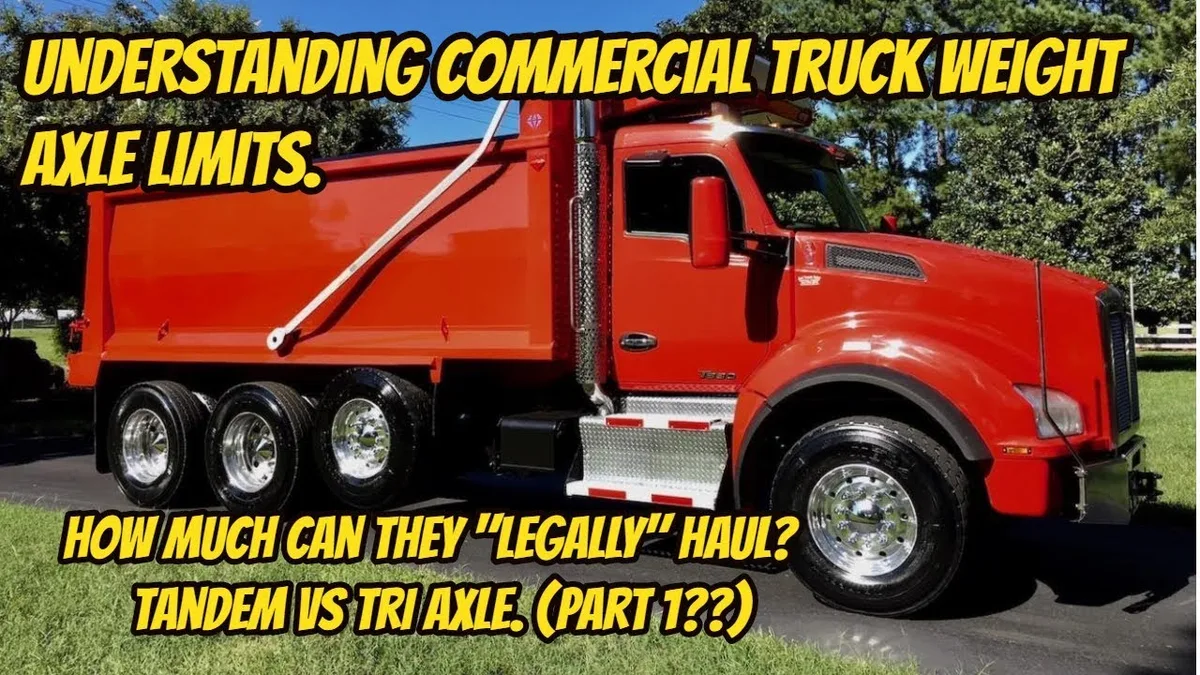
Montana follows federal weight standards but adds state-specific rules.
| Weight Type | Limit |
|---|---|
| Single Axle | 20,000 lbs |
| Tandem Axle | 34,000 lbs |
| Gross Vehicle Weight | 80,000 lbs |
These limits apply to standard conditions. During spring thaw, Montana often imposes seasonal restrictions. These typically run from March to May and can reduce weight limits by about 10%.
Axle spacing matters too. For example, tandem axles must be at least 8 feet apart to qualify for the 34,000 lb limit.
Step-by-Step: Registering a Commercial Vehicle in Montana
Start by gathering the required documents:
- Proof of ownership (title or manufacturer’s certificate)
- Proof of insurance
- Vehicle identification number (VIN)
- Weight certificate (if applicable)
- Completed Form MV1 (Application for Title/Registration)
Next, determine your registration type. Montana offers:
- Non-apportioned registration: For vehicles operating only in Montana
- Apportioned registration (IRP): For interstate carriers
Fees vary by weight and type. A standard commercial truck under 10,000 lbs might pay around $40. Heavier vehicles can cost several hundred dollars or more.
You can register in person at a county treasurer’s office, by mail, or online through the MVD’s portal.
Permits for Oversize or Overweight Vehicles
YouTube / CAP Logistics (YouTube thumbnail (fair-use with source credit))
Sometimes your load exceeds Montana's standard weight limits. That's when you need an oversize or overweight permit.
You'll need a permit if your vehicle exceeds:
- Single axle over 20,000 lbs
- Tandem axle over 34,000 lbs
- Overall width over 8 feet 6 inches
- Overall height over 14 feet
- Overall length over 75 feet for a single vehicle
The Montana Department of Transportation (MDT) issues these permits. You can apply online through their permit portal or at a district office.
Permit pricing depends on weight, distance, and permit type. A standard overweight permit might cost around $50 to $100. Oversize permits with escort vehicles run higher.
Certain loads require pilot cars or escort vehicles. This typically applies to loads over 12 feet wide, over 140 feet long, or those that restrict driver visibility.
Intrastate vs. Interstate: Key Differences
YouTube / Dispatch Training Center Official Trucking Channel (YouTube thumbnail (fair-use with source credit))
Where you operate changes everything. A truck driving only within Montana follows different rules than one crossing state lines.
If you operate solely in Montana, you need non-apportioned registration. You pay Montana fees for your entire vehicle weight.
Interstate carriers need apportioned registration through the International Registration Plan (IRP). This lets you register in one base jurisdiction. You then pay fees to other member states based on miles traveled.
The International Fuel Tax Agreement (IFTA) handles fuel taxes for interstate carriers. You file quarterly reports showing miles traveled and fuel purchased in each state.
Which Option Suits You?
- Intrastate only: Non-apportioned registration, Montana fuel taxes
- Interstate operations: IRP registration plus IFTA fuel tax reporting
- Mixed operations: IRP registration with special apportionment for Montana-only miles
CDL and DOT Requirements
Not every commercial vehicle needs a Commercial Driver's License (CDL). Montana follows federal CDL rules.
You need a CDL if your vehicle:
- Weighs 26,001 lbs or more
- Is designed to carry 16 or more passengers
- Transports hazardous materials requiring placards
Vehicles under 26,001 lbs don’t require a CDL. You just need a regular Montana driver’s license. But you still need commercial registration if the vehicle is used for business.
The Federal Motor Carrier Safety Administration (FMCSA) requires a USDOT number for interstate carriers. You apply for a USDOT number through the FMCSA's registration portal.
Montana offers three CDL classes:
- Class A: Combination vehicles over 26,001 lbs GVWR
- Class B: Single vehicles over 26,001 lbs GVWR
- Class C: Vehicles under 26,001 lbs carrying hazardous materials or 16+ passengers
Common Mistakes and How to Avoid Them
Even experienced operators make registration and weight mistakes.
Overlooking spring weight restrictions is a common error. Montana enforces seasonal weight limits during spring thaw. These typically run from March through May.
Weight limits drop about 10% during this period.
Mixing up axle weight and GVW is another frequent issue. You can be under 80,000 lbs total but still overload a single axle. That’s a violation.
Operating with expired registration is a simple but costly mistake. Registration expires annually. Missing the renewal date means operating an unregistered vehicle.
Forgetting permit requirements is another common oversight. Some loads need permits even if they’re only slightly over standard limits.
Enforcement and Penalties
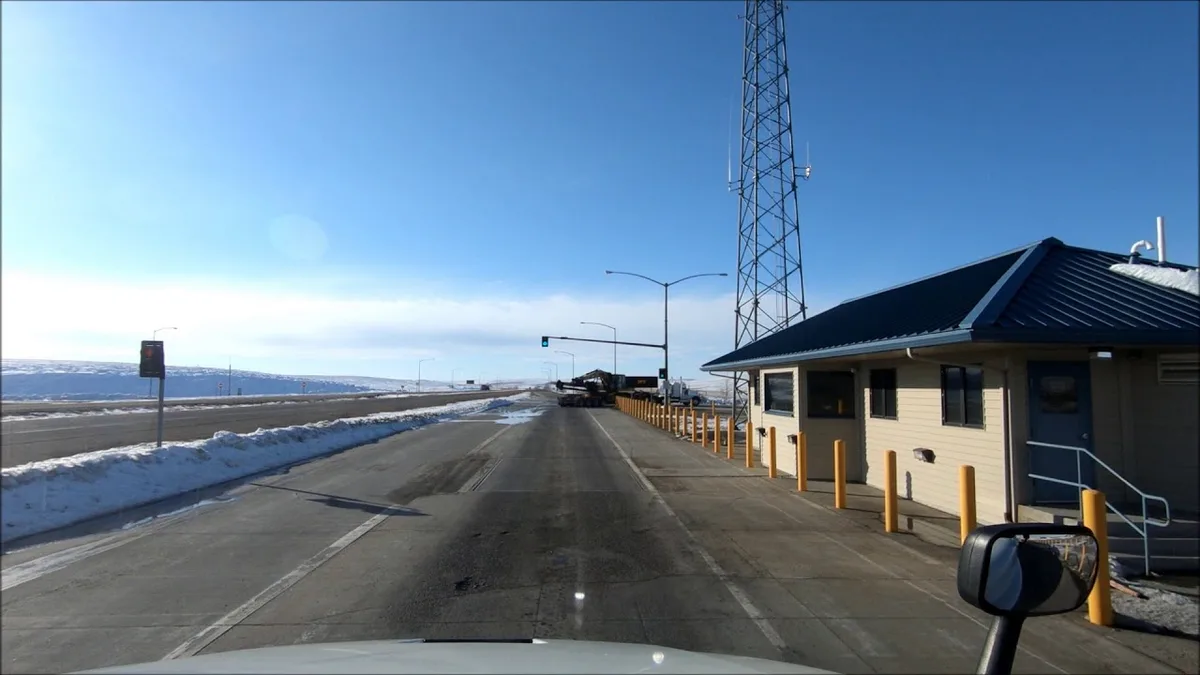
Montana takes vehicle weight seriously. The Montana Highway Patrol operates portable scale units across the state.
Fines for overweight violations start at $0.10 per pound over the limit. Minimum fines apply even for small overages. Repeat offenders face steeper penalties.
During a stop, officers will ask for your registration, insurance, and permits. Have these documents ready. Keep them in the cab, not locked in a trailer.
Scale bypass penalties are severe. Montana prohibits bypassing weigh stations. Fines can reach $1,000 or more.
Exemptions: Farm, Logging, and Special Cases
YouTube / Kate's Ag (YouTube thumbnail (fair-use with source credit))
Montana offers exemptions for certain industries.
Farm vehicles hauling agricultural products may qualify for weight exemptions. These typically apply to vehicles owned by the farmer, hauling only the owner’s products, and operating within a limited radius.
Logging trucks get special weight allowances during active harvest seasons. You’ll need a logging permit from MDT. The permit specifies allowed routes and weight limits.
Military vehicles, emergency response vehicles, and public transit buses may have separate registration rules. Contact the Montana MVD for specific guidance.
Montana vs. Neighboring States: What Changes?
Hauling across state lines means dealing with different rules. Montana’s limits align with federal standards. But neighboring states vary slightly.
Most neighboring states follow the same federal weight limits. Differences show up in permit processes and seasonal restrictions. Always check the specific state’s rules before crossing their border.
Bridge formulas vary slightly between states. Montana enforces the federal bridge formula. If you operate in multiple states, verify each one’s formula.
Permits don’t transfer between states. A Montana oversize permit doesn’t work in Idaho or Wyoming. You need separate permits for each state.
Frequently Asked Questions
How much does commercial registration cost in Montana?
Registration fees depend on vehicle weight. A light commercial truck under 10,000 lbs pays around $40 annually. Heavier vehicles cost more.
Apportioned registration fees vary by state mileage.
Do I need a CDL for a 26,000 lb truck?
No. Montana requires a CDL for vehicles over 26,001 lbs GVWR. A 26,000 lb truck needs only a regular driver’s license.
Commercial registration still applies if used for business.
What happens if I’m caught overweight?
You face fines starting at $0.10 per pound over the limit. Repeat violations cost more. Officers can impound the vehicle until weight is corrected.
Can I register my truck in Montana if I live elsewhere?
Yes. Montana allows out-of-state residents to register vehicles. You’ll need a Montana mailing address or agent for registration.
When do spring weight restrictions start in Montana?
MDT typically announces thaw restrictions in March. They last until road conditions improve, usually through May. Check the MDT website for current dates.
Do I need permits for loads just 1 inch over the width limit?
Yes. Montana enforces an 8-foot 6-inch width limit. Even small overwidth loads require a permit.
Quick Decision Guide: What Do You Need to Do Next?
Use this checklist to determine your next steps:
Operating only in Montana?
- Get non-apportioned commercial registration
- Pay Montana fuel taxes directly
- Apply for a Montana DOT number if required
Hauling across state lines?
- Apply for IRP apportioned registration
- Get IFTA fuel tax licensing
- Obtain a USDOT number from FMCSA
Hauling oversized or overweight loads?
- Apply for oversize/overweight permits through MDT
- Arrange escort vehicles if required
- Plan routes that accommodate your load dimensions
Operating a farm or logging truck?
- Apply for specialty farm or logging permits
- Verify exemption eligibility with MVD
- Keep exemption documentation in the vehicle
Need a CDL?
- Schedule a CDL skills test at a Montana testing center
- Obtain required endorsements for your cargo type
- Pass the medical certification exam