ByMax Lee
Montana License Plate Colors & Special Designs
Montana vehicle registration plate colors and special designations tell you a lot about the vehicle at a glance. A white plate with blue lettering means standard registration. A green plate signals an electric or hybrid.
Yellow and black? That's an antique or classic car with limited use.
The Montana Motor Vehicle Division issues these plates through county clerks across the state. Per Montana Code Annotated Title 61, each plate type serves a specific legal purpose. Understanding which color and designation applies to your vehicle keeps you compliant and helps you avoid costly mistakes.
Quick Answer
Montana vehicle registration plate colors and special designations identify vehicle type and eligibility. Standard plates are white with blue text. Military plates show branch emblems.
Disabled plates display the international symbol. Tribal plates feature nation-specific seals. Green plates indicate electric or hybrid vehicles.
Yellow plates designate antique or classic cars registered for occasional use only.
What Montana's License Plate Colors and Designs Actually Mean
Montana uses plate colors and designs to signal what kind of vehicle you're driving and how you're allowed to use it. The Motor Vehicle Division built this system to help law enforcement and the public identify vehicles at a glance.
Here's the straightforward breakdown:
- White background with blue text: Standard passenger vehicle registration
- Green background: Electric or plug-in hybrid vehicles
- Yellow and black: Antique, classic, or historic vehicles for occasional use
- Blue background with white text: Disabled person or disabled veteran plates
- Special emblems or seals: Military, tribal nation, or veteran designations
- Custom backgrounds: Specialty plates supporting causes, organizations, or professions
Each color and design comes with legal requirements. You can't put a standard white plate on a vehicle registered as antique. The plate must match the vehicle's registration class.
Standard Montana Plates: The Default Look
YouTube / The Drive (YouTube thumbnail (fair-use with source credit))
Standard Montana plates are the most common type you'll see on the road. They feature a white background with blue lettering and the iconic "Big Sky Country" slogan across the top. The design includes a simplified Montana landscape with mountains and a river.
Standard plates are issued for regular passenger vehicles, trucks, and SUVs that don't qualify for any specialty designation. They're valid for one year from the date of issuance and require an annual validation sticker.
Key details about standard plates:
- Dimensions: 12 inches by 6 inches
- Material: Aluminum with reflective coating
- Expiration: Last day of the registration month
- Sticker placement: Upper right corner
- Replacement cost: Approximately $8.50
Montana requires two plates for most vehicles. One mounts on the front and one on the rear. Some states only require rear plates, but Montana's two-plate policy helps law enforcement identify vehicles from multiple angles.
Specialty Plates: Who Qualifies and How to Get Them
YouTube / KTVQ News (YouTube thumbnail (fair-use with source credit))
Montana offers a range of specialty plates beyond the standard white design. Each serves a specific purpose and has its own eligibility requirements. You'll pay extra for these plates, but many residents find the cost worthwhile for the recognition they provide.
Military and Veteran Plates
Montana honors service members and veterans with plates that display their branch of service. These plates are available to active duty military, honorably discharged veterans, and National Guard/Reserve members.
Each branch has its own plate design. The Army, Navy, Air Force, Marine Corps, Coast Guard, and Space Force all have designated plates.
How to apply:
- Provide DD-214 or military discharge paperwork
- Submit a completed specialty plate application
- Pay the additional specialty plate fee
Disabled and Disabled Veteran Plates
Disabled plates make parking easier for Montana residents with mobility challenges. These plates display the international symbol of accessibility.
Benefits:
- Free parking in handicap spaces statewide
- Waived registration fees in many cases
- Ability to use temporary disability placards
Eligibility requirements:
- Medical certification from a licensed healthcare provider
- Documentation of permanent or long-term disability
- For veterans, proof of service-connected disability rating
Tribal Nation Plates

YouTube / VeteransNavigationNetwork (YouTube thumbnail (fair-use with source credit))
Montana is home to six federally recognized tribal nations. The state has agreements with these nations to issue special tribal plates to eligible members.
Tribal plates are available to enrolled members of:
- Blackfeet Tribe
- Confederated Salish and Kootenai Tribes
- Cree Nation
- Crow Tribe
- Flathead Indian Community
- Northern Cheyenne Tribe
Eligibility typically requires proof of enrollment and residency on or near reservation lands.
Electric and Hybrid Vehicle Plates
YouTube / Matt Goes Electric (YouTube thumbnail (fair-use with source credit))
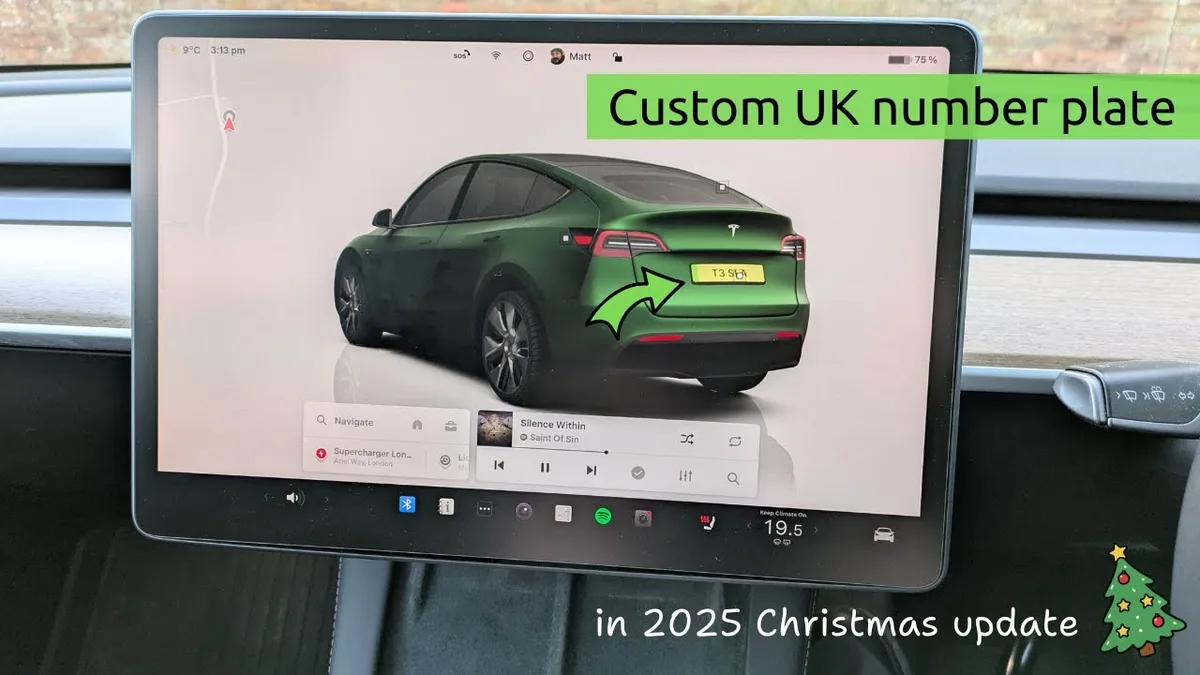
Montana introduced green plates for electric and plug-in hybrid vehicles. The green background distinguishes EVs from gasoline-powered vehicles.
Who qualifies for green plates:
- Battery electric vehicles (BEVs)
- Plug-in hybrid electric vehicles (PHEVs)
- Fuel cell electric vehicles
Antique and Classic Car Plates
YouTube / Cereal Marshmallows (YouTube thumbnail (fair-use with source credit))
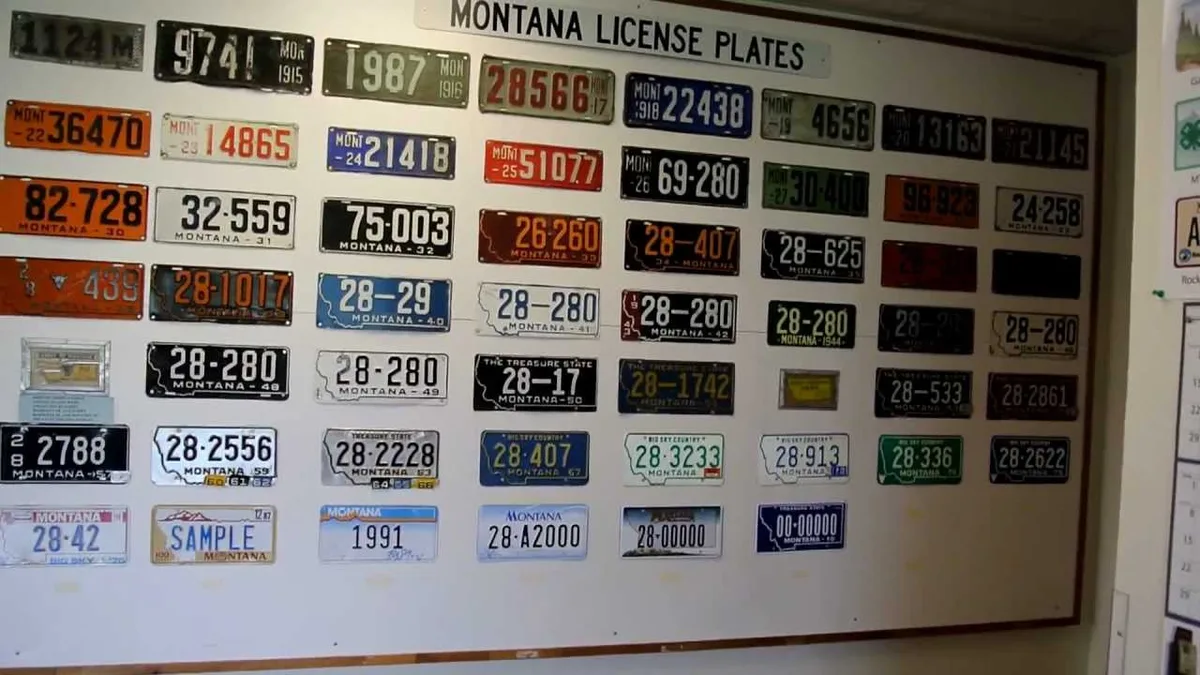
Yellow and black plates designate antique and classic vehicles in Montana. These plates signal that the vehicle is registered for limited, occasional use.
Antique plate eligibility:
- Vehicle must be at least 25 years old
- Must be maintained in original or restored condition
- Cannot be used as a primary daily driver
- Annual mileage limits may apply
Antique plates often come with lower registration fees. They also typically exempt the vehicle from emissions testing requirements.
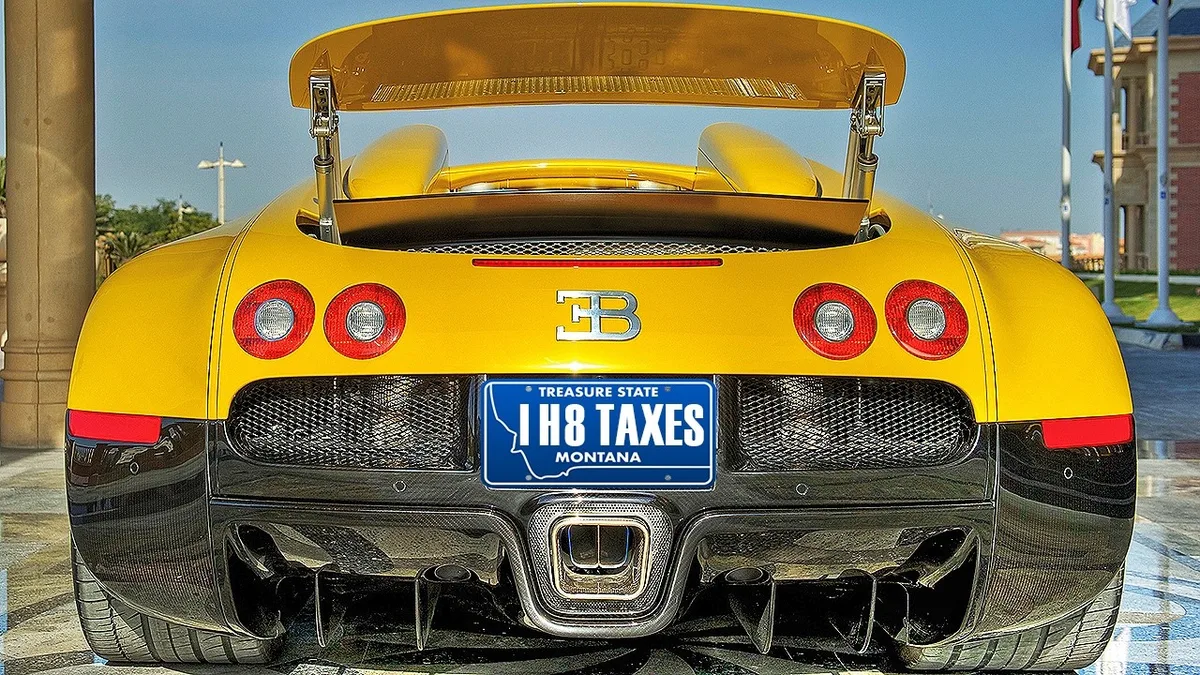
Personalized (Vanity) Plates: Rules and Restrictions
YouTube / David "greaterfalls" Sherman (YouTube thumbnail (fair-use with source credit))
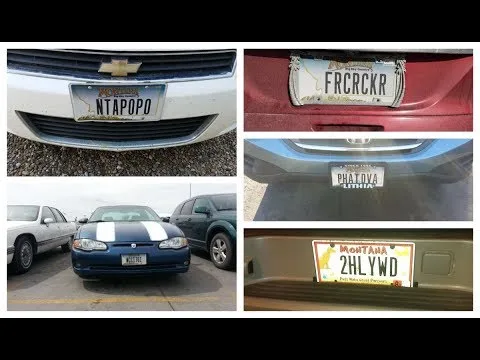
Montana lets residents create custom license plates with personalized text. Vanity plates let you express your personality, support a cause, or display something meaningful.
Montana vanity plate requirements:
- Uppercase letters only
- Can include numbers (0-9)
- Maximum of nine characters including spaces
- No offensive, obscene, or discriminatory language
- Cannot impersonate government entities
How to apply for a personalized plate:
- Complete a personalized plate application
- Pay the standard plate fee plus a customization surcharge
- Wait for approval (typically 2-4 weeks)
Cost breakdown:
- Standard personalized plate fee: approximately $50 to $100 above regular registration
- Annual renewal: same additional customization fee each year
Montana checks all personalized plate requests for appropriateness. Applications containing inappropriate language or misleading identifiers get rejected.
Temporary, Dealer, and Transporter Plates
Not every plate you see on Montana roads belongs to a permanently registered vehicle. Temporary plates serve specific purposes and have strict usage windows.
Temporary transportation permits:
- Issued by licensed dealers for vehicles not yet permanently registered
- Valid for 30 to 45 days
- Used when a buyer is waiting for permanent plates
Dealer plates:
- Issued to licensed automobile dealers
- Allow dealers to move inventory vehicles
- Limited to dealer use only
Transporter plates:
- Issued to agricultural dealers and certain commercial operators
- Used for hauling trailers or equipment
- Have specific weight and usage limitations
Important restrictions:
- Temporary plates cannot be transferred between vehicles
- Dealer plates cannot be used by private individuals
- All temporary plates must be removed once permanent registration is complete
How to Choose the Right Plate for Your Vehicle
Start with your vehicle type and intended use. Standard plates work for most daily drivers. Antique plates only fit vehicles 25 years or older with limited mileage.
If you qualify for specialty plates, decide whether the recognition or benefits outweigh the extra cost. Military plates show service pride. Disabled plates provide parking access.
Tribal plates honor heritage.
Step-by-step decision guide:
- Check your vehicle age and type
- Verify eligibility for specialty plates
- Compare fees and benefits
- Submit required documentation
- Wait for approval and plate issuance
Montana county clerks can walk you through the options. They have access to the full plate catalog and current fee schedules.
Montana Plate Fees: What You’ll Pay
Standard passenger plates cost about $21.50 for a one-year registration. Two-year registrations run around $43.00.
Specialty plates add surcharges. Personalized plates typically cost an extra $50 to $100. Military and veteran plates may have lower additional fees.
Disabled plates often waive registration fees entirely.
Fee breakdown:
| Plate Type | Base Fee | Additional Cost |
|---|---|---|
| Standard | $21.50 | $0 |
| Personalized | $21.50 | $50-$100 |
| Military | $21.50 | $10-$25 |
| Disabled | $0 | $0 |
| Antique | $10.00 | $0 |
| Electric | $21.50 | $0 |
Fees vary slightly by county. Some counties add small administrative charges.
Common Mistakes to Avoid When Registering or Renewing
Using the wrong plate type tops the list. Putting standard plates on an antique vehicle can lead to registration rejection. Mixing up disabled and disabled veteran plates causes parking access issues.
Other frequent errors:
- Letting registration lapse before renewing
- Forgetting to update your address within 10 days
- Not displaying both front and rear plates
- Altering plate appearance with covers or frames
- Failing to remove old validation stickers
Montana sends renewal notices by mail. But it's your responsibility to renew on time even if you don't receive a notice.
Montana Plate Laws: What’s Legal and What’s Not
Montana requires two plates for most vehicles. Both must be clearly visible and unobstructed. Plate covers that obscure any part of the plate are illegal.
Legal requirements:
- Plates must be mounted horizontally
- All characters must be visible from 50 feet away
- Validation stickers must be current and properly placed
Illegal practices:
- Using plates from another vehicle
- Displaying expired or canceled plates
- Creating homemade or counterfeit plates
Law enforcement can issue citations for plate violations. Fines start at $20 and increase for repeat offenses.
How to Replace Lost, Stolen, or Damaged Plates
Report lost or stolen plates immediately. File a report with local law enforcement and your county clerk.
Replacement process:
- Visit your county clerk's office
- Bring your vehicle registration and ID
- Pay the replacement fee (approximately $8.50)
- Receive new plates or a temporary permit
For damaged plates, bring the old plates to the clerk's office. They'll verify the damage and issue replacements.
If your plates are stolen, you'll need a police report. The county clerk will flag the old plate number in the system.
Frequently Asked Questions
Can I transfer my Montana plates to a new vehicle?
Yes, you can transfer plates between vehicles you own. Visit your county clerk with both vehicles' titles and registrations. There's typically a small transfer fee.
How long does it take to get specialty plates?
Specialty plates usually take 2 to 4 weeks for processing and production. Some plates may arrive sooner if they're in stock.
Do I need both front and rear plates in Montana?
Yes, Montana requires two plates for most vehicles. Both must be clearly visible. The only exceptions are motorcycles and some trailers.
What happens if I don't renew my plates on time?
Late fees start accruing immediately after expiration. After 30 days, additional penalties apply. Driving with expired plates can result in a traffic citation.
Can I get a refund if my personalized plate application is denied?
No, the application fee is non-refundable even if denied. You can submit a new application with a different combination.
Are there any restrictions on where I can park with disabled plates?
Disabled plates allow parking in any designated handicap space statewide. They also permit parking at meters without time limits. Always display the plate or placard properly to avoid tickets.