ByMax Lee
Montana Farm Tractor Road Laws & Flashing Light Requirements
Montana farm tractor road use laws and flashing light requirements can be confusing, but getting them wrong risks fines or worse, an accident. Whether you're moving equipment between fields or just crossing a county road, Montana has specific rules for lighting, speed, and visibility that every operator needs to follow.
As of 2026, the state aligns with ASABE S276.5 standards for slow-moving vehicles, which means your tractor likely needs more than just a reflective triangle to stay legal. Here’s what the law actually requires.
Quick Answer
Montana farm tractor road use laws and flashing light requirements mandate a flashing amber beacon for tractors on public roads. An SMV emblem is required for vehicles traveling under 25 mph. Headlights and taillights are mandatory during low visibility.
Width over 12 feet may require a permit. Always check local county rules.
Do You Need a Flashing Light on a Tractor in Montana?
Yes, if you’re operating on public roads. Montana law treats farm tractors as slow-moving vehicles (SMVs) when traveling under 25 mph, and that triggers lighting requirements. The flashing amber beacon isn’t optional, it’s a visibility and safety standard.
YouTube / APV America Inc. (YouTube thumbnail (fair-use with source credit))
The beacon must be mounted at the highest practical point and visible from all directions. This isn’t just a recommendation from the Montana Department of Transportation, it’s enforceable by the Montana Highway Patrol.
Montana’s Core Tractor Road Use Laws at a Glance
Montana’s rules come from MCA Title 61, Chapter 9, which covers vehicle equipment. For tractors, the key points are lighting, speed, and marking. If your tractor can’t exceed 25 mph, it’s classified as an SMV and must display the proper emblem and lights.
| Requirement | Daytime | Nighttime/Low Visibility |
|---|---|---|
| SMV Emblem | Required | Required |
| Flashing Amber Beacon | Required | Required |
| Headlights | Optional | Required |
| Taillights | Optional | Required |
| Turn Signals | Optional | Recommended |
The SMV emblem must be a reflective orange triangle, mounted 2 to 6 feet above the road surface at the rear. This is non-negotiable for any vehicle traveling under 25 mph, including tractors.
When Does a Tractor Count as a Slow-Moving Vehicle?
A tractor is an SMV in Montana if it’s physically incapable of exceeding 25 mph. This includes most farm tractors, especially when towing implements. The classification isn’t about your intended speed, it’s about the vehicle’s maximum capability.
If your tractor can go faster than 25 mph but you’re choosing to drive slower, the SMV rules still apply. The law doesn’t make exceptions for temporary slow speeds.
Flashing Amber Light Requirements: What’s Mandatory?
Montana requires a flashing amber beacon for any SMV, including tractors, on public roads. The beacon must be visible from at least 500 feet in all directions and mounted as high as practical.

YouTube / Alltruckled (YouTube thumbnail (fair-use with source credit))
The light should flash at a rate of 60 to 90 times per minute. If your tractor didn’t come with one, aftermarket beacons are widely available and must meet the same visibility standards.
SMV Emblem Rules and Where to Mount It
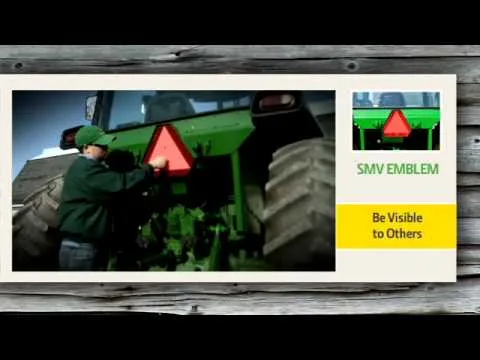
The Slow-Moving Vehicle emblem is a reflective orange triangle with a red border. It must be displayed on any vehicle traveling under 25 mph, including tractors. The emblem needs to be mounted at the rear, between 2 and 6 feet above the road surface.
YouTube / JD MachineFinder (YouTube thumbnail (fair-use with source credit))
The triangle should be clean and unobstructed for maximum visibility. If your tractor is towing equipment that blocks the emblem, you’ll need to add a second one to the rear of the load.
Headlight, Taillight, and Turn Signal Requirements
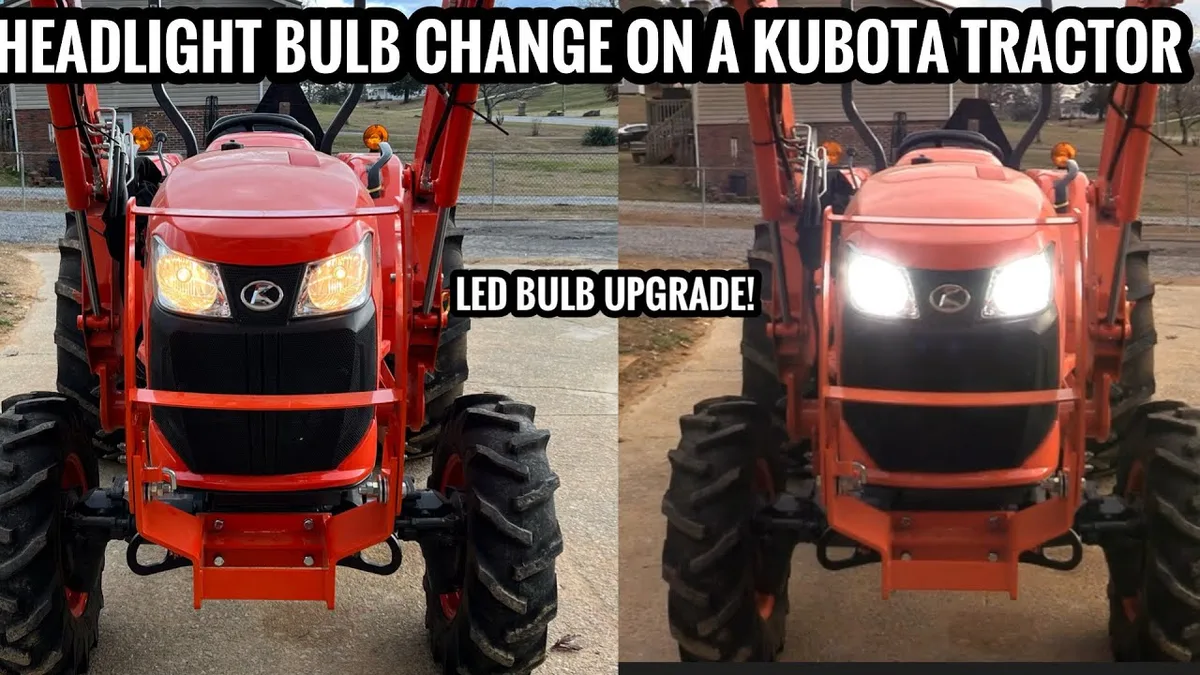
During low visibility conditions, tractors must have working headlights and taillights. This includes dawn, dusk, nighttime, and inclement weather. Turn signals are recommended but not always mandatory unless the tractor was originally equipped with them.
YouTube / Piney Life (YouTube thumbnail (fair-use with source credit))
Headlights should illuminate at least 500 feet ahead. Taillights need to be visible from 500 feet behind.
Speed Limits and Road Restrictions for Farm Tractors
Montana doesn’t set a statewide speed limit specifically for tractors. Instead, the 25 mph threshold determines whether SMV rules apply. If your tractor can’t maintain at least 25 mph, you must follow all SMV lighting and marking requirements.
Some county roads may have additional restrictions, especially during high-traffic periods. Rural roads are generally more accommodating, but state highways often have stricter rules.
Permits and Exceptions for Oversize or Heavy Tractors
Tractors or implements wider than 12 feet typically require an oversize permit. The Montana Department of Transportation issues these permits, and fees vary based on size and travel distance.

YouTube / Weststar Farming (YouTube thumbnail (fair-use with source credit))
Permits often come with conditions like travel time restrictions or escort requirements. Emergency agricultural moves may qualify for expedited permits, but don’t assume this applies to your situation.
What Happens If You’re Pulled Over?
If a Montana Highway Patrol officer stops you for non-compliance, you’ll likely receive a citation. Fines vary but can reach several hundred dollars. More importantly, you may be required to correct the issue before continuing your journey.
The officer will typically check for the SMV emblem, flashing beacon, and proper lighting. Repeated violations can lead to higher penalties.
How to Check Your Tractor’s Compliance in 5 Minutes
Start with the basics. Verify your SMV emblem is clean, unobstructed, and mounted between 2 and 6 feet high at the rear.
Next, test your flashing amber beacon. It should pulse 60 to 90 times per minute and be visible from all directions.
Finally, check headlights and taillights. Turn them on in a dark area to confirm they illuminate the required 500 feet.
Montana vs. Federal SMV Standards: What Takes Precedence?
Montana follows the federal ASABE S276.5 standard for SMV emblems and lighting. This means the orange triangle and flashing beacon requirements are consistent nationwide. However, Montana adds its own enforcement and specific placement rules.
If there’s a conflict between state and federal rules, Montana’s regulations take precedence. Always default to the stricter rule when in doubt.
Where to Find the Official Rules and Updates
The Montana Department of Transportation website is the primary source for current regulations. Their vehicle equipment section covers all lighting and marking requirements for agricultural vehicles.
YouTube / Actual Exam Quizzes (YouTube thumbnail (fair-use with source credit))
For the most precise legal language, refer to MCA Title 61, Chapter 9 on the Montana Legislature site.
Common Mistakes That Get Montana Farmers Fined
The most common violation is missing or improperly mounted SMV emblems. Officers look for this first during traffic stops. A faded or dirty emblem counts as non-compliant.
Another frequent issue is non-functional flashing beacons. If your beacon isn’t working, you’re not just risking a fine, you’re risking an accident.
Finally, towing wide implements without proper lighting or permits is a sure way to get pulled over. If your load extends beyond the tractor’s width, you need additional markers and possibly a permit.
Montana vs. Neighboring States: Key Differences
Montana’s SMV laws are similar to Idaho and Wyoming, but there are nuances. For example, Montana requires the flashing beacon for all SMVs, while some neighboring states only mandate it for vehicles under a certain speed.
Width restrictions also vary. Montana’s 12-foot limit is common, but some states allow slightly wider loads without permits. Always check the specific rules for any state you’ll be traveling through.
Frequently Asked Questions
Do I need a flashing light on my tractor during the day?
Yes. Montana requires a flashing amber beacon for all slow-moving vehicles, including tractors, regardless of the time of day. The beacon must be visible from all directions.
What’s the fine for not having an SMV emblem?
Fines can reach several hundred dollars. More importantly, you’ll need to correct the issue before continuing your journey. Officers may also check for other compliance issues.
Can I drive my tractor on the highway in Montana?
Generally, yes, but with restrictions. If your tractor can’t maintain at least 25 mph, you must follow all SMV lighting and marking requirements. Some highways may have additional restrictions.
How do I get an oversize permit for my tractor?
Apply through the Montana Department of Transportation. Fees vary based on size and travel distance. Permits often come with conditions like travel time restrictions.
Are turn signals required on tractors in Montana?
Turn signals are recommended but not always mandatory. If your tractor was originally equipped with them, they must be functional. Otherwise, hand signals are acceptable.