ByMax Lee
Montana Implements of Husbandry: Definition & Road Safety
Montana implements of husbandry definition and road safety regulations can be confusing, but getting them wrong risks fines, accidents, or legal trouble. Whether you're moving a tractor between fields or hauling a combine down a county road, Montana has specific rules for what qualifies as farm equipment and how it must operate on public roads.
Per Montana Code Annotated (MCA) Title 61, implements of husbandry must display proper lighting and slow-moving vehicle emblems when traveling under 25 mph.
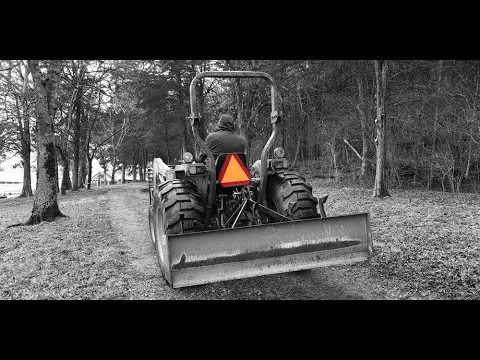
YouTube / Iron Solutions (YouTube thumbnail (fair-use with source credit))
Quick Answer
Montana implements of husbandry definition and road safety regulations cover farm machinery like tractors and combines. They must display an SMV emblem if traveling under 25 mph. Amber flashing lights and red reflectors are required for visibility.
Oversize loads may need a Montana DOT permit.
What Counts as an "Implement of Husbandry" in Montana
An implement of husbandry is any vehicle or equipment designed primarily for agricultural purposes. This includes tractors, combines, plows, balers, and other machinery used in farming operations.
Montana law distinguishes these from commercial vehicles, which have different regulations.
Wikimedia Commons / Smith, Molly. Dodge, Tris. Zuczek, Xander (CC BY)
Legal Definition Breakdown
Montana Code Annotated (MCA) 61-1-101 defines implements of husbandry as vehicles used exclusively for agricultural, horticultural, or livestock-raising operations. This includes machinery like tractors, harvesters, and irrigation equipment.
The definition excludes vehicles primarily used for non-farm purposes, even if occasionally used in agriculture.
Equipment That Qualifies vs. Commercial Vehicles
Qualifying equipment includes:
- Tractors and combines
- Plows, harrows, and seeders
- Balers and hay equipment
- Livestock trailers
Commercial vehicles, such as trucks used for hauling goods for hire, do not qualify. The distinction affects road use regulations, lighting requirements, and permit needs.
Montana Road Safety Laws for Farm Machinery
Montana requires all farm equipment traveling on public roads to meet specific safety standards. These rules protect both the operator and other motorists.
YouTube / JD MachineFinder (YouTube thumbnail (fair-use with source credit))
Slow-Moving Vehicle (SMV) Requirements
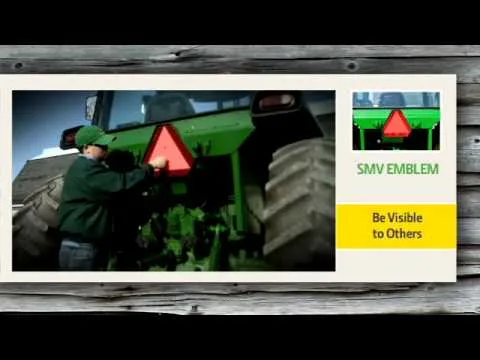
Any implement of husbandry traveling under 25 mph must display a slow-moving vehicle (SMV) emblem. This is a reflective orange triangle, as specified by ASABE S279.17 standards.
The emblem must be mounted at the rear of the vehicle, between 2 and 6 feet above the road surface. It should be visible from at least 500 feet away in daylight.
Lighting, Marking, and Reflectors
Farm equipment must have:
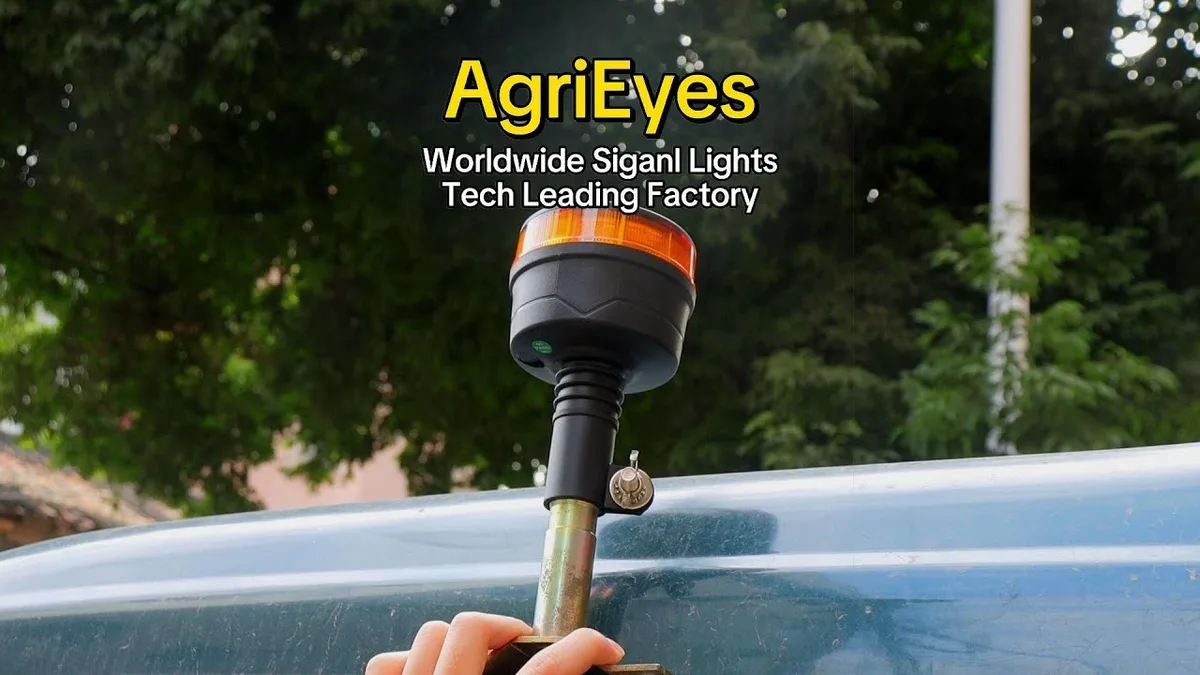
- Amber flashing lights visible from the front and rear
- Red reflectors on the rear
- White lights on the front if traveling at night
YouTube / AgriEyes (YouTube thumbnail (fair-use with source credit))
Size, Weight, and Permit Rules
Montana sets limits on the size and weight of farm equipment on public roads:
- Width: 8.5 feet (without a permit)
- Height: 14 feet
- Length: 60 feet (including towed equipment)
Equipment exceeding these limits requires an oversize/overweight permit from the Montana Department of Transportation (MDT).
The Real Risks of Non-Compliance
Non-compliance with Montana’s farm equipment road laws can lead to serious consequences. The most immediate risk is accidents caused by poor visibility or improper marking.
YouTube / Farm & Food Care (YouTube thumbnail (fair-use with source credit))
Fines for non-compliance can range from $50 to $500. Operators may be held liable for accidents if their equipment lacks required safety features.
How to Legally and Safely Transport Farm Equipment on Montana Roads
Transporting farm equipment on public roads requires preparation and adherence to Montana’s regulations. The first step is ensuring your equipment meets all lighting and marking requirements.
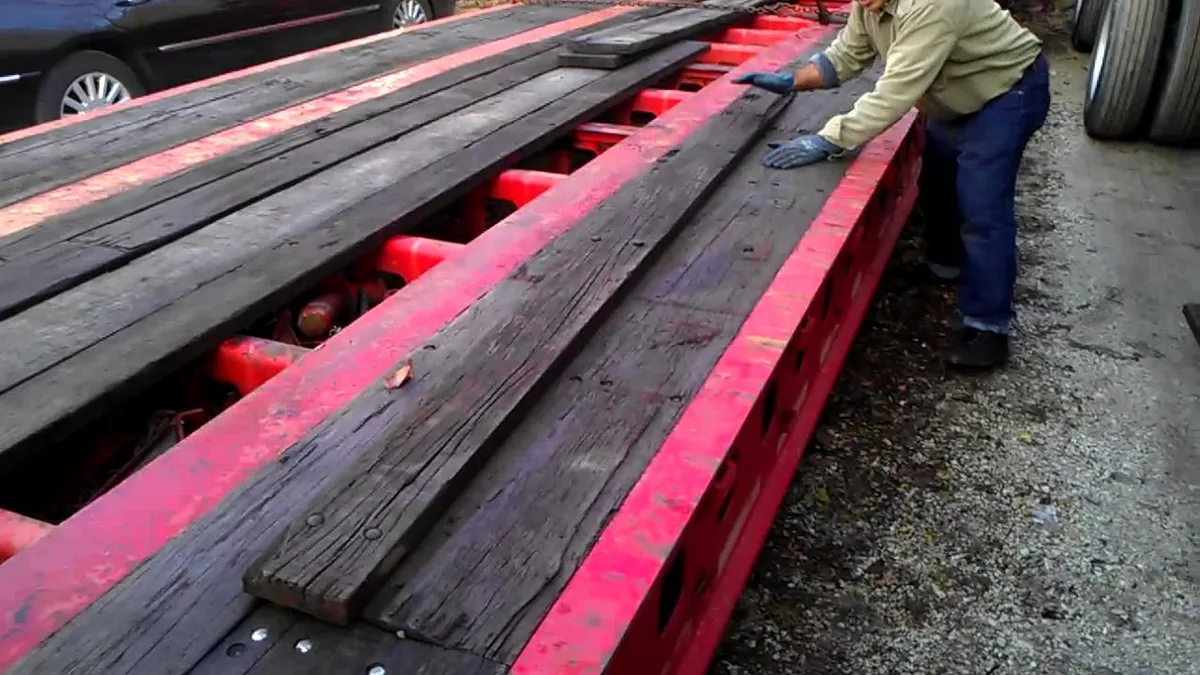
YouTube / Compare Transport LLC (YouTube thumbnail (fair-use with source credit))
Step-by-Step: Preparing Your Equipment for Road Use
- Inspect lighting and marking: Verify that all required lights and reflectors are working.
- Check size and weight: Measure your equipment to ensure it complies with Montana’s limits.
- Plan your route: Avoid high-traffic roads and bridges with weight restrictions.
- Travel during daylight: If your equipment lacks proper lighting for night travel, restrict movement to daylight hours.
- Use escorts if required: For particularly wide or long loads, Montana may require escort vehicles.
Day vs. Night Travel Requirements
Daytime travel requires an SMV emblem and amber flashing lights. At night, additional lighting is mandatory, including white headlights and red taillights.
If your equipment cannot meet nighttime lighting requirements, restrict travel to daylight hours.
Routes, Timing, and Avoiding Restrictions
Montana’s rural roads are generally more accommodating to farm equipment, but some highways and urban areas have restrictions. Avoid peak traffic times to minimize risks.
When to Call an Expert: Permits, Legal Issues, and Accidents
There are situations where you'll need professional guidance. Oversize/overweight permits are required for equipment exceeding standard dimensions or weight limits.
Oversize/Overweight Permit Applications
If your farm machinery is wider than 8.5 feet, taller than 14 feet, or longer than 60 feet, you'll need an oversize/overweight permit. Submit applications through MDT's online portal or by mail. Processing typically takes 3 to 5 business days.
Keep a copy of your permit in the equipment cab while traveling.
What to Do After a Farm Equipment Accident
If you're involved in an accident, move the equipment out of traffic if possible and check for injuries. Call 911 if anyone is hurt or if the vehicles are blocking the road.
Document the scene thoroughly. Take photos of the equipment, any damage, road conditions, and visibility factors. Exchange insurance and driver information, but avoid discussing fault at the scene.
Report the accident to MDT if it involves injury, death, or property damage over $10,000.
When to Consult a Montana Agricultural Attorney
Legal counsel becomes important when accidents involve serious injuries, significant property damage, or disputes over right-of-way. Consult a lawyer if you receive a citation or are involved in a lawsuit.
FAQs About Montana Farm Equipment Road Laws
Can I Drive a Tractor on the Highway Without Lights?
No. Montana law requires implements of husbandry to have functioning lighting when operating on public roads. Amber flashing lights are mandatory, and red reflectors are required on the rear.
Do I Need a Permit for a Wide Load?
Yes, if your equipment exceeds 8.5 feet in width. You'll need an oversize/overweight permit from MDT.
What's the Speed Limit for Implements of Husbandry?
There's no specific speed limit, but vehicles traveling under 25 mph must display an SMV emblem.
Can Cars Pass Farm Equipment on Two-Lane Roads?
Yes, motorists can pass farm equipment when it's safe to do so. They must yield the right-of-way and ensure the pass is completed safely.
Are There Special Rules During Harvest Season?
Montana doesn't have season-specific road rules for farm equipment, but traffic volume increases during planting and harvest. This makes proper lighting and SMV emblems even more critical.
Verified Summary: Key Takeaways for Montana Farmers
- Farm equipment qualifies as an implement of husbandry if used primarily for agricultural purposes.
- SMV emblems are required for vehicles traveling under 25 mph.
- Amber flashing lights and red reflectors must be visible at all times.
- Equipment exceeding size or weight limits requires a Montana DOT permit.
- Non-compliance can result in fines and liability in accident cases.
- Always inspect lighting and marking before road travel.
These guidelines apply as of 2026. Check with MDT or the Montana Legislature for updates.