Have you ever wondered how strong the vacuum at your local car wash really is? You rely on it to clean every corner of your car, from the floor mats to hard-to-reach spots.
But does it have enough suction power to get the job done thoroughly? Understanding the suction power can help you decide if that quick vacuum session is worth your time and money. Keep reading to discover the truth about car wash vacuums and how their strength impacts the cleanliness of your vehicle.
You might be surprised by what you learn!
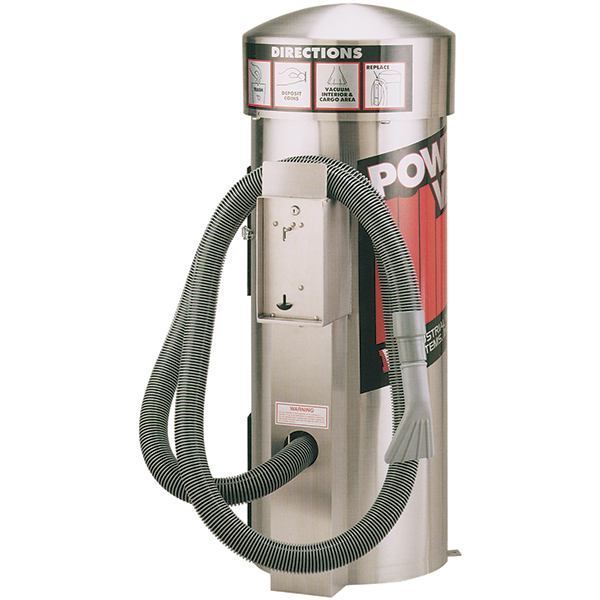
Credit: www.dultmeier.com
Suction Power Basics
Understanding suction power is key to knowing how vacuums work at car washes. Suction power determines how well these vacuums clean your vehicle’s interior. It shows the vacuum’s ability to lift dirt, dust, and debris from surfaces. Strong suction means better cleaning results.
Many people confuse suction power with airflow. These are different but both affect cleaning performance. Suction power focuses on the vacuum’s strength to pull dirt in. Airflow measures how much air moves through the vacuum.
How Suction Power Is Measured
Suction power is measured by the vacuum’s ability to create pressure difference. This pressure difference pulls air and dirt into the vacuum. A device called a manometer often measures this pressure. It shows the vacuum’s suction strength in units like inches of water lift or pascals. Higher pressure means stronger suction.
Common Units For Suction Power
Car wash vacuums usually list suction power in inches of water lift. This unit shows how high the vacuum can lift water in a tube. Another common unit is pascals (Pa), which measures pressure in metric terms. Some use kilopascals (kPa) for stronger vacuums. Knowing these units helps compare different vacuum models easily.
Factors Affecting Suction Strength
Several factors change vacuum suction power at car washes. The motor size directly affects suction strength. Bigger motors usually mean stronger suction. The vacuum’s hose and nozzle size also matter. Narrower hoses can increase suction but reduce airflow. Filter cleanliness is another factor. Dirty filters lower suction power by blocking airflow. Lastly, vacuum design and maintenance influence overall suction efficiency.

Credit: www.caranddriver.com
Vacuum Types At Car Washes
Car washes use different types of vacuums. Each type serves a specific purpose. They help clean cars inside by removing dust, dirt, and debris.
These vacuums vary in power and design. Understanding their differences helps explain how car washes keep vehicles spotless.
Central Vacuum Systems
Central vacuum systems have strong suction power. They connect to a main unit through long pipes. This setup allows many hoses to be used at once. These systems clean cars quickly and deeply. They are common in busy car washes.
Portable Vacuums
Portable vacuums are easy to move around. They are lighter than central systems. Workers use them to reach tight spots inside cars. Their suction is good but less strong than central systems. These vacuums add flexibility in cleaning.
Handheld Vacuums
Handheld vacuums are small and very light. They work well for quick touch-ups. Their suction is lower but enough for small messes. These vacuums are perfect for detail cleaning. They help remove crumbs and dust in hard-to-reach places.
Typical Suction Power Ranges
Vacuums at car washes come with different suction power levels. These levels affect how well the vacuum cleans. Understanding typical suction power ranges helps you choose the right vacuum. It also explains why some vacuums pick up dirt better than others. Below are the common categories for suction power in car wash vacuums.
Low-power Vacuums
Low-power vacuums usually have suction power under 100 air watts. They are light and easy to use. These vacuums work well for small cars and light dirt. They are affordable and use less energy. But they may struggle with heavy debris or thick carpet dirt.
Mid-range Power Vacuums
Mid-range vacuums offer suction power between 100 and 200 air watts. They balance power and portability. These vacuums handle most car cleaning jobs easily. They can pick up pet hair, leaves, and dust without trouble. Many car wash stations use these for daily cleaning tasks.
High-power Industrial Vacuums
High-power vacuums provide suction above 200 air watts. They are strong and built for tough jobs. These industrial vacuums remove heavy dirt and wet debris quickly. They are common in busy car washes and commercial cleaning. These machines are heavier but deliver the best cleaning results.
Impact Of Suction Power On Cleaning
Suction power plays a key role in cleaning at car washes. It affects how well the vacuum removes dirt and debris from your car’s interior. Strong suction helps pick up even small particles stuck in seats and carpets. This makes the cleaning process more effective and leaves your car looking fresh.
Different cleaning tasks need different suction levels. Some jobs need strong suction to pull out heavy dirt. Others require gentle suction to avoid damage. Understanding suction power helps you see why some vacuums work better than others at car washes.
Removing Dirt And Debris
High suction power removes dirt and debris quickly. Dust, sand, and small trash get pulled from tight spaces. Strong suction reaches deep into fabric and carpet fibers. This stops dirt from building up over time. Clean surfaces stay cleaner longer with good suction.
Handling Pet Hair And Dust
Pet hair and fine dust can stick to surfaces tightly. Strong suction helps lift and remove these stubborn particles. It pulls hair from upholstery and floor mats. Without enough suction, pet hair stays trapped and hard to clean. Good suction keeps your car free from allergens and dust.
Cleaning Efficiency And Time
Vacuum cleaners with strong suction finish cleaning faster. They need fewer passes to clear dirt and debris. This saves time and effort during the car wash. Efficient cleaning means a better result in less time. Strong suction makes the cleaning process smooth and quick.
Maintenance And Performance
Maintaining the vacuum at a car wash is key to strong suction power. Regular care keeps the vacuum working well. Poor maintenance leads to weak suction and slower cleaning. Simple steps help keep the vacuum in top shape. This saves time and improves car wash results.
Filter Cleaning And Replacement
Filters catch dirt and dust to protect the vacuum motor. Dirty filters block airflow and reduce suction power. Clean filters often by tapping out dust or washing them. Replace filters if they are torn or too dirty. A clean filter helps the vacuum pull air easily and work efficiently.
Hose And Nozzle Care
Hoses and nozzles guide dirt into the vacuum. Check for cracks, holes, or clogs in these parts. Remove any debris stuck inside the hose or nozzle. A clear path allows strong suction to reach dirt. Replace damaged hoses or nozzles to keep suction high.
Signs Of Reduced Suction
Vacuum feels weak and takes longer to clean. Dirt stays on the car surface after vacuuming. Motor sounds different or louder than usual. Airflow from the exhaust is less than normal. These signs show the vacuum needs maintenance. Acting fast prevents damage and restores suction power.

Credit: blog.kleen-ritecorp.com
Choosing The Right Vacuum For Car Washes
Choosing the right vacuum for car washes is important. It ensures cleaning is fast and effective. The suction power must match the car’s needs. Also, energy use and machine life matter a lot. Below are key points to consider when picking a vacuum for a car wash business.
Assessing Vehicle Size And Interior
Different cars need different vacuum power. Small cars with simple interiors need less suction. Large vehicles and SUVs require stronger vacuum power. Cars with carpets and deep seats need more suction. Choose a vacuum that fits the size and interior type. This helps clean every corner well.
Power Needs Vs. Energy Consumption
High suction power cleans better and faster. But it can use more energy. Low energy use saves money over time. Find a vacuum with balanced power and energy use. Efficient motors work well without high electricity bills. Check the vacuum’s power rating before buying.
Durability And Warranty
A car wash vacuum faces heavy use every day. Durable machines last longer and need less repair. Look for vacuums made with strong materials. A good warranty shows the brand trusts its product. It protects your investment from early breakdowns.
Innovations In Vacuum Technology
Vacuum technology at car washes has improved a lot over the years. New features make cleaning faster and easier. These advances help vacuums work better and use less energy. They also make the machines quieter. Let’s explore some key innovations in vacuum technology.
Smart Suction Controls
Smart suction controls adjust the vacuum’s power automatically. They sense the dirt level and change suction strength. This saves energy and protects delicate surfaces. Users get powerful cleaning only when needed. It also extends the vacuum’s life by avoiding constant high power.
Energy-efficient Motors
Modern vacuums use motors that consume less electricity. These motors keep strong suction while using less power. Lower energy use cuts costs for car wash owners. It also helps reduce environmental impact. These motors run cooler and last longer than older types.
Noise Reduction Features
New vacuums include parts that lower noise levels. Soundproofing materials and better motor designs reduce loud sounds. Quieter vacuums make car wash visits more pleasant. They also help meet noise regulations in busy areas. This improvement benefits both workers and customers.
Frequently Asked Questions
What Is The Average Suction Power Of Car Wash Vacuums?
Car wash vacuums typically have suction power ranging from 800 to 1200 air watts. This range ensures efficient dirt and debris removal from car interiors. Higher suction power enhances cleaning performance but may increase energy consumption.
How Does Suction Power Affect Vacuum Efficiency At Car Washes?
Stronger suction power improves the vacuum’s ability to pick up dirt, dust, and debris quickly. It leads to a more thorough interior cleaning, reducing the time needed per vehicle. Efficient suction also helps maintain customer satisfaction and service quality.
Are Car Wash Vacuums More Powerful Than Home Vacuums?
Yes, car wash vacuums usually have higher suction power than home vacuums. They are designed for commercial use with continuous operation and tougher cleaning demands. This makes them more effective for deep cleaning car interiors.
Can Suction Power Damage Car Interiors During Vacuuming?
No, appropriate suction levels in car wash vacuums are safe for car interiors. They are engineered to balance power and gentleness to avoid damage. Proper nozzle design also helps protect delicate surfaces while cleaning efficiently.
Conclusion
Vacuum suction power at car washes varies by machine type and design. Strong suction helps remove dirt quickly and deeply. Many car wash vacuums offer enough power for most cleaning jobs. Choosing the right vacuum depends on your needs and budget.
Regular use keeps your car interior fresh and clean. Knowing about suction power helps you make better choices. Clean cars feel more comfortable and look great too. Small details matter in car care.