Black Friday deals are live on Amazon · limited-time discounts, grab them before they’re gone
Grab the deals


ByMax Lee
What Is Washer Fluid for Car? Essential Guide for Every Driver
Washer fluid is the cleaning solution stored in your vehicle’s windshield-washer reservoir. When you activate the washer switch, a pump sends the fluid through small nozzles onto the windshield, and the wiper blades sweep away softened dirt, insects, road salt, dust, and oily film.
It is more than colored water. A properly formulated washer fluid improves visibility, helps prevent frozen washer lines in cold weather, and reduces the smearing that can make glare worse at night. Keeping the reservoir filled is a small maintenance task, but it directly supports safer driving. For more on this, see our guide on oklahoma antique car registration guide for 25 year.
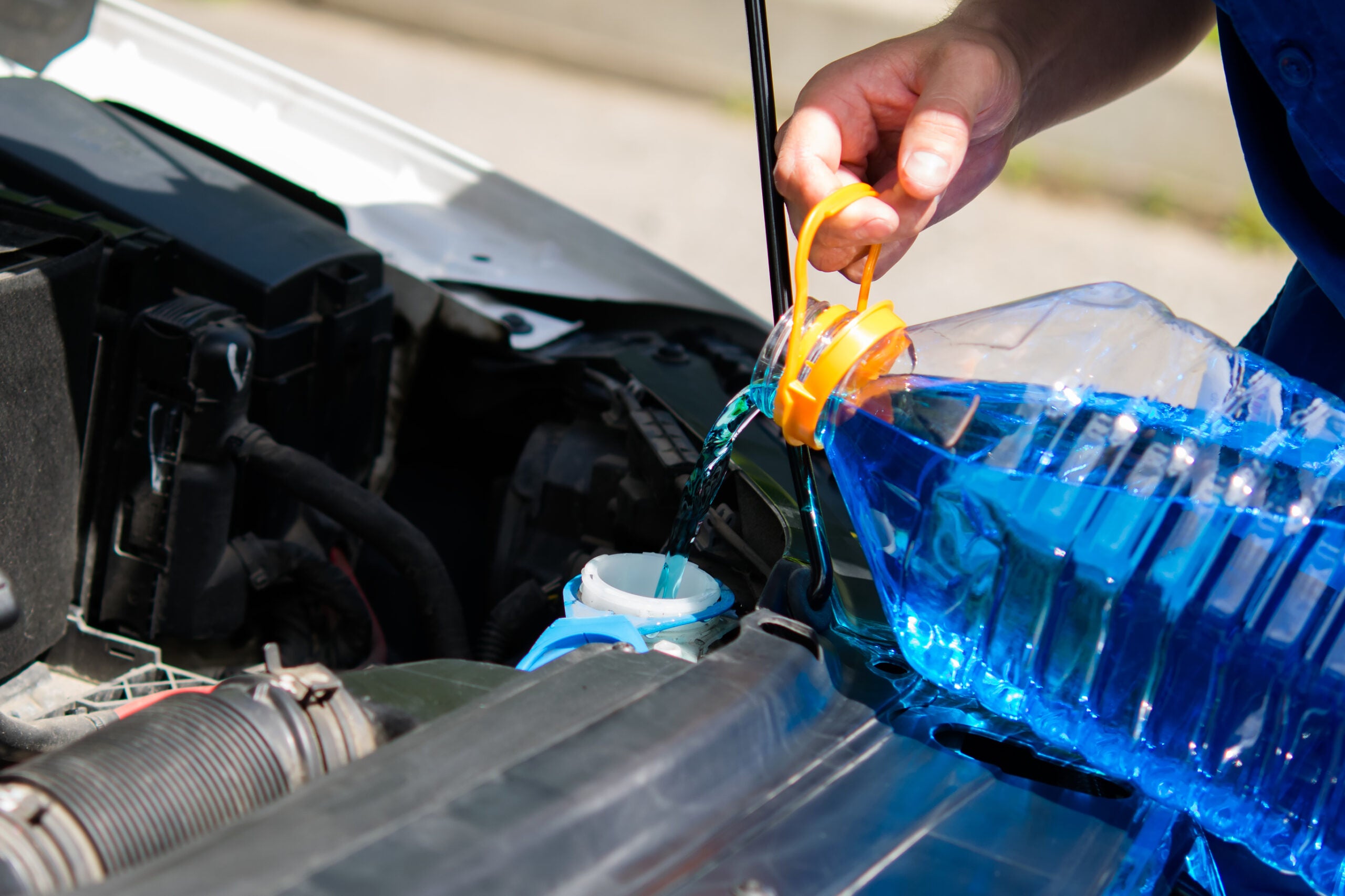
Windshield washer fluid is formulated for cleaning glass and operating through a vehicle’s spray system.
Credit: www.boston.com
What Is Washer Fluid Used For?
Windshield washer fluid performs several jobs that plain water cannot reliably handle:
- Loosening road grime: Detergents help break down dust, mud, insect residue, grease, and traffic film.
- Reducing streaks: Formulas are designed to work with wiper blades without leaving excessive residue.
- Preventing freezing: Winter blends contain ingredients that lower the solution’s freezing point.
- Protecting the washer system: Correctly formulated fluid is intended for pumps, hoses, seals, and spray nozzles.
- Improving visibility: A clean windshield helps you identify road signs, pedestrians, lane markings, and hazards sooner.
Visibility can deteriorate quickly when low-angle sunlight, rain, or oncoming headlights reflect off a dirty windshield. In practice, many drivers notice the problem only when the wipers spread a hazy film across the glass. Checking the washer reservoir before a long trip is therefore a practical safety habit, not merely cosmetic maintenance.
For broader guidance on visibility and vehicle safety equipment, consult the National Highway Traffic Safety Administration, which provides federal road-safety information for drivers. For more on this, see our guide on 150l air compressor for car tires tank size.
How the Windshield Washer System Works
A typical washer system contains five main components:
- Reservoir: A plastic tank under the hood stores the fluid.
- Pump: An electric pump pressurizes the fluid when you operate the washer control.
- Hoses: Small tubes carry fluid from the reservoir to the nozzles.
- Nozzles: Jets or fan-style outlets distribute fluid across the windshield.
- Wiper blades: The blades remove the fluid and loosened debris from the glass.
When the washer switch is pulled or pressed, the pump usually runs at the same time as the wipers. Some vehicles activate the wipers automatically after spraying; others require a separate wiper setting. If the reservoir is empty, the pump may run without delivering liquid, while repeated dry operation can add unnecessary wear.
A blocked nozzle, kinked hose, weak pump, or frozen fluid can also cause poor spray performance. If you hear the pump but see no spray, inspect the fluid level and nozzles first. Avoid forcing a needle into a nozzle unless your vehicle’s service instructions permit it, because the spray pattern can be damaged or misaligned.
Types of Car Washer Fluid
All-Season Washer Fluid
All-season fluid is intended for moderate climates and routine cleaning. It typically contains water, detergents, and a freezing-point suppressant. It is suitable for removing dust, light mud, fingerprints, and ordinary road film when local temperatures remain within the product’s stated range.
Do not assume every “all-season” product performs the same way. Read the temperature rating on the container, particularly if your car is stored outdoors.
Winter and De-Icing Fluid
Winter washer fluid is formulated to remain liquid at lower temperatures. Some products are designed to help loosen frost or light ice, but washer fluid should not be treated as a substitute for physically removing thick ice from the windshield.
Choose a product whose freeze protection is appropriate for your local conditions. A summer blend left in the reservoir can freeze in the tank, hoses, pump, or nozzles. Frozen fluid may prevent cleaning when it is needed most and can strain or damage components.
Bug- and Road-Grime-Cleaning Fluid
Some formulas emphasize stronger cleaning of insect remains, oily film, tree residue, and highway grime. These can be useful for frequent motorway driving or warm-weather travel, when insects accumulate quickly.
Stronger cleaning does not eliminate the need to replace worn wiper blades. A blade with a torn edge or hardened rubber will still smear the windshield, regardless of the fluid used.
Concentrated Washer Fluid
Concentrates must be diluted according to the manufacturer’s instructions. The correct ratio depends on the product and the required freeze protection. Adding too little water can waste product and leave residue; adding too much can reduce cleaning performance and cold-weather protection.
Never guess the dilution ratio. Use the markings on the bottle or its instructions, and mix it in a separate container when practical.
Low-Toxicity or Biodegradable Formulas
Some products are marketed as lower-impact or biodegradable alternatives. These may reduce certain environmental concerns, but “eco-friendly” does not automatically mean harmless to people, pets, paint, or waterways.
Read the safety label and store every product securely. Washer fluid may contain alcohols and other chemicals that should not be swallowed or poured onto the ground.
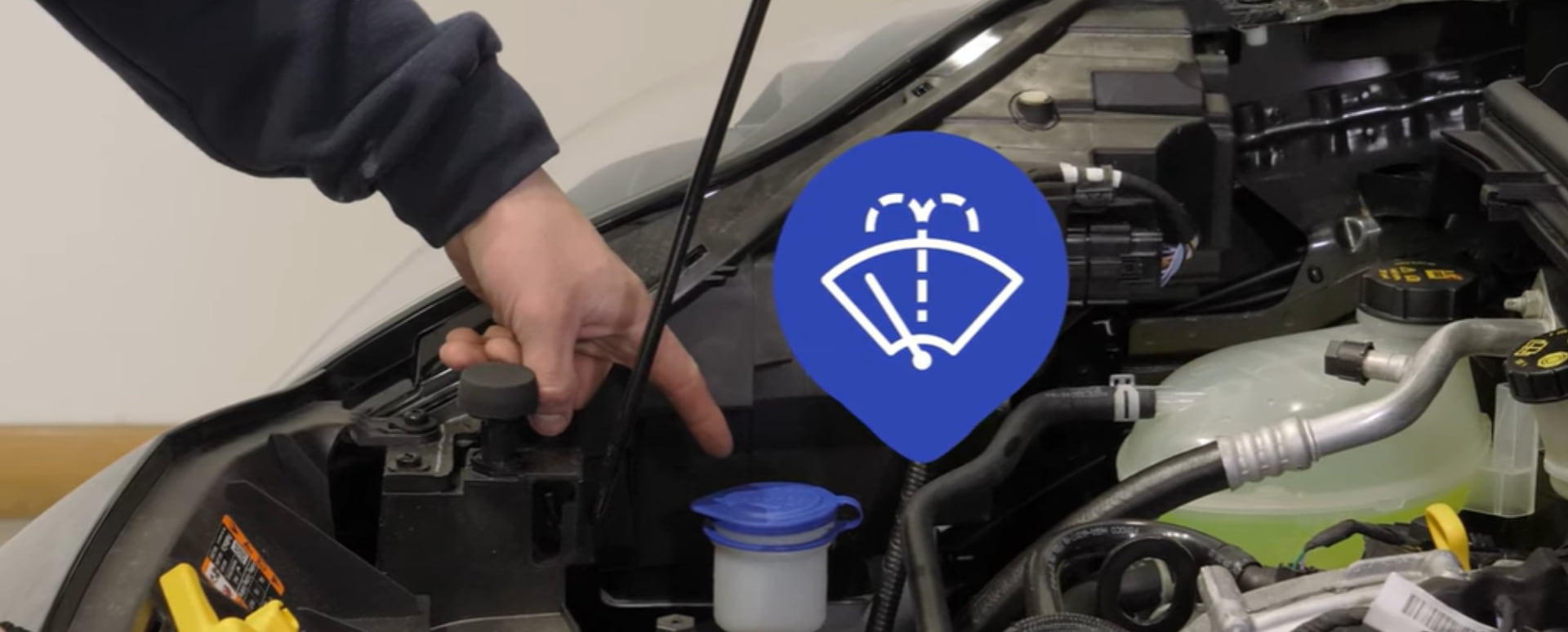
The reservoir cap often carries a windshield symbol and is located under the hood.
Credit: www.evanshalshaw.com
How to Choose the Right Washer Fluid
Match the Climate
The most important choice is the fluid’s temperature rating. Use a winter-rated formula where freezing conditions are possible, and replace warm-weather fluid before the season changes.
A product that works in a mild autumn may not protect the system during a hard freeze. If you regularly travel between warm and cold regions, choose a blend rated for the coldest conditions you expect rather than the climate at home.
Check the Vehicle Manual
Most vehicles accept standard automotive washer fluid, but the owner’s manual can identify restrictions or recommended products. Some vehicles have heated nozzles, headlamp washers, rear washer systems, or sensors that make compatibility more important.
Washer fluid is not engine coolant, brake fluid, power-steering fluid, or fuel additive. Confirm the symbol on the cap before pouring anything into a reservoir.
Consider Cleaning Needs
Choose a standard or bug-cleaning formula for ordinary road use. Select a winter blend for freezing weather. A concentrate can be convenient when storage space is limited, but only if you can dilute it accurately.
Avoid products that promise to repair chips, replace wiper blades, or remove heavy mineral buildup without checking the label carefully. Washer fluid can clean loose contamination; it cannot fix damaged glass or degraded rubber.
Avoid Unverified Mixing
Mixing different products is usually unnecessary and may reduce the performance of the resulting solution. If you do not know what is already in the reservoir, use it up or drain it safely according to local disposal guidance before switching formulas.
Never mix washer fluid with bleach, ammonia, household cleaners, coolant, or other automotive chemicals. Chemical combinations can create hazardous vapors, damage components, or leave a dangerous film on the glass.
How to Refill Washer Fluid Correctly
Refilling generally takes only a few minutes:
- Park safely: Turn off the engine, engage the parking brake, and open the hood on level ground.
- Find the reservoir: Look for a translucent tank with a cap marked by a windshield and spray symbol.
- Check the fluid: Many reservoirs show “full” and “low” markings. If the tank is opaque, use the vehicle’s recommended refill procedure.
- Add the correct product: Pour slowly to avoid spilling onto surrounding components.
- Stop at the fill line: Do not overfill if the reservoir has a marked maximum level.
- Secure the cap: A loose cap can allow contamination or evaporation.
- Test the system: Spray the windshield briefly and confirm that the jets cover the intended area.
Wipe up spills, especially around painted panels. Although washer fluid is not normally as damaging as brake fluid, some formulations can affect finishes or leave an unpleasant residue. Keep the container closed and away from children, pets, heat, and open flames.
A clean exterior also helps the washer system work effectively; the two-bucket washing method can reduce the grit and film that later reach the windshield.
How Often Should You Check or Refill It?
There is no universal mileage interval because usage depends on weather, road conditions, and how often you use the washers. Check the level:
- Before long journeys
- Before winter or a period of freezing weather
- After driving through muddy, dusty, or insect-heavy areas
- When the dashboard displays a low-fluid warning
- When the spray becomes weak or stops
Monthly checks are a reasonable routine for many drivers. If the reservoir repeatedly becomes empty, look for a leak around the tank, pump, hoses, or nozzles. A fluid warning that returns soon after filling is a maintenance clue, not something to ignore.
If the spray pattern is uneven, clean the outside of the nozzles and inspect for frozen fluid. If the pump is silent, check the relevant fuse and seek service if the fault is not obvious.
Can You Use Water Instead of Washer Fluid?
Water may work as a short emergency measure in warm weather, but it is not a good permanent substitute.
Plain water:
- Can freeze and expand inside the reservoir, pump, or hoses
- Does not remove oily road film as effectively
- May encourage mineral deposits or microbial growth
- Provides no designed protection for the washer system
- Can leave the windshield smeared when used with heavy grime
If you must add water temporarily, use clean water and replace it with the correct washer fluid as soon as possible. In freezing conditions, do not add water to a system that may already be near its freezing point.
Why Homemade Washer Fluid Recipes Are Risky
Household recipes commonly suggest dish soap, vinegar, rubbing alcohol, or combinations of these ingredients. They may appear inexpensive, but they are difficult to formulate safely and consistently.
Dish soap can create excessive foam, leave a film, and affect rubber or exterior trim. Vinegar may help with some deposits but is not a dependable cold-weather formulation. Alcohol mixtures can be flammable, toxic if swallowed, and ineffective if the concentration is wrong. A homemade blend may also freeze, damage seals, or produce poor spray performance.
Commercial automotive fluid is generally the safer choice because its detergents, solvents, corrosion inhibitors, and freezing protection are selected for a vehicle washer system. If an emergency mixture is unavoidable, treat it as temporary, never combine chemicals, label the container, and replace it with a suitable automotive product promptly.
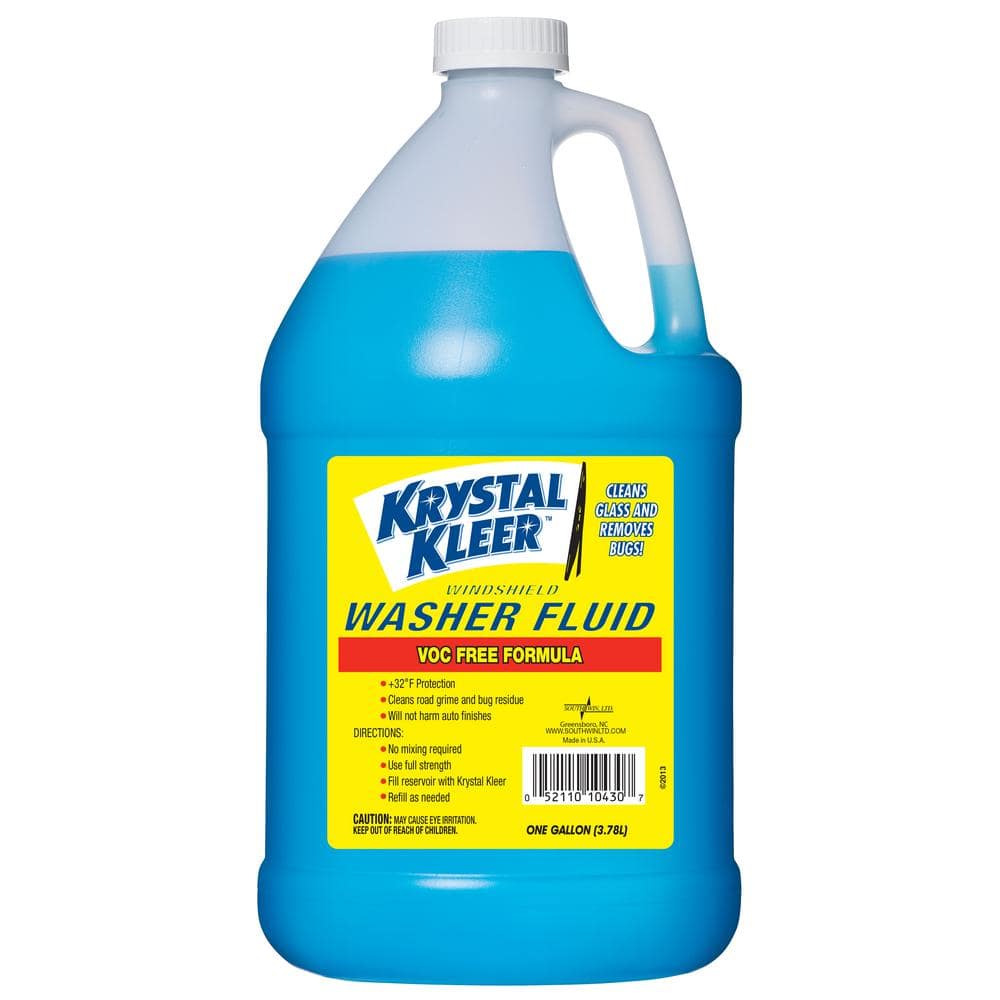
Automotive cleaning products vary by season, cleaning strength, and temperature rating.
Credit: www.homedepot.com
Common Washer Fluid Problems and Fixes
Fluid Sprays but the Windshield Still Smears
Possible causes include worn wiper blades, a dirty outer windshield, greasy residue, or a fluid that is incompatible with existing contamination. Clean the glass thoroughly and inspect the blade edges. Replace blades that chatter, skip, split, or leave consistent streaks.
No Fluid Comes Out
Check the reservoir first. If it is full, listen for the pump when you activate the washer. A silent pump may indicate a fuse, switch, wiring, or pump problem. A humming pump with no spray may indicate a blocked nozzle, disconnected hose, or frozen line.
One Nozzle Sprays Weakly
Debris or wax may be obstructing the nozzle. Clean the surrounding area and consult the owner’s manual before attempting deeper cleaning. Do not enlarge the nozzle opening with a sharp object.
Fluid Freezes
The product may have an unsuitable temperature rating, may have been diluted too much, or may have been mixed with water or a summer blend. Move the vehicle to a warmer location if possible and allow the system to thaw naturally. Do not pour boiling water over the windshield or reservoir.
The Dashboard Warning Remains On
Some vehicles use a float sensor that can stick or become contaminated. Confirm the reservoir is full, restart the vehicle, and consult the manual. If the warning persists, the sensor or wiring may need inspection.
Is Washer Fluid Safe for Paint, Wipers, and Sensors?
Automotive washer fluid is designed to be used around painted bodywork, glass, rubber wiper components, and washer hardware when used as directed. However, it should not be left to dry on the paint, trim, or camera lenses.
Modern vehicles may have cameras, rain sensors, head-up-display areas, or advanced driver-assistance equipment near the windshield. Fluid will not normally harm these systems when used correctly, but a dirty or damaged windshield can affect visibility through the camera’s viewing area. Keep the glass clean and follow the vehicle manufacturer’s instructions for camera calibration or windshield replacement.
Washer fluid cannot repair a chipped or cracked windshield. Arrange professional glass repair when damage is in the driver’s field of view or is spreading.
Washer Fluid and Vehicle Inspection
A working windshield washer system is commonly treated as part of basic roadworthiness because it supports clear visibility. Exact inspection rules vary by jurisdiction, vehicle type, and inspection program. If you are preparing a vehicle for a state inspection, review the applicable inspection and safety requirements rather than relying on general advice.
Also check that:
- Wipers clear the glass without severe streaking
- The reservoir is not leaking
- Spray jets reach the windshield
- The windshield is free of unacceptable damage
- Washer and wiper controls operate normally
For driving in demanding mountain conditions, vehicle preparation involves more than fluid; review the equipment considerations for Vail roads before traveling.
Frequently Asked Questions
What is washer fluid for a car?
Washer fluid is a vehicle-specific cleaning liquid sprayed onto the windshield before the wipers sweep away dirt, insects, dust, salt, and road film. It may also contain ingredients that help prevent freezing and protect the washer system.
Is windshield washer fluid the same as water?
No. Washer fluid includes cleaning agents and, in many products, freeze protection. Water can be used only as a temporary warm-weather emergency measure and may freeze or clean poorly.
Can I put coolant or antifreeze in the washer reservoir?
No. Engine coolant and windshield washer fluid serve different purposes. Coolant can leave a harmful film on glass, damage washer components, and create a visibility hazard. Use only fluid labeled for automotive washer systems.
Can I mix winter and summer washer fluid?
It is better not to mix them deliberately because the final freeze protection and cleaning performance will be uncertain. Use the reservoir’s existing supply or drain it safely before changing formulas.
How much washer fluid does a car hold?
Capacity varies by vehicle, commonly ranging from a small amount in compact cars to several litres in larger vehicles. Use the reservoir’s fill line rather than trying to force in a specific volume.
Why does my washer fluid smell like alcohol?
Many formulas use alcohol-based ingredients to lower the freezing point and help the fluid evaporate. A noticeable smell can be normal, but avoid breathing concentrated vapors and keep the container away from flames and children.
Should I use a bug-removing formula?
It can be useful if you frequently drive in summer, rural, or highway conditions where insect residue accumulates. It will not replace proper glass cleaning or worn-blade replacement.
What should I do if washer fluid gets in my eyes?
Rinse your eyes with clean running water and follow the product label’s first-aid instructions. Seek medical advice if irritation continues. If the fluid is swallowed, contact local poison-control or emergency services and provide the product container.
Final Takeaway
Washer fluid is a basic but important visibility product. It helps the wipers remove road grime, supports clear sight in rain and darkness, and can prevent the washer system from freezing when the correct winter formula is used.
Check the reservoir regularly, choose a product rated for your climate, avoid household chemical mixtures, and investigate weak spray or repeated fluid loss. Before your next long drive, top up the system, test the nozzles, and inspect the wiper blades so you can respond to changing road conditions with a clear windshield.








