North Dakota motorcycle helmet law for riders under 18 years old is straightforward but often misunderstood. If your teen is riding, they’re required by state law to wear a helmet, no exceptions. This rule exists to cut down on preventable injuries, and it’s enforced seriously.
As of 2026, the law aligns with DOT safety standards, meaning not just any helmet will do. It has to meet federal certification to count.
Quick Answer
North Dakota requires all motorcycle riders under 18 to wear a helmet. The helmet must be DOT-approved. Non-compliance can result in fines.
Parents or guardians may also be held responsible.
Why getting North Dakota’s minor motorcycle helmet law right matters
Head injuries are a leading cause of motorcycle fatalities, and teens are especially vulnerable. A properly fitted, DOT-certified helmet reduces the risk of severe brain injury by up to 67 percent, per NHTSA data.
Getting this wrong isn’t just unsafe, it’s illegal. North Dakota’s law exists to protect young riders before they’re old enough to make that call themselves.
The exact legal rule, age thresholds, and who it covers
North Dakota Century Code § 39-08-08.1 mandates helmet use for all motorcycle operators and passengers under 18. The age cutoff is strict: the day a rider turns 18, the requirement no longer applies.
The law covers all public roads, including city streets and highways. Private property is exempt, but that’s rarely where accidents happen.
What counts as a legal, compliant helmet for North Dakota teen riders
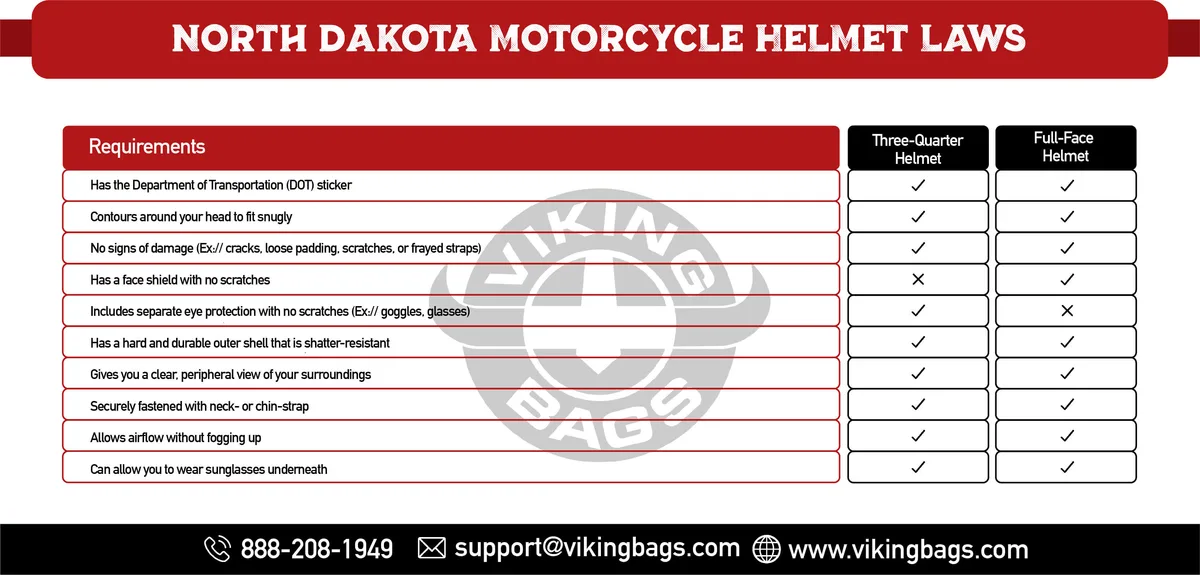
A legal helmet must meet U.S. Department of Transportation (DOT) Federal Motor Vehicle Safety Standard No. 218. Look for the DOT sticker on the back, it’s usually a small, permanent label.
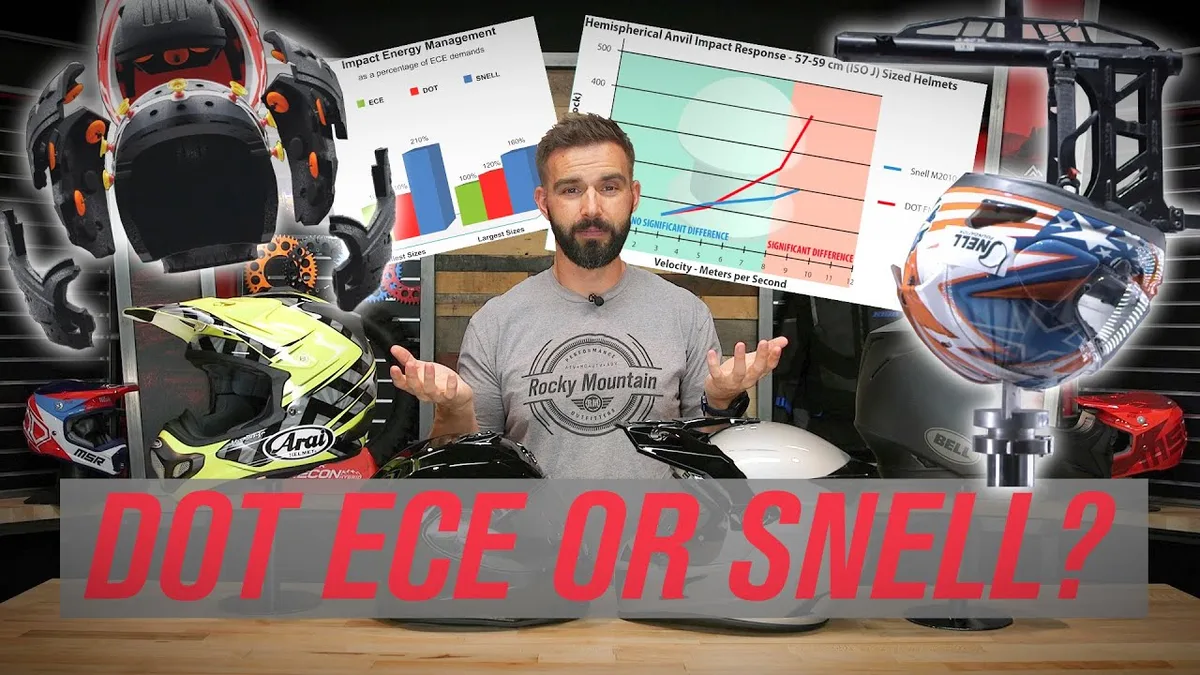
Helmets without this certification, even if they look sturdy, don’t meet North Dakota’s standard. Novelty helmets or those only certified for other countries (like ECE or SNELL without DOT) won’t cut it.
Real risks of skipping a helmet or using a non-compliant one
Riding without a helmet increases the likelihood of traumatic brain injury by three times, according to CDC research. For teens, whose brains are still developing, the long-term consequences can be even more severe.
Non-compliant helmets, those without DOT certification, often fail impact tests. In a crash, they may shatter or not absorb shock properly, offering little to no protection.

Common mistakes parents and teen riders make with this law
Many assume any helmet is legal. That’s not true, only DOT-approved models meet North Dakota’s standard.
Some parents think the rule only applies to operators, not passengers. The law covers both. Others believe the helmet requirement ends at 16 or 17, but it’s strictly under 18.
Step-by-step guide to staying compliant before your teen rides
First, pick a DOT-certified helmet. Check for the sticker on the back or inside the shell.
Next, ensure proper fit. The helmet should sit snugly without wobbling. The chin strap needs to fasten securely.
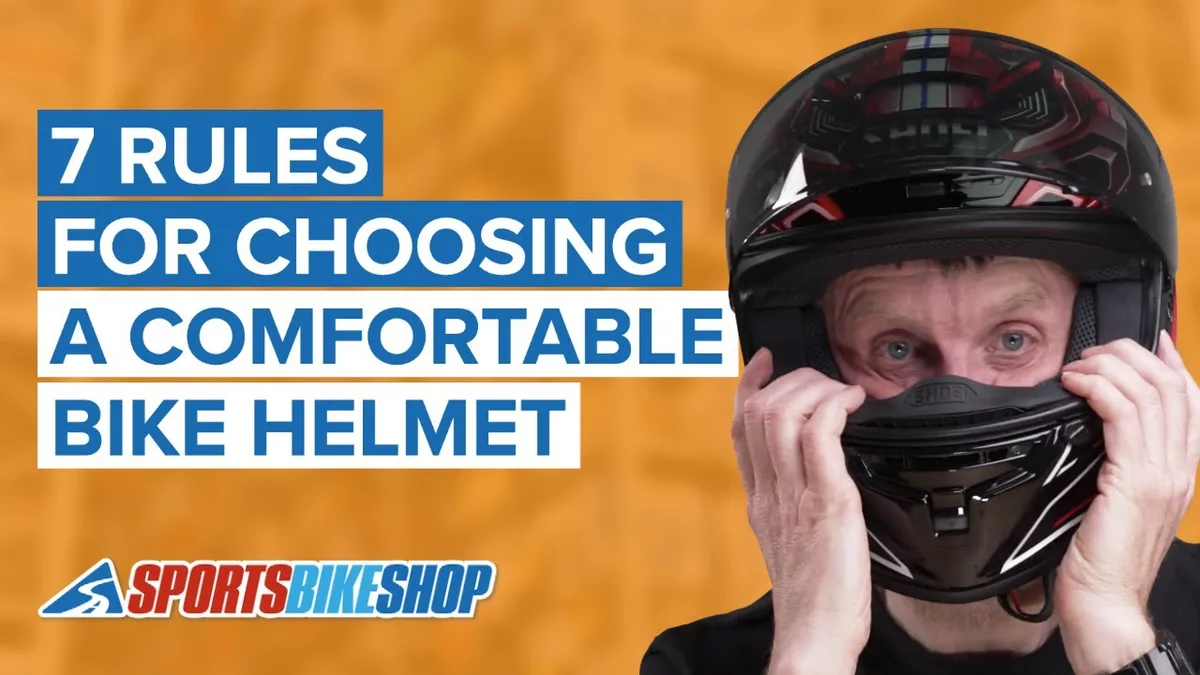
Finally, double-check the helmet’s condition. Cracks, loose padding, or a history of impact mean it’s time for a replacement.
How North Dakota’s under-18 helmet rule compares to neighboring upper Midwest states
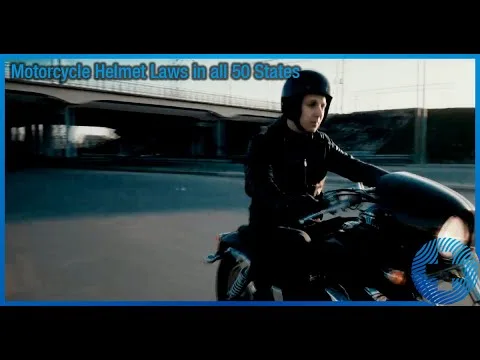
Minnesota and South Dakota have similar age-based laws. Both require helmets for riders under 18.
Montana has no universal helmet law, but some cities enforce local ordinances. North Dakota’s rule is more consistent statewide.
Who enforces this law, and what penalties apply for non-compliance
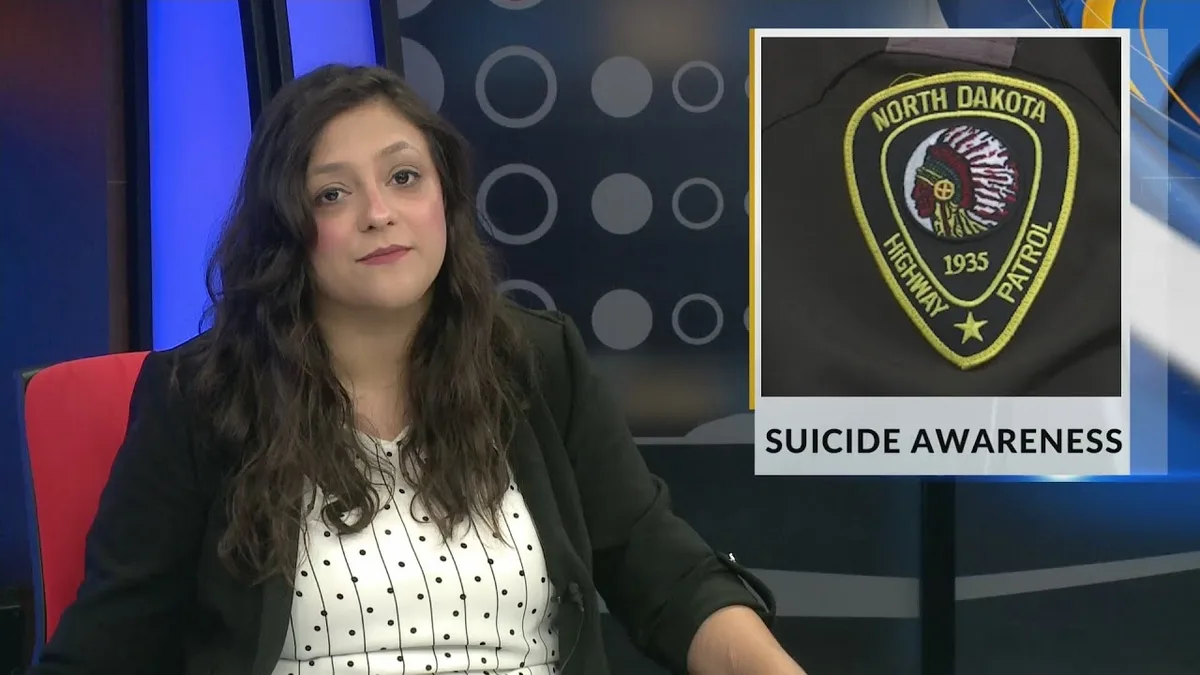
The North Dakota Highway Patrol and local law enforcement handle compliance. They can pull over riders for visible violations.
Fines for non-compliance start at $20. Parents or guardians may also face liability if they knowingly allow a minor to ride without a proper helmet.
When to reach out for official clarification on helmet rules
If you’re unsure about a helmet’s certification, contact the manufacturer. They can confirm DOT compliance.
For legal questions, the North Dakota Department of Transportation provides official guidance. Their website lists current statutes and safety recommendations.
Verified summary of North Dakota’s under-18 motorcycle helmet requirements
All motorcycle operators and passengers under 18 must wear a DOT-approved helmet on every public road in North Dakota, per NDCC § 39-08-08.1. The requirement ends the day a rider turns 18, with no intermediate age thresholds or exemptions for short trips.
Only helmets meeting U.S. DOT FMVSS 218 standards count as compliant. Novelty helmets and foreign-certified models without a DOT label do not qualify.
First-time non-compliance fines start at $20. Parents may be held liable for allowing unhelmeted minor riding.
Frequently Asked Questions
Are bicycle helmets allowed for teen motorcycle riders in North Dakota?
No. Bicycle helmets are not certified to meet DOT FMVSS 218 standards for motorcycle use. North Dakota’s helmet law explicitly requires motorcycle-specific helmets with a valid DOT certification label.
Do the helmet requirements apply to off-road motorcycle riding on private land?
No, the law only covers public roads and highways. Private property, including off-road trails and dirt tracks, is exempt from the under-18 helmet requirement.
What happens if a teen is caught riding without a helmet in North Dakota?
The rider receives a traffic citation with a base fine of $20, plus any additional court costs. The violation may be added to the rider’s driving record if they hold a motorcycle endorsement.
Can a parent sign a waiver to exempt their teen from North Dakota’s helmet law?
No. North Dakota does not recognize parental waivers to bypass the under-18 helmet mandate. The law applies to all minor riders on public roads regardless of parental consent.
Do out-of-state teen riders have to follow North Dakota’s helmet rule?
Yes. All riders on North Dakota public roads must comply with state helmet laws, no matter their state of residence. An out-of-state teen under 18 must wear a DOT-approved helmet on all public roads.