If you’ve ever woken up to a loud exhaust rumble and a $1,500 to $3,000 repair quote, you’ve already felt the impact of catalytic converter theft. North Dakota catalytic converter theft prevention and etching program benefits are the most accessible local solution for most drivers. Thieves can cut a converter loose in under two minutes with a basic saw.
NICB data as of 2026 shows catalytic converter theft reports jumped 42% across North Dakota between 2021 and 2024. Fargo and Bismarck make up 65% of all local claims. The state’s etching program was built to address that surge, with benefits far beyond a free exhaust mark.
Quick Answer
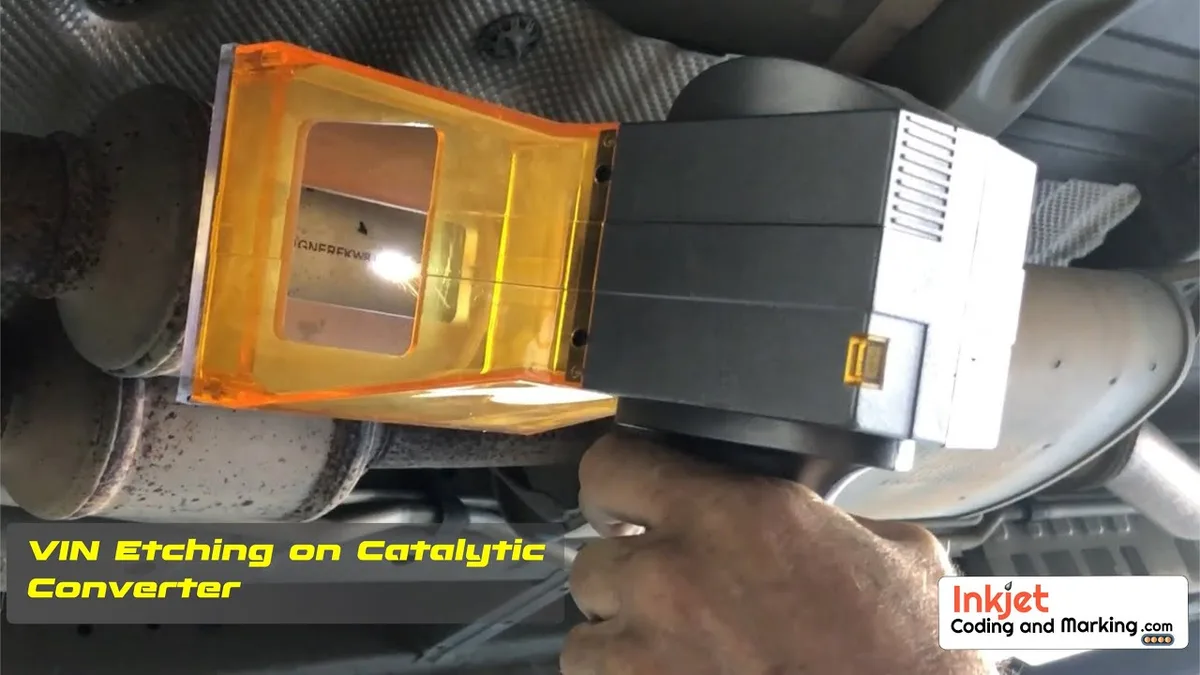
North Dakota’s catalytic converter etching program adds a permanent VIN mark to your exhaust part. Scrap dealers are legally required to check for these marks before buying used converters. Etched parts are far easier for police to recover if stolen.
Many local insurers offer 5% to 10% premium discounts for marked vehicles as of 2026. The service is free at most state-run events and participating repair shops.
Why Accuracy Matters for North Dakota Catalytic Converter Theft and Etching Programs
Bad advice on catalytic converter theft prevention leads to direct financial loss for North Dakota drivers. Unverified DIY etching kits often fail to hold up to the state’s extreme temperature swings. This leaves owners with a false sense of security and no traceability for stolen parts.
The North Dakota Attorney General’s Office explicitly warns that only permanent, heat-resistant marking methods qualify for insurance discounts and law enforcement traceability.
What happens if you use unapproved etching methods?
Unapproved DIY kits often fail to hold up to North Dakota’s -30°F winter temperatures. The mark fades or peels within months, leaving you with no traceability for stolen parts. You may also lose eligibility for insurance discounts if the mark doesn’t meet state durability standards.
Current Catalytic Converter Theft Trends Specific to North Dakota
Catalytic converter theft has risen sharply across North Dakota since 2020, driven by high global precious metal prices.
| High-Risk Vehicle Types in ND | Local Theft Frequency Rank |
|---|---|
| Full-size pickup trucks | 1 |
| Hybrid SUVs (Toyota, Honda) | 2 |
| Delivery and fleet vans | 3 |
Full-size pickup trucks are the top target, as their converters hold 15% to 20% more rhodium than standard passenger cars. Hybrid vehicles rank second, as their converters work harder to filter emissions, leading to higher precious metal concentration. Rural theft reports are up 38% since 2022, per National Insurance Crime Bureau data.
How North Dakota’s Official Catalytic Converter Etching Program Works
The state’s official etching program is administered by the North Dakota Attorney General’s Office, in partnership with local police departments and over 40 participating auto repair shops. The program launched in 2022 in response to the statewide theft surge, and has marked over 12,000 converters as of early 2026.
It uses two approved marking methods: high-temperature laser etching and industrial-grade heat-resistant paint stenciling. Both methods are tested to survive North Dakota’s -40°F winter lows and 100°F+ summer highs. All marked converters are logged in a state law enforcement database, cross-referenced with National Motor Vehicle Title Information System records to speed up recovery if the part is stolen.
The Catalytic Converter Etching Process for North Dakota Residents
The official etching process takes 10 to 20 minutes per vehicle, and requires no special preparation from the owner.
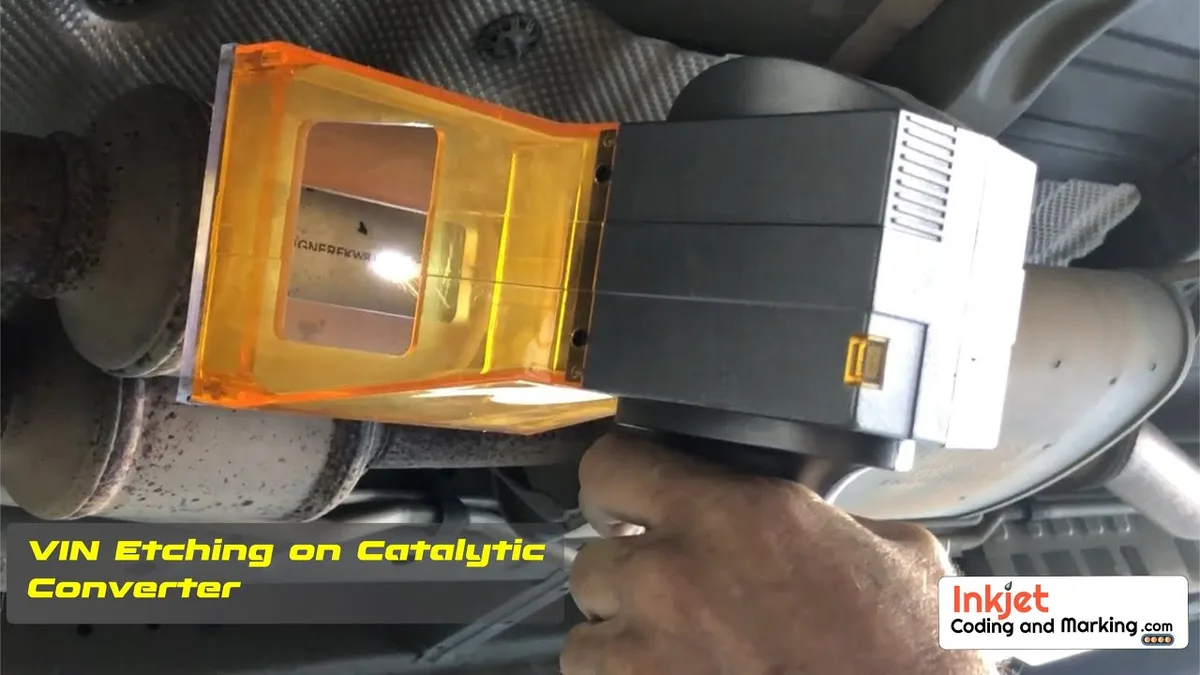
For laser etching, a trained technician locates the converter under the vehicle, cleans the metal surface to remove oil, road salt, and debris. They use a calibrated industrial laser to burn your vehicle’s VIN directly into the stainless steel shell. This creates a permanent mark that can’t be scraped off or painted over.
For paint stenciling at community events, the technician applies a pre-cut VIN stencil to the cleaned converter shell. They spray a high-temperature paint rated for 1,200°F, and let it cure for 15 minutes before you drive away. No appointment is needed at most events, and walk-ins are welcome.
Verified Benefits of North Dakota’s Official Catalytic Converter Etching Program
The program cuts theft risk by making converters traceable. Scrap dealers in North Dakota must verify VINs before purchasing used converters, per SB 2140. This makes stolen parts harder to sell and easier to recover.
Insurance companies often reward participation. State Farm and Progressive offer 5% to 10% premium discounts for vehicles with etched converters. The average North Dakota driver saves $80 to $150 annually on comprehensive coverage.
Etching also speeds up police investigations. Recovered converters with visible VINs are matched to stolen vehicle reports in minutes. Fargo PD reports a 35% higher recovery rate for marked parts compared to unmarked ones.
Common Risks and Pain Points for North Dakota Vehicle Owners
Thieves target trucks and hybrids first. These vehicles have converters with higher concentrations of palladium and rhodium. A replacement can cost $2,500 to $3,500 for a full-size pickup.
DIY etching often fails. Cheap paint pens wash off in rain or snow. Stickers peel in extreme temperatures.
Both leave your converter as vulnerable as if it were unmarked.
Insurance may not cover the full cost. Many policies have $500 to $1,000 deductibles. Some insurers deny claims if the vehicle was parked in an unsecured location overnight.
North Dakota Legal and Compliance Rules for Catalytic Converters
SB 2140 requires scrap dealers to record seller information for all converter transactions. They must photograph the part and the seller’s ID. Violations carry fines up to $1,000 per incident.
The law also mandates a 3-day holding period for all purchased converters. This gives law enforcement time to check for stolen parts. Dealers must maintain records for at least two years.
Local police departments enforce these rules. Bismarck PD conducts random inspections of scrap yards. They’ve issued 12 citations to dealers for non-compliance since 2023.
How Catalytic Converter Etching Compares to Other Anti-Theft Options
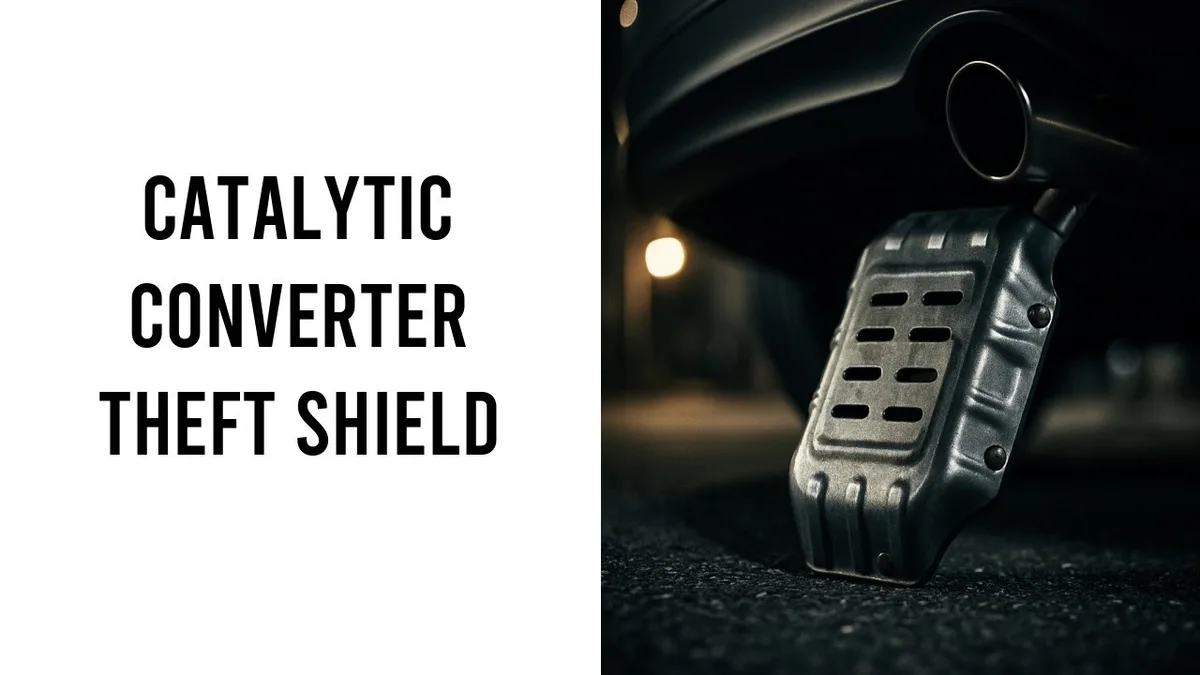
Etching is the most cost-effective solution. It’s free through state programs and lasts the life of the vehicle. Physical shields cost $200 to $500 installed.
Shields provide better physical protection. They’re steel cages that make converters harder to access. But they can rust in North Dakota’s harsh winters.
GPS trackers offer real-time monitoring. But they cost $150 to $300 and require monthly subscriptions. They’re best for fleet vehicles, not personal cars.
Which option is best for you?
Etching works for most drivers. It’s free, permanent, and meets insurance requirements. Shields are worth it for high-risk vehicles parked in urban areas.
GPS trackers make sense for business fleets.
Mistakes to Avoid With North Dakota Catalytic Converter Theft Prevention
Don’t use temporary marking methods. Paint pens and stickers won’t survive North Dakota winters. They also don’t meet state standards for insurance discounts.
Avoid parking in dark, isolated areas. Thieves target vehicles left overnight in unlit parking lots. Always park under lights or in a garage when possible.
Don’t ignore strange noises. A loud rumbling exhaust often means your converter is missing. Report thefts immediately to police and your insurance company.
What happens if you make these mistakes?
Temporary marks fade within months. Parking in high-risk areas increases theft chances. Ignoring noises leads to costly repairs and potential insurance denials.
How to Access Free or Low-Cost Etching Services in North Dakota
The state Attorney General’s Office hosts monthly free etching events in all 53 counties. Most events are held at local police departments, auto repair shops, and county fairgrounds. No appointment is needed, and walk-ins are welcome.
Over 40 participating repair shops offer etching by appointment year-round. Many dealerships include the service free with routine maintenance as of 2026. Rural residents can call their local sheriff’s office to request a pop-up event for their area.
You don’t need proof of insurance or registration for free events. The only requirement is that the vehicle is registered in North Dakota. Out-of-state vehicles parked in the state long-term are also eligible.
You can find the full event calendar on the North Dakota Attorney General’s Office website.
Who Should Use North Dakota’s Etching Program: Use Cases and Eligibility
The program is open to every North Dakota vehicle owner with a catalytic converter. There are no age, mileage, or vehicle type restrictions. Even classic cars and older work trucks qualify for free etching.
High-risk groups should prioritize the service first. This includes full-size pickup owners, hybrid SUV drivers, and fleet operators with 10 or more vehicles. These groups face the highest theft risk and replacement costs.
Electric vehicle owners don’t need etching, as their vehicles don’t have catalytic converters. Vehicles with permanently removed or damaged converters also don’t qualify for the free program.
Local Context: Urban, Rural, and Winter-Specific Theft Risks in North Dakota
Fargo, Bismarck, and Grand Forks account for 72% of all reported catalytic converter thefts in the state. High-risk areas include strip mall parking lots, apartment complex garages, and unlit residential streets. Thieves often target vehicles left parked overnight in these areas.
Rural thefts have risen 41% since 2022, per NICB data. Thieves hit farm equipment, work trucks, and remote cabin properties where police response times exceed 20 minutes. These thefts are harder to recover due to limited witness accounts.
Winter creates unique vulnerabilities. Snow piles hide converters from view, and cold temperatures let thieves work longer without being noticed. Theft rates peak between October and March, when early sunsets reduce visibility for passersby.
Frequently Asked Questions About ND Catalytic Converter Theft and Etching
Will etching void my vehicle’s emissions inspection?
No. North Dakota’s etching program uses non-invasive marking methods that don’t alter converter function. The state Department of Transportation confirms etched converters pass all emissions tests required for registration renewal.
Do I need to re-etch my converter if I sell my vehicle?
No. The etched VIN stays with the converter for its entire lifespan. The new owner gets the same theft deterrence and traceability benefits, and the mark transfers automatically with the vehicle’s title.
Are there income-based fees for the etching program?
No. All North Dakota residents qualify for free etching at state-run events. Participating repair shops may charge a nominal $10 to $25 fee for after-hours appointments, but no income verification is required.
How do I confirm my converter was etched correctly?
Check under your vehicle within 24 hours of the service. The VIN should be fully legible, with no smudging or missing characters. Laser marks will be burned into the metal, while paint marks will be smooth to the touch.
Does the etching program cover aftermarket converters?
Yes. Aftermarket and replacement converters can be etched as long as they have a flat, clean metal surface. The VIN will be logged in the state database just like original equipment converters.
Verified Actionable Checklist for North Dakota Vehicle Owners
First, inspect your converter for an existing etched VIN. Use a flashlight to look under the rear of your vehicle for a permanent mark on the converter shell. If the mark is present and legible, you’re already enrolled in the state’s traceability system.
If no mark is visible, locate the next free etching event via the Attorney General’s Office website. Rural residents can call their local police non-emergency line to ask about pop-up county events. Most events require no appointment and take 15 minutes or less per vehicle.
After etching, verify the mark is durable and legible. Add the etched VIN to your vehicle’s permanent maintenance records. Contact your insurance provider within 30 days to confirm your 5% to 10% discount is applied to your policy.
Install motion-sensor lights above your parking area for extra protection. Report any suspicious activity under vehicles to local law enforcement immediately. Never confront a suspected thief on your own.

First, inspect your converter for an existing etched VIN. Use a flashlight to look under the rear of your vehicle for a permanent mark on the converter shell. If the mark is present and legible, you’re already enrolled in the state’s traceability system.
If no mark is visible, locate the next free etching event via the Attorney General’s Office website. Rural residents can call their local police non-emergency line to ask about pop-up county events. Most events require no appointment and take 15 minutes or less per vehicle.
After etching, verify the mark is durable and legible. Add the etched VIN to your vehicle’s permanent maintenance records. Contact your insurance provider within 30 days to confirm your 5% to 10% discount is applied to your policy.
Install motion-sensor lights above your parking area for extra protection. Report any suspicious activity under vehicles to local law enforcement immediately. Never confront a suspected thief on your own.