Oklahoma mandatory liability insurance minimum 25/50/25 coverage limits are the baseline legal requirement for driving in the state. These numbers represent the minimum bodily injury and property damage coverage you must carry to stay compliant and avoid penalties.
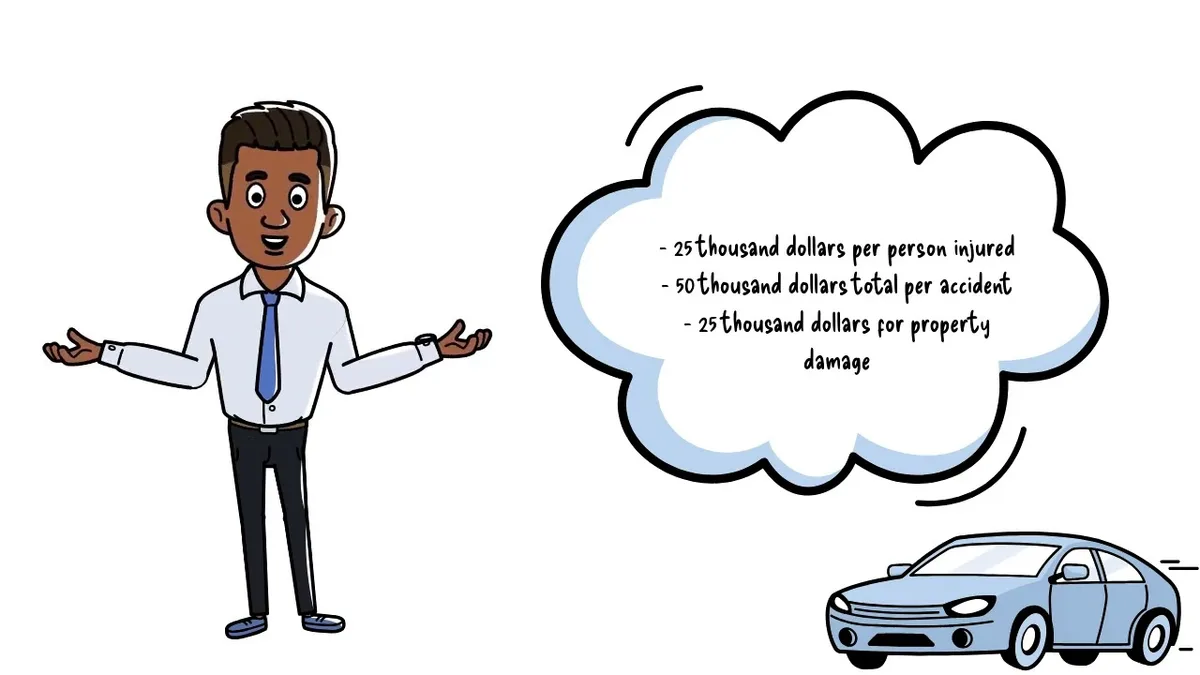
As of 2026, Oklahoma law mandates at least $25,000 in bodily injury coverage per person, $50,000 per accident, and $25,000 for property damage. Understanding what these limits actually cover, and where they fall short, can save you from costly surprises after an accident.
Quick Answer
Oklahoma mandatory liability insurance minimum 25/50/25 coverage limits are the state’s legal requirement. The first number covers $25,000 in bodily injury per person. The second covers $50,000 in bodily injury per accident.
The third covers $25,000 in property damage per accident.
What Oklahoma’s 25/50/25 Liability Insurance Actually Means
These numbers are shorthand for Oklahoma’s split-limit liability coverage. The 25/50/25 structure means your insurer will pay up to $25,000 for injuries to one person in an accident you cause. It will pay up to $50,000 total for injuries to all people in that same accident.
And it covers up to $25,000 for damage you cause to another person’s property, like their car or a fence.
This is purely liability coverage. It does not pay for your own injuries or damage to your own vehicle. It only covers the other party’s losses when you’re at fault.
Why These Minimums Matter (And When They’re Not Enough)
Oklahoma’s minimums exist to ensure drivers can cover basic costs if they cause an accident. But medical bills and repair costs often exceed these limits. A single hospital stay can easily surpass $25,000, and a totaled luxury car may cost far more than $25,000 to replace.
If your coverage maxes out, you’re personally responsible for the remaining costs. That’s why many drivers opt for higher limits, especially if they have assets to protect.
The Breakdown: What 25/50/25 Covers in Oklahoma
The 25/50/25 split covers three distinct scenarios. The first $25,000 applies to one person’s medical expenses, lost wages, or pain and suffering from an accident you cause. The $50,000 is the total payout for all injured parties in that accident.
The final $25,000 covers damage to the other driver’s property.

Here’s what it does not cover:
- Your own medical bills or car repairs
- Damage from non-accident events like theft or weather
- Injuries or damage if you’re hit by an uninsured driver
Who Needs This Coverage (And Who Should Get More)
Every driver in Oklahoma must carry at least 25/50/25 liability insurance to legally operate a vehicle. This includes new drivers, long-time residents, and even out-of-state drivers temporarily in Oklahoma.
You should consider higher limits if:
- You own a home or have significant savings
- You frequently drive in high-traffic areas like Oklahoma City or Tulsa
- You have a loan or lease on your vehicle
- You regularly transport passengers
Drivers with older cars and minimal assets may stick with the minimum. But even then, the risk of being underinsured in a serious accident is real.
The Risks of Sticking to Minimum Limits
Medical costs alone can wipe out Oklahoma’s 25/50/25 limits. A single emergency room visit for a broken leg can exceed $25,000. If multiple people are injured, the $50,000 per-accident cap may not cover all their bills.
Property damage adds another layer of risk. The average new car costs over $40,000, and even used vehicles often exceed $25,000 in value. If you total someone’s newer car, you could owe the difference out of pocket.
Worse, if you’re sued, your personal assets, savings, home equity, future wages, could be at stake. Oklahoma’s minimums are just that: the bare legal requirement, not a financial safety net.
Oklahoma’s Legal Requirements: What Happens If You Don’t Comply
Driving without at least 25/50/25 coverage is illegal in Oklahoma. If you’re pulled over or involved in an accident, you must show proof of insurance. Failure to do so can result in immediate penalties.
The first offense carries a fine of up to $250. Subsequent offenses can lead to fines up to $1,000 and suspension of your driver’s license and vehicle registration. Reinstatement fees add another $300 to $400 to get back on the road.
Oklahoma also uses an electronic verification system to track insurance status. If your coverage lapses, you’ll receive a notice and have 30 days to provide proof or face penalties.
How to Prove You’re Insured in Oklahoma
You must carry proof of insurance whenever you drive. The easiest way is a digital or paper insurance card from your provider. Oklahoma accepts both formats during traffic stops.
If you’re in an accident, you’ll need to exchange insurance information with the other driver. Keep a copy in your glove compartment as a backup.
Cost of Minimum Coverage vs. Higher Limits
Minimum liability insurance in Oklahoma is the cheapest option. Drivers with clean records typically pay between $40 and $80 per month for 25/50/25 coverage.

Higher limits like 50/100/50 often cost only $10 to $30 more per month. For many, that small increase provides far better protection against lawsuits and large claims.
When Lenders or Leasing Companies Demand More
If you finance or lease a vehicle, your lender will likely require more than Oklahoma’s minimum. Most banks and leasing companies mandate 100/300/100 liability limits. They may also require collision and comprehensive coverage.
This protects their investment in the vehicle. Until you pay off the loan or lease, the lender has a financial stake in the car.
Common Mistakes Oklahoma Drivers Make With Liability Insurance
Some drivers assume 25/50/25 covers their own car or injuries. It doesn’t. Others let their policy lapse, not realizing Oklahoma’s electronic verification system will flag them.
Another mistake is not updating coverage after major life changes. Buying a home, getting married, or adding a teen driver can all affect your insurance needs.
Should You Go Beyond 25/50/25? A Quick Decision Guide
If you have significant assets, higher limits are worth the cost. A lawsuit could otherwise put your savings or home at risk. Consider your net worth and how much you stand to lose.
If you drive an older car and have minimal assets, the minimum may suffice. But even then, the risk of a costly accident remains.

Where to Check the Latest Oklahoma Insurance Rules
The Oklahoma Insurance Department is the official source for current requirements. Their website lists the most up to date liability minimums and any recent changes to state law.
You can also verify requirements through the Oklahoma Department of Public Safety. They enforce insurance compliance and maintain the electronic verification system.
FAQs About Oklahoma’s 25/50/25 Requirement
What does 25/50/25 mean in car insurance?
It means $25,000 bodily injury coverage per person, $50,000 per accident, and $25,000 for property damage. These are Oklahoma’s minimum liability limits for auto insurance.
Is 25/50/25 enough coverage in Oklahoma?
For many drivers, no. Medical bills and repair costs often exceed these limits. If you have assets to protect, higher coverage is usually worth the small additional cost.
What happens if I drive without insurance in Oklahoma?
You’ll face fines starting at $250 for a first offense. Repeat offenses can lead to $1,000 fines and license suspension. You’ll also pay reinstatement fees to get your license back.
Do I need more than minimum coverage if I lease a car?
Yes. Most leasing companies require 100/300/100 liability limits. They also typically mandate collision and comprehensive coverage to protect their investment.
Can I show digital proof of insurance in Oklahoma?
Yes. Oklahoma accepts digital insurance cards on your phone. But you should also keep a paper copy in your vehicle as a backup.
How much does minimum liability insurance cost in Oklahoma?
Drivers with clean records typically pay $40 to $80 per month. Rates vary based on your driving history, age, and location. Higher limits usually add only $10 to $30 more per month.