ByMax Lee
Zep vs Vinegar: Which Glass Cleaner Wins?
Web (Bing) / grainger.com (Web image (fair-use with source credit))
Choosing between Zep Glass Cleaner and a vinegar DIY solution comes down to performance, cost, and convenience. The Zep Glass Cleaner vs vinegar DIY glass cleaner performance debate hinges on whether you prioritize professional-grade results or a natural, budget-friendly approach.
Manufacturer specs confirm Zep’s formula is designed for streak-free clarity on large surfaces, while vinegar’s 5% acetic acid cuts through light grime but may struggle with tougher residues.
Quick Answer
Zep Glass Cleaner delivers consistent, professional results on large or heavily soiled glass. Vinegar DIY works well for light, everyday cleaning at a fraction of the cost. Zep dries faster and handles grease better.
Vinegar is non-toxic and eco-friendly. Performance varies by surface and grime type.
Why This Comparison Matters for Glass Cleaning Performance
Glass cleaning isn’t just about shine. It’s about efficiency, safety, and long-term results. Commercial cleaners like Zep are formulated for speed and reliability in high-traffic areas.
DIY vinegar solutions appeal to those who want control over ingredients and costs.
Aggregate reviews report that Zep excels in commercial settings where time and consistency matter. Vinegar is a go-to for homeowners who prefer a simple, chemical-free approach.
Zep Glass Cleaner: What It Is and How It Works
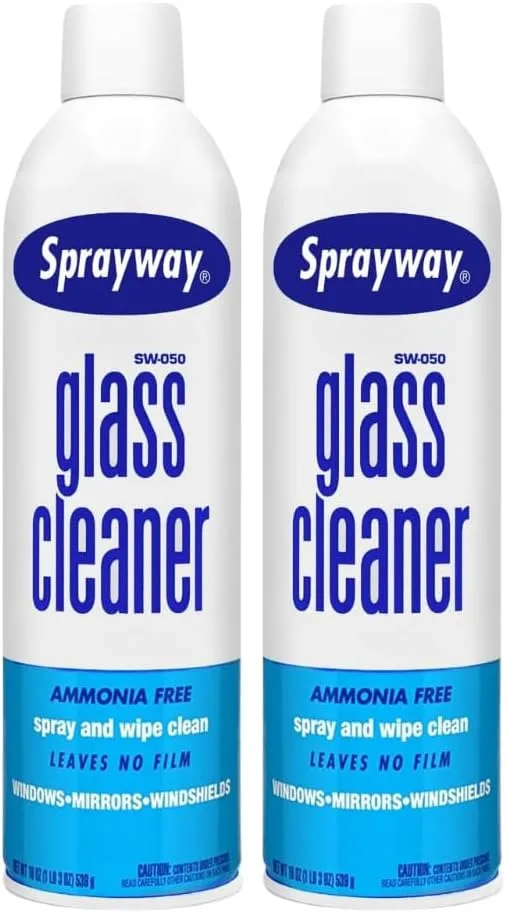
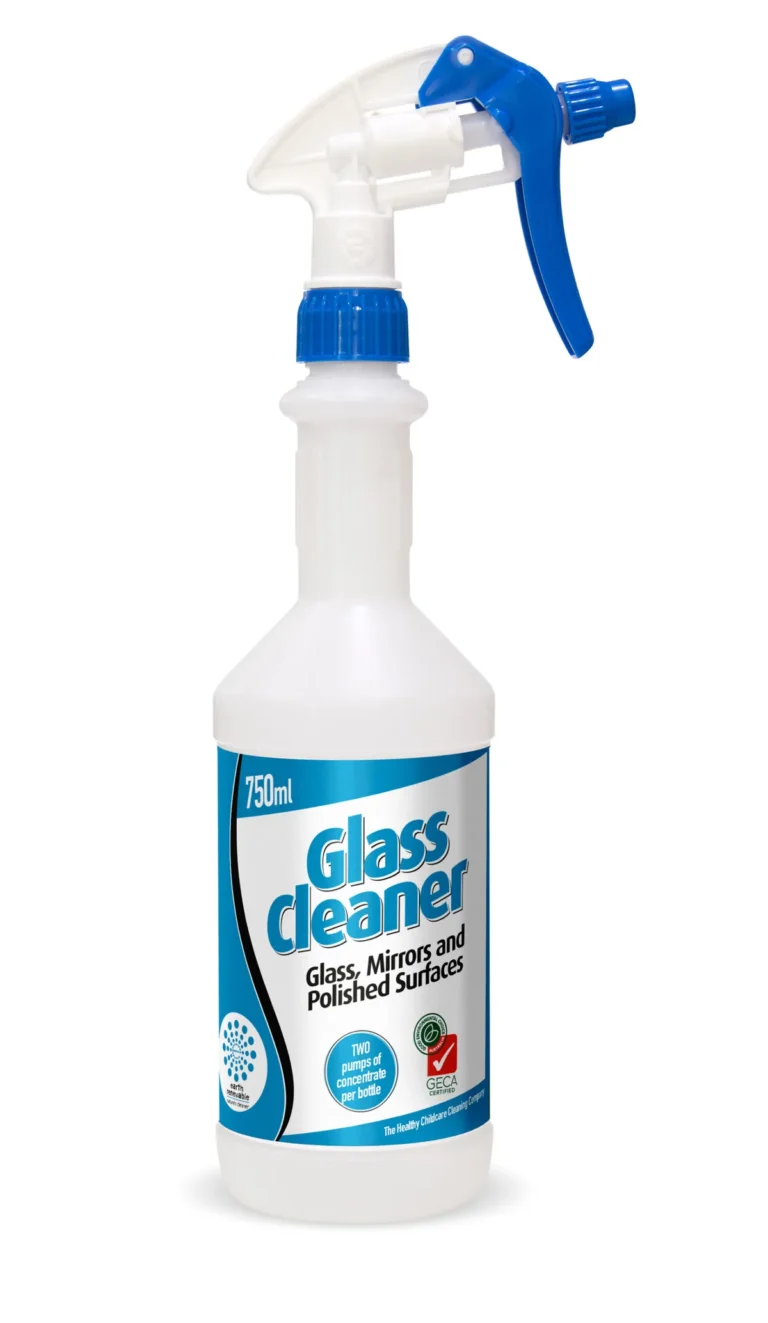
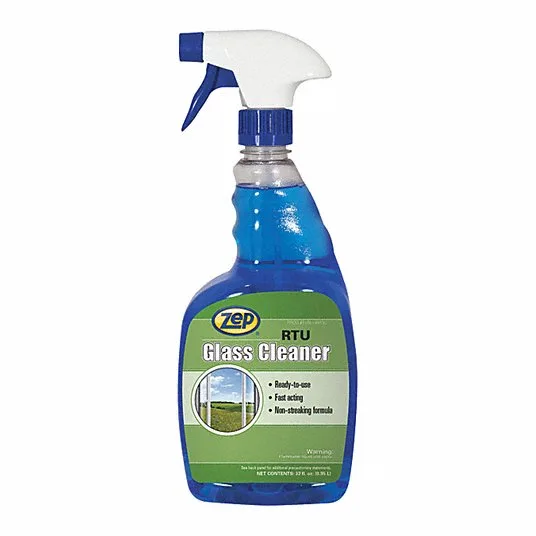
Zep Glass Cleaner is a professional-grade product designed for streak-free results. It’s commonly used in offices, schools, and retail spaces where large glass surfaces need frequent cleaning. The formula often includes solvents or surfactants that break down grease, fingerprints, and hard water stains quickly.
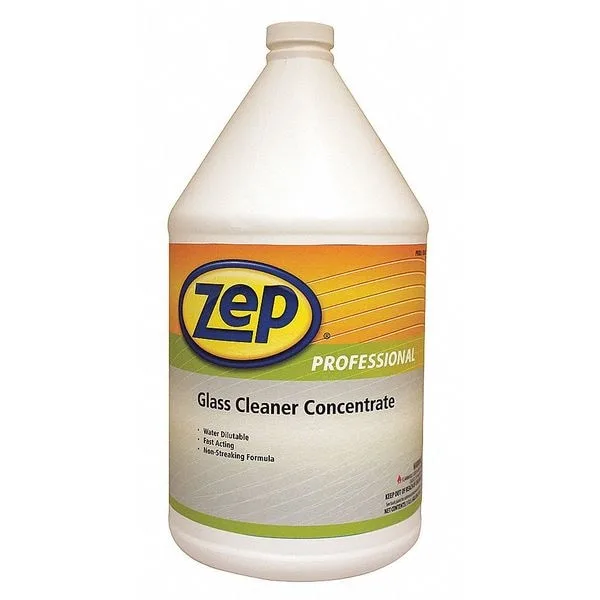
Most Zep variants are ready-to-use and come in spray bottles or concentrated jugs. The concentrated versions, like the 1-gallon jugs, are cost-effective for high-volume use.
Vinegar DIY Glass Cleaner: The Homemade Alternative
Bing (Web (fair-use with source credit))
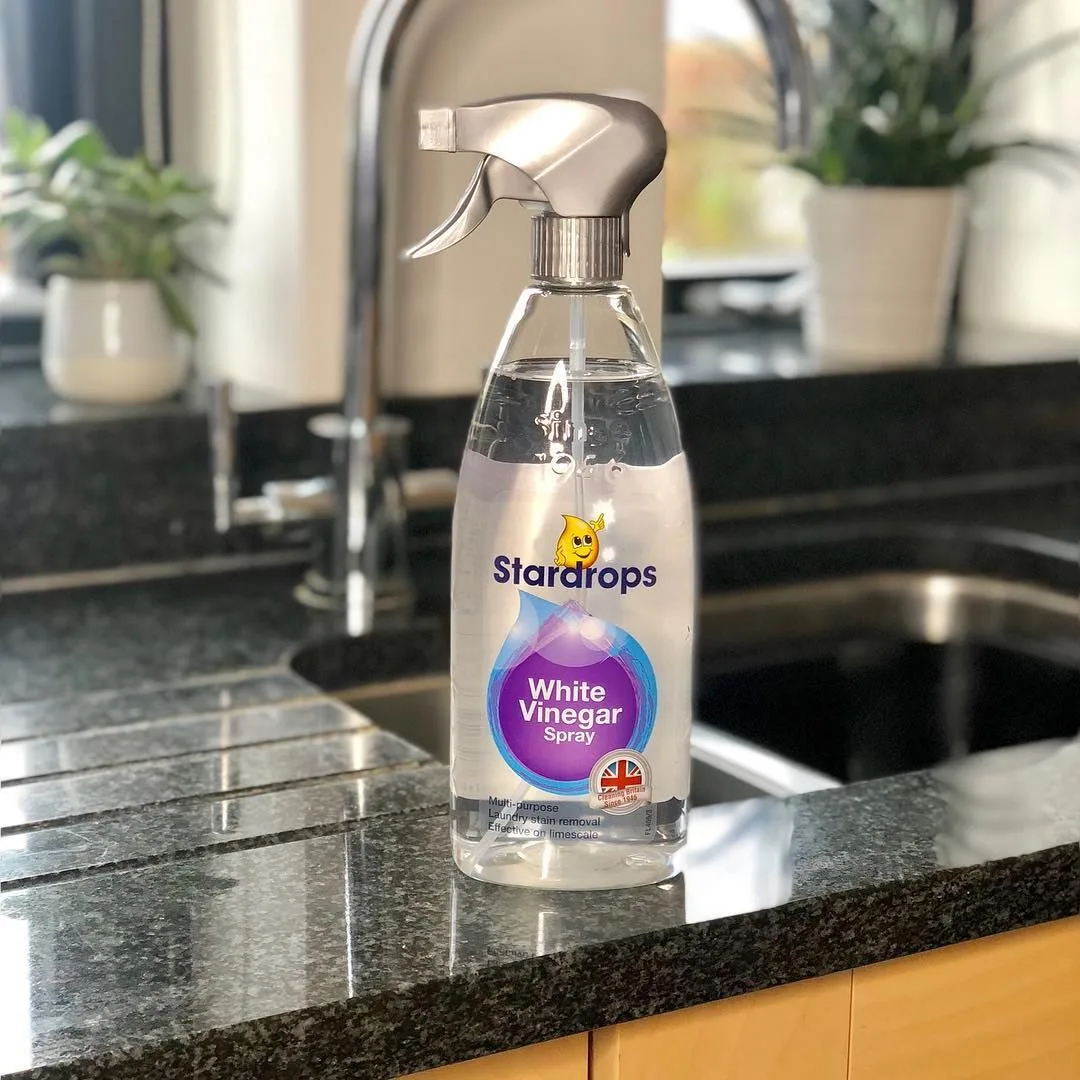
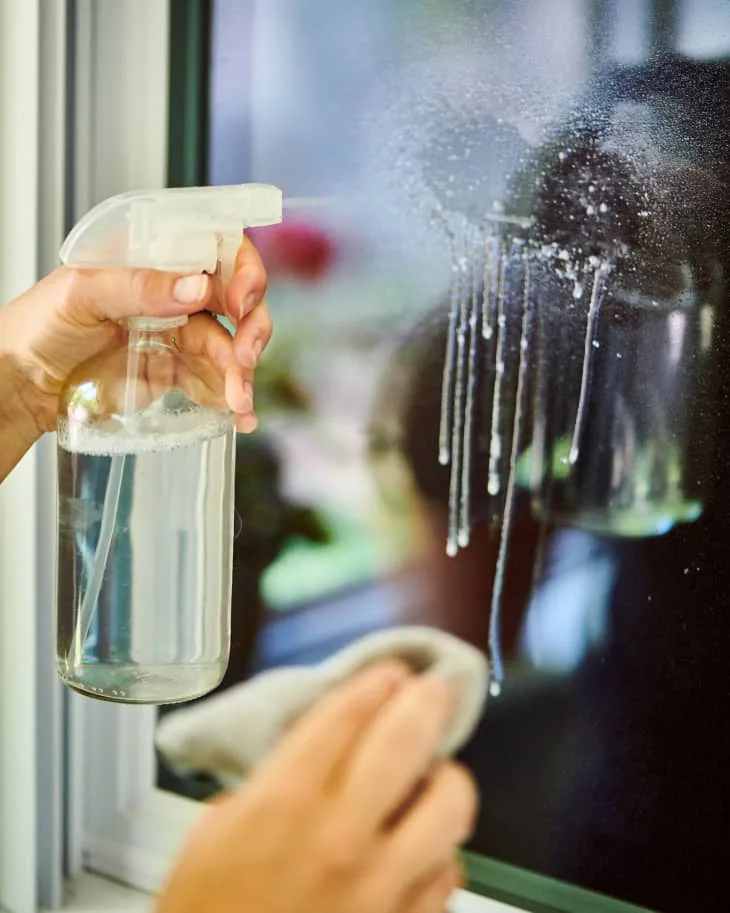
A vinegar DIY glass cleaner is as simple as mixing white vinegar with water. The standard ratio is 1:1, though some add rubbing alcohol for faster drying or a few drops of dish soap for extra grease-cutting power. White vinegar typically contains about 5% acetic acid, which helps dissolve mineral deposits and light grime.
This method is popular for its low cost and non-toxic nature. It’s ideal for home use, especially on windows, mirrors, and glass tables.
Performance Breakdown: Streaks, Shine, and Speed
Bing (Web (fair-use with source credit))
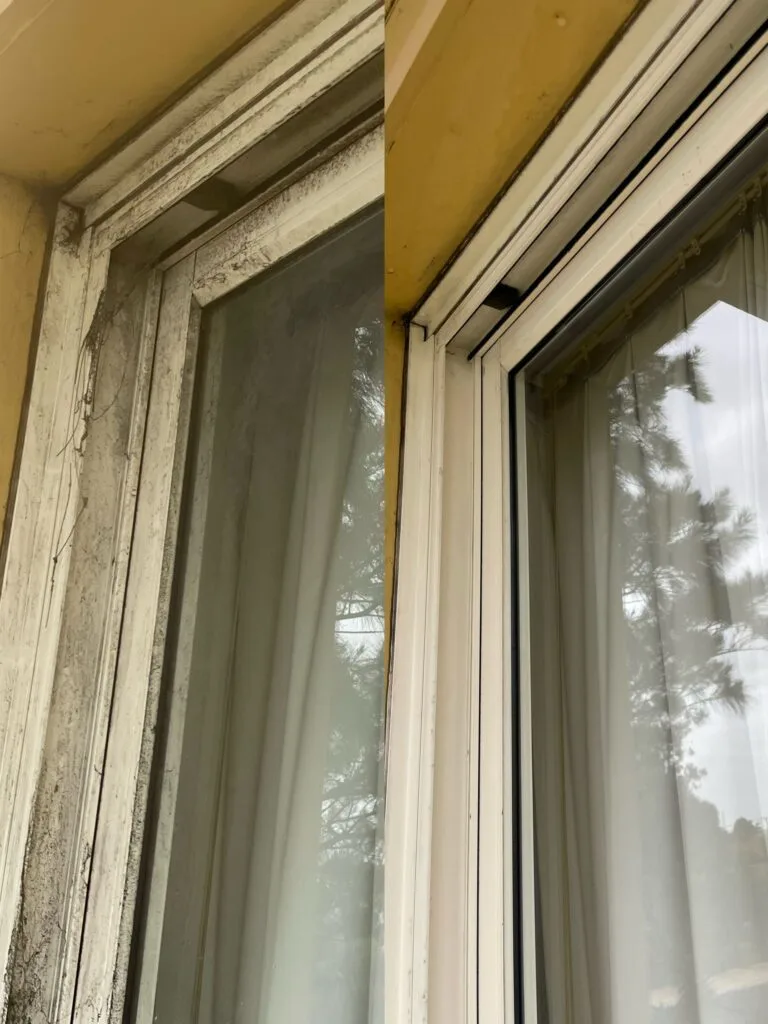
Here’s how the two stack up in key categories.
| Factor | Zep Glass Cleaner | Vinegar DIY |
|---|---|---|
| Cost per use | $0.05–$0.20 (concentrate) | $0.10–$0.50 (per 16 oz batch) |
| Drying time | 30 seconds | 1–2 minutes |
| Streak resistance | High | Moderate |
| Grease cutting | Excellent | Fair |
| Scent | Mild chemical or scented | Strong vinegar (fades when dry) |
| Eco-friendliness | Varies by formula | Fully biodegradable |
Zep wins for speed and heavy-duty cleaning. Vinegar wins for cost and safety.
Cost Comparison: Short-Term vs. Long-Term
Web (Bing) / zoro.com (Web image (fair-use with source credit))
Zep Glass Cleaner costs between $5, $15 per gallon for concentrate, or $3, $8 for a ready-to-use spray bottle. A single gallon of concentrate can make up to 128 spray bottles’ worth of solution.
Vinegar DIY is far cheaper upfront. A 16-ounce batch costs about $0.10, $0.50. Over time, the savings add up, especially for homeowners who clean windows occasionally.
Best Use Cases for Each Cleaner
Web (Bing) / thekitchn.com (Web image (fair-use with source credit))
Zep Glass Cleaner is best for:
- Commercial spaces like offices, schools, or retail stores
- Large glass surfaces (windows, doors, display cases)
- Heavy-duty grime (grease, fingerprints, hard water stains)
- Professional cleaners or janitorial staff who need speed and consistency
Vinegar DIY Glass Cleaner is best for:
- Home use (kitchens, bathrooms, personal vehicles)
- Eco-conscious users who prefer non-toxic, chemical-free solutions
- Budget-conscious cleaners who want a low-cost alternative
Side-by-Side: Zep vs. Vinegar DIY
Zep is the practical choice for big projects or reliable results every time. Vinegar DIY is hard to beat for everyday home cleaning where cost and simplicity matter.
Safety and Surface Compatibility
Web (Bing) / sparklingpenny.com (Web image (fair-use with source credit))
Zep Glass Cleaner is generally safe for most glass surfaces but check the label. Some formulas contain solvents that can damage tinted windows, acrylic, or certain plastics.
Vinegar is safe for standard glass but avoid using it on:
- Natural stone (granite, marble)
- Hardwood finishes
- Egg-based stains (vinegar can set protein stains)
For both cleaners, use in a well-ventilated area.
Common Mistakes That Ruin Results
Using the wrong cloth
Paper towels can leave lint. Microfiber is the gold standard for streak-free results.
Cleaning in direct sunlight
Heat causes cleaners to dry too fast, leading to streaks. Work in shade or on cloudy days.
Skipping the pre-clean
Dust and debris can scratch glass when wiped. Dust surfaces first, then apply cleaner.
Over-applying product
Too much liquid leads to drips and streaks. A light mist is all you need.
Pro Tips for Flawless Glass Every Time
Start with the right tools. A squeegee works wonders for large windows, while a microfiber cloth is perfect for mirrors and small panes.
For Zep, spray directly onto the glass and wipe in a circular motion. For vinegar, mix fresh batches weekly for maximum effectiveness.
If you’re dealing with hard water stains, add a tablespoon of rubbing alcohol to your vinegar solution. For extra shine, buff with a dry microfiber cloth after cleaning.
When to Choose Zep Over Vinegar (and Vice Versa)
Pick Zep if:
You need fast, reliable results on large or heavily soiled surfaces. You clean glass frequently and want a no-fuss solution.
Pick vinegar if:
You prefer a natural, non-toxic cleaner. You’re on a tight budget. You’re cleaning small areas occasionally at home.
For most homeowners, keeping both on hand makes sense. Use Zep for tough jobs and vinegar for quick touch-ups.
FAQs About Glass Cleaner Performance
Does vinegar damage glass over time?
No, vinegar does not damage standard glass with regular use. Its mild acidity helps dissolve mineral deposits. However, avoid using it on treated or coated glass without checking manufacturer guidelines first.
Can Zep Glass Cleaner be used on car windows?
Yes, Zep is safe for most automotive glass. It effectively removes road grime and fingerprints. Always test on a small area first, especially on tinted windows.
Why does my vinegar cleaner leave streaks?
Streaks usually come from residue or improper drying. Use a microfiber cloth and wipe in one direction. Hard water can also cause streaking, so consider adding rubbing alcohol to your mix.
Is Zep Glass Cleaner ammonia-free?
Some Zep formulas are ammonia-free, but not all. Check the label for the specific variant you’re using. Ammonia-free versions are safer for sensitive surfaces.
How often should I replace my vinegar cleaner mix?
Replace your vinegar solution every 1, 2 weeks for best results. Over time, the acetic acid can degrade, reducing effectiveness.
Final Verdict: Which One Wins for Your Needs?
Zep Glass Cleaner is the better choice for professional or heavy-duty cleaning. Its speed, streak resistance, and grease-cutting power make it ideal for commercial spaces or large jobs.
Vinegar DIY is perfect for homeowners who want a natural, budget-friendly option. It’s effective for light cleaning and safe for most household surfaces.
For most people, having both on hand covers all bases. Use Zep for tough jobs and vinegar for quick, everyday cleaning.