ByMax Lee
How to Tell If Your Ceramic Coating Has Failed Or Just Needs a Decontamination Wash: Essential Tips
You’ve invested time and money into a ceramic coating to keep your car looking flawless. But now, you’re staring at your paint and wondering—has the coating actually failed, or does it just need a good decontamination wash?
It’s a frustrating spot to be in because the signs can look very similar. Knowing the difference can save you from unnecessary repairs or disappointment. You’ll discover clear, simple ways to tell if your ceramic coating is truly failing or if your car just needs a deep clean to shine again.
Keep reading to protect your investment and get your paint back to that showroom glow.
Signs Of Ceramic Coating Failure
Loss of hydrophobic properties means water no longer beads on the surface. Water spreads out, making the coating less effective. This often shows the coating needs cleaning or reapplication.
Visible surface imperfections like scratches, swirl marks, or dull spots may appear. These do not always mean failure but could be dirt or minor damage. A thorough wash can help reveal the true condition.
Increased water spots and stains appear more easily on the surface. Hard water or pollutants can cause this. Washing the car with proper products usually removes these stains.
Fading or discoloration might look like the coating is gone. Dirt and contaminants can cause dullness. A good decontamination wash can restore the shine without needing full reapplication.

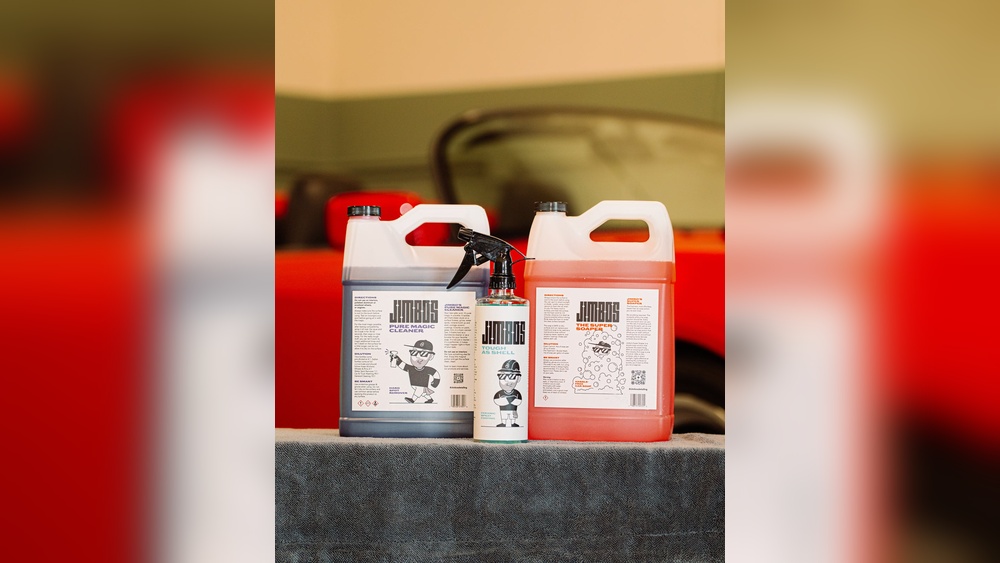
Credit: jimbosdetailing.com
Indicators For A Decontamination Wash
Surface contaminants like dust, tree sap, or road grime often build up on ceramic coatings. These can make the surface feel rough or look dull but do not harm the coating itself. A gentle wash can remove these contaminants easily.
Dullness without scratches or chips usually means the coating is still intact. Dirt and grime can hide the shine. After washing, the surface should regain its glossy look. This shows the coating is working fine.
If dirt comes off quickly with soap and water, the coating is likely still protecting well. Stubborn spots or stains that lift after a wash mean the coating is just dirty, not failed. Regular cleaning keeps the coating strong and shiny.
Differences Between Failure And Contamination
Water beading and sheeting show how well the coating works. If water forms small beads, the coating is still good. Flat water or big drops mean dirt or damage.
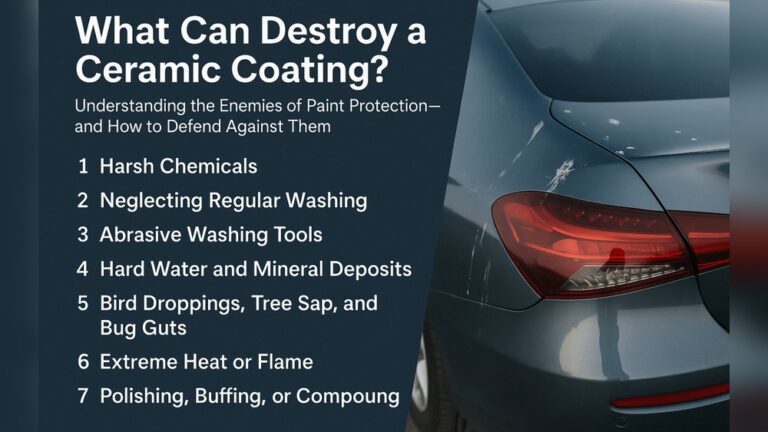
Chemical etching leaves marks or stains on the surface. These cannot be cleaned with a wash. Etching means the coating has failed or worn out.
| Test | What to Look For | Meaning |
|---|---|---|
| Water Beading and Sheeting | Small water beads or smooth sheets | Coating is healthy or needs cleaning |
| Chemical Etching | Stains or marks on the surface | Coating has failed or worn off |
| Coating Thickness | Measured with a gauge | Thinner coating means wear or failure |
Checking the coating thickness helps confirm the condition. A thin layer means the coating is near its end. A thick layer means it just needs cleaning.

Credit: www.amazon.com
Decontamination Wash Methods
Clay bar treatment removes dirt and tiny particles stuck on the paint. It glides over the surface to lift contaminants without hurting the coating. This method helps keep the ceramic coating smooth and shiny.
Iron fallout removers target small iron particles stuck on the surface. These particles can cause rust spots if left untreated. Spraying the remover and rinsing cleans these harmful spots safely.
Using specialized cleaners helps remove tough grime and oils without stripping the ceramic layer. These cleaners are gentle but effective. They keep the coating strong and help maintain water repellency.
When To Reapply Ceramic Coating
Signs that ceramic coating is beyond repair include deep scratches, water spots that won’t wash off, and a dull surface. If the coating feels rough or peeling, it may be time to reapply. Stains that soak into the paint also show the coating has lost its protection.
Preparation steps before reapplication start with a thorough wash to remove dirt and old contaminants. Use a clay bar to get rid of stuck particles. Polishing the surface helps fix minor scratches and evens out the paint. Make sure the surface is dry and clean before applying new coating.
| Product Type | Purpose | Tips for Use |
|---|---|---|
| Ceramic Coating | Protects paint and adds shine | Apply in thin, even layers |
| Clay Bar | Removes surface contaminants | Use on wet paint with lubricant |
| Polish | Fixes scratches and smooths surface | Use with a soft pad, not too often |

Credit: www.reddit.com
Maintenance Tips To Extend Coating Life
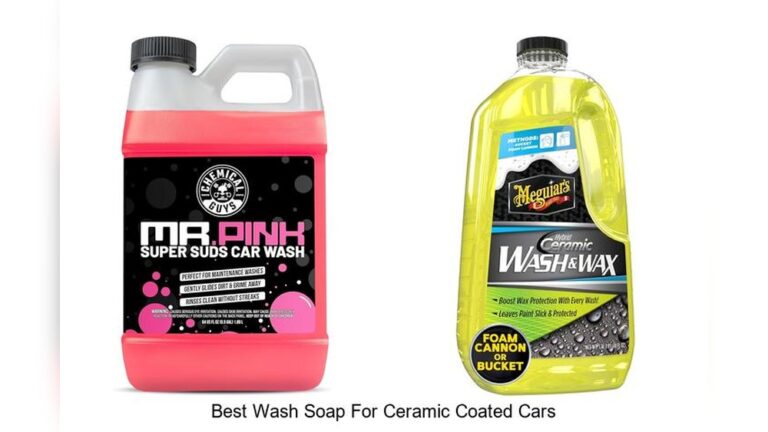
Regular washing keeps the ceramic coating strong and clean. Use gentle soap and soft cloths to avoid scratches. Avoid harsh chemicals like acids or strong detergents. These can damage the coating and reduce its life.
Check the coating often for dirt, stains, or damage. Small spots may only need a decontamination wash to restore shine. Look for dull areas or water spots that do not go away with washing.
| Care Tip | Why It Matters | How to Do It |
|---|---|---|
| Regular Washing | Removes dirt and keeps shine | Use mild soap, soft cloths |
| Avoid Harsh Chemicals | Prevents coating damage | Skip acidic or strong cleaners |
| Periodic Inspections | Detects problems early | Look for dull spots or stains |
Conclusion
Knowing the difference saves time and money. Dirt and grime can hide under the coating. A simple decontamination wash often restores shine. True failure shows deeper damage or loss of protection. Regular cleaning keeps your ceramic coating effective longer. Check your car carefully before deciding to reapply.
Keep your coating healthy with proper care. Stay patient and observant for the best results. Your car will thank you with lasting shine.