ByMax Lee
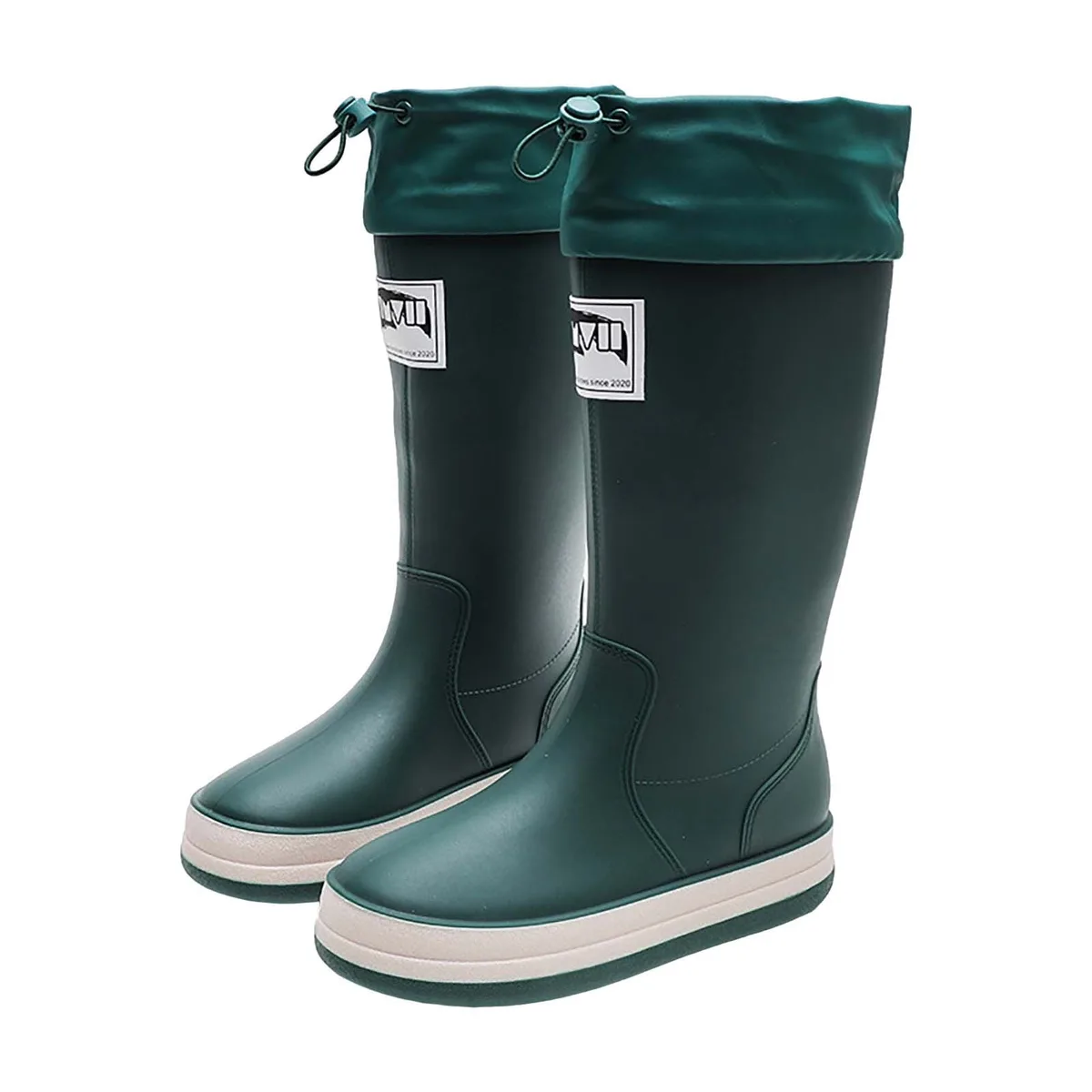
Guide to Rubber Boots for Men at Car Wash: Complete Guide
If your feet are wet, cold, or aching by lunch, you won’t make it through a full shift. That’s the real problem with rubber boots for men at car wash jobs, most people grab any cheap pair and regret it by day three. Car wash work isn’t just standing in puddles; it’s standing in soapy, chemical-laden water on slick concrete for eight to ten hours.
Your boots need to handle that without cracking, slipping, or turning your feet into prunes.
Manufacturer specs confirm that a typical rubber boot lasts six to eighteen months under daily car wash exposure, depending on material and care. But the wrong boot can fail in weeks. That’s why matching the boot to your specific work conditions matters more than the price tag.
Let’s walk through what actually works.
Quick Answer
The best rubber boots for men at car wash work are slip-resistant, chemical-resistant, and comfortable for all-day standing. Look for ASTM F2413 steel‑toe protection if you handle equipment. Natural rubber or neoprene outperforms PVC in cold weather.
A chevron or siped outsole with a coefficient of friction of 0.5 or higher (per ASTM F2913) is essential for wet concrete. Expect to spend $60 to $180 for a durable pair.
Why Car Wash Boots Are Different From Regular Rain Boots
Rain boots are designed for puddles and mud, not for industrial detergents, degreasers, and tire shine. Car wash chemicals contain surfactants and solvents that break down standard rubber compounds fast. A regular rain boot might look waterproof, but the soles are often smooth and the rubber can turn brittle within a month of daily exposure to alkaline soaps.
Your boots also have to grab on a surface that’s perpetually wet and soapy. That demands a specific outsole pattern, deep lugs or siped rubber, that meets ASTM F2913 slip resistance testing. Most rain boots lack that certification.
And there’s the standing factor: eight hours on concrete requires proper arch support and shock absorption, which cheap rain boots never provide.
The takeaway is simple. If you’re working a car wash, don’t grab the $15 gum boots from the hardware store. They’ll cost you more in discomfort and replacement.
What to Look For: The Non-Negotiable Features for Car Wash Work
When you’re shopping, focus on five features that separate car wash boots from casual rain boots.
- Slip resistance: Look for an outsole rated to ASTM F2913 or Mark II testing. Chevron or siped patterns work best on wet concrete. Avoid smooth or shallow lug patterns.
- Chemical resistance: Natural rubber and PVC handle most car wash detergents, but PVC can become brittle in cold weather. Neoprene offers the best all-round durability against chemicals, UV, and temperature swings.
- Steel toe or composite toe: If you move equipment, push carts, or handle heavy tools, steel toe (ASTM F2413) protects against crushing injuries. Soft toe is fine for light duty but won’t stop a dropped pressure washer.
- Height and fit: Mid-calf boots (10, 12 inches) are lighter and more flexible. Knee-high boots (14, 16 inches) keep water and soap from splashing inside when you kneel or squat. Match the height to your typical posture.
- Comfort for long shifts: Removable insoles, neoprene liners, and a snug heel cup reduce fatigue. Boots that are too wide cause blisters; too narrow cut off circulation. Your best bet is a model with a calf adjustment if you have larger or smaller legs.
A good way to narrow your choices is to think about your daily routine. Do you stand mostly, walk long distances, or kneel to scrub? Your stance determines which features matter most.
Material Showdown: Natural Rubber vs. PVC vs. Neoprene
Each boot material has trade-offs. Here’s how they compare for car wash work.
| Material | Pros | Cons | Best For |
|---|---|---|---|
| Natural rubber | Excellent traction, good chemical resistance, flexible in cold | Heavier, can crack if not stored properly | Year-round use, colder climates |
| PVC (polyvinyl chloride) | Very affordable, lightweight, good chemical resistance | Becomes stiff in cold, less breathable, can crack with UV exposure | Budget-friendly, warm-weather car washes |
| Neoprene (upper) + rubber (lower) | Flexible, comfortable, good insulation, resists chemicals and UV | Pricier, upper can wear faster than solid rubber | All‑day comfort, cold weather, long shifts |
Natural rubber is the gold standard for durability if you don’t mind the weight. PVC is the budget option but only works if your car wash stays above 50°F. Neoprene hybrids, like Muck Boot’s construction, combine a stretchy upper with a rugged rubber bottom, giving you the best of both worlds for comfort and longevity.
For most car wash workers, a neoprene‑upper boot is the smartest investment. It breathes better, flexes with your ankle, and doesn’t crack in winter. You’ll pay $80 to $150, but you’ll get a full year or more instead of three months from cheap PVC.
Top Brands Compared: Muck Boot, Bogs, Dunlop, Xtratuf, Servus & Tingley
Not all boots are built for the same job. Here’s a breakdown of the most common brands you’ll see in car washes, based on aggregate user feedback and manufacturer specs.
Muck Boot – Best for all-day comfort
Muck Boot’s Chore and Arctic Sport models use a neoprene upper and rubber lower. They’re flexible, warm, and have a chevron outsole that grips wet concrete well. The removable insole is a big plus.
They run about $110 to $160. Downsides: the neoprene can absorb odors over time, and the boot runs a bit large, size down if you’re between sizes.
Bogs – Best for cold-weather car washes
Bogs uses a similar neoprene construction with a thicker insulation layer (often 7mm to 10mm). The Classic High is a popular tall boot. They’re very warm and durable, but the internal liner makes them hotter for summer use.
Expect to pay $120 to $180. Bogs also offers a slip‑resistant outsole that meets ASTM standards.
Dunlop Purofort – Best for chemical resistance
Dunlop’s Purofort line is made from a proprietary PVC blend that stays flexible in cold weather (down to about 20°F). It resists oils, acids, and detergents well. The boots are lightweight and have a steel‑toe option.
Pricing is mid‑range at $60 to $90. The trade‑off is less cushioning than neoprene boots.
Xtratuf – Best for lightweight flexibility
Xtratuf boots are famous in fishing and marine work. They’re made from neoprene with a slip‑resistant rubber outsole. The Ankle Deck boot is a shorter option that’s easy to move in.
They run $90 to $130. Keep in mind they offer less ankle support than taller boots, and the neoprene can wear faster if exposed to harsh chemicals daily.
Servus (Honeywell) – Best budget steel‑toe
Servus makes affordable PVC and rubber boots with steel toes. They’re common in industrial settings. The Servus 22700 steel‑toe boot is around $40 to $50.
It’s simple, tough, and easy to clean. The downside is comfort: minimal arch support and no insulation. Great for a spare pair or light duty, but not for eight‑hour shifts.
Tingley – Best overshoe option
Tingley makes rubber overshoes that fit over your work shoes. They’re less expensive ($25 to $40) and can be an option if you don’t want a separate boot. But they lack the ankle support and durability of full boots.
Use them only if your job involves quick in‑and‑out of wet areas rather than constant standing in water.
Each brand suits a different work style. If you stand still for long periods (like a tunnel attendant), neoprene boots from Muck or Bogs are your best bet. If you move a lot (like a detailer or pressure washer), a lighter Dunlop or Xtratuf may be more practical.
Steel Toe vs. Soft Toe: How Much Protection Do You Really Need?
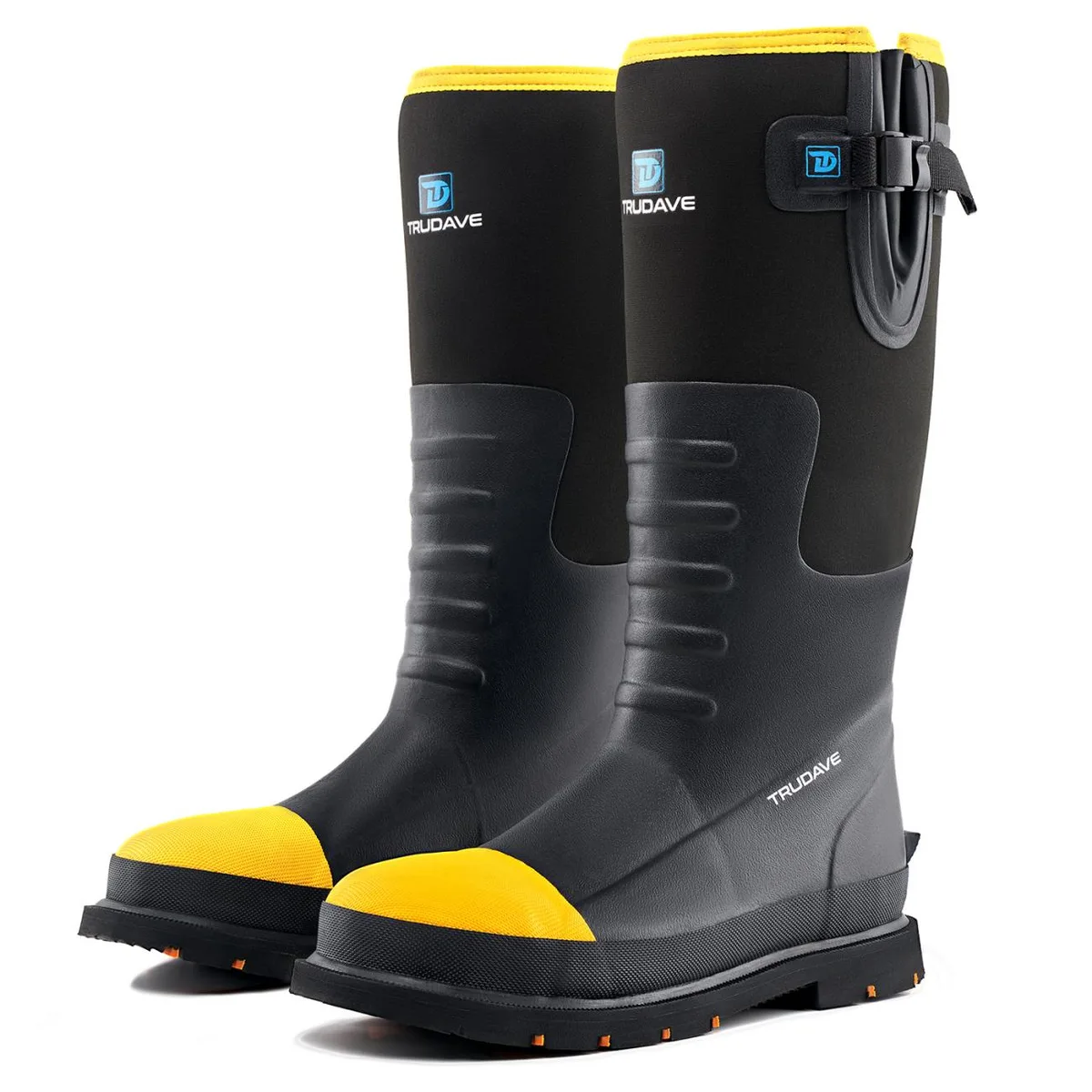
Steel toes aren't mandatory for every car wash job, but they make a big difference when things go wrong. If you handle heavy equipment, push loaded carts, or work around rolling tools, a dropped pressure washer or a falling rack can crush your foot. The ASTM F2413 standard for impact and compression is the benchmark here.
Steel toes rated to that standard withstand up to 75 pounds of impact and 2,500 pounds of crushing force.
Soft‑toe boots are lighter and more comfortable for long shifts. They weigh roughly half a pound less per boot, which adds up over ten hours. But they offer zero protection against crushing.
If your job is strictly washing cars by hand without equipment nearby, soft‑toe might be fine. For tunnel attendants or anyone near moving machinery, steel toe is the safer bet.
Composite toes are a middle ground. They meet the same ASTM F2413 standard but don't conduct cold like steel. That matters in winter car washes where steel toes turn into ice blocks.
Composite toes are also lighter, though they cost a bit more. Our research shows most car wash owners require steel or composite toes for liability reasons. Check your employer's policy before buying.
Tall Boots vs. Mid-Calf: Which Height Works Best at a Car Wash?
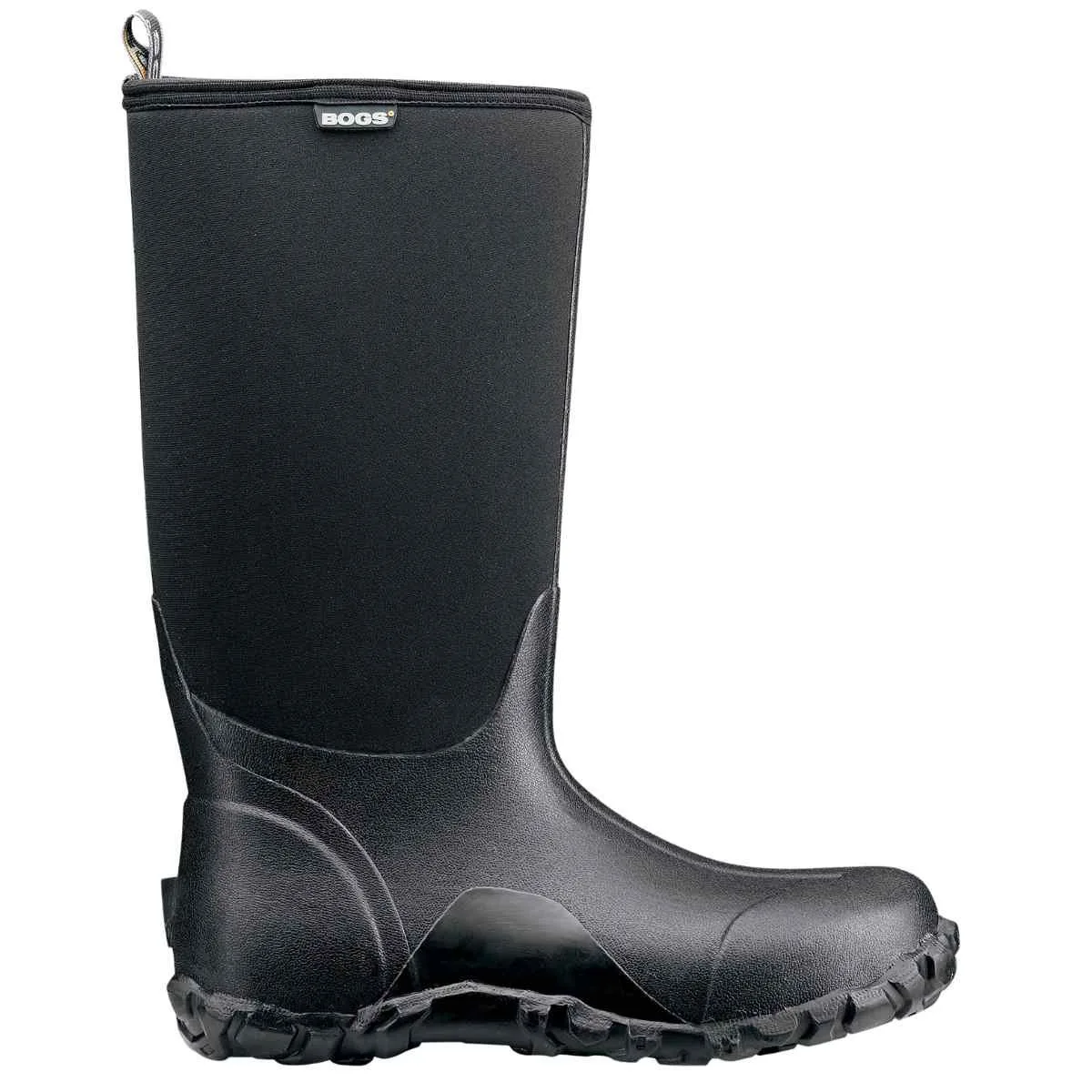
The height of your boot determines how much water and soap splash onto your pants and socks. Tall boots (14, 16 inches from heel top) cover your calf and keep water out when you kneel or squat. Mid‑calf boots (10, 12 inches) are lighter and easier to move in but leave your lower leg exposed.
For most car wash workers, tall boots are the right choice. When you're spraying underneath cars or kneeling to scrub tires, water runs down your leg. A tall boot stops that cold trickle.
Mid‑calf boots work better for detailers who move quickly between cars and rarely stay in deep water. They're also cooler in summer.
Here's a quick comparison:
| Height | Weight (approx.) | Water protection | Mobility |
|---|---|---|---|
| 10–12 in (mid‑calf) | 2.5–3.0 lbs | Good for standing water | High – easy to bend and walk |
| 14–16 in (knee‑high) | 3.0–4.0 lbs | Excellent – keeps water out when kneeling | Moderate – stiffer at ankle |
Aggregate user reviews indicate that knee‑high boots from brands like Bogs and Muck Boot are preferred for tunnel work, while mid‑calf Xtratufs are popular among mobile detailers. Try on both heights with the socks you'll wear. If you feel restriction behind the knee when bending, go shorter.
Budget vs. Premium: Where Your Money Goes (and When to Spend More)
You can find rubber boots for $25 at a discount store. You can also spend $200 on a premium pair. The gap isn't just branding.
Here's what your extra money buys.
| Price Range | Typical Boots | Expected Lifespan | Key Features |
|---|---|---|---|
| $25–$50 | Basic PVC or rubber, soft toe | 2–4 months | Thin walls, smooth sole, no insulation |
| $60–$90 | Mid‑range PVC or rubber, steel toe option | 6–9 months | Better tread, some chemical resistance, removable insole |
| $100–$180 | Neoprene upper + rubber lower, known brands | 9–18 months | ASTM slip rating, insulation, good fit, warranty |
Cheap boots crack in cold weather and lose traction quickly. Premium boots use thicker rubber compounds that resist the detergents and degreasers found in car wash chemicals. They also have better arch support, which reduces foot fatigue.
If you work full‑time at a car wash, spending $100, $150 is the sweet spot. You'll get a full year of use with proper care. Spending $40 every three months adds up to $160 a year anyway, and you deal with wet feet and blisters in between.
The math leans toward premium. For part‑time or occasional use, a mid‑range boot around $70 is fine.
Best Boots by Use Case – Attendant, Detailer, Pressure Washer
Your specific job dictates which boot features matter most.
- Tunnel attendant (standing position): You stand still for hours on a wet concrete floor. Prioritize comfort and insulation. A neoprene boot like the Muck Boot Chore or Bogs Classic High with a thick insole and steel toe (if required) works best. Slip resistance is non‑negotiable because you're in a constant spray zone.
- Self‑serve bay attendant (moving, squatting): You walk between bays, squat to scrub, and handle hoses. You need lightweight boots with good ankle flexibility. Mid‑calf Xtratuf or Dunlop Purofort with a soft toe gives you mobility. Chemical resistance matters because you clean up spillages.
- Mobile detailer (walking, kneeling): You're constantly in and out of vehicles, moving across parking lots. You want a boot that's easy to slip on and off. A mid‑calf boot with a quick‑pull handle is ideal. Look for a removable insole so you can swap in orthotics. The Bogs Workman fits this role well.
- Pressure washer (high‑volume water exposure): You stand in a constant stream of water and chemicals. Knee‑high boots are essential to keep water from running down your legs. Steel toe is recommended because you're handling heavy equipment. The Servus steel‑toe rubber boot is a budget option, but upgrading to Dunlop Purofort with steel toe gives better cold‑weather performance.
For more on maintaining a clean work area and protecting your gear, check out the RoadworthyLabs blog for practical tips.
5 Common Mistakes That Ruin Car Wash Boots (and How to Avoid Them)
A good pair of boots can last over a year. These mistakes cut that lifespan in half.
1. Leaving boots in direct sunlight. UV rays break down rubber and neoprene. After your shift, store boots in a shaded area or inside.
Even a few hours of afternoon sun accelerates cracking.
2. Using harsh solvents to clean them. Car wash chemicals are tough on rubber. Scrubbing boots with brake cleaner, gasoline, or acetone dissolves the material.
Use mild soap and water instead. A soft brush and hose is all you need.
3. Putting wet boots near a heater. Drying boots on a radiator or with a hair dryer melts the glue and warps the sole. Stuff them with newspaper and let them air dry at room temperature.
Remove the insoles separately.
4. Ignoring sole wear. Once the tread pattern flattens, slip resistance drops fast. Check your soles every month.
If the lugs are worn down by half, it's time for a new pair. Slipping on wet concrete is one of the most common car wash injuries.
5. Buying boots that are too large. Loose boots cause blisters and make you slip inside the boot. They also let water seep in through the top.
Your heel should not lift more than a quarter inch when you walk. Try boots with the socks you'll wear on shift.
How to Clean, Dry, and Maintain Your Boots for Maximum Lifespan
Proper care doubles the life of your boots. Rinse them with a hose after every shift to remove soap residue and chemicals that eat away at the rubber. Use a soft brush and mild soap (dish soap works fine) for stubborn grime.
Avoid bleach or industrial degreasers.
Dry boots at room temperature. Stuff them with newspaper to absorb moisture and help them keep their shape. Remove the insoles and dry those separately.
Never put boots on a heater or in direct sunlight. Heat damages the adhesive and causes rubber to crack.
Once a month, inspect the outsole for wear. If the tread depth is less than half of what it was new, replace them. Check the lining for tears or odor buildup.
A light sprinkle of baking soda inside overnight can control smell. Store boots upright in a cool, dry area.
Sizing and Fit Tips for Standing 8+ Hours on Concrete
Getting the right fit is crucial for avoiding blisters and foot fatigue. Your heel should not lift more than a quarter inch when you walk. If it does, the boot is too loose and will cause friction.
Wear the socks you plan to use on shift when trying boots. Thick wool or neoprene socks add volume. If the boot feels snug but not tight, that's your size.
Remember that neoprene boots stretch slightly with body heat.
Arch support matters. Most rubber boots come with flat, removable insoles. Swap them for a good quality orthotic insole designed for standing.
This reduces pressure on your heels and arches. If you have wide feet, look for boots marked as wide or with adjustable calf straps. Tight calves cause circulation problems after a few hours.
Final Verdict: Which Rubber Boot Should You Buy for the Car Wash?
For most full‑time car wash workers, a neoprene‑upper boot with a steel toe and ASTM F2913 slip‑rated outsole is the smartest choice. The Muck Boot Chore Steel Toe or Bogs Workman Steel Toe both meet these criteria and consistently get high marks from users for comfort and durability.
If you work part‑time or in warm weather, a mid‑range PVC or rubber boot like the Dunlop Purofort Steel Toe offers solid protection for about $80. It's lighter and handles chemicals well, but skip it if your car wash gets below freezing.
Mobile detailers and pressure washers should prioritize flexibility and quick‑drying features. The Xtratuf Legacy or a lightweight rubber boot with a soft toe and good tread will serve you well. Just remember: the cost per wear on a $130 boot that lasts 18 months beats a $40 boot that lasts four months.
Invest in your feet.