ByMax Lee
Guide to Moose and Large Wildlife Collision Protocols
Moving to Alaska means sharing the road with animals that can total your car in a split second. Moose and large wildlife collision protocols are not optional knowledge here, they're the difference between driving home and spending the night in a ditch.
Alaska DOT&PF data shows roughly 800 to 1,000 moose-vehicle collisions every year statewide, with most happening between September and October during the rut. Understanding what to do before you see the animal is the only way to react fast enough. Let's walk through exactly how that works.
Bing (Web (fair-use with source credit))
Quick Answer
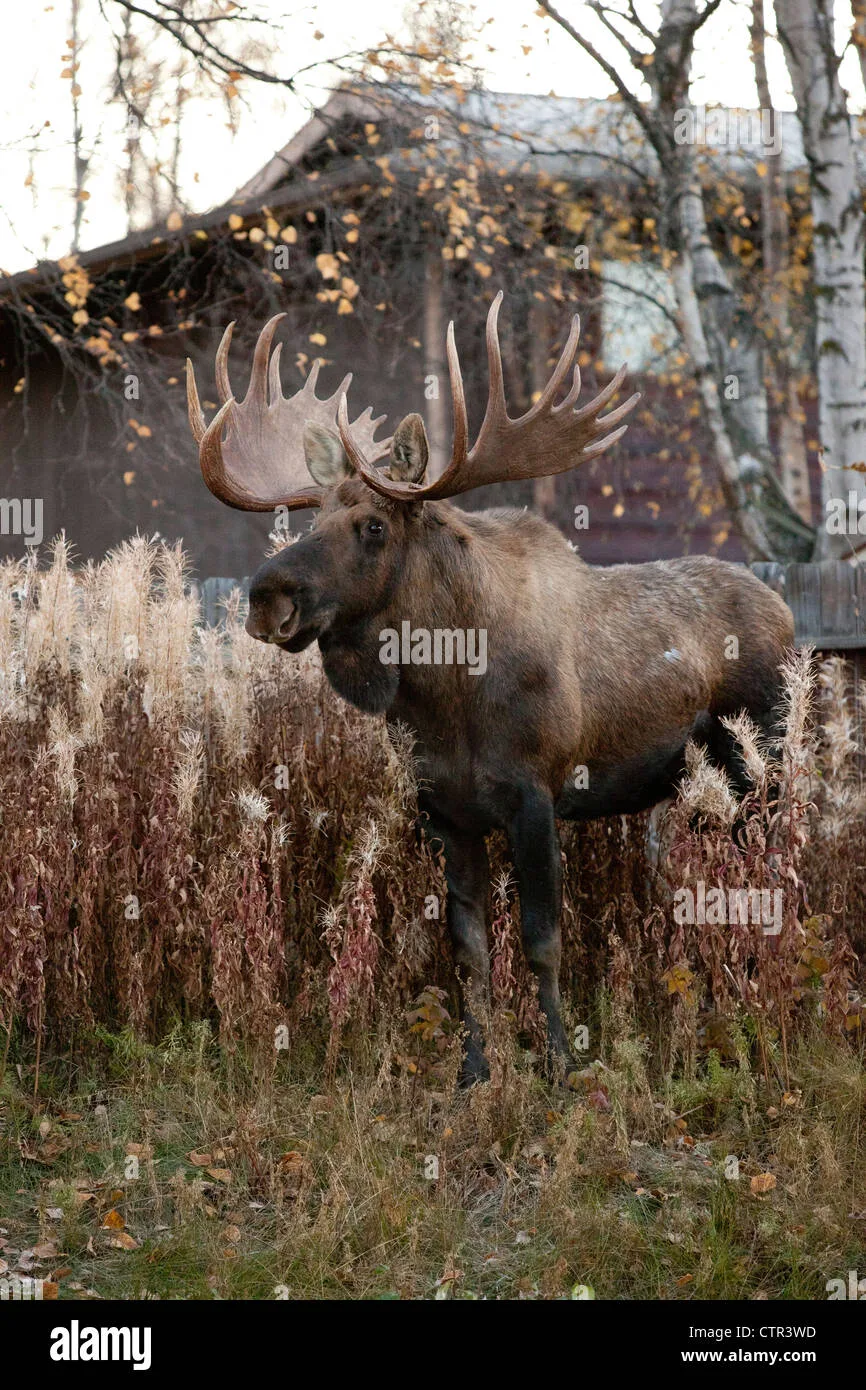
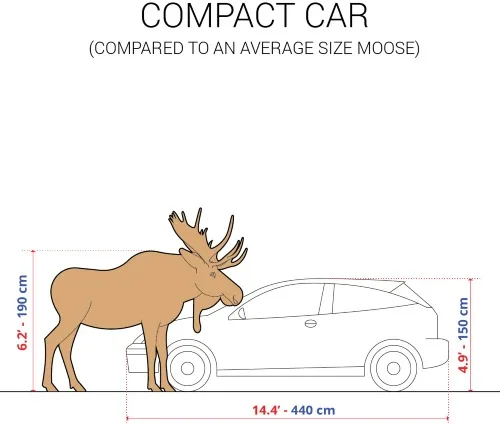
Moose are 6 to 7 feet tall at the shoulder and weigh up to 1,200 pounds. Their long legs lift the body to windshield height on most cars. Never swerve to avoid a moose.
Brake in a straight line. If collision is unavoidable, brake hard, keep the wheel straight, and release the brake just before impact. After any strike, report it to Alaska State Troopers.
The Real Problem: Why Moose Are a Different Beast Than Deer
If you've driven anywhere else in the US, you probably learned "brake and swerve" for deer. That advice will kill you in Alaska. Moose are built differently, and that changes everything.
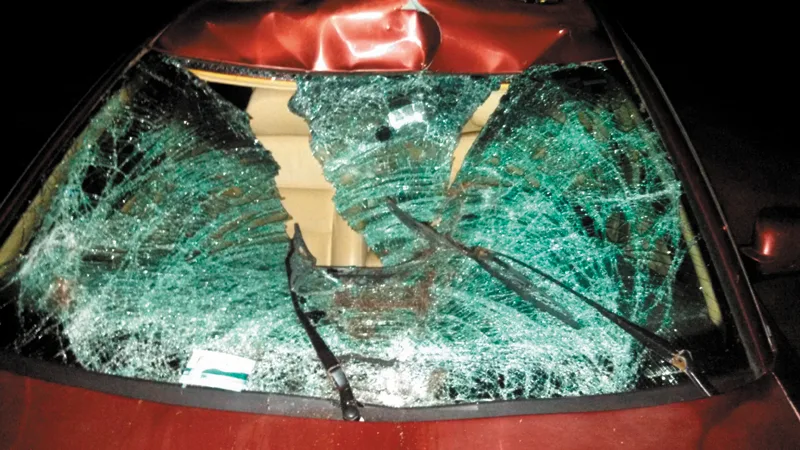
A deer's body is low to the ground. When you hit one, it usually goes under the bumper or rolls over the hood. A moose stands so tall that its body comes straight through the windshield on most cars, trucks, and SUVs.
That's not an exaggeration. The Alaska Injury Prevention Center reports that cab intrusion, the moose entering the passenger compartment, is the primary cause of serious injury and death in these crashes.
Weight is another factor. An adult bull moose can weigh as much as a compact car. Hitting one at 55 mph produces forces comparable to a low-speed collision with another vehicle.
Your airbags will deploy, but they can't do much against a 1,200-pound animal crashing through the windshield.
Behavior matters too. Deer usually run. Moose often stand still on the road.
They might stare at your headlights and refuse to move for several seconds. That hesitation is what makes the decision tree so important, you don't have time to guess what it will do.
Why Moose Behave the Way They Do (And What That Means for Your Drive)
Bing (Web (fair-use with source credit))
Moose aren't trying to get hit. But their behavior around roads is driven by four things: food, salt, migration, and rut.
Salt attraction. Alaska DOT&PF uses salt on many highways in winter. Moose are drawn to it. They'll stand on the road shoulder licking the pavement, especially in late winter and early spring.
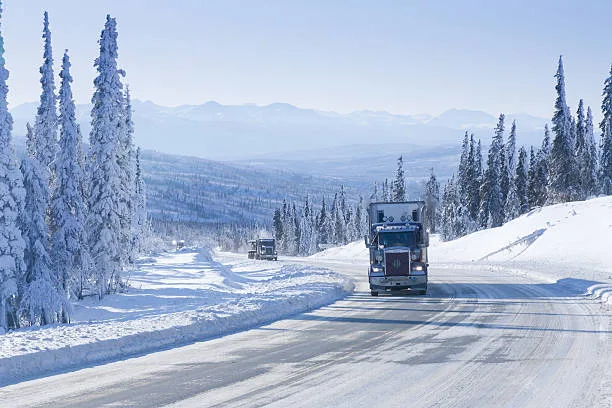
That puts them right in your lane at the worst possible time, when roads are icy and stopping distance is doubled.
Seasonal movement. Moose have two peak periods for crossing roads: May and June during calving season, and September through October during the rut. Cows with calves are unpredictable. Bulls during the rut are single-minded and may bolt across a highway without looking.
Migration corridors. Moose use the same routes year after year. Longtime Alaska residents know the hotspots on the Parks Highway near Willow, the Glenn Highway around Palmer, and the Seward Highway near Turnagain Arm. If you see warning signs with a moose silhouette, believe them.
Dark coat at night. Moose are dark brown. At night, especially on unlit stretches of highway, they are nearly invisible until your headlights hit them. Their eyeshine is dull compared to deer and caribou, so you might not even catch the reflection until you're too close.
Understanding this behavior helps you predict where and when to expect trouble. It's not random, it's biology and habit.
The Conditions That Change Everything: Time, Season, Weather, and Road
Your decision in a moose encounter depends heavily on conditions. Here's how different factors change the protocol.
| Condition | Risk Level | What to Do Differently |
|---|---|---|
| Dusk or dawn (6–8 AM, 6–10 PM) | High | Reduce speed 10–15 mph below posted limit. Use high beams when no traffic is approaching. |
| Night, no moon | Highest | Drop speed to 45 mph or less in known moose corridors. Scan both ditches continuously. |
| Rut season (Sep–Oct) | Highest | Expect moose to cross anywhere. Drive as if one will appear around every bend. |
| Calving season (May–Jun) | High | Cows with calves may be more defensive. Give extra space. Do not honk. |
| Rain or fog | High | Moose blend into wet pavement. Reduce speed and increase following distance. |
| Snow or ice | Critical | Stopping distance doubles or triples. Drive 35–45 mph on moose-prone highways. Do not brake hard in a turn. |
| Dry pavement, clear daylight | Moderate | Full stopping distance available. Still, do not swerve. |
The single most important variable is speed. Alaska DOT&PF studies show that the risk of fatality in a moose collision drops significantly at speeds under 45 mph. You cannot stop in time at 60 mph on a dark winter night.
Physics doesn't care about your schedule.
If you're driving a route you know has moose, adjust your speed before you see one, not after. That's the difference between a near miss and a totaled car.
The Decision Tree: What to Do in Every Major Scenario
Bing (Web (fair-use with source credit))
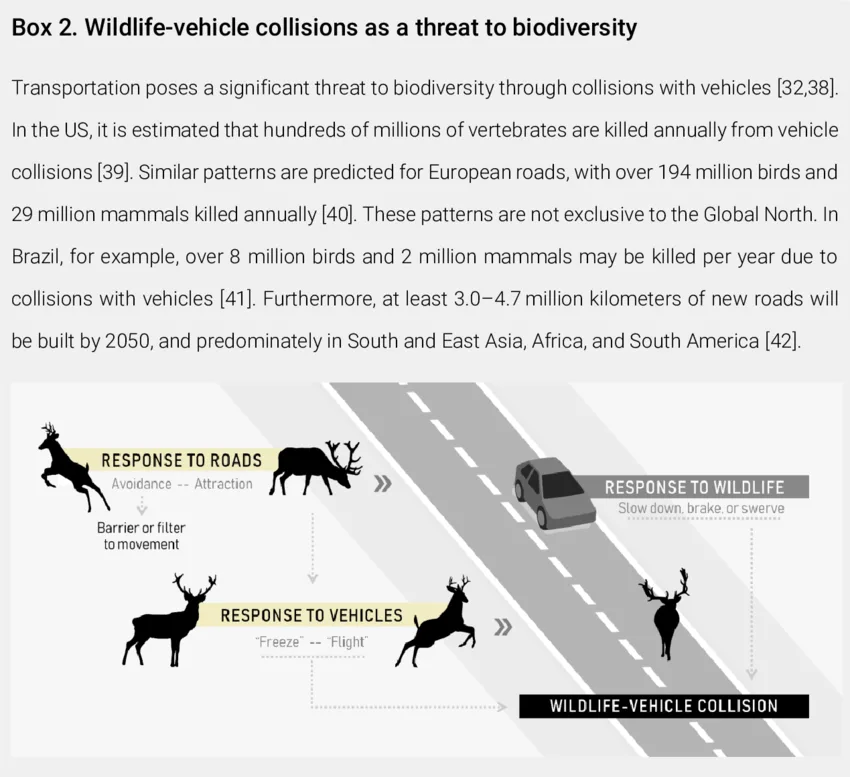
This is the core of moose and large wildlife collision protocols. Each situation demands a different response. Here's the if/then logic for the five most common scenarios.
You See a Moose Standing on the Shoulder
Do not assume it will stay there. Moose can bolt into the road without warning, especially if something spooks them, another vehicle, a dog, a loud noise.
If the moose is 100 feet or more from the road: slow down gradually. Flash your high beams briefly. Tap your horn in short bursts.
Watch for any shift in posture, head up, ears back, weight shift. If it moves toward the road, brake firmly.
If the moose is within 50 feet of the road: reduce speed immediately. Prepare to stop. Do not honk loudly, that can panic the animal and cause it to run directly into your path.
Coast past slowly if it stays still.
The Moose Is Already on the Road, Standing Still
This is the most dangerous scenario. Many drivers freeze or swerve. Here's the correct response.
If you have at least 200 feet of stopping distance: brake in a straight line. Stop before you reach the animal. Wait.
Do not honk. Do not rev your engine. Give the moose time to decide.
It may walk off on its own.
If you have less than 200 feet or cannot stop in time: brake hard in a straight line. Do not swerve. If you must choose between hitting the moose and leaving the road, hit the moose.
Leaving the road at speed means rollovers, trees, guardrails, or oncoming traffic.
The Moose Starts Moving Toward or Across the Road
If the moose is walking (not running): judge its trajectory. Moose walk faster than you think. If it's crossing from left to right and you have room, brake and let it pass.
Never try to accelerate in front of it.
If the moose is running: do not guess which way it will go. Running moose are unpredictable. Brake hard straight.
The most common mistake is steering to avoid the moose and hitting it anyway because it changed direction.
A Moose Suddenly Bolts From the Ditch
This is the nightmare scenario, no warning, no time. You have one to two seconds to react.
Brake immediately in a straight line. Do not turn the wheel. At highway speed, a steering input of even 5 degrees at 55 mph will put you into the oncoming lane or the ditch. Holding the wheel straight gives you the best chance of a controlled stop or a straight-on impact.
If you cannot stop and the moose is directly in front: brake hard, keep the wheel straight, and release the brake just before impact. This allows the front of the vehicle to rise slightly, which can push the moose up and over the windshield rather than through it. It's not a magic trick, but Alaska search and rescue teams recommend it as the least bad option.
The Collision Is Unavoidable — What Now?
If you've done everything right and still cannot avoid the hit, here's the final protocol.
Keep both hands on the wheel. Do not cover your face. Brace for impact with your arms straight. The airbag will deploy, let it do its job.
If your hands are off the wheel, the airbag can throw them into your face.
Steer straight into the animal. Do not try to "hit it with the fender" or aim for a specific part of the body. Straight-on impact distributes force through the vehicle's crumple zone. An angled hit can rotate the animal into the windshield.
Expect a second impact. If you hit a cow moose, the calf may be right behind. Do not relax after the first hit. Be ready to brake again or steer if the second animal appears.
Stop as soon as it's safe. Pull off the road, turn on your hazard lights, and check yourself and your passengers for injuries. Then call for help.
The One Thing You Must Never Do (And Why It Costs Lives)
Swerving is the single deadliest mistake you can make in a moose encounter. Alaska State Troopers and the DOT&PF both emphasize this in their collision data. It's not an exaggeration to say swerving kills more people than the impact itself.
Here's why. At 55 mph, a sharp steering input sends your vehicle into a skid or rollover. Moose collisions happen on rural highways with narrow shoulders, ditches, trees, and oncoming traffic.
A swerve that misses the moose often puts you into a tree, a guardrail, or another car. The Alaska Injury Prevention Center reports that occupants in vehicles that left the road to avoid an animal suffered significantly higher injury rates than those who braked straight.
The physics is unforgiving. Modern vehicles have electronic stability control, but it cannot save you from a panic swerve at highway speed on a gravel shoulder or icy road. If you feel the urge to turn the wheel, override it.
Keep both hands planted at 9 and 3. Brake straight. Let the car's crumple zones and airbags do their job.
What to Do Immediately After a Collision
Bing (Web (fair-use with source credit))
The moment your vehicle stops, your brain needs a checklist. Here's the order of operations.
Check yourself and passengers. Move your neck and limbs. Look for bleeding. If anyone is seriously hurt, call 911 first.
If everyone is stable, move to the next step.
Get the vehicle to a safe position. If it's drivable, pull completely off the road and onto the shoulder. Turn on your hazard lights. If the car is blocking a lane and cannot move, stay inside with your seatbelt on until help arrives.
Exiting a disabled vehicle on a dark Alaska highway is extremely dangerous.
Call for help. Dial 911 or the Alaska State Troopers. Give your exact location using mile markers, highway names, and direction of travel. If you cannot see a mile marker, describe landmarks, bridges, or turnoffs.
Alaska roads are long and remote. A precise location saves hours.
Do not approach the moose. An injured moose can still kick and charge. Its legs are powerful enough to break bones. Wait for Troopers or animal control to handle it.
Keep your distance.
Document the scene. Take photos of the vehicle damage, the animal's position, the road conditions, and any nearby signage. These photos help your insurance adjuster process a comprehensive claim faster.
Insurance in Alaska: What Covers a Moose Strike (And What Doesn't)
Alaska requires liability insurance. That covers damage you cause to others, not your own vehicle. A moose strike is filed under comprehensive coverage, not collision.
Comprehensive insurance is optional in Alaska, but it is the only coverage that pays for animal strikes. If you have liability-only insurance, you pay for all repairs out of pocket. Given that moose collisions often cost $5,000 to $15,000 in repairs and frequently total the vehicle, going without comprehensive is a gamble.
Here's a quick breakdown of how coverage works for moose strikes.
| Coverage Type | Covers Moose Strike? | Typical Deductible | Notes |
|---|---|---|---|
| Liability | No | N/A | Only covers damage you cause to other people and property |
| Collision | No | $500–$1,000 | Covers hitting objects like guardrails or trees, not animals |
| Comprehensive | Yes | $500–$1,000 | Covers animal strikes, theft, vandalism, weather, falling objects |
| Uninsured/Underinsured Motorist | No | N/A | Covers accident with another driver who lacks insurance |
If you carry comprehensive, call your insurer as soon as you report the accident to Troopers. They will guide you through the claims process. Most insurers require a police report or case number for an animal strike claim, so make sure you get one.
Legal Stuff You Need to Know: Reporting, Salvage Permits, and Liability
Alaska law requires you to report any crash involving injury, death, or property damage over $2,000. A moose collision will almost always exceed that threshold. You must file an accident report with the Alaska Division of Motor Vehicles within 10 days if law enforcement did not respond to the scene.
Salvage permits. If the moose dies, you can apply for a salvage permit through the Alaska Department of Fish and Game. This permit allows you to keep the meat. The permit is free and must be obtained within 24 hours.
Troopers or wildlife officers at the scene can often issue one on the spot. Without a permit, possessing the meat is illegal.
Liability for the animal. You are not liable for hitting a moose in Alaska. Moose are wildlife, not domesticated animals. There is no fine or penalty for a collision unless you intentionally struck the animal.
However, if you swerve and hit another vehicle, you are at fault for that accident. That is one more reason to brake straight.
Abandoned vehicle. If your car is towed, retrieve it promptly. Towing and storage fees in rural Alaska add up fast. Some lots charge $50 to $100 per day.
Common Mistakes Even Experienced Alaska Drivers Make
Mistake 1: Relaxing during daylight. Moose move at all hours, not just dawn and dusk. Summer tourists see moose on the Parks Highway at noon. Keep scanning the ditches no matter the time of day.
Mistake 2: Driving the same speed in moose corridors as on open highway. If you know a stretch has frequent moose sightings, reduce your speed. Speed is the single factor you control that most affects collision outcome.
Mistake 3: Using moose whistles. Our research found no scientific evidence that moose whistles reduce collisions. Alaska DOT&PF does not recommend them. They can give you a false sense of security.
Focus on scanning and braking, not gadgets.
Mistake 4: Following the car in front too closely. If the car ahead brakes for a moose, you need room to stop too. Maintain at least four seconds of following distance on highways where moose are common.
Mistake 5: Exiting the vehicle after a collision. People get out to check on the moose or take photos and get hit by passing traffic. Stay inside until help arrives. Your car is the safest place.
Real Scenarios: Decision Walkthroughs for Alaska Highways
Scenario 1: Parks Highway near Willow, 10 PM, October. You crest a hill at 55 mph and see a bull moose standing in your lane 150 feet ahead. Apply the decision tree. Brake straight.
Your stopping distance on dry pavement is roughly 120 feet. You stop 30 feet short of the animal. Wait.
Let it walk off. Do not honk.
Scenario 2: Glenn Highway near Palmer, dusk, slick roads. A cow moose bolts from the right ditch 80 feet ahead. You cannot stop in time on the wet pavement. Do not swerve.
Brake hard straight. Release the brake just before impact to let the nose rise. Take the straight hit.
Call Troopers.
Scenario 3: Seward Highway, clear summer afternoon. You spot a calf on the shoulder 300 feet ahead. Slow down immediately. Expect the cow to follow.
The calf wanders onto the road. Stop completely. Wait for both to cross.
Never accelerate around them.
Frequently Asked Questions
What is the most common cause of death in a moose collision?
Cab intrusion. The moose's body comes through the windshield and strikes occupants. This is why braking straight and never swerving is the critical rule.
A straight-on impact keeps the animal on the hood and roof.
Should I use high beams to spot moose at night?
Yes. Use high beams on any unlit Alaska highway when no traffic is approaching. They extend your detection range significantly.
The earlier you spot a moose, the more time you have to brake safely.
Do moose whistles on cars actually work?
Our research found no credible evidence that moose whistles reduce collisions. Alaska DOT&PF does not endorse them. Rely on scanning, speed control, and proper braking instead of gadgets.
What should I keep in my car for moose country?
A roadside emergency kit with flares, a flashlight, a first aid kit, warm blankets, and your insurance information. Also keep a phone charger. Remote Alaska highways can have long gaps between cell service.
Can I keep the meat if I hit a moose?
Yes, with a salvage permit from the Alaska Department of Fish and Game. Apply within 24 hours. Troopers can issue one at the scene.
Without a permit, possessing the meat is illegal.
Is hitting a moose my fault legally?
No. Moose are wild animals. There is no penalty for accidental collision.
However, you must report the crash if damage exceeds $2,000 or anyone is injured.
Your Go-To Decision Guide: A One-Page Cheat Sheet
Print this. Keep it in your glovebox.
Before you drive: Know the time, season, and weather. Reduce speed in moose corridors at night.
When you spot a moose: Brake straight. Never swerve. Assess distance.
If you have room, stop and wait. If not, brake hard and hold the wheel straight.
If collision is unavoidable: Brake straight. Release brake just before impact. Keep hands on the wheel.
Brace for airbag deployment.
After the hit: Pull off safely. Call 911 or Troopers. Do not approach the moose.
Document the scene. File a comprehensive insurance claim.
That is the full protocol. It fits in 12 seconds of reading. It might save you a decade of recovery.
Drive safe out there.