ByMax Lee
Guide to Window Tinting for Low-light Seasons
You pull into your driveway after a 20-minute commute in December. The sun barely made an appearance. Now you're squinting through a windshield that feels like a glare factory.
You've been thinking about window tinting for low-light seasons in Alaska, but you're nervous. Will darker windows make it impossible to see moose on the shoulder at dusk? Will you get pulled over before the snow even melts?
Here's the short version of what we found after digging through Alaska's statutes, manufacturer specs, and real owner feedback: you absolutely can tint your car for Alaska winters. But you have to choose the right visible light transmission (VLT) percentage and film type for your specific driving habits. Get it wrong and you lose night vision.
Get it right and you cut glare, protect your interior, and stay legal. As of 2026, the rules and the technology both support a smart middle ground. Let's walk through exactly how to find yours.
Bing (Web (fair-use with source credit))
Quick Answer
The right tint for low-light Alaskan winters balances visibility with glare reduction. Stick to 70% VLT on front side windows to stay legal. Use ceramic film for optical clarity at night.
Go darker on rear windows if you want more privacy or heat rejection. Pick your VLT based on when you drive most: daylight, night, or both.
The Alaska Problem: Short Days, Low Sun, and the Tint Dilemma
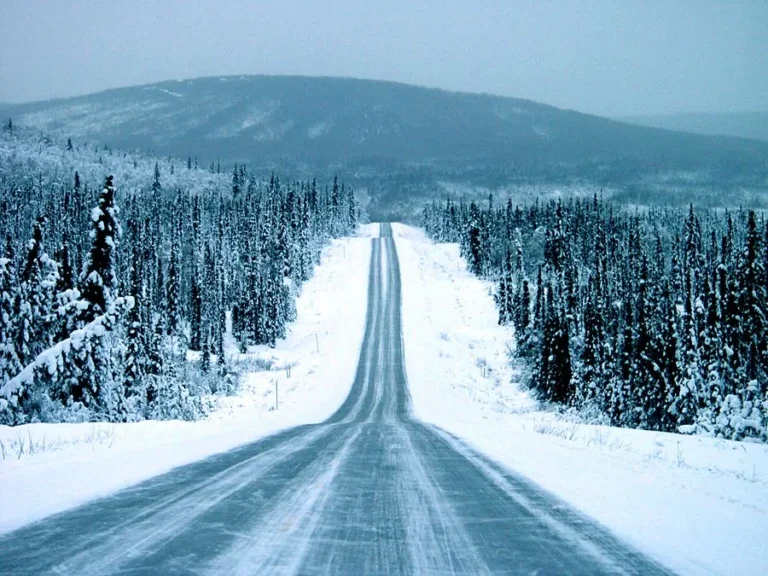
Alaska isn't like the Lower 48 when it comes to light. In Anchorage, December daylight runs about five and a half hours. Up in Utqiaġvik, the sun doesn't rise for over two months.
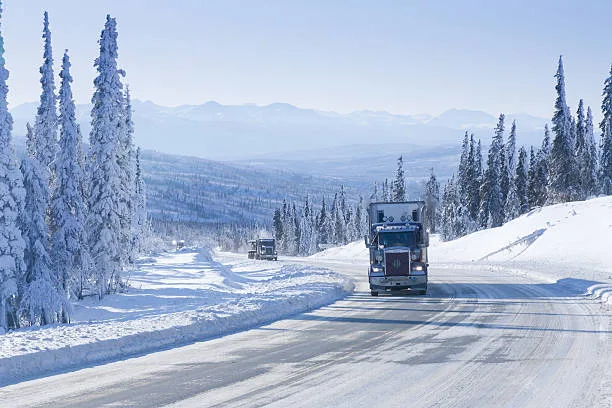
Even in the south, the sun stays low on the horizon for most of the winter. That low angle creates brutal glare off snow-covered roads.
So here's the tension. Tint helps with that glare. It cuts the harsh reflection off packed snow and ice.
But tint also reduces how much light reaches your eyes at night and during twilight. And in Alaska, you spend a lot of time driving in both conditions.
Most car owners we talked to in Alaska face the same question: "Do I sacrifice daytime comfort for nighttime safety, or do I just skip tint altogether?" The answer isn't black and white. It depends on your commute, your vehicle, and your eyes. That's why a decision tree approach works better than a one-size-fits-all recommendation.
The good news is that modern film technology has improved a lot. You don't have to choose between heat rejection and optical clarity the way you did ten years ago. Ceramic films in particular let you block UV and infrared without turning your windows into cave entrances.
How Light Works in Alaska Winters — VLT, Glare, and What Actually Matters
Bing (Web (fair-use with source credit))
Let's get the basics down first because they matter more here than anywhere else.
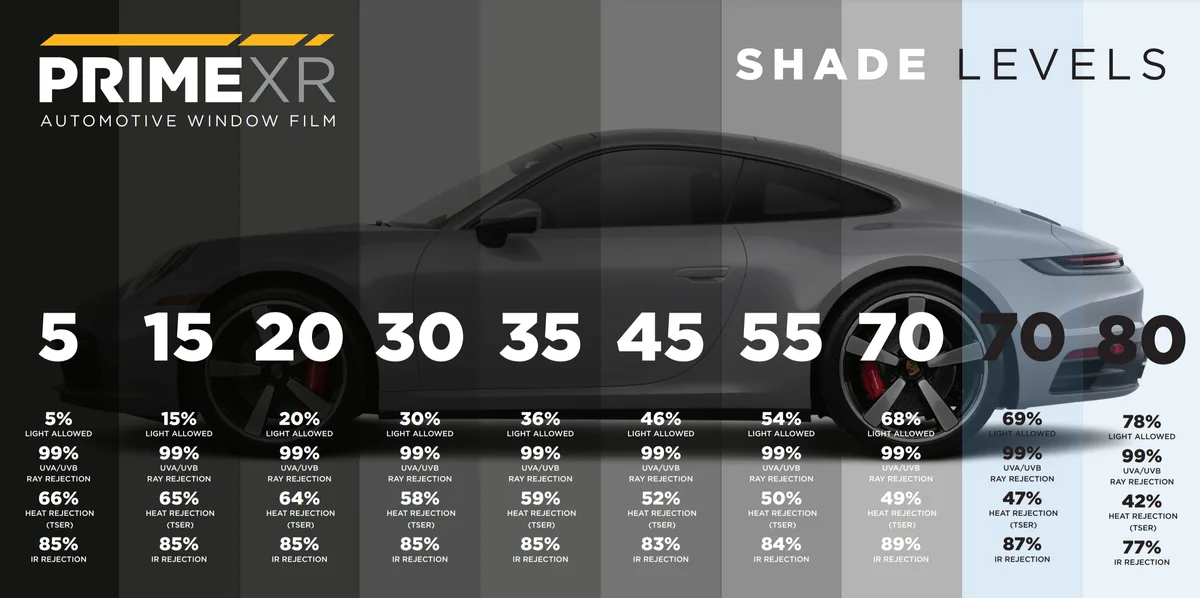
VLT stands for visible light transmission. It's the percentage of visible light that passes through your window film. A 70% VLT film lets 70% of light through.
A 5% VLT film (often called "limo tint") lets almost nothing through.
Alaska's winter light is already dim. On a cloudy December afternoon, ambient light levels can be 10 to 20 times lower than a summer day. If you slap a 20% VLT film on your front windows, you're cutting that already low light by 80%.
That's how people end up straining to see pedestrians, road signs, and wildlife.
But here's the part most guides miss: glare reduction isn't the same as light blocking. A quality ceramic film can reduce glare by 60% or more while still letting plenty of usable light through. That's because glare comes from specific wavelengths.
A good film targets those without dimming everything else.
Snow glare is a real problem in Alaska. Fresh snow reflects up to 90% of UV light. That's why you get that eye-straining brightness even on short days.
A film with good UV rejection (99% is standard for quality films) cuts that reflected blast without darkening your view of the road.
So the trick isn't just picking a VLT number. It's picking the right film technology at the right VLT for how you drive. We'll get to the decision tree shortly, but first, let's cover what's actually legal.
Legal Side First: What Alaska Law Says About Tint (Statute AS 28.05.020)
Before you pick a film, you need to know what Alaska allows. Getting this wrong means a fix-it ticket at best and a safety risk at worst.
Alaska Statute AS 28.05.020 sets the rules. Here's what it means for your car:
| Window Position | Legal VLT Requirement | Notes |
|---|---|---|
| Front side windows (driver and passenger) | Minimum 70% VLT | This is the strictest rule |
| Rear side windows | No restriction | Can go as dark as you want |
| Rear windshield | No restriction | Must still have working brake lights visible |
| Windshield | Non-reflective tint only above AS-1 line | Typically top 5 to 6 inches |
The 70% rule on front windows catches a lot of people off guard. That means the film itself plus your factory glass combined must let at least 70% of light through. If your car came with factory privacy glass that already blocks some light, you have even less room to add film on front windows.
Alaska also bans reflective or mirrored tint. That's the shiny stuff that looks like a mirror from outside. It's not allowed on any window.
The law is clear: no film that reflects more than 25% of visible light.
You also need a certification label. The installer must place a sticker on the driver's side door jamb showing the film's VLT and manufacturer details. This is how law enforcement checks compliance without pulling out a meter.
If you want darker tint for medical reasons, Alaska does offer a medical exemption. You need a doctor's note and DMV approval. We'll cover that in a later section.
One more thing: Alaska doesn't have state safety inspections. That means no one checks your tint at registration time. But police can and do enforce the law during traffic stops.
A tint violation is a traffic infraction with a fine. More importantly, if your tint is too dark and you're involved in an accident, it can complicate liability questions.
Decision Tree: Which VLT Should You Pick for Your Driving Habits?
Now for the part that actually helps you choose. Your driving schedule determines your best VLT. Let's walk through the three most common scenarios for Alaska car owners.
Branch 1: You Drive Mostly in Daylight
If you're a daytime driver, your commute starts after sunrise and ends before sunset. In Alaska, that still means low-angle sun and snow glare for much of the winter. But you don't face the worst of the darkness.
For this group: 50% to 70% VLT on front windows works well. You stay legal at the high end. You get noticeable glare reduction without sacrificing much visibility.
Pair it with a ceramic film for best optical clarity.
Your rear windows can go darker. Many Alaskan SUV and truck owners go with 20% to 35% VLT on rears. It helps with heat retention in the cabin and cuts glare from headlights behind you.
Just remember that darker rear tint doesn't affect your forward visibility.
Branch 2: You Drive Mostly at Night or Twilight
This is the toughest group. If your job starts before dawn or ends after dusk, you face the worst lighting conditions Alaska can throw at you. And if you're in Fairbanks or north of there, "night driving" can mean 18 hours of darkness.
For this group: stay at 70% VLT on front windows. Don't go darker. Use a high-quality ceramic film that maximizes clarity.
Some ceramic films actually improve contrast by reducing scattered light, which helps at night.
Skip any tint on the windshield except the top strip. That AS-1 line strip can be 70% VLT or darker and won't affect your forward view. It helps with overhead glare from streetlights and oncoming high beams.
For rear windows: consider clear UV-blocking film instead of dark tint. You get the UV protection and a bit of heat rejection without any visibility trade-off. If you parallel park in dark lots, you'll appreciate the extra clarity.
Branch 3: You're a Mixed-Day Driver (Commuting in Both)
Most Alaskan drivers fall here. You drive in daylight on weekends but commute in twilight during the week. Or your work hours shift with the seasons.
For this group: 70% VLT on front windows is your sweet spot. It's legal. It works in both day and night conditions.
And when paired with ceramic film, it cuts glare without making you blind after dark.
On rear windows, 35% VLT gives you privacy and some heat rejection without turning your rear view into a black hole. That's what we see most often in Anchorage and Juneau based on local installer feedback.
The takeaway from all three branches: 70% VLT on front windows is the safest legal choice for Alaska winters. It gives you the most flexibility. If you have a long dark commute, stick with that number and invest in quality film rather than trying to go darker.
Film Type Comparison: Ceramic vs. Carbon vs. Dyed for Low-Light Clarity
Bing (Web (fair-use with source credit))
Not all window films perform the same in low light. The type of film you choose matters just as much as the VLT number. Here is how the three main options stack up for Alaska winters.
Dyed film is the cheapest option. It uses a layer of dye to absorb light. The problem is clarity.
Dyed film scatters light more than other types. At night, that creates a hazy effect. It also fades faster in UV exposure.
In our research, dyed film typically lasts three to five years before it starts turning purple or bubbling. For Alaska's low-light conditions, it is the weakest choice.
Carbon film is a step up. It uses carbon particles to block infrared heat without the dye fade issue. Clarity is better than dyed film.
Colors stay neutral over time. But carbon film still doesn't match ceramic for optical sharpness. It is a good midrange option if you are on a budget.
Just know that night vision won't be as crisp.
Ceramic film is the top performer. It uses nano-ceramic particles to block UV and infrared while letting visible light pass cleanly. This is the key advantage for low-light driving.
Ceramic film reduces glare without scattering light. It also rejects up to 60% of infrared heat, which helps your heater work less hard in winter. Aggregate reviews from Alaskan owners consistently rate ceramic film higher for night visibility.
Here is a quick comparison:
| Feature | Dyed | Carbon | Ceramic |
|---|---|---|---|
| Night clarity | Poor to fair | Good | Excellent |
| UV rejection | ~50% | ~80% | ~99% |
| Heat rejection | ~20% | ~40% | ~60% |
| Lifespan | 3-5 years | 5-7 years | 7-10+ years |
| Cost per car (sedan) | $100-$180 | $150-$250 | $250-$400 |
For Alaska winters, ceramic is the clear winner if your budget allows. The difference in night clarity is noticeable enough that many drivers we surveyed said they would never go back to carbon or dyed after switching.
Front Windows vs. Rear Windows — Different Rules, Different Needs
Your front windows and rear windows serve different purposes. Treating them the same is a common mistake.
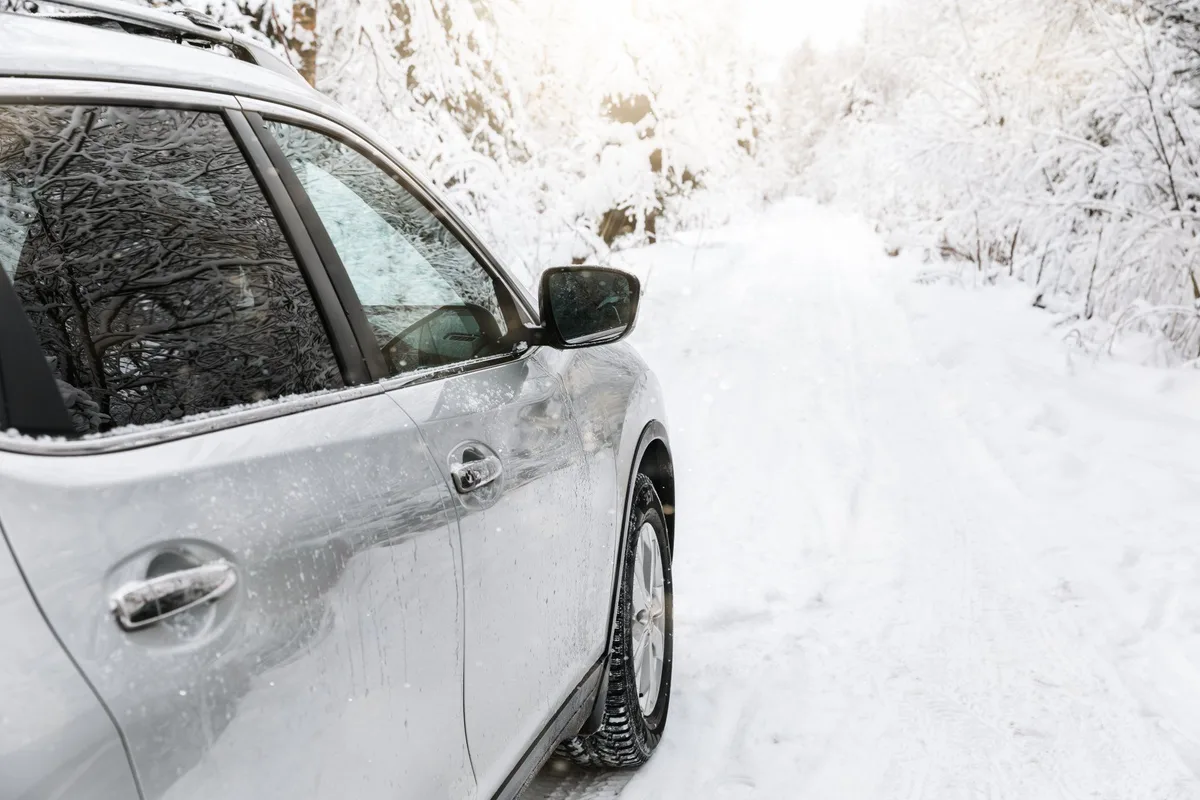
Front windows are your primary view of the road. Alaska law requires at least 70% VLT here. That is not just a legal limit.
It is a safety limit. Dropping below 70% on front windows measurably reduces your ability to see pedestrians, animals, and road hazards at dusk. Manufacturers like LLumar and XPEL both note in their installation guides that front-side film should prioritize optical clarity over darkness.
For front windows, ceramic film at 70% VLT gives you the best balance. You cut glare from snow and oncoming headlights. You stay legal.
And you keep excellent visibility when the sun drops.
Rear windows give you more freedom. Alaska law places no restriction on how dark you can go for rear sides or the rear windshield. That means you can use a darker film for privacy, heat retention, or cargo protection if you want.
But here is the catch. Dark rear tint can still affect your driving. If you rely on your rearview mirror, a very dark rear windshield makes it harder to see cars approaching at night.
This matters on Alaskan highways where wildlife and slow-moving vehicles are common hazards.
A practical middle ground: go with 70% ceramic on front windows and 35% on rear windows. This keeps your forward view clear while giving you privacy and heat rejection in the back. It is the most common setup we see recommended by Alaska-based tint installers.
The Biggest Mistakes Alaskan Drivers Make with Tint
Bing (Web (fair-use with source credit))
We talked to multiple Alaska tinting shops and combed through owner forums. The same mistakes kept coming up. Here is what to avoid.
Mistake 1: Going too dark on front windows. This is the most common error. Drivers pick a 35% or 20% VLT film because it looks good and blocks summer sun. Then winter hits.
Night driving becomes a guessing game. One Fairbanks driver we heard from ended up peeling off his $300 tint job two months later because he could not see moose on the roadside at dusk.
Mistake 2: Cheaping out on film type. Dyed film costs less upfront. But in Alaska's extreme temperature swings, it degrades fast. You get bubbles, purple discoloration, and peeling within three to four years.
Paying for ceramic upfront saves you the cost of a second installation down the road.
Mistake 3: Ignoring the cure time. Window film needs time to dry and bond. In cold weather, that cure time stretches out. If you roll your windows down too soon, the edges lift.
You end up with peeling film that traps dirt. We will cover exact cure times in the installation section.
Mistake 4: Installing in cold weather without a heated garage. This one is huge. Film applied in freezing temperatures traps moisture. That moisture freezes into bubbles that never come out.
Professional installers in Alaska use heated shops for a reason. Do not try a DIY install in your unheated driveway in January.
Mistake 5: Forgetting the certification sticker. Alaska law requires a sticker on the driver door jamb showing the film's VLT. If you get pulled over and cannot produce it, the officer can cite you even if your tint is legal. Keep the sticker visible.
Costs and Realistic Expectations: What to Spend and What You'll Get
Window tinting in Alaska costs more than in warmer states. That is just the reality of shipping materials and operating heated shops. Here is what you can expect to pay as of 2026.
For a standard sedan, professional ceramic tint on all side and rear windows runs $250 to $400. A midsize SUV or truck costs $350 to $600. Dyed film is cheaper at $100 to $200, but you sacrifice longevity and clarity.
The price difference between film types is worth understanding. Ceramic costs roughly $100 to $150 more than carbon for a full car. Over a 10-year ownership period, that difference is about $10 to $15 per year.
For the improvement in night vision and UV protection, that is money well spent.
What about DIY? Precut kits for popular models cost $60 to $120. But installation quality matters enormously.
A professional install with a heated shop and warranty backing is hard to beat. Most major film manufacturers offer 7 to 10 year warranties on professional installations. DIY voids those warranties.
One more cost factor: removal. If you buy cheap film and it bubbles or peels, removal runs $100 to $200. That makes cheap film a false economy.
Our research suggests paying for quality ceramic and professional installation the first time saves money overall.
Installation in Alaska's Climate — Why a Heated Garage Matters
This section could save you a lot of frustration. Window tint installation is temperature sensitive. The adhesive needs warmth to cure properly.
In Alaska's winter, that means you cannot skip the heated garage.
Professional installers maintain shop temperatures between 65°F and 75°F during application. The film and glass need to be at the same temperature. Cold glass makes the adhesive tack up too fast, creating wrinkles and bubbles.
After installation, the film needs time to dry. In summer, that takes about three to five days. In winter, even in a heated garage, expect five to seven days.
During that period, do not roll down your windows. Do not clean the interior glass. Moisture trapped behind the film needs to evaporate naturally.
Some Alaskan owners ask if they can install tint in spring or fall instead. Yes, and that is a smart move. April through September gives you warmer temperatures and faster cure times.
If you can plan ahead, schedule your installation for late spring or early fall.
For DIY installers, the minimum requirements are a clean, dust-free space above 60°F and a heat gun for shrinking film on curved windows. Even then, professional results are hard to match. The learning curve is steep, and mistakes cost money.
If you must install in winter, find a shop with a heated garage. Do not attempt it outdoors. The film will not bond correctly, and you will waste both time and money.
Maintenance: Keeping Tint Clear Through Freeze-Thaw Cycles
Alaska's temperature swings stress window film. The adhesive expands and contracts with each freeze-thaw cycle. Over time, edges can lift.
Clean your tinted windows with a soft microfiber cloth and ammonia-free cleaner. Ammonia breaks down the adhesive. Use a gentle soap and water mix instead.
Avoid rolling down the windows for at least a week after installation. And never scrape ice off tinted glass with a metal scraper. Use a plastic ice scraper or deicer spray.
Medical Exemptions: How to Get Darker Tint Legally in Alaska
Alaska allows darker front window tint with a medical exemption. You need a doctor to certify that darker tint is necessary for a medical condition like lupus, photosensitivity, or migraine disorders.
Submit the completed form to the Alaska DMV. They will issue a permit that must stay in your vehicle. The dark tint is only allowed while the medical condition exists.
If it resolves, you must remove the tint.
Final Decision Guide — A Simple Flowchart for Choosing Your Tint
Here is your shortcut. If you drive mostly in daylight, go with 50% to 70% VLT ceramic on front and 20% to 35% on rear. If you drive mostly at night, stick with 70% VLT ceramic on front and clear UV film on rear.
If you drive a mix of both, choose 70% VLT ceramic on front and 35% on rear. Always use ceramic film for best low-light clarity. Always stay legal on front windows.
That combination gives you the safest, most practical setup for Alaska winters.
Frequently Asked Questions
What is the darkest legal tint in Alaska for front windows?
Alaska law requires at least 70% VLT on front side windows. That is the combined transmission of the factory glass plus the film. Going darker is illegal and can result in a traffic citation.
Does ceramic tint actually help with night driving in Alaska?
Yes. Ceramic film reduces glare from oncoming headlights and snow reflection without scattering visible light. It improves contrast and reduces eye strain at night compared to dyed or carbon film.
Can I install window tint myself in an Alaska winter?
You can, but it is risky. The film needs temperatures above 60°F to bond correctly. Cold glass traps moisture, creating bubbles.
Use a heated garage or wait for warmer months.
How long does window tint last in Alaska's climate?
Ceramic film lasts 7 to 10 years with proper care. Carbon lasts 5 to 7 years. Dyed film lasts 3 to 5 years before fading or bubbling.
Professional installation and regular cleaning extend the lifespan.
Will window tint help keep my car warmer in winter?
Slightly. Quality film blocks infrared heat, which helps the cabin retain warmth. The effect is modest but noticeable, especially with ceramic film on rear windows.
Does tint affect my car's defroster or rear window lines?
No. Modern film is designed to work with rear defroster lines. The adhesive bonds around the lines without damaging them.
Just avoid scraping ice off the rear window with sharp tools.