ByMax Lee
Guide to Dalton Highway, Haul Road, Regulations in 2026
The Dalton Highway, Haul Road, Regulations, these three words tell you why Alaska's Route 11 is unlike any other road you'll drive. If you're an Alaska car owner thinking about tackling the Dalton, the rules aren't suggestions. They're the difference between a successful trip to the Arctic and a dangerous breakdown hundreds of miles from help.
As of 2026, roughly 414 miles of gravel, permafrost heaves, and heavy truck traffic separate Fairbanks from Deadhorse. The Alaska Department of Transportation and Public Facilities sets specific regulations for this route. Understanding them before you leave is the single most important step you can take.
Quick Answer
The Dalton Highway requires headlights on at all times. Studded tires are recommended and often mandatory in winter. Commercial trucks have right-of-way.
You must carry emergency gear including a satellite communication device. Fuel is available at only three locations. Cell service covers less than ten percent of the road.
The Dalton Highway Isn't a Normal Road. Why Regulations Matter for Alaska Drivers
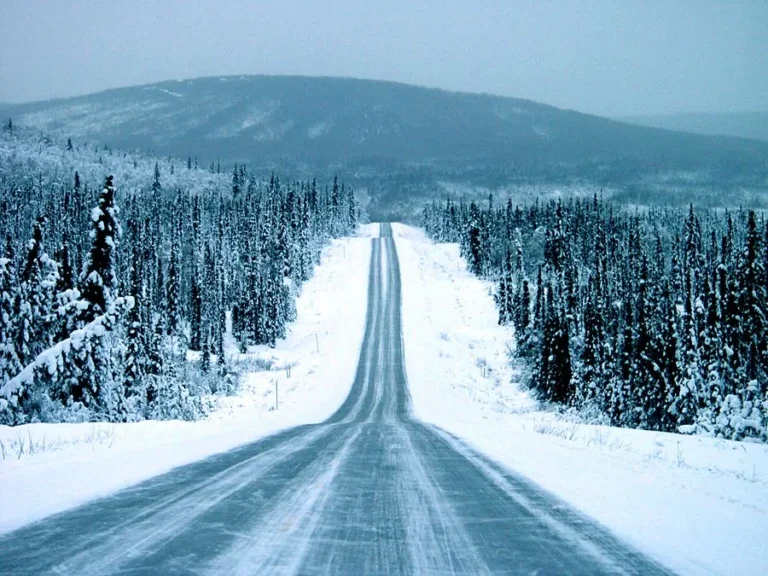
The Dalton Highway, officially Alaska Route 11, is a working industrial road first and a scenic route second. It was built in 1974 to support the Trans-Alaska Pipeline construction. Today it serves oil field supply trucks, heavy equipment haulers, and the occasional private vehicle.
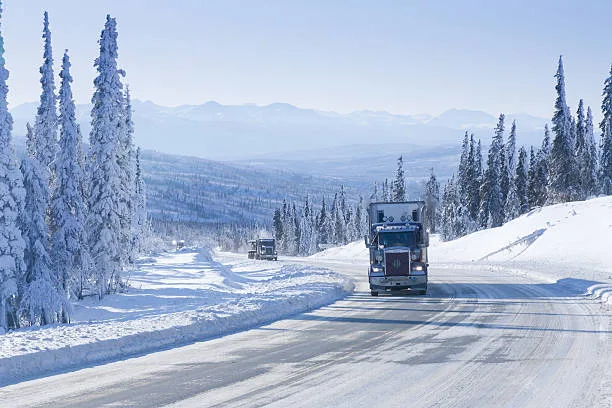
The term "Haul Road" isn't just a nickname. It's a description. You'll share the road with 80,000-pound semi-trucks moving at speed.
They have limited stopping distance and zero ability to swerve around you. The regulations exist to keep everyone alive.
Here's what makes this road fundamentally different.
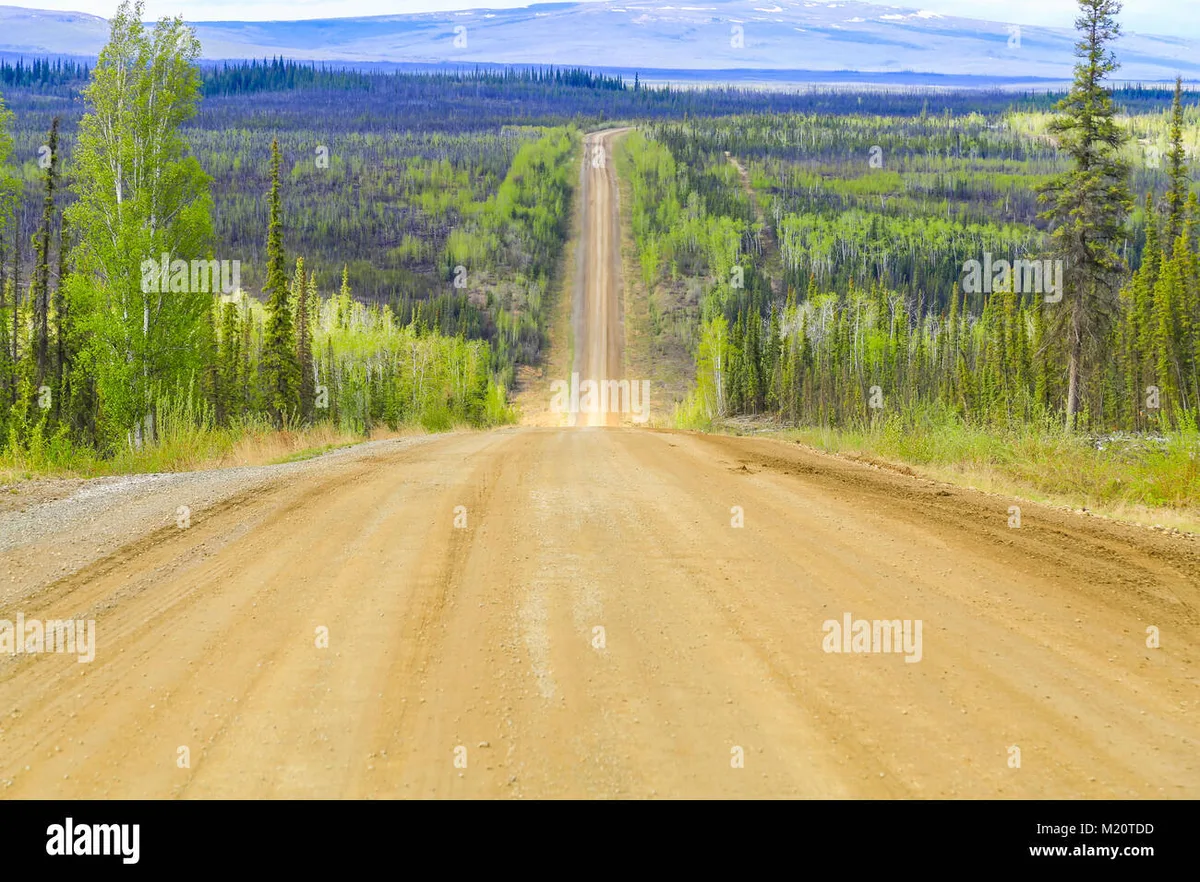
- The surface is mostly gravel. Chip-seal pavement exists in short sections near Fairbanks and Deadhorse. The rest is loose rock, washboard bumps, and dust.
- Truck traffic is constant. The Dalton moves millions of tons of freight every year. You are a guest in their workplace.
- Weather changes everything. Summer brings 24-hour daylight and dust storms. Winter brings 24-hour darkness, ice fog, and temperatures that kill exposed skin in minutes.
- Services are nearly nonexistent. There's no roadside assistance, no tow trucks, and no auto parts stores from the Elliott Highway junction northward.
Most problems on the Dalton Highway come from drivers who treat it like a normal Alaska road. The regulations aren't bureaucratic paperwork. They're operational safety rules for a highway that can kill you if you ignore them.
What the Dalton Highway Actually Is (Route 11, Haul Road, and Why It's Different)
The Dalton Highway runs from the Elliott Highway junction north of Fairbanks all the way to Deadhorse at Prudhoe Bay. That's 414 miles of industrial corridor hugging the Trans-Alaska Pipeline for most of its length.
| Feature | Detail |
|---|---|
| Length | 414 miles (666 km) |
| Surface | Primarily gravel with limited chip-seal sections |
| Travel time summer | 8 to 13 hours |
| Travel time winter | 10 to 16+ hours |
| Fuel stops | Yukon River Camp, Coldfoot, Deadhorse |
| Cell coverage | Less than 10% of route |
| Speed limit | 50 mph maximum, lower in construction zones |
The road crosses three major geographic zones. The boreal forest south of the Brooks Range. The Brooks Range itself, including the 4,739-foot Atigun Pass.
And the Arctic tundra north of the mountains all the way to the coast.
Each zone presents different challenges. The forested section has tighter curves and more wildlife. The mountain pass has steep grades, ice, and one-lane bridges.
The tundra section is straight but exposed to wind and whiteout conditions.
A standard passenger car is not designed for 400 miles of gravel washboard. Trucks and SUVs with high ground clearance and all-terrain tires perform dramatically better than sedans. Plan accordingly.
The Key Regulations Every Alaska Driver Needs to Know
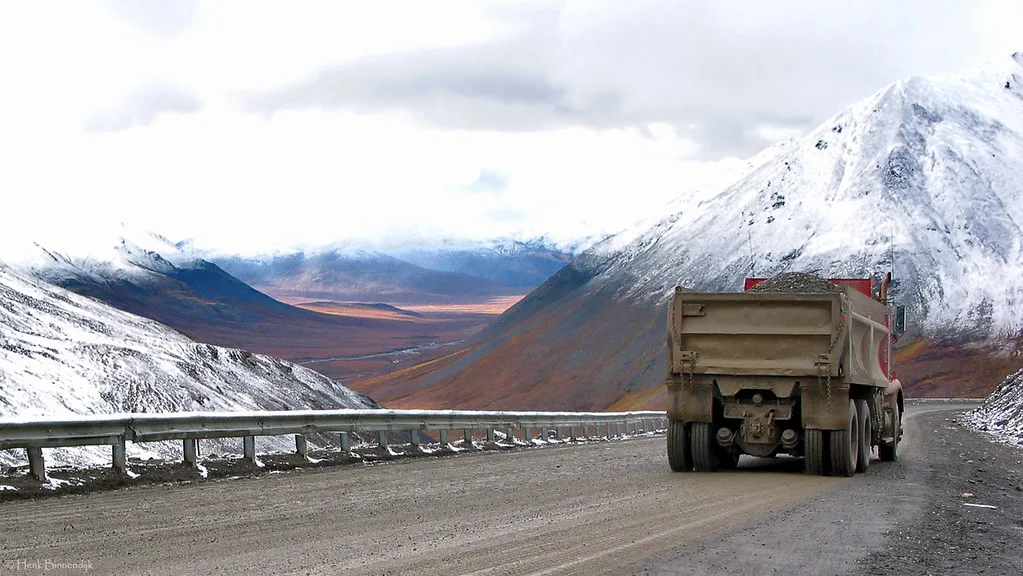
The regulations for the Dalton Highway break down into a few clear categories.
Mandatory Headlights (24/7 Rule)
Alaska law requires all vehicles on the Dalton Highway to have headlights on at all times. Day or night. Summer or winter.
No exceptions.
This rule exists for two reasons. First, the gravel surface kicks up enormous dust clouds. A truck coming around a bend needs to see you before you see it.
Second, the 24-hour summer sun creates harsh shadows that make vehicles without lights nearly invisible against the tundra.
The fine for violating this rule varies, but Alaska State Troopers or Commercial Vehicle Enforcement will issue a citation.
Studded Tires and Winter Equipment Requirements
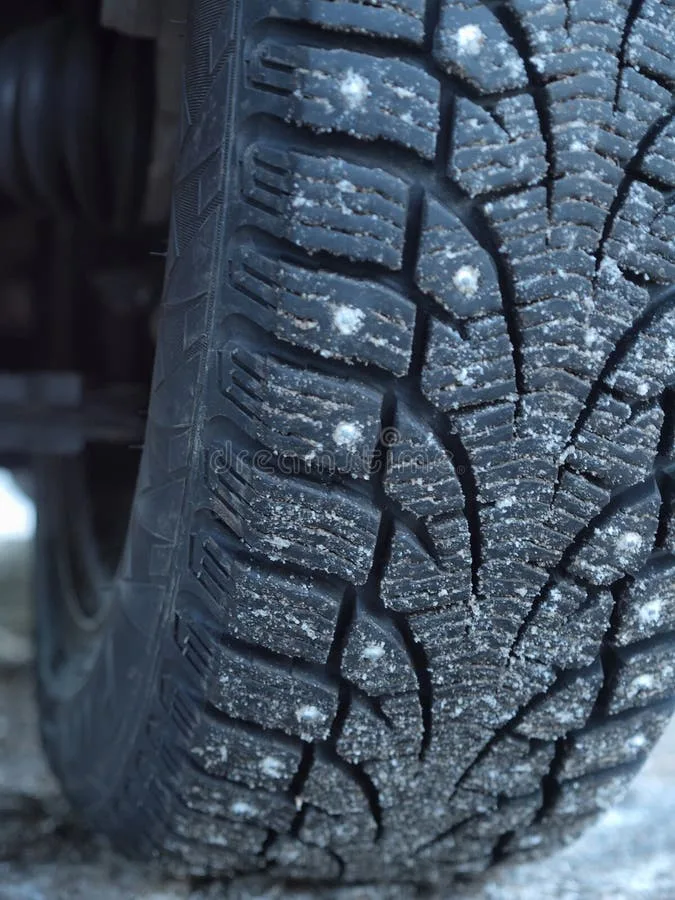
The Dalton Highway does not have a blanket law requiring studded tires on private vehicles. However, DOT&PF strongly recommends them from September through May.
Commercial vehicles face stricter rules. Motor carriers must carry chains or have studded tires during winter months. For private drivers, the decision comes down to safety rather than law.
Here's what we recommend based on research from experienced Dalton drivers.
- Studded tires front and rear for all winter travel. Studless winter tires are second best but still better than all-seasons.
- At least one full-size spare tire. Two is better. Gravel roads eat tires.
- A tire repair kit with plugs and an air compressor that runs off your vehicle's battery.
- Traction aids like recovery boards or chains for the drive wheels.
Alaska law permits studded tires from September 16 through May 7. Outside that window, you risk a fine. But if road conditions warrant studs, enforcement officers typically use discretion.
Speed Limits and Commercial Vehicle Right-of-Way
The maximum speed limit on the Dalton Highway is 50 miles per hour. In construction zones, near the Yukon River bridge, and through Atigun Pass, posted limits drop to 35 or even 25 miles per hour.
At 50 miles per hour on gravel, your stopping distance triples compared to pavement. A moose or caribou on the road becomes a serious hazard. When a loaded semi-truck approaches from behind at 55 miles per hour, they need you to pull over and let them pass.
Commercial vehicle right-of-way isn't just courtesy. It's practical. Those trucks carry millions of dollars of equipment and supplies.
They have blind spots that make it hard to see smaller vehicles.
When a truck approaches from behind, signal and pull over at the next wide spot. Come to a complete stop. Let them pass.
Do not try to outrun them.
Permits and Restrictions (Commercial vs. Private Vehicles)
Private vehicles do not need a special permit to drive the Dalton Highway. You drive it like any other Alaska road. No toll.
No reservation. No entry fee.
But there are restrictions to know. The Bureau of Land Management manages the land along most of the corridor. Camping is allowed at designated BLM waysides and along the roadside within certain limits.
Open fires are prohibited in many areas during fire season.
Commercial vehicles require a USDOT number and Alaska single-state registration. Oversize and overweight loads need permits from DOT&PF. Weight restrictions vary by season, especially during spring thaw when the permafrost softens.
If you're driving a heavy pickup or towing a trailer, check current weight limits. Fines for exceeding them can run into thousands of dollars.
Why These Rules Exist. The Real Risks on the Haul Road
Rules on the Dalton Highway aren't arbitrary. The road actively punishes complacency.
Extreme Weather and Remote Location
Winter temperatures routinely hit minus 50 degrees Fahrenheit. Wind chill can drop that below minus 80. At those temperatures, a breakdown becomes a survival situation within minutes.
Your vehicle's diesel fuel can gel. Batteries lose cranking power.
In summer, the risks shift. Rain turns the gravel into slick mud. Dust storms reduce visibility to near zero.
Construction crews are everywhere, and delays of several hours are normal.
The closest hospital to the midpoint of the highway is in Fairbanks, 250 miles away. There is no ambulance service along most of the route. If you get hurt, you wait for a passing vehicle or call via satellite phone.
Then you wait hours.
Truck Traffic and Gravel Surface Hazards
Trucks on the Dalton Highway are heavier, faster, and less maneuverable than passenger vehicles. They also throw rocks.
Gravel surface hazards are the number one cause of vehicle damage on the Dalton. Windshields crack. Paint gets chipped.
Headlights take impacts. Undercarriages get pounded by loose stones.
The solution is simple but expensive. Install a front-end bra or protective film before you go. Accept that your vehicle will take damage.
Truck traffic also creates dust. In dry conditions, a single truck can create a dust cloud that lasts several minutes. Pull over and wait.
Do not try to drive through it.
Most collisions between passenger vehicles and commercial trucks happen when the smaller vehicle tries to pass in a dust cloud or fails to pull over in time. The regulations about headlights, speed, and right-of-way are designed to prevent these scenarios.
Permafrost Terrain and Seasonal Weight Limits
The Dalton Highway is built on permafrost. When the surface layer thaws in summer, the road becomes unstable. DOT&PF monitors ground temperatures and posts seasonal weight restrictions when the permafrost softens.
These restrictions apply to all vehicles, including heavy pickups and trucks. Driving overweight during a restriction period causes road damage that costs millions to repair.
Check 511 Alaska for current limits before you go.
Vehicle Readiness Checklist for Dalton Highway Compliance
Before you drive the Dalton Highway, your vehicle needs to meet a standard far beyond daily driving in Fairbanks or Anchorage.
Before you drive the Dalton Highway, your vehicle needs to meet a standard far beyond daily driving in Fairbanks or Anchorage.
Tires, Spares, and Suspension
You need tread depth of at least 6/32 inch on all four tires. For winter travel, studded winter tires are the standard. For summer, all-terrain tires with reinforced sidewalls handle gravel better than highway treads.
Carry two full-size spares if possible. Gravel roads cause punctures. Experienced drivers report going through both spares on a single trip.
Your suspension takes a beating on the Dalton. Check your shocks, struts, ball joints, and tie rod ends before you go. If anything is worn, replace it.
A suspension failure at speed on gravel is dangerous.
Pro tip: Lower your tire pressure to around 35 PSI for gravel driving. This gives you a softer ride and better traction. Air back up before you hit pavement again.
Fuel Range and Carrying Extra Gas
Fuel availability is extremely limited. Yukon River Camp sits at mile 56 and offers gas and diesel seasonally. Coldfoot at mile 245 is open year round with 24-hour service.
Deadhorse at mile 414 has fuel but often requires a fleet card. Bring cash as backup.
Carry at least 10 gallons of extra fuel in approved containers. Your vehicle's range drops in winter. Cold starts and idling eat gas fast.
A 20-gallon tank might only get you 250 miles in subzero conditions.
As of 2026, expect fuel at Coldfoot and Deadhorse to cost 5 to 7 dollars per gallon.
Communication and Emergency Gear (Satellite Phone Requirement)
Cell service on the Dalton Highway is essentially nonexistent. You might get a signal near Coldfoot or Deadhorse. The rest of the route is a dead zone.
A satellite communication device is survival equipment, not optional. Garmin inReach, Zoleo, or a dedicated satellite phone all work. Carry it on your person, not in your vehicle.
Your emergency kit should include the following.
- Satellite communicator with charged battery and spare power bank
- Winter sleeping bag rated to minus 40 degrees or lower
- Matches, lighter, and fire starter
- Headlamp with extra batteries
- First aid kit with trauma supplies
- Tool kit specific to your vehicle
- Tow strap and recovery gear
- Shovel (a real one, not a folding camping shovel)
- High-visibility flag or vest
- Extra food and water for 72 hours
The Alaska State Troopers recommend filing a travel plan with someone in Fairbanks. Tell them your route, your expected timeline, and when to call for help if they don't hear from you.
For more on vehicle preparation and maintenance for Alaska conditions, check our blog for detailed guides.
Fuel and Supply Planning. Where You Can Stop (And Where You Can't)
Fuel stations on the Dalton Highway are few and far between. Plan every gallon before you leave Fairbanks.
Yukon River Camp at mile 56 offers gas and diesel but operates seasonally. Call ahead in spring and fall. Coldfoot at mile 245 is open year round with 24-hour pay-at-the-pump service.
Deadhorse at mile 414 has fuel but often requires a fleet card. Bring cash as backup.
Carry at least 10 gallons of extra fuel in approved containers. A 20-gallon tank might only get you 250 miles in subzero conditions. Fuel at Coldfoot and Deadhorse costs 5 to 7 dollars per gallon as of 2026.
Atigun Pass, Yukon River Bridge, and Other Critical Points on the Route
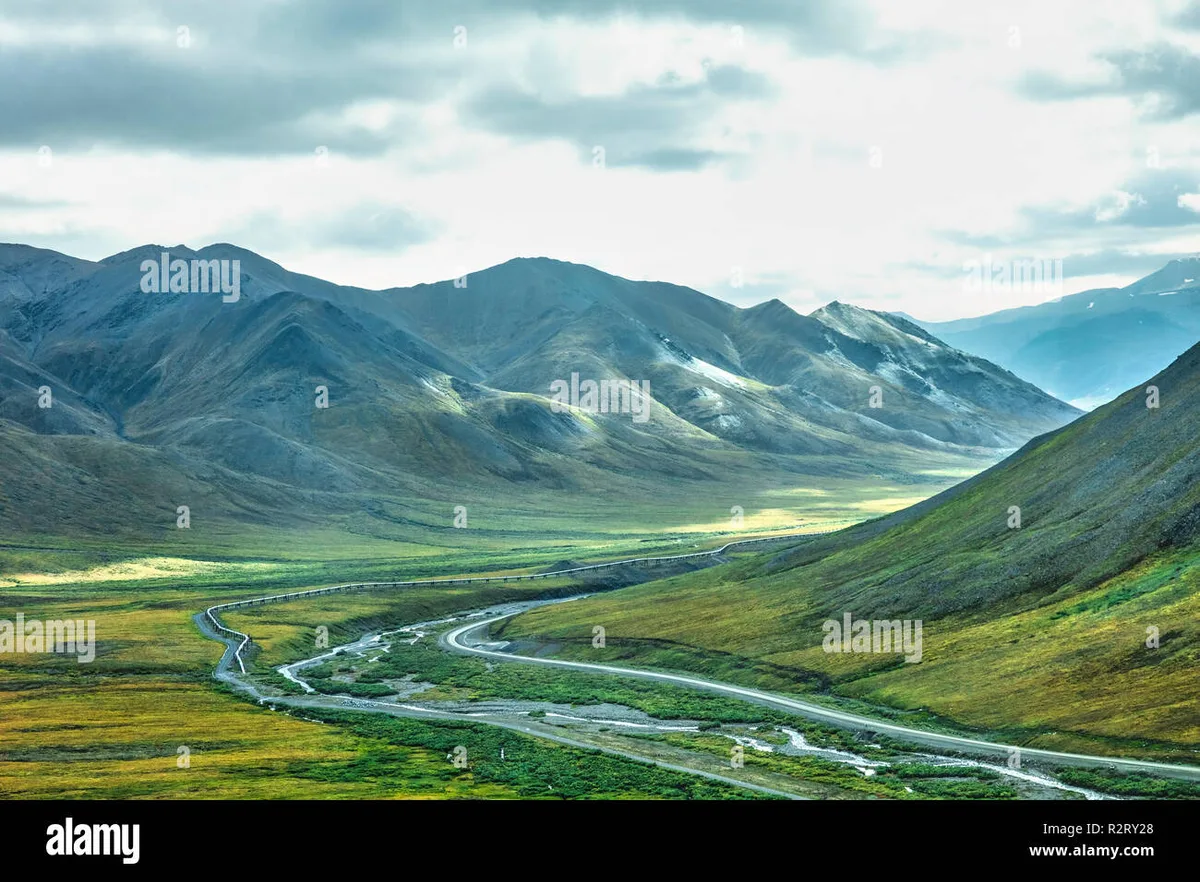
Three sections of the Dalton Highway demand special attention.
Atigun Pass sits at 4,739 feet in the Brooks Range. The road is narrow, steep, and often icy even in summer. One-lane bridges require you to yield to oncoming traffic.
Slow down and use low gears.
The Yukon River bridge is a single-lane controlled crossing. Wait for the signal. Do not pass other vehicles on the bridge approach.
Trucks have priority.
The Sagavanirktok River crossing near Deadhorse is wide and gravel. In spring breakup, the surface can be soft. Follow the tire tracks of vehicles ahead of you.
Common Regulation Violations Alaska Car Owners Make (And How to Avoid Them)
The most frequent violations come from simple oversights.
Driving with headlights off is the number one citation. Alaska State Troopers enforce the 24-hour rule strictly. Turn your lights on manually before you leave the pavement.
Exceeding the speed limit in construction zones is another common issue. Drive through at 25 miles per hour. The fines are steep.
Failing to yield to commercial trucks causes accidents. If a truck flashes its lights or honks, pull over at the next wide spot. Do not brake check or slow down gradually.
Carrying open alcohol containers is illegal on all Alaska highways. Keep all alcohol sealed and stored in your trunk or cargo area.
For guidance on washing a ceramic-coated vehicle after a dusty Dalton trip, the pressure washer method works best. Our article on heavy equipment wash soap also applies to cleaning undercarriages after gravel driving. If you're driving a vehicle with paint protection film, the right shampoo makes a difference after prolonged dust exposure.
When a Guided Tour or Flying Makes More Sense Than Driving Yourself
Not every Alaska car owner needs to drive the Dalton Highway. Sometimes the smarter choice is to let someone else handle it.
Guided tours run from Fairbanks to Coldfoot or Deadhorse. The driver handles the gravel, the trucks, and the navigation. Tour costs range from 300 to 600 dollars per person for a multi-day trip.
Flying with Ravn Alaska or another bush carrier takes you from Fairbanks to Deadhorse in about two hours. Round-trip tickets run 400 to 800 dollars. You skip the road entirely.
Consider flying or a tour if any of these apply. Your vehicle is a low-clearance sedan. You have no off-road driving experience.
You're traveling alone with no backup vehicle. Your trip budget does not include emergency gear purchases.
Where to Get Verified, Current Information (511 Alaska, DOT&PF, BLM)
Conditions on the Dalton Highway change by the hour. Never rely on a blog post or forum thread from last week.
The Alaska Department of Transportation and Public Facilities runs 511 Alaska. This is the official source for road conditions, construction updates, and weather alerts. Check it before you leave and at every fuel stop.
The Bureau of Land Management handles camping permits and fire restrictions along the corridor. Visit their Arctic Field Office website for current information.
Alaska State Troopers can answer specific regulatory questions. Their Fairbanks office covers the Dalton corridor.
For vehicle preparation guidance, our blog covers topics like winter tire selection and emergency kit building. If you're concerned about how ceramic coating handles road salt, that guide explains the limitations.
Final Decision Guide. Is the Dalton Highway Right for Your Vehicle This Season?
| If you have… | Then… |
|---|---|
| A truck or SUV with all-terrain tires, two spares, and satellite communication | The Dalton is doable with proper planning |
| A sedan with all-season tires and no spare | Book a tour or fly instead |
| Winter driving experience and studded tires | Go ahead, but check conditions first |
| No winter driving experience and a standard rental car | Do not attempt the Dalton |
The Dalton Highway is an incredible drive if you treat it with respect. It punishes complacency. It rewards preparation.
Check 511 Alaska. Pack your emergency gear. Fill your fuel tank and spare cans.
And remember that turning around is always an option. The road will still be there next year.
Frequently Asked Questions
Do I need a special permit to drive the Dalton Highway as a private vehicle?
No. Private vehicles do not require a permit. Commercial vehicles need a USDOT number and Alaska registration.
Oversize loads require separate permits from DOT&PF.
What happens if I break down on the Dalton Highway?
You are responsible for your own recovery. There is no roadside assistance service. Use your satellite communicator to call for help.
Expect to wait several hours or overnight.
Can I camp anywhere along the Dalton Highway?
BLM allows camping at designated waysides and pullouts. Open fires are restricted during fire season. Check current BLM regulations before you go.
Is the Dalton Highway open in winter?
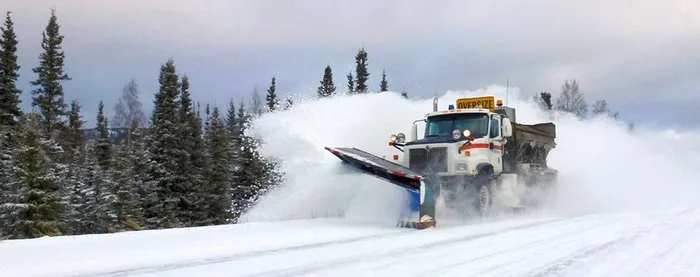
Yes, it is open year round. Winter conditions include ice fog, extreme cold, and limited daylight. Snow removal is ongoing but can lag behind storms.
Check 511 Alaska before you go.
What is the most common mistake first-time Dalton drivers make?
Underestimating fuel consumption. Cold weather, gravel resistance, and detours eat fuel faster than expected. Carry extra gas.
Do I really need a satellite phone or device?
Yes. Cell coverage covers less than 10% of the route. A satellite communicator is survival gear, not optional equipment.