ByMax Lee
Guide to Custom-built Hunting Trailer Registration in 2026
You've spent months welding, wiring, and outfitting that hunting trailer for Alaska's backcountry. But before you can legally tow it on any public road, you need to understand Custom-Built Hunting Trailer Registration with the state's Division of Motor Vehicles. That process differs significantly from registering a factory-built trailer, and the steps are not optional.
Alaska law requires every homebuilt trailer to pass a VIN inspection and meet specific safety standards. As of 2026, trailers over 3,000 pounds GVWR must have working brakes. All custom builds need proof of component ownership.
Missing one form can delay your registration by weeks. Here is exactly what the process looks like.
Quick Answer
Custom-Built Hunting Trailer Registration in Alaska requires a completed Form 811, a VIN inspection by a certified officer, and proof of ownership for all major components. If you built the trailer from new parts, you get a standard title. If you used a donor frame without a title, you need a bonded title.
Expect to pay $75 to $200 in fees plus any applicable borough use tax.
Why This Matters More in Alaska
Alaska is not like the lower 48 when it comes to trailer rules. You have longer distances between towns, more gravel roads, and extreme weather that stresses every weld and wire. The DMV enforces these rules consistently because a breakdown on the Parks Highway or the Dalton can turn dangerous fast.
There is also the borough tax factor. If you live in Anchorage, Juneau, or Fairbanks, you may owe use tax on parts you ordered from outside the state. The DMV will ask for proof that tax was paid.
Ignoring this can hold up your title application for weeks.
Another reason the process is stricter here: stolen trailers are a real problem. Alaska has a high rate of vehicle theft relative to population. The VIN inspection is designed to catch frames that came from stolen property.
The state does not take shortcuts on that step.
Who Needs to Register a Custom-Built Hunting Trailer
If you tow your trailer on any public road in Alaska, you need registration. That includes state highways, city streets, gravel access roads maintained by the borough, and even the haul road if you head north. The moment those tires touch public pavement, you need a current registration and plate.
You can skip registration only if you use the trailer exclusively on private land you own or lease. If you hunt on remote federal or state land accessed via public roads, you still need to register. That covers most hunters in Alaska.
Some people ask about off-road-only trailers for muskeg crossing or bush plane drop-offs. If you never tow it on a road, you do not need registration. But the moment you hitch it to a truck and drive to the launch point, you do.
Bing (Web (fair-use with source credit))
The Two Paths to a Title: Clean Build vs. Donor Frame
Your registration path depends entirely on how you built the trailer. There are two main routes. Picking the wrong one wastes time.
Path 1: All-New Components
You bought a new frame from a supplier, new axle, new coupler, new lights, new wiring. You have receipts for everything. This is the cleanest route.
- Fill out Form 811 (Application for Title and Registration)
- Show your receipts as proof of ownership
- Get the VIN inspection
- Pay the fees
- Receive a standard title and registration
No bonded title needed. No waiting period. You can generally complete this in one or two trips to the DMV.
Path 2: Salvaged or Untitled Frame
You started with a used frame from an old camper, a junked utility trailer, or something you pulled out of a friend's yard. If that donor has no title, you cannot simply register it as a new build. You need a bonded title.
A bonded title requires you to purchase a surety bond equal to the trailer's appraised value. You hold that bond for three years. If nobody claims the trailer was stolen during that period, you get a clean title.
The bonded title process adds cost and time. Expect to pay $100 to $200 for the bond plus the bond premium. You also need to submit Form 812 along with your application.
Plan for an extra two to four weeks of processing.
Step-by-Step Registration Process for Alaska
Here is the exact sequence you need to follow. Do not skip steps.
Step 1: Gather Your Paperwork Before You Go
Show up without the right documents and you will be sent home. The DMV does not make exceptions.
Required documents:
- Completed Form 811 (Application for Title and Registration)
- Receipts for all major components (frame, axle, coupler, lights, brakes, wiring, fenders)
- Proof of ownership for any donor trailer (title, bill of sale, or salvage certificate)
- Proof of use tax payment if you bought parts out of state and live in a taxable borough
- Your valid Alaska driver's license or ID
Keep everything in a folder. Do not staple anything. The DMV staff will sort through it.
Step 2: Complete Form 811
Form 811 is the standard application for title and registration in Alaska. You can download it from the DMV website or pick it up at any office.
Key fields to fill correctly:
- Check "homemade" or "custom-built" as the vehicle type
- List the GVWR you are declaring
- Describe the trailer (enclosed, flatbed, utility, camper)
- List the materials used for the frame and body
If you are unsure about GVWR, be honest. Overstating it means you need brakes you may not have. Understating it can get you cited during a traffic stop.
Step 3: Schedule and Pass the VIN Inspection
This is the step most people underestimate. The VIN inspection is not a quick glance. A certified DMV officer or Alaska State Trooper will physically examine your trailer.
What they check:
- Frame condition (no cracks, no excessive rust, no weld failure)
- Axle and suspension condition
- Coupler condition and proper attachment
- Lights (tail, brake, turn signals, side markers)
- Reflectors (red rear, amber front and sides)
- Brakes if GVWR exceeds 3,000 pounds
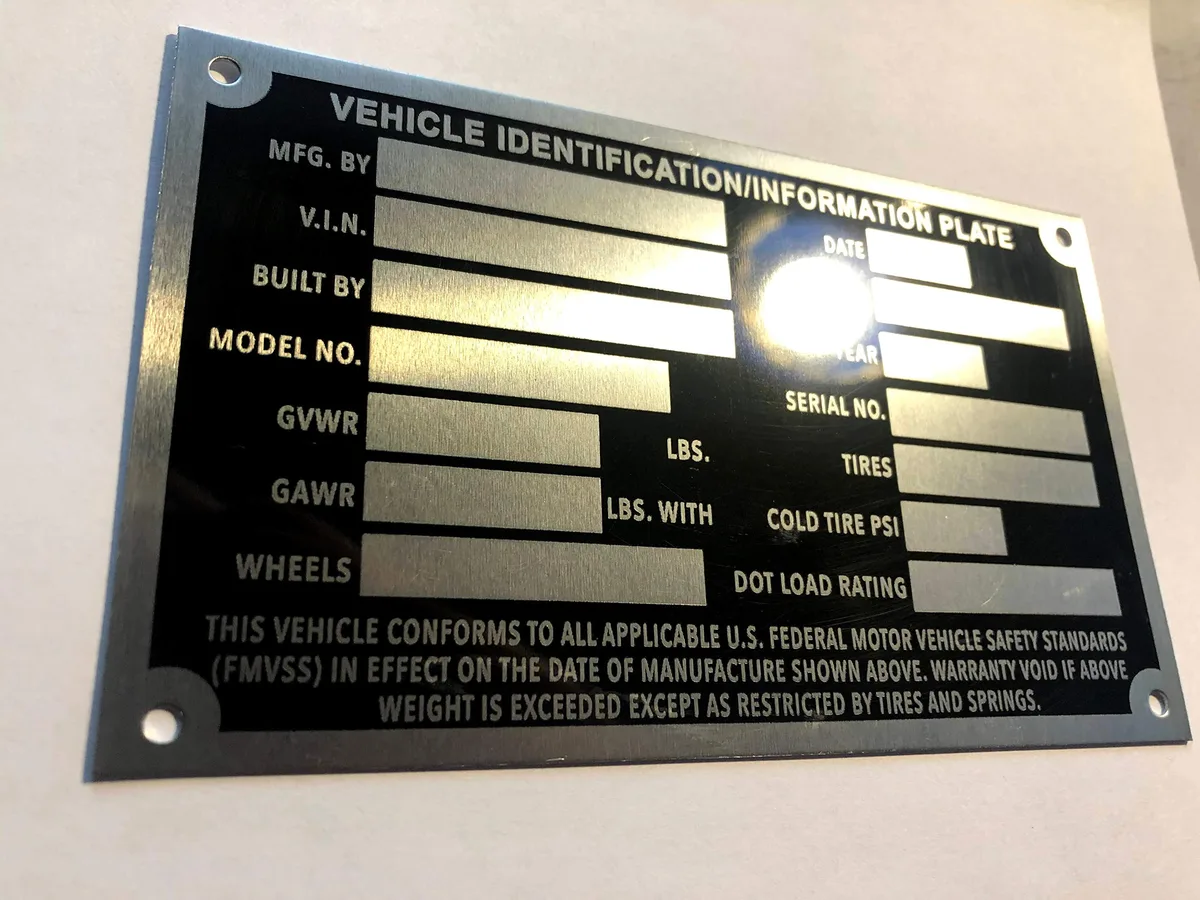
- VIN plate location (must be permanently affixed to the tongue or frame)
If the trailer passes, the officer issues a VIN assignment and attaches a metal plate. You will receive a unique 17-character VIN stamped into that plate. Keep it visible and secure.
Call your local DMV office or troopers ahead of time. Some locations require appointments for VIN inspections. In Anchorage, you can walk in.
In Fairbanks or Juneau, schedule ahead.
Bing (Web (fair-use with source credit))
Step 4: Pay Fees and Receive Your Title and Plate
Once the VIN inspection passes and your paperwork is approved, you pay the fees. The DMV processes the title and registration on the spot or mails them within a week.
You receive:
- A certificate of title showing you as the registered owner
- A registration card
- A license plate for the trailer
Attach the plate to the rear of the trailer. Make sure it is visible and securely mounted.
Step 5: Add Insurance Coverage
Alaska does not require insurance on trailers under 10,000 pounds GVWR. That said, if you have a loan on the trailer, your lender will require it. And if you tow out of state, many jurisdictions require liability coverage on trailers.
Most standard auto policies cover a trailer up to $1,000 or $2,000 in liability. For a custom build worth $5,000 to $15,000, that may not be enough. Call your insurance agent and ask about adding a rider for a custom-built utility trailer.
Alaska-Specific Fees and Costs
Here is what you can expect to pay for a typical custom-built hunting trailer registration in Alaska. Prices are current as of 2026.
| Fee Item | Estimated Amount |
|---|---|
| Application fee (Title and Registration) | $15 to $20 |
| VIN inspection fee | $10 |
| Annual registration (based on weight) | $50 to $150 |
| Use tax (if applicable, 0% to 7% of parts cost) | $0 to $140 |
| Bonded title (if needed) | $100 to $200 plus bond premium |
The registration fee varies by weight. A lightweight utility trailer under 1,500 pounds GVWR costs less than a fully built camper trailer at 3,500 pounds. Check the Alaska DMV fee schedule for exact numbers.
If you live in a borough that charges sales tax, you may owe use tax on the parts you ordered from outside Alaska. The DMV will ask for proof that you paid it. Keep those receipts organized.
Brake Requirements and GVWR Thresholds
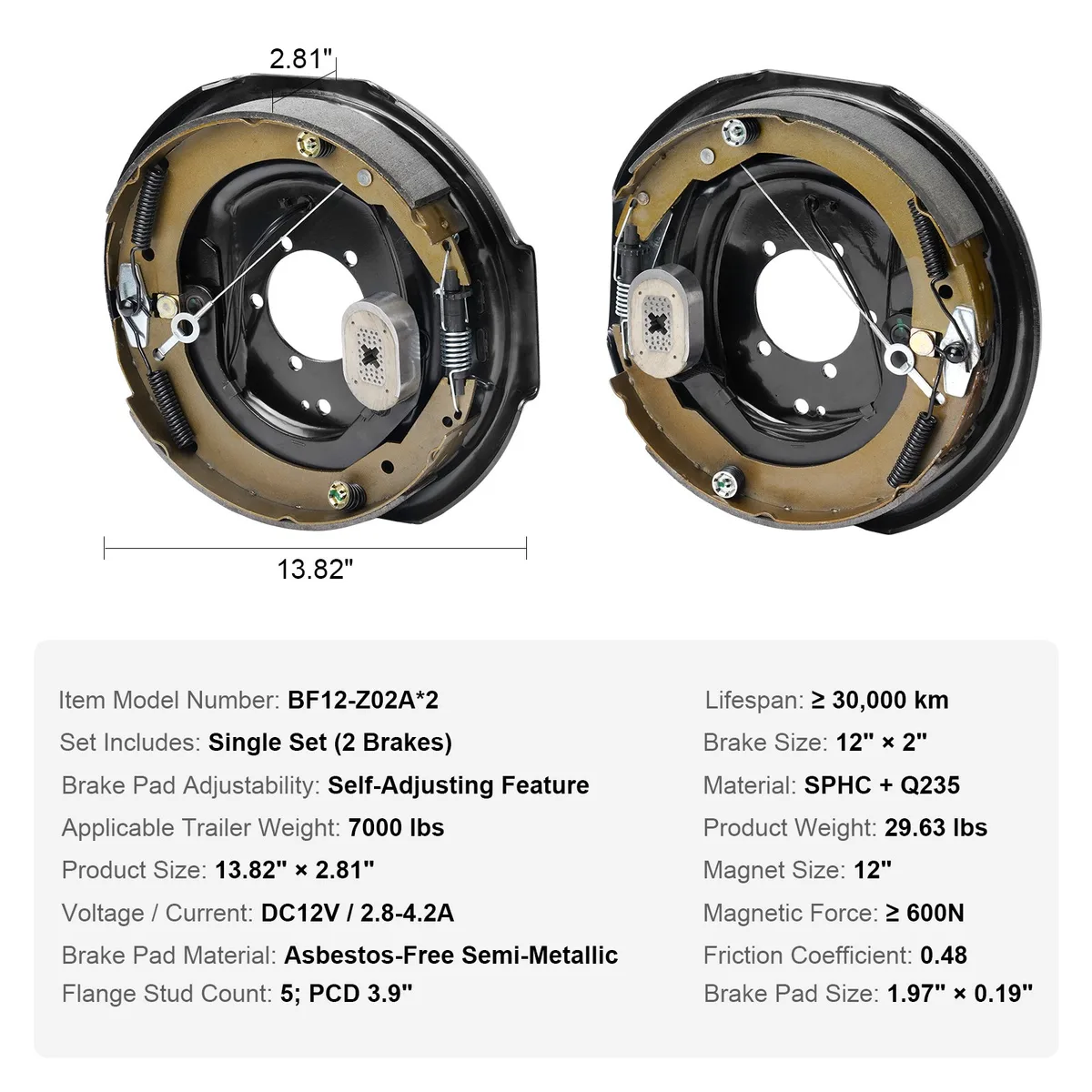
Alaska law is clear on brakes. Any trailer with a Gross Vehicle Weight Rating over 3,000 pounds must have working brakes. That includes electric brakes or surge brakes.
Both are acceptable.
What this means for your build:
- GVWR under 3,000 lbs: no brakes required
- GVWR 3,001 to 10,000 lbs: brakes required
- GVWR over 10,000 lbs: brakes required plus DOT registration
If you built a heavy hunting camper with a wood stove, water tank, and gear storage, you likely exceed 3,000 pounds when loaded. Plan your brake system accordingly.
The VIN inspector will test the brakes during inspection. They check that the breakaway switch functions and that the brakes engage properly. If your trailer has brakes but they are not working, you will fail inspection.
Bing (Web (fair-use with source credit))
Common Registration Mistakes That Cost You Time
After helping several friends through this process, I have seen the same mistakes again and again.
Top mistakes to avoid:
- Showing up without receipts. The DMV needs proof you own the parts. No receipts means a bonded title or denied application.
- Using a donor frame with no title. You cannot just claim it was abandoned. You need a bill of sale or a bonded title.
- Forgetting about use tax. If you live in a taxable borough and ordered parts from outside Alaska, the DMV will ask. Be ready with your payment receipt.
- Scheduling the VIN inspection wrong. Some offices require appointments. Show up without one and you may wait weeks for the next slot.
- Underestimating GVWR. If you declare a low GVWR to avoid brake requirements, a traffic officer can cite you for unsafe operation.
When You Need a Bonded Title
A bonded title is the solution when you have a donor frame or trailer with no clear title. It is not as complicated as it sounds, but it does take longer.
Steps for a bonded title:
- Appraise the trailer value (DMV can help or you can use a third party)
- Purchase a surety bond for that amount from a licensed bonding company
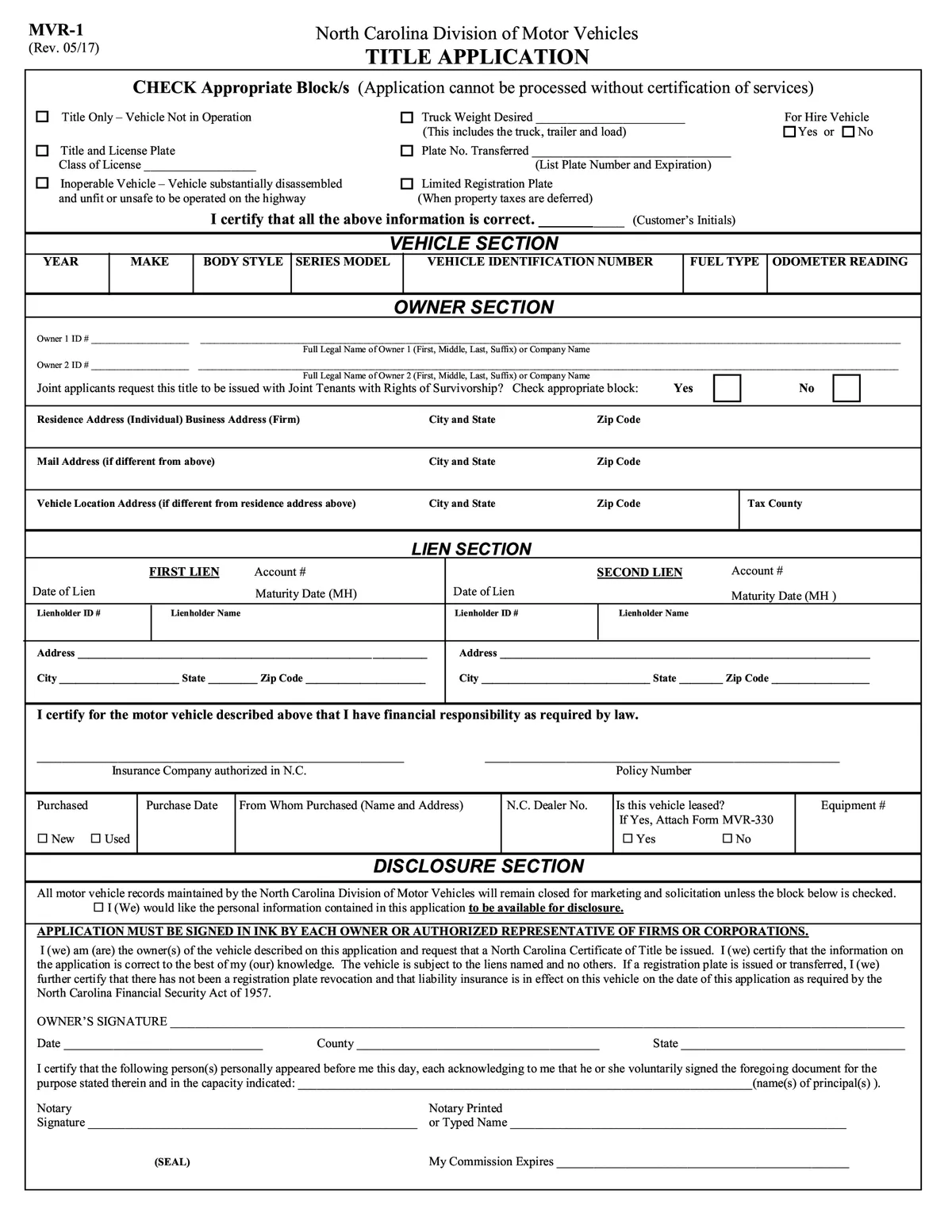
- Submit Form 812 (Bonded Title Application) along with Form 811
- Hold the bond for three years
- After three years with no claims, you receive a clean title
The bond protects the state and any future owners. If someone later claims the trailer was stolen, the bond pays them. If no claim comes, you get a clean title at the end.
This process adds $100 to $200 in bond costs plus a premium. It also adds two to four weeks to the timeline. But it is the legal way to register a trailer with unclear ownership history.
Bing (Web (fair-use with source credit))
Borough Taxes and Use Tax on Out-of-State Parts
This is the trap that catches many DIY builders. If you live in a borough that charges sales tax, you owe use tax on parts purchased outside the borough or outside Alaska.
Boroughs with sales tax (as of 2026):
- Anchorage: 0% (no sales tax, but use tax applies on out-of-state purchases)
- Juneau: 5%
- Fairbanks: 0% (city sales tax may apply)
- Kenai Peninsula Borough: varies by city
The DMV will ask for proof that you paid use tax on parts. If you cannot show it, they may assess the tax at registration time. That means an extra bill you did not plan for.
Keep all your receipts organized by supplier. If you ordered from Amazon, Cabela's, or a trailer parts supplier outside Alaska, keep the invoice and payment confirmation. The DMV may accept a printed order confirmation.
VIN Inspection: What Troopers and DMV Officers Check
The VIN inspection is the most important step in the process. It is also the one that causes the most delays. Here is exactly what the inspector looks for.
Inspection checklist:
| Item | What They Check |
|---|---|
| Frame | No cracks, no excessive rust, no poor welds |
| Axle | Proper rating, no bending, secure mounting |
| Coupler | Secure attachment, correct ball size, safety chains |
| Lights | Tail, brake, turn signals, side markers all functional |
| Reflectors | Red rear, amber front/side, properly mounted |
| Brakes | Working condition, breakaway switch functional |
| Tires | Adequate tread, proper load rating, no dry rot |
| VIN plate | Permanently attached, visible, not tampered with |
If your trailer passes, the officer assigns a VIN and attaches a metal plate. That VIN becomes your trailer's legal identifier. Write it down and keep it with your title.
If your trailer fails, you get a list of what needs fixing. Fix it, then reschedule the inspection. There is no penalty for a failed inspection.
You just have to pay the fee again.
Insurance Considerations for Custom Hunting Trailers
Alaska does not mandate insurance for trailers under 10,000 pounds GVWR. But here is the reality check: if you cause an accident while towing, you are personally liable for the damages. That includes damage to other vehicles, property, or injuries.
A single moose strike on the Parks Highway can total your truck and trailer. Without insurance, you pay out of pocket.
Insurance options:
- Standard auto policy extension: Most policies cover a trailer up to $1,000 to $2,000. That is likely not enough for a custom build.
- Rider or floater policy: You can add a specific rider for the trailer. Cost is typically $100 to $300 per year for $10,000 to $20,000 in coverage.
- Separate trailer policy: Some insurers offer standalone policies for custom trailers. Compare rates.
Call your insurance agent before you hit the road. Ask specifically about coverage for a custom-built utility or hunting trailer. Do not assume your current policy covers it.
Real Scenario: Registering a Moose Hunting Camper Trailer
Let me walk you through a real scenario so you can see how this plays out.
A friend built a 6×10 enclosed hunting camper on a new frame. He added a wood stove, bunk beds, and gear storage. Weight fully loaded was around 3,800 pounds.
He used a new frame he bought online with a certificate of origin.
His timeline:
- Week 1: Ordered frame and components
- Week 3: Completed build
- Week 4: Gathered receipts, filled Form 811
- Week 5: Scheduled VIN inspection at Anchorage DMV
- Week 6: Passed inspection, paid fees, received title and plate
Total cost was about $180 in fees. No bonded title needed. Total time from finished build to registered was 3 weeks.
Contrast that with another friend who used a salvaged camper frame. He had no title for the donor. He spent 6 weeks getting a bonded title, paying $350 in bond costs.
His total time was 10 weeks.
The lesson: use new components when possible. It saves time and money.
Frequently Asked Questions
Can I register a trailer I built last season without receipts?
Yes, but you need alternative proof. The DMV may accept a notarized statement of construction, photos of the build process, or a bill of sale for the donor frame. Without any of those, you will likely need a bonded title.
Do I need a title to drive a custom trailer on Alaska highways?
Yes. Alaska requires a title and current registration for any trailer operated on public roads. The only exception is trailers used exclusively on private land.
What if I move to Alaska with a custom trailer built in another state?
You must register the trailer in Alaska within 10 days of establishing residency. The DMV may require a new VIN inspection. Bring any out-of-state title or registration you have.
If the previous state did not issue a title for homemade trailers, you may need a bonded title in Alaska.
How long does the process take from start to finish?
A clean build with all receipts and a passed VIN inspection takes one to two weeks. A bonded title route takes three to six weeks. Delays usually come from missing documents or VIN inspection scheduling.
Can I skip registration if I only use it off-road?
Yes, if you never tow it on any public road. But most hunters in Alaska drive on public roads to reach access points. Once the trailer touches a public road, even for a mile, you need registration.
What happens if I get caught without registration?
You face a citation and possible impoundment of the trailer. Fines vary by location but typically start at $100 to $300. Repeat offenses can result in the trailer being held until you provide proof of ownership and registration.