ByMax Lee
Guide to No Wash Car Cleaner
Bing (Web (fair-use with source credit))
The "No Wash" Car Cleaner Decision Guide (Colorado Edition)
If you own a car in Colorado, you know the struggle. Water restrictions hit cities like Aurora and Colorado Springs every dry summer. Fine dust coats everything on the Front Range.
Apartment life means no hose access. A no wash car cleaner solves all three problems at once. These products let you clean your car without running water.
Spray, wipe, and buff. That is it.
Manufacturer specifications indicate that a quality rinseless wash concentrate can clean an entire vehicle using less than one gallon of water. That is a 97 percent reduction compared to a garden hose wash. The Colorado Water Conservation Board reports that outdoor water use accounts for over 40 percent of household consumption in summer.
Low-water alternatives are a smart choice during drought years. But here is the catch. No wash cleaners work brilliantly in some situations and will scratch your paint in others.
Why a "No Wash" Cleaner? The Real Problem
The problem is simple. You cannot or will not use a hose. In Colorado, that includes a lot of people.
Apartment dwellers across Denver, Boulder, and Fort Collins rarely have a spigot. HOA communities ban driveway washing because of runoff rules. Homeowners face water restrictions that last months.
A traditional bucket wash is not an option for many Colorado car owners.
Colorado's climate is hard on paint. High-altitude sun bakes clear coats. Fine silica dust from unpaved roads acts like sandpaper.
Winter brine from CDOT road treatment leaves a corrosive film. A no wash cleaner lets you remove that grime in minutes, even in a parking garage.
The real question is whether your product will lift that dirt safely or grind it into your clear coat. The answer depends on three things: your paint condition, your dirt level, and your technique.
Quick Answer: Who Wins and Who Should Walk Away
Here is the short version. If you have a ceramic coated or well-waxed car with light dust or pollen, a no wash cleaner is perfect. You finish the whole car in 15 to 20 minutes with no hose.
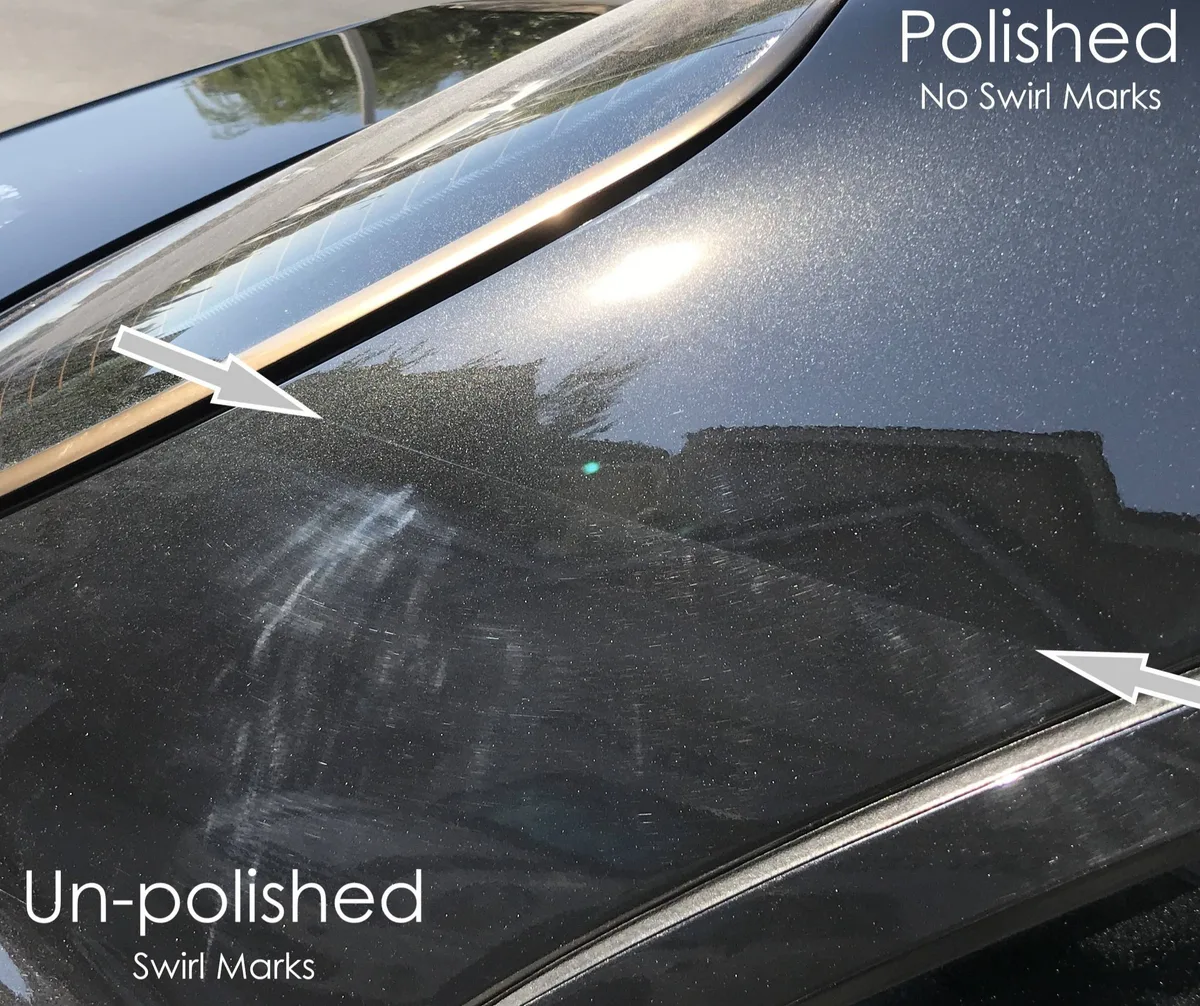
If you have bare paint or caked-on mud, stick with a traditional hose wash. Using a no wash cleaner on dirty bare paint guarantees swirl marks.
Good candidates for no wash cleaning:
- Apartment dwellers with light surface dust
- Mountain town residents dealing with pine sap between washes
- Winter drivers removing salt brine without a full wash
- Anyone with a coated or sealed vehicle wanting a quick maintenance wash
Drivers who should skip it:
- Anyone with mud-caked vehicles after off-roading
- Owners of cars with no paint protection in dusty season
- Drivers who cannot work in shade or cooler temperatures
How Waterless and Rinseless Cleaners Actually Work
There are two types. They work differently.
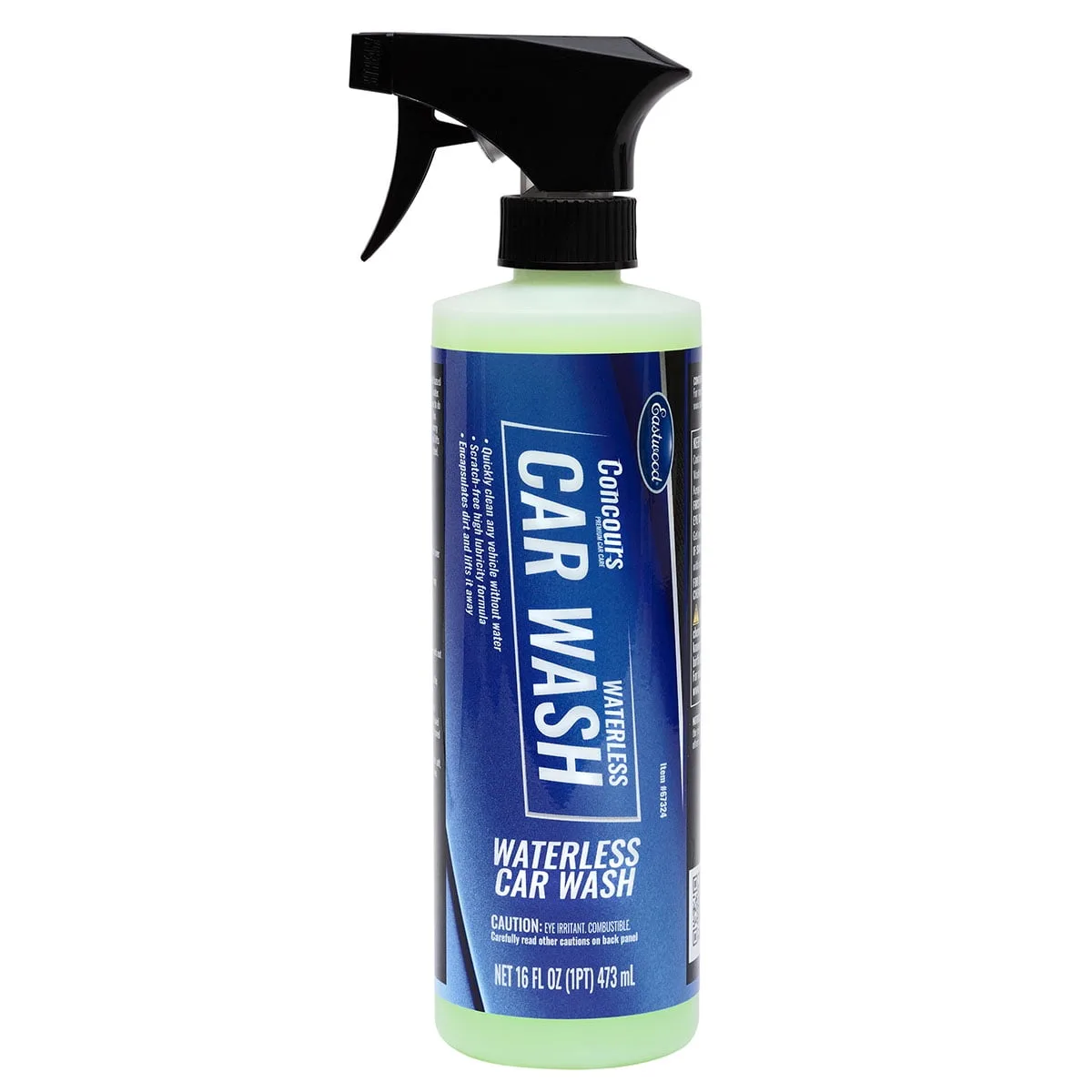
A waterless wash is a spray-on product. It uses lubricating polymers and emulsifiers to encapsulate dirt particles. You spray it onto a dry panel, let it dwell for a few seconds, and wipe it off.
The polymers create a slippery layer that lets dirt slide across the paint without digging in.
A rinseless wash is a concentrate you mix with water in a bucket. You soak a microfiber towel in the solution, wipe a small section, and dry it immediately. Typical dilution is 1 ounce per 2 to 3 gallons of water for rinseless use, or 1 ounce per 16 ounces of water for waterless use.
Both types rely on extreme lubricity. The solution creates a barrier between dirt and paint. When you wipe, contaminants lift into the towel fibers instead of scraping across the surface.
Per manufacturer testing, a properly used no wash cleaner causes less friction than a traditional bucket wash with a dirty mitt.
The Three Variables That Make or Break Your Result
Paint Protection: What Is on Your Clear Coat
A ceramic coating offers the highest lubricity and the easiest cleaning experience. A spray wax or sealant is next. Bare paint with no protection is the most risky.
There is no slip layer to help dirt glide off.
If your car has a ceramic coating, almost any no wash cleaner works well. If it has a fresh wax, you get good results with proper technique. If it has no protection, you must be careful about dirt levels and towel technique.
Dirt Level: Dust vs. Mud vs. Brine
Light dust and pollen are safe to remove. Light road film is manageable. Heavy caked-on mud, gravel dust from Forest Service roads, or thick winter sludge require a hose rinse first.
The test is simple. If you can blow the dust off with compressed air, a no wash cleaner handles the residue easily. If you see clumps of dirt, do not use a no wash cleaner.
Rinse first.
Your Wash Setup: Garage, Parking Lot, or Apartment Curb
A shaded garage at 65 degrees is ideal. A parking lot at noon with direct sun is a disaster. At high altitude in Colorado, the sun is intense.
Product dries faster on hot panels. If it dries before you wipe, you bake residue onto the paint. Work in the shade or at dawn or dusk.
Decision Branches: Which Route Is Right for You
Branch 1: Coated Car, Light Dust
Go waterless. Spray a clean section, let it dwell for 10 to 15 seconds, and wipe with a folded microfiber towel. Change towels frequently.
Expected time: 15 minutes for a sedan, 20 for an SUV.
Branch 2: Sealed or Waxed Car, Moderate Dirt
Go rinseless. Mix the concentrate per manufacturer specs. Use multiple towels soaked in solution.
Wipe a small section, dry immediately, and toss the used towel. Expected time: 25 to 30 minutes.
Branch 3: Bare Paint or Heavy Grime
Stop. Do not use a no wash cleaner. Rinse the car with a hose or use a self-serve bay first.
If you cannot, wait until conditions change. Attempting a no wash clean on heavy grime with bare paint guarantees swirling.
Branch 4: Winter Salt and Brine Exposure
Use a rinseless wash. The solution dissolves salt more effectively than a waterless spray. Work in small sections and dry thoroughly to avoid salt re-depositing.
Keep towels moving and dry the car fully before freezing temperatures hit.
Step-by-Step: The Safe No-Wash Workflow
Pre-Check the Dirt
Walk around your car. Run your finger across a panel. If you see a clean streak with no scratch, you are good.
If you feel grit, go to a self-serve bay first. This is the most important decision you will make.
Pre-Spray and Dwell
For a waterless wash: spray one panel at a time. Use enough product to wet the surface. Let it sit for 10 to 15 seconds.
For a rinseless wash: soak your towel in solution, wring it damp, and lay it on the panel for a few seconds before wiping.
The Two-Towel Method
Use one damp towel to wipe dirt off. Use a second dry towel to buff dry. The key difference between a spotless finish and a scratched mess often comes down to your technique.
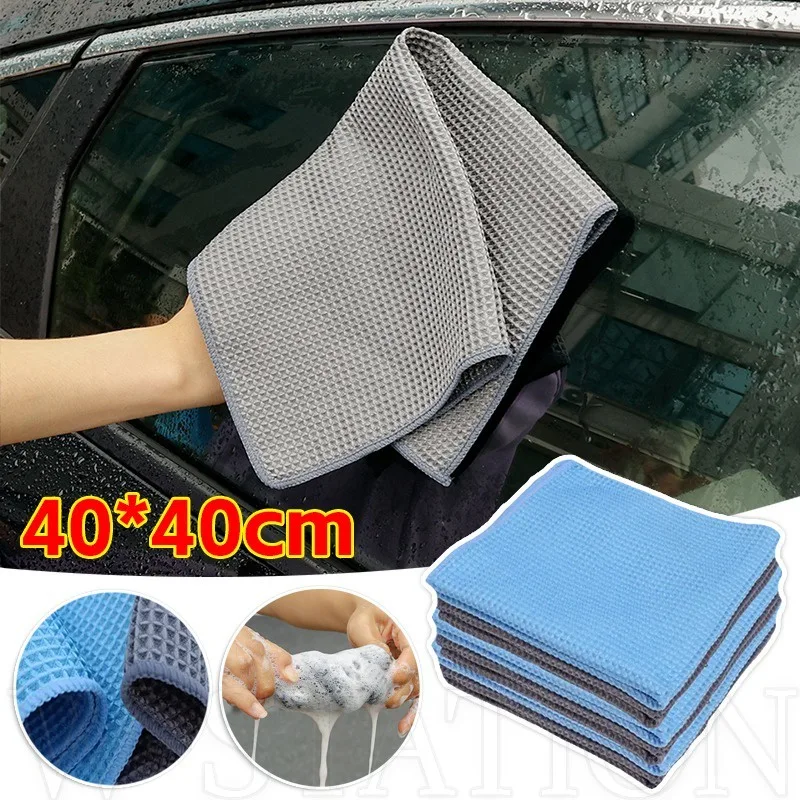
Fold each towel into quarters. That gives you eight clean surfaces per towel. Use one surface per pass.
Never go back to the paint with a dirty towel face.
Work from the top of the car down. Start with the roof, then the hood and trunk, then the sides. The lower panels are dirtiest, so save your cleanest towel surfaces for the upper panels.
Work in Sections
Do not spray the whole car at once. Work in sections about two feet square. In Colorado's dry air, the product can dry before you wipe.
Spray, wipe, dry. Move to the next section. Repeat.
Final Drying Pass
Use a fresh dry towel to buff any streaks or missed spots. This takes two minutes and makes a visible difference.
Who This Works For (and Who Should Stick to a Hose)
Apartment Dwellers and HOA Residents
You are the ideal audience. No hose access, no problem. Keep your car clean in a parking spot or garage stall.
Avoid direct sun and watch for runoff pooling under the car.
Mountain Town Daily Drivers
If you drive gravel roads in Evergreen or Woodland Park, you deal with fine dust. A no wash cleaner handles this well. If you drive through mud, rinse first.
Truck and SUV Owners
Light trail dust is fine. Caked mud from off-roading is not. If you can flick mud off with your finger, you need a hose first.
Winter Drivers Battling Brine
Colorado uses liquid brine on highways. It leaves a white film on paint. A rinseless wash dissolves and lifts brine effectively.
Dry thoroughly so dissolved salt does not recrystallize on the paint.
Drivers who should skip a no wash cleaner:
- Anyone with heavily mud-caked vehicles after off-roading
- Drivers with bare unprotected paint in dusty conditions
- Owners who cannot work in shade or cooler temperatures
Common Mistakes That Kill Your Paint
Using One Towel for the Whole Car
Your towel picks up dirt. Using the same towel for the whole car drags that dirt across every panel. Use multiple towels.
Plan for three to five per wash. Wash them separately with dedicated microfiber detergent. A quick guide on what to wash car rags in will help you keep your towels in good shape.
Wiping Dry or Heavy Dirt
If the panel is dry and dusty, do not wipe with a damp towel alone. You need lubricant from the product to float the dirt. Skipping the spray means dry wiping your paint.
Working in Direct Sun
Colorado sun at altitude is brutal. A panel at 100 degrees causes the product to dry in seconds. You get residue and streaks.
Work in the shade, during early morning, or at dusk.
Buying the Wrong Product Type
Not all no wash cleaners are the same. Some handle light dust only. Others handle moderate road film.
Check manufacturer specs. If you buy a quick detailer, it is a gloss enhancer for already clean paint, not a cleaner.
What It Costs vs. Traditional Washes in Colorado
Concentrate Savings
A rinseless wash concentrate costs about $15 to $25. At standard dilution, that bottle makes 20 to 30 full car washes. The cost per wash is roughly $0.50 to $1.00.
A ready-to-use waterless spray costs $8 to $15 per bottle. It covers 8 to 12 washes. That is about $1.00 to $1.50 per wash.
A traditional car wash soap costs $10 to $15 per bottle and lasts 15 to 20 washes. But you also pay for water. At Front Range water rates, a 30-minute hose wash costs about $0.50 to $1.50 in water.
That brings a traditional wash to $1.15 to $2.25 total.
Towel Investment
Plan to spend $15 to $25 for a pack of six quality edgeless microfiber towels. They last 20 to 30 washes if cared for properly. Wash them separately with no fabric softener.
Summary Table
| Method | Cost per Wash | Water Used | Time | Paint Risk Level |
|---|---|---|---|---|
| Traditional hose wash | $1.15 – $2.25 | 30-60 gallons | 30-45 min | Low with good technique |
| Self-serve bay | $3 – $8 | Varies | 10-15 min | Medium from brushes |
| Rinseless wash concentrate | $0.50 – $1.00 | Under 1 gallon | 20-30 min | Low with coated paint |
| Waterless wash ready-to-use | $1.00 – $1.50 | 0 gallons | 15-20 min | Low with coated paint |
Expert Pro Tips for Colorado Conditions
Adjust Dilution for Dry Climate
Colorado's low humidity means products evaporate faster. Try a slightly stronger dilution than recommended. For rinseless washes, use 1 ounce per 2 gallons instead of 1 ounce per 3 gallons.
The extra lubricant buys you working time.
Towel Care at Altitude
Dry static-prone air makes towels attract dust between uses. Store them in sealed bins or zippered bags. Never leave them sitting out in a garage collecting airborne particulates.
Timing Around Wildfire Smoke and Pollen
Summer wildfire season leaves fine ash on paint. Spring brings heavy pine pollen. Both are safe to remove with a no wash cleaner if caught early.
Let them sit for days and they can bond to the clear coat. Wash within 24 to 48 hours of exposure.
Rotate Towel Faces Frequently
A single dirty towel face can scratch an entire panel. Fold your towels into eighths. Use each face exactly once.
When you run out, grab a fresh towel. Do not compromise on this.
Safety and Local Considerations
Several Front Range cities enforce water restrictions during drought periods. Aurora, Colorado Springs, and Fort Collins all ban non-essential outdoor water use at various times. A no wash cleaner is fully compliant because it uses no tap water.
Check your HOA or apartment rules too. Some communities restrict any car cleaning in parking areas. Stick to biodegradable products labeled as safe for wastewater systems.
Temperature matters. Do not use no wash cleaners below 40 degrees or above 90 degrees. The product loses lubricity in cold and evaporates too fast in heat.
Store products in a heated garage during Colorado winters.
Using dish soap on cars is a common mistake that can strip wax. Stick with dedicated car cleaning products.
Real Scenarios: How Colorado Owners Use This
Denver commuter with a ceramic coated sedan. He parks outside and deals with daily dust and pollen. He uses a waterless spray every 10 days. Total time is 15 minutes.
His paint stays swirl-free because he changes towels frequently and avoids direct sun.
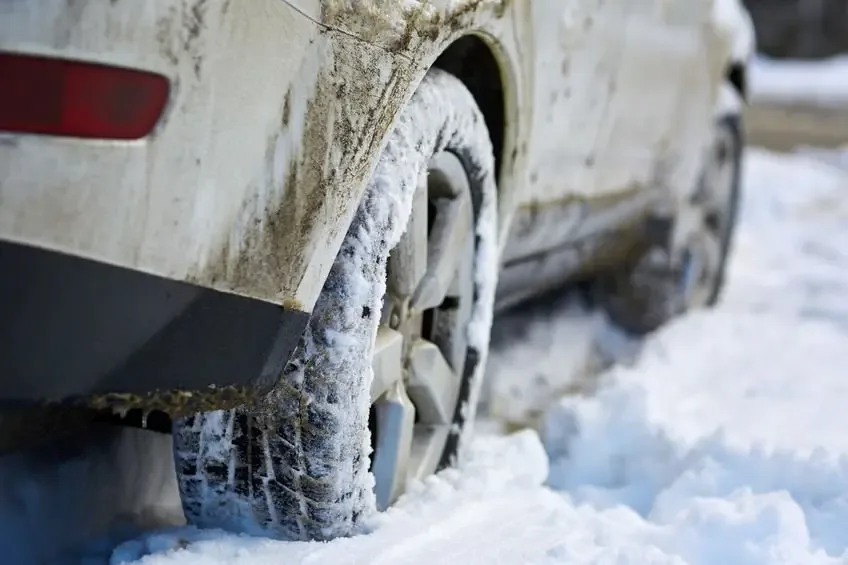
Colorado Springs truck owner with no wax. He drove a gravel road and had heavy dust. He used a self-serve bay rinse first, then a rinseless wash at home. The result was clean with no scratches.
He learned that no wash cleaners cannot handle heavy grit on bare paint.
Breckenridge resident dealing with winter brine. She uses a rinseless wash in her heated garage once a week during ski season. The solution dissolves the salt film without a hose. She dries thoroughly to prevent salt from recrystallizing.
Her car stays clean despite daily mountain driving.
Your Final Decision Guide
Here is your checklist before buying a no wash cleaner.
- Does your car have ceramic coating or a wax layer? Go ahead.
- Is the dirt light dust or road film only? You are clear.
- Do you have good microfiber towels and a shaded work area? Proceed.
- If you answered no to any of these, fix that first or use a hose.
One sentence verdict per owner type. Apartment dwellers with coated cars get the most value. Gravel road drivers with bare paint should skip it.
Winter salt fighters with a heated garage should buy a rinseless concentrate today.
Choose your product based on your situation. Apply the three variables. Use the two-towel method.
Your paint will thank you.