ByMax Lee
CT Auxiliary Light & Off-Road Bar Highway Laws
Connecticut auxiliary lighting and off road light bar highway restrictions can land you a ticket if you don’t follow the rules. The state has strict laws on what’s allowed, and most aftermarket light bars don’t meet highway standards.
Per Connecticut General Statutes § 14-96, auxiliary lights must comply with DOT and SAE standards, and non-compliant setups risk fines. Here’s what you need to know to stay legal.
Quick Answer
Connecticut auxiliary lighting and off road light bar highway restrictions ban most light bars on public roads. Only DOT-approved white or amber lights are legal. Non-compliant colors or beam patterns are prohibited.
Mounting height and placement also have limits.
Connecticut’s Auxiliary Lighting & Off-Road Light Bar Laws: What’s Legal on Highways
Connecticut treats auxiliary lighting as a safety issue, not just an equipment choice. The state’s laws are clear: any lighting that distracts, blinds, or confuses other drivers is illegal on public roads.
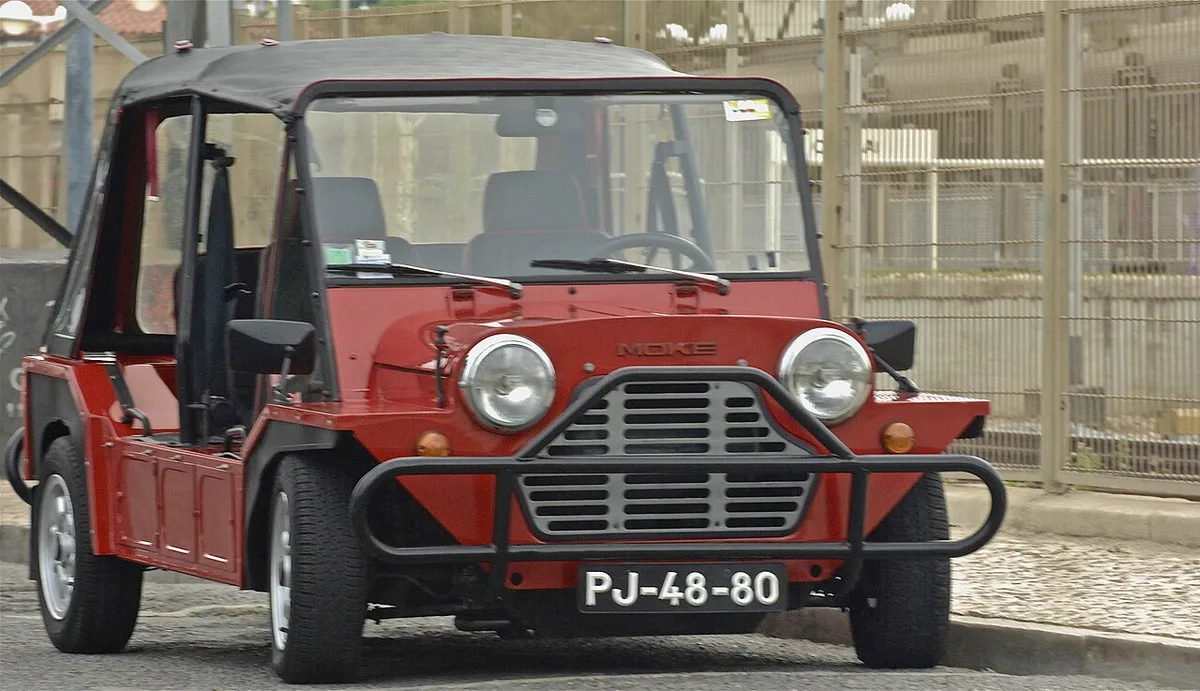
Wikimedia Commons / Pedro Ribeiro Simões from Lisboa, Portugal (CC BY)
Under CGS § 14-96, vehicles can only use auxiliary lights that meet federal and state standards. This includes:
- Color restrictions: Only white or amber lights are permitted for forward-facing auxiliary lighting. Red and blue are reserved for emergency vehicles.
- Beam pattern: Lights must not oscillate, flash, or create a strobe effect. Spot and flood beams are allowed if they don’t blind oncoming traffic.
- Placement: Lights must be mounted in a way that doesn’t obstruct the driver’s view or create glare for others.
The law doesn’t outright ban light bars, but most off-road models fail to meet these requirements. If your setup doesn’t comply, you’re risking a ticket.
DOT & SAE Compliance: Which Light Bars Are Street-Legal in CT
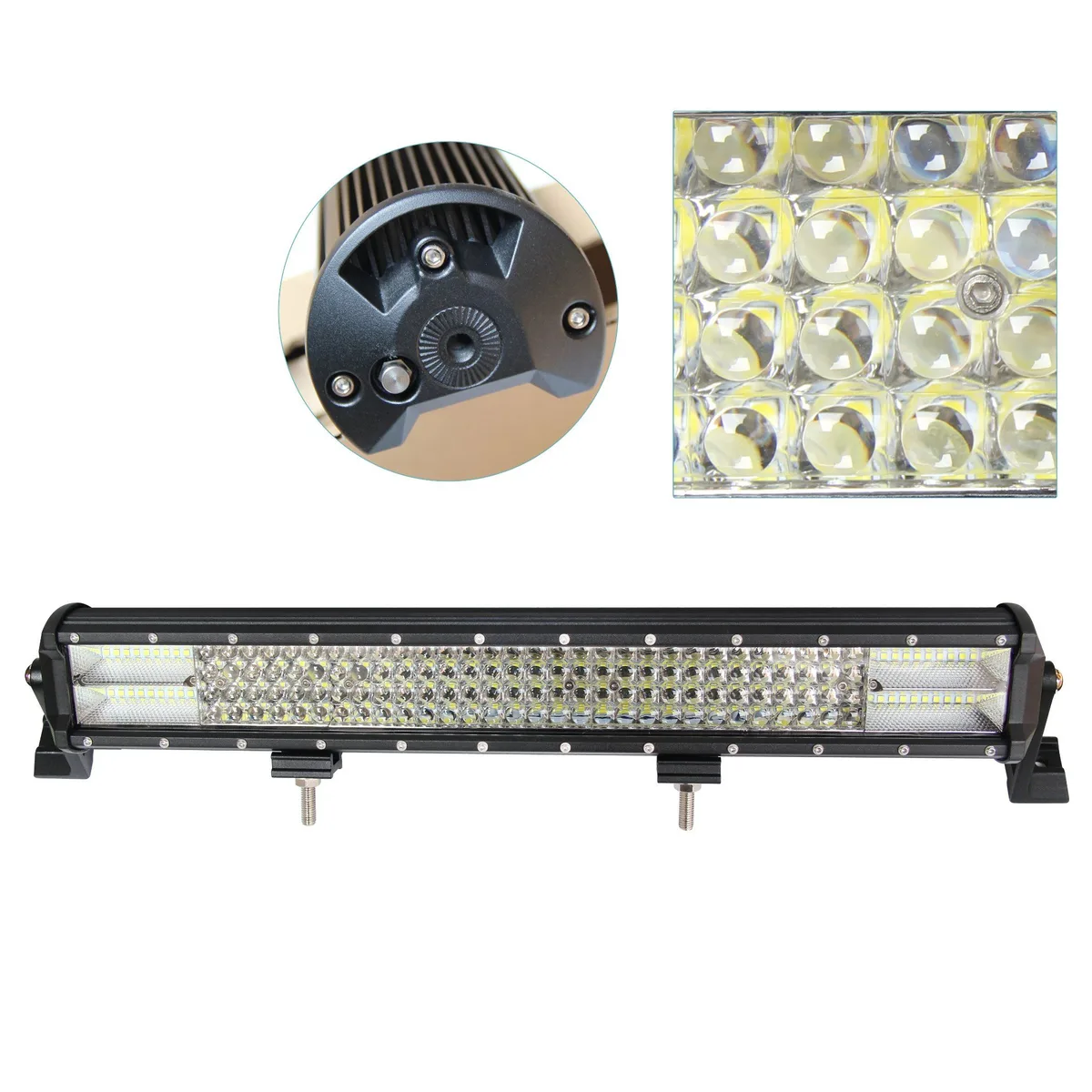
Not all light bars are created equal. For highway use in Connecticut, your auxiliary lighting must meet DOT FMVSS No. 108 and SAE J581 standards.
Bing (Web (fair-use with source credit))
Here’s what compliance looks like:
- DOT certification: Look for a DOT or SAE mark on the light bar. This means it’s been tested for brightness, beam pattern, and durability.
- SAE J581: This standard covers fog lights, which are the closest legal equivalent to off-road light bars. They must emit white or amber light and have a specific beam spread.
- Manufacturer specs: Reputable brands like Rigid Industries or Baja Designs often list DOT compliance in their product details. Always check before buying.
If your light bar lacks these certifications, it’s for off-road use only. Using it on Connecticut highways is a violation.
Where You Can (and Can’t) Mount Light Bars in Connecticut
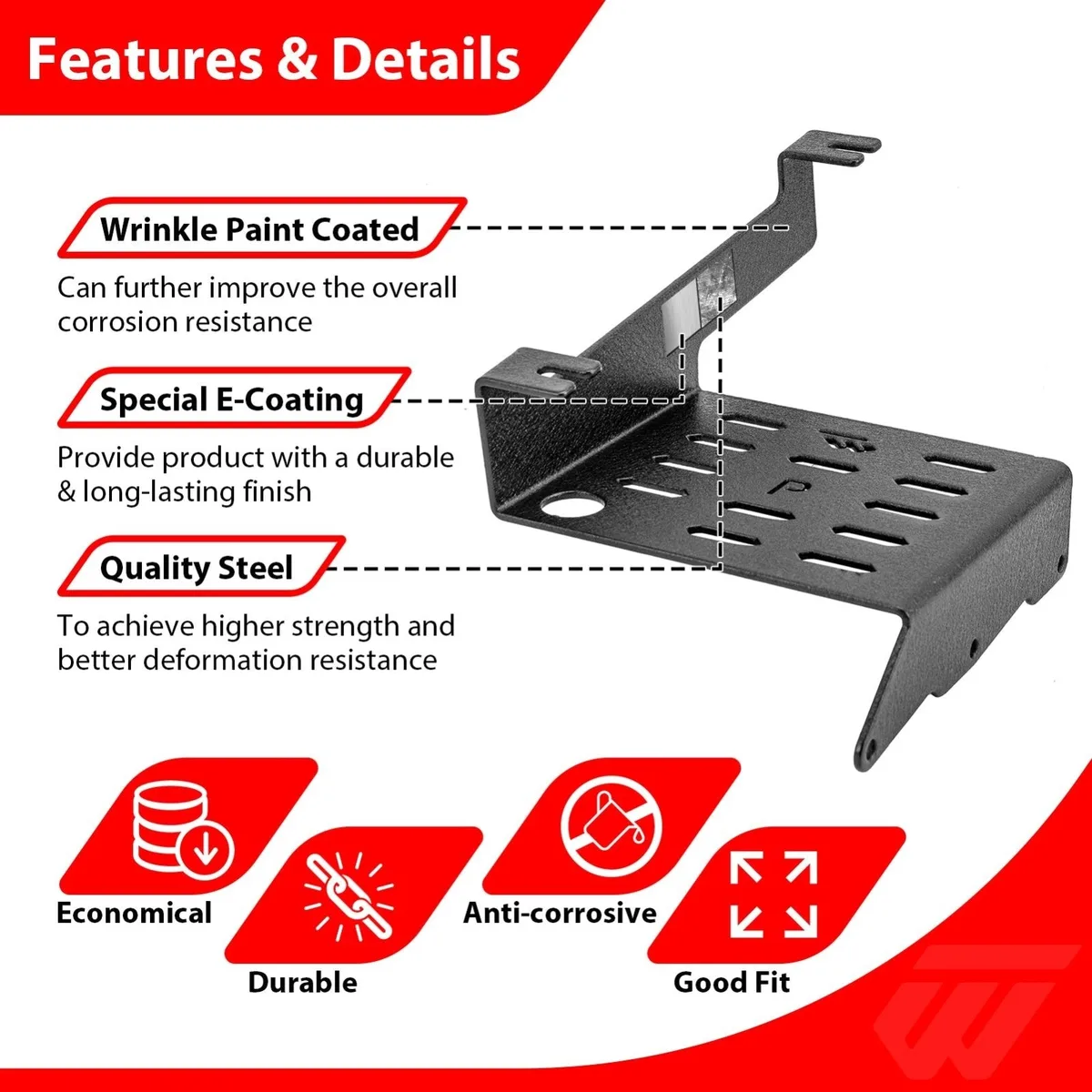
Mounting location matters just as much as the light itself. Connecticut doesn’t specify exact mounting heights, but CGS § 14-96a implies that lights must not interfere with other drivers’ visibility.
Bing (Web (fair-use with source credit))
Here’s a quick guide to legal mounting:
| Mounting Location | Legal for Highway Use? | Notes |
|---|---|---|
| Roof (above windshield) | No | Too high; can blind oncoming traffic |
| Bumper | Yes (if DOT-compliant) | Must not exceed vehicle width |
| Grille | Yes (if DOT-compliant) | Must not obstruct headlights |
| A-pillar | Yes (if DOT-compliant) | Must not create glare for other drivers |
| Inside cabin | No | Illegal and unsafe |
Even if your light bar is DOT-approved, mounting it in the wrong spot can still get you pulled over. When in doubt, stick to bumper or grille mounts and ensure the beam is aimed correctly.
Beam Patterns, Colors, and Brightness: The Legal Limits
Connecticut’s laws are specific about how your auxiliary lights can perform. Here’s what’s allowed and what’s not:
Color
- Legal: White, amber
- Illegal: Red, blue, green
Beam Pattern
- Legal: Steady burn, flood, or spot (if aimed properly)
- Illegal: Flashing, oscillating, or strobe effects
Brightness
- No specific lumen limit, but lights must not blind other drivers. If your light bar is brighter than your headlights, it’s likely too much for highway use.
Aiming
- Lights must be aimed so they don’t shine into oncoming traffic. Misaligned lights are a common reason for tickets.
If your light bar doesn’t meet these criteria, it’s for off-road use only. Swapping to a DOT-compliant model is the safest way to stay legal.
Off-Road vs. Highway Use: When to Cover or Remove Your Light Bar
The simplest way to avoid trouble is to treat your light bar like any other off-road gear. Use it off the pavement, then cover or remove it before hitting the highway.
Here’s how to stay compliant:
- Off-road only: Use non-DOT light bars on private property or designated trails. Connecticut has plenty of off-road areas where these lights are fine.
- Highway use: Switch to DOT-approved lights or remove the light bar entirely. Some drivers use quick-release mounts for easy removal.
- Covering lights: If you don’t want to remove the light bar, use a cover that blocks the light output. This is a common workaround for off-road enthusiasts.
Common Mistakes That Get Connecticut Drivers Ticketed
The most frequent violations involve non-compliant colors and improper mounting. Red or blue light bars are an instant red flag for police, as these colors are reserved for emergency vehicles under CGS § 14-96p.
Another common issue is beam pattern. Flashing or oscillating lights are illegal, even if they’re white or amber. Officers also watch for lights that are too bright or aimed incorrectly.
Many drivers assume that if a light bar is sold, it’s legal. That’s not true. Retailers often market off-road lights without clarifying highway restrictions.
Always check for DOT and SAE markings before installing.
How to Wire and Install Light Bars Without Breaking the Law
Wiring a light bar correctly is just as important as choosing the right model. A poor installation can cause electrical issues or make the lights non-compliant.
Start with a relay and fuse kit to handle the power load safely. Connect the relay to your battery’s positive terminal, then run the wiring through a fuse block. This prevents overloads and potential fires.
For the switch, mount it in a spot that’s easy to reach but won’t distract you while driving. Some drivers use a toggle switch, while others prefer a wireless remote for convenience. Just ensure the switch is rated for the amperage your light bar draws.
Finally, test the lights before hitting the road. Make sure they turn on and off smoothly and that the beam pattern is aimed correctly.
Connecticut-Specific Exceptions (Emergency, Agricultural, and Utility Vehicles)
Not all vehicles are held to the same standards. Connecticut makes exceptions for certain types of vehicles, but the rules are strict.
Emergency vehicles can use red and blue lights, but only if they’re authorized by the state. This includes police cars, fire trucks, and ambulances. Private vehicles cannot use these colors under any circumstances.
Agricultural vehicles have some leeway for auxiliary lighting, but they must still comply with basic safety standards. Tractors and other farm equipment can use amber lights to increase visibility, but they can’t use flashing or oscillating beams.
Utility vehicles like snow plows and road maintenance trucks may also use additional lighting. However, these vehicles must follow specific regulations outlined by the Connecticut Department of Transportation. For clarification, check the CT DMV website.
What Happens If You’re Pulled Over for Illegal Auxiliary Lights?
If an officer spots non-compliant lighting, you’ll likely receive a fix-it ticket. This means you’ll need to correct the issue and provide proof to the court within a set timeframe, usually 14 days.
Bing (Web (fair-use with source credit))
The fine for illegal auxiliary lighting in Connecticut can range from $50 to $200. If you fail to fix the issue, the fine can increase, and you may face additional penalties.
In some cases, officers may allow you to remove or cover the lights on the spot to avoid a ticket. However, this isn’t guaranteed. The safest approach is to ensure your lighting setup is compliant before hitting the road.
Step-by-Step: Making Your Light Bar Highway-Legal in CT
Start by checking your light bar for DOT and SAE markings. If it doesn’t have them, it’s not legal for highway use in Connecticut. Replace it with a compliant model if necessary.
Next, verify the color and beam pattern. Only white or amber lights are allowed, and the beam must be steady. If your light bar has a flashing mode, disable it or switch to a different model.
Mount the light bar in a legal position. Bumper or grille mounts are the safest options. Avoid roof mounts, as they can blind oncoming traffic and are more likely to be flagged by police.
Finally, aim the lights properly. Use a wall or a flat surface to check the beam pattern. The lights should illuminate the road ahead without shining into other drivers’ eyes.
Best Light Bar Setups for Connecticut Off-Roaders (Without the Fines)
For off-road use, a 20-inch to 50-inch LED light bar with a combo beam pattern works well. These provide both distance and width, ideal for trails and open areas. Just remember to cover or remove them before driving on public roads.
For highway-legal setups, opt for DOT-approved fog lights or driving lights. These are typically smaller pod lights that meet Connecticut’s standards. Brands like KC HiLites and Rigid Industries offer compliant options.
If you frequently switch between off-road and highway driving, consider a quick-release mount. This lets you remove the light bar in minutes, so you can stay legal without permanent modifications.
FAQs: Connecticut’s Most Asked Questions About Auxiliary Lighting
Are light bars legal in Connecticut?
Only DOT and SAE-compliant light bars in white or amber are legal on Connecticut highways. Most off-road light bars don’t meet these standards and should only be used off public roads.
Can I use a red or blue light bar in Connecticut?
No. Red and blue lights are reserved for emergency vehicles under CGS § 14-96p. Using these colors on a private vehicle is illegal and can result in a fine.
What’s the fine for illegal auxiliary lighting in Connecticut?
Fines typically range from $50 to $200 for non-compliant lighting. If you receive a fix-it ticket, you’ll need to correct the issue and provide proof to the court.
Can I mount a light bar on my roof in Connecticut?
Roof-mounted light bars are generally not recommended. They can blind oncoming traffic and are more likely to be flagged by police. Stick to bumper or grille mounts for highway use.
Do I need to aim my auxiliary lights a certain way?
Yes. Lights must be aimed so they don’t shine into other drivers’ eyes. Use a wall or flat surface to check the beam pattern and adjust as needed.