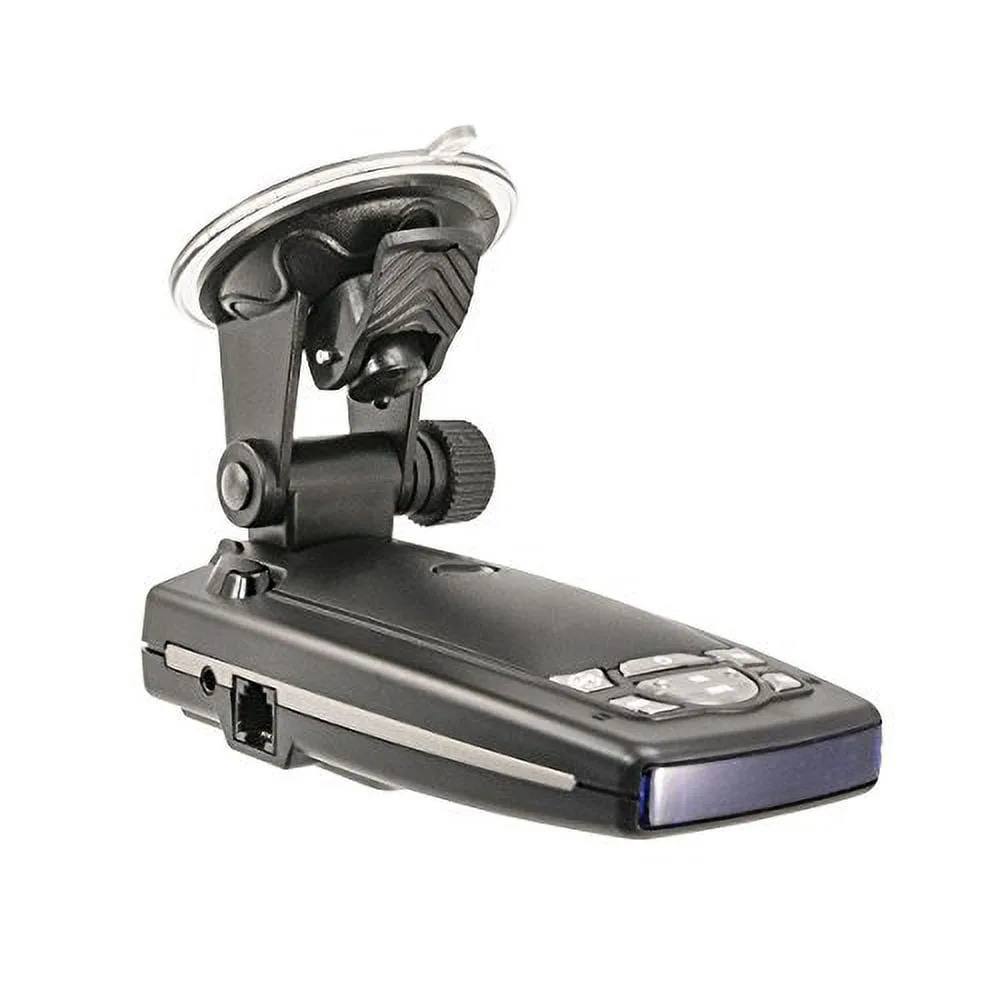
ByMax Lee
Are Radar Detectors Legal in Connecticut?
Connecticut radar detector legality in passenger and commercial vehicles depends on what you drive. The rules split cleanly: passenger cars can use them, but commercial vehicles face a full ban. That distinction trips up many drivers, especially those who switch between personal and work trucks.
As of 2026, Connecticut follows federal law for commercial vehicles while allowing radar detectors in private cars. The difference comes down to vehicle classification, not the device itself.
Bing (Web (fair-use with source credit))
Quick Answer
Connecticut radar detector legality in passenger and commercial vehicles is split. Passenger cars can legally use radar detectors. Commercial vehicles cannot.
Federal law bans them in any commercial motor vehicle over 10,000 lbs. Connecticut enforces this ban strictly.
Connecticut’s Radar Detector Laws Explained
The state doesn’t have its own ban for passenger vehicles. That means you can mount a radar detector in your car without breaking Connecticut law. The restriction kicks in only when the vehicle is classified as commercial.
Bing (Web (fair-use with source credit))
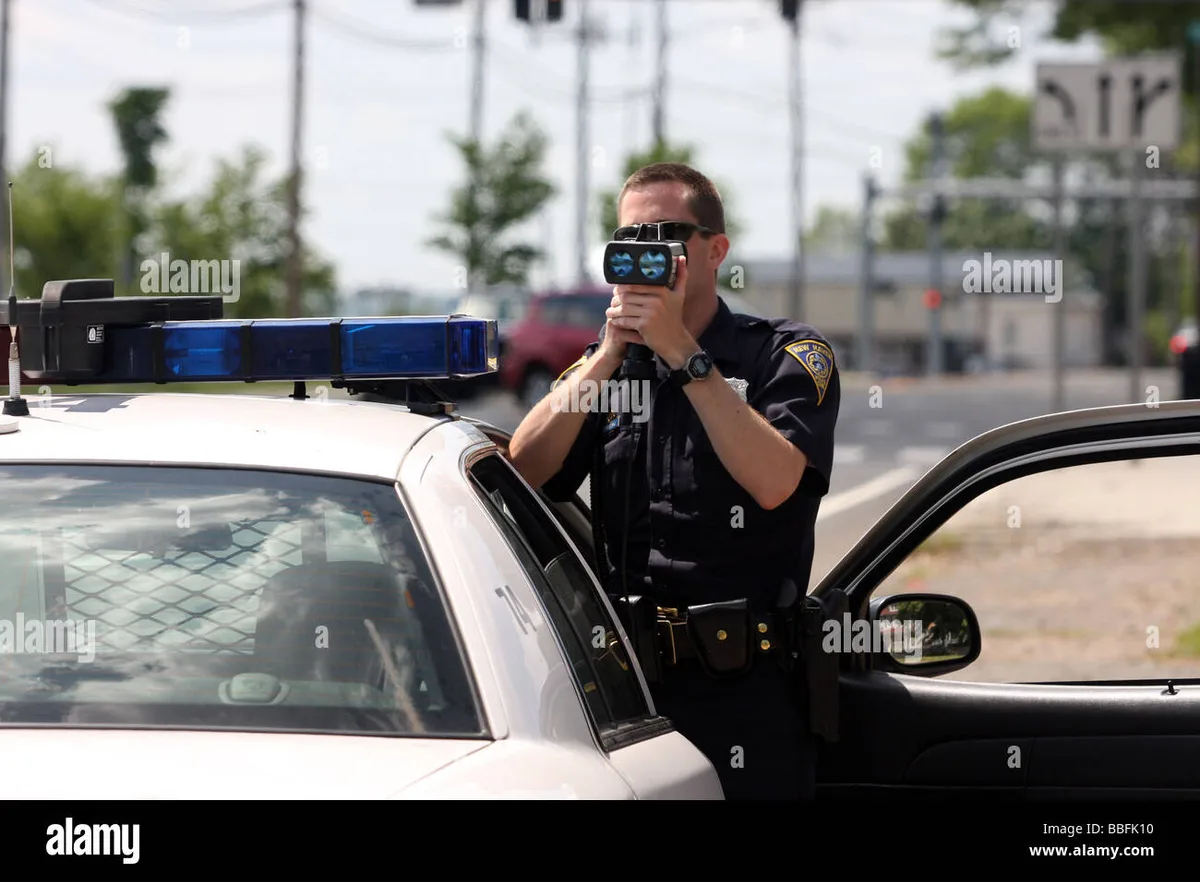
Police use radar and LIDAR to enforce speed limits. A detector simply alerts you to these signals. In a personal vehicle, that’s legal.
In a commercial one, it’s not.
The Connecticut Department of Motor Vehicles aligns with FMCSA regulations on this. Their stance is clear: no radar detectors in commercial vehicles, period.
Why Commercial Vehicles Are Banned (And Passenger Cars Aren’t)
Commercial drivers operate under stricter safety standards. The federal ban exists because radar detectors could encourage speeding in large, heavy vehicles. That’s a bigger risk on highways where stopping distances and impact forces are far greater.

Bing (Web (fair-use with source credit))
Passenger cars don’t pose the same level of public safety concern. The logic is that individual drivers are less likely to cause large-scale hazards. So the law treats them differently.
This split reflects a balance between personal freedom and commercial safety. It’s not about the technology itself, but the context in which it’s used.
Federal vs. State Rules: What Applies in CT?
Federal law takes precedence for commercial vehicles. The FMCSA prohibits radar detectors in any commercial motor vehicle over 10,000 lbs. Connecticut adopts this rule without adding extra restrictions.
For passenger vehicles, state law applies. Since Connecticut has no state-level ban, detectors are legal. That means the same device can be legal in your car but illegal in your work truck.
The key is vehicle classification, not the detector. If your vehicle is registered as commercial, the federal ban applies. If it’s a personal car, you’re in the clear.
Who’s Affected? Truckers, Delivery Drivers, and More
The ban covers more than just big rigs. Any vehicle classified as commercial falls under the restriction. That includes:
- Semi-trucks and tractor-trailers
- Delivery vans over 10,000 lbs
- Box trucks and work trucks
- Company-owned vehicles used for business
Even smaller commercial vehicles, like some service vans, can be affected. The weight threshold is the main factor, but classification matters too.
If you’re unsure, check your vehicle’s registration. The DMV classification will tell you if the ban applies. When in doubt, assume it’s prohibited.
The fines and confiscation aren’t worth the risk.
What Happens If You’re Caught with One Illegally?
In a commercial vehicle, you’ll face fines and confiscation of the device. Connecticut State Police can seize the detector on the spot. The exact penalty varies, but it’s always enforced.
Federal law treats this as a serious violation. For commercial drivers, it can impact your CDL status. Repeat offenses may lead to suspension.
The risk isn’t worth it. Even if you’re not actively speeding, possession alone is enough for a citation.
Radar Detectors vs. Other Speed-Trap Alerts (What’s Allowed?)
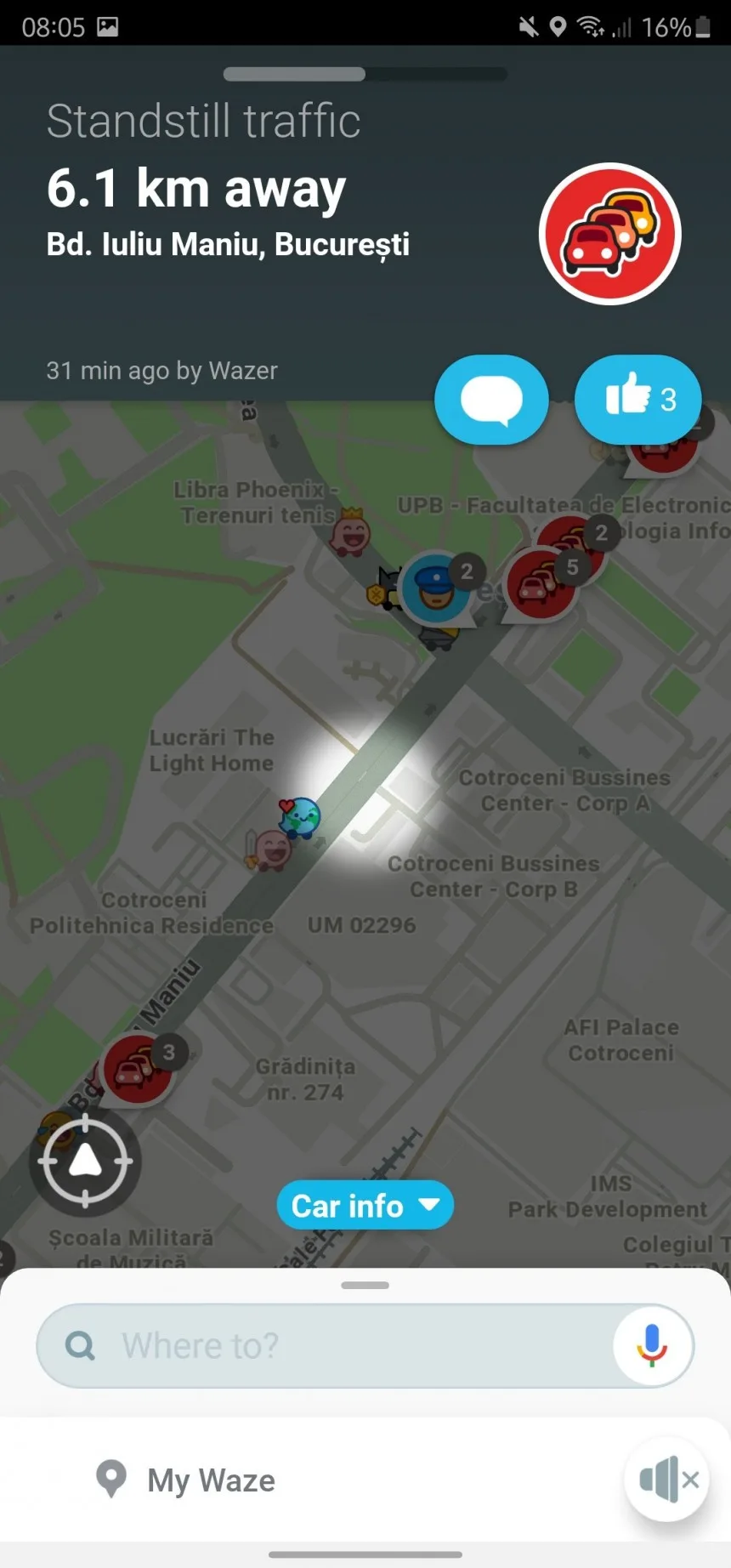
Radar detectors are the only banned device for commercial vehicles. GPS-based apps like Waze are legal. They don’t detect radar signals, they rely on user reports.
Bing (Web (fair-use with source credit))
Police scanners are also legal in Connecticut. They pick up radio chatter, not radar. But they’re less effective for speed traps.
For passenger vehicles, all options are on the table. Detectors, apps, and scanners can be used together.
Common Misconceptions About CT Radar Detector Laws
Some drivers think the ban applies to all vehicles. It doesn’t. Passenger cars are exempt.
Others believe small commercial vehicles are safe. Wrong. The 10,000 lb threshold is the cutoff, but classification matters too.
A few assume out-of-state rules apply. Connecticut follows federal law for commercial vehicles, but passenger rules are state-specific.
How to Check If Your Vehicle Qualifies as Commercial
Start with the registration. If it’s listed as commercial, the ban applies.
Weight is the next factor. Any vehicle over 10,000 lbs is automatically commercial. That includes many work trucks and vans.
If you’re still unsure, check with the CT DMV. They can confirm your vehicle’s classification. When in doubt, assume it’s commercial.
Practical Tips for Connecticut Drivers
If you drive both personal and commercial vehicles, remove the detector when switching. It’s the simplest way to stay compliant.
For passenger cars, mount the detector low on the windshield. That’s the legal and most effective position.
Avoid using detectors in rental trucks. Most are classified as commercial, even if you’re not a professional driver.
Mistakes to Avoid
Don’t assume your work van is exempt just because it’s small. Many light commercial vehicles still fall under the ban.
Never leave a detector mounted in a commercial vehicle. Even if it’s turned off, possession is illegal.
Avoid relying on outdated info. Laws can change, and Connecticut enforces the current federal standard.
Costs and Penalties
Fines for commercial vehicle violations start around $100. The exact amount depends on the officer and jurisdiction.
Confiscation is immediate. You won’t get the device back, even after paying the fine.
For CDL holders, repeated violations can trigger license suspension. That’s a career risk for professional drivers.
Expert Tips
If you’re a commercial driver, use GPS apps instead. They’re legal and nearly as effective.
For passenger vehicles, position the detector where it’s visible but not obstructive. Low on the windshield is ideal.
Check your route ahead of time. Some states have stricter rules than Connecticut.
Real Scenarios
A delivery driver with a 12,000 lb truck gets pulled over. The detector is seized, and the fine is issued on the spot.
A commuter in a sedan uses a detector daily. No issues, because the vehicle is personal.
A landscaper with a 9,000 lb work van assumes it’s fine. Wrong. The weight threshold is 10,000 lbs, but classification can still apply.
Frequently Asked Questions
Are radar detectors legal in Connecticut for personal cars?
Yes. Connecticut has no state ban for passenger vehicles. You can legally use a radar detector in your personal car.
Can I use a radar detector in my company car?
No. If the vehicle is classified as commercial, the federal ban applies. Company cars typically fall under this restriction.
What’s the fine for having a radar detector in a commercial vehicle?
Fines start around $100. The device will also be confiscated. Exact penalties vary by jurisdiction.
Do radar jammers have the same rules?
No. Radar jammers are illegal in all vehicles, not just commercial ones. They actively interfere with police equipment.
Are there any exceptions for commercial vehicles?
No. The ban is absolute for all commercial vehicles over 10,000 lbs. There are no exemptions.