ByMax Lee
Delaware Trailer Towing Safety Chain & Lighting Rules
Towing a trailer in Delaware without the right safety setup can get you pulled over or worse, cause an accident. The Delaware trailer towing safety chain and lighting equipment requirements exist to prevent both. These rules cover everything from chain strength to light visibility, and they’re strictly enforced.
Per Delaware DMV regulations, trailers over 3,000 lbs must have a break-away brake system, and all trailers need at least two safety chains. Get this wrong, and you risk fines or a failed inspection.
Bing (Web (fair-use with source credit))
Quick Answer
Delaware requires two safety chains for all trailers. Trailer lighting must meet FMVSS 108 standards. Chains must be rated for the trailer’s GVWR.
Break-away brakes are mandatory for trailers over 3,000 lbs. Inspections check for proper attachment and function.
Why Delaware’s Trailer Towing Safety Rules Matter
These laws prevent trailers from detaching on highways like I-95 or Route 1, where a runaway load can cause serious crashes. Delaware State Police enforce these rules strictly, especially during commercial vehicle checks.
The state aligns with federal standards like FMVSS 108 for lighting but adds its own requirements for chains and brakes. As of 2026, non-compliance can mean fines over $100 per violation. Understanding the specifics saves you money and keeps you safe.
Delaware’s Safety Chain Requirements
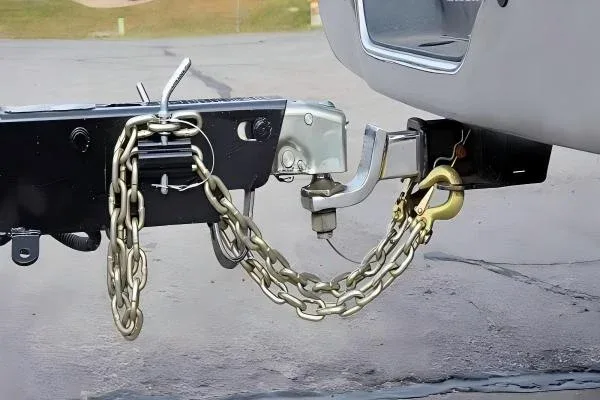
Delaware mandates at least two safety chains for every trailer. They must be crossed in an X-pattern under the trailer tongue to cradle the coupler if it detaches. This prevents the tongue from digging into the road.
Chain strength is critical. Use chains rated for your trailer’s Gross Vehicle Weight Rating (GVWR). For example:
- 3,500-lb trailer = 3,500-lb minimum chain capacity
- 5,000-lb trailer = Grade 70 or 80 chains recommended
Inspect chains before every trip. Replace any with rust, stretched links, or worn hooks.
Trailer Lighting Equipment Standards in Delaware
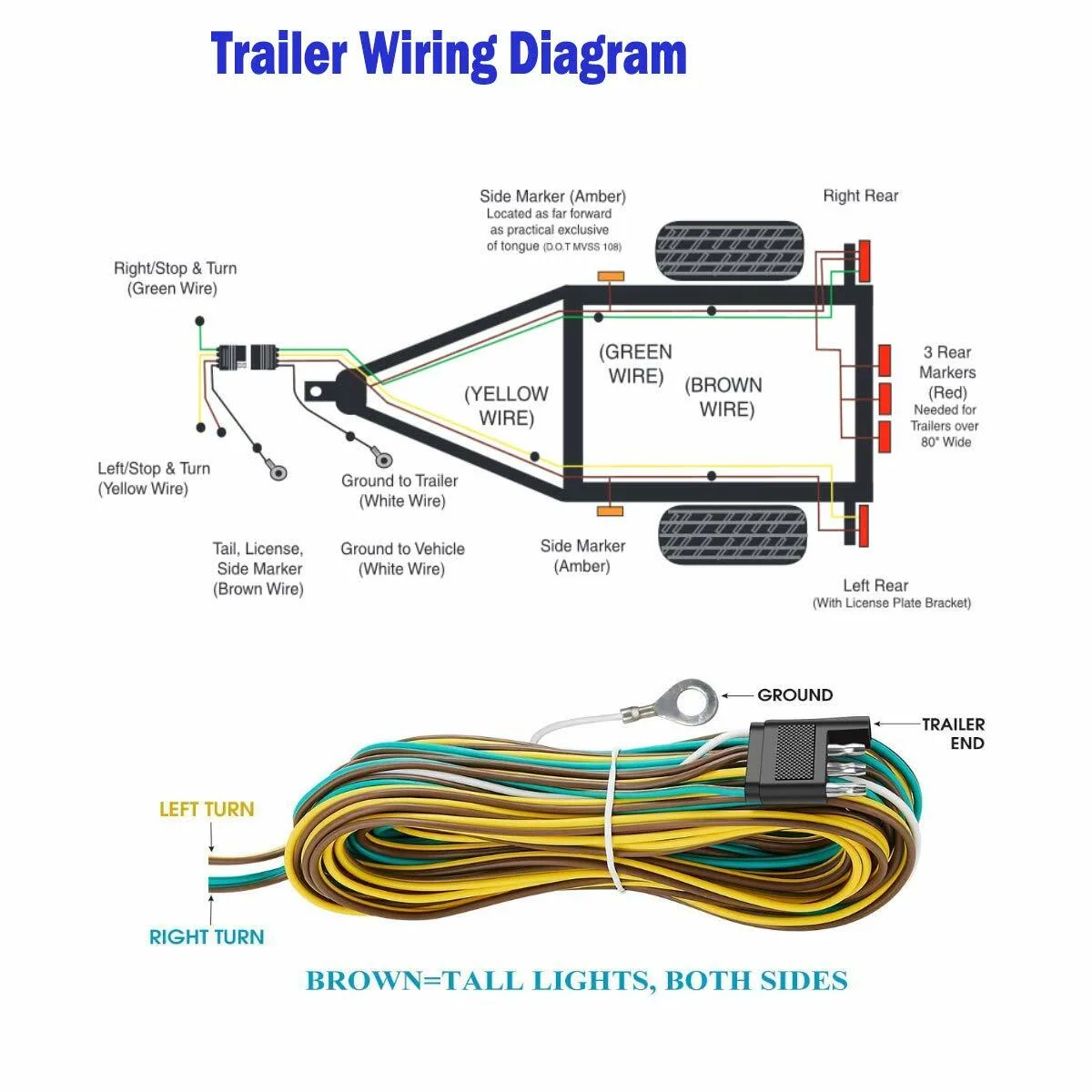
Delaware follows FMVSS 108 for trailer lighting. Your trailer must have:
- Tail lights (red, visible from 500 ft at night)
- Brake lights (red, brighter than tail lights)
- Turn signals (amber or red, visible from 500 ft)
- Clearance lights (amber front, red rear for trailers over 80" wide)
- Reflectors (red rear, amber front, visible from 600 ft)
- License plate light (white)
Bing (Web (fair-use with source credit))
LED lights are allowed and often preferred for brightness and durability. Wiring must use standard color codes:
- White = ground
- Brown = tail lights
- Yellow = left turn/brake
- Green = right turn/brake
Break-Away Brake System Rules
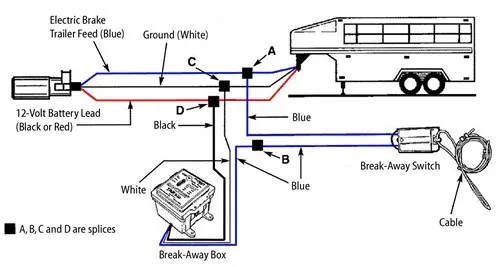
Trailers over 3,000 lbs must have a break-away brake system. This activates the trailer’s brakes if it detaches from the tow vehicle.
The system includes:
- A cable attached to the tow vehicle
- A battery-powered brake actuator on the trailer
- Proper tension to allow turns but activate if separated
Bing (Web (fair-use with source credit))
Delaware requires this system to be tested during inspections. A common mistake is letting the cable drag, which can cause failure.
Wiring and Connector Specifications
The most common trailer connectors are:
- 4-way flat: Basic lighting (tail, brake, turn)
- 7-way blade: Adds brakes, battery power, and auxiliary circuits
Color coding is standardized:
- White: ground
- Brown: tail lights
- Yellow: left turn/brake
- Green: right turn/brake
Test connections with a circuit tester before towing. Corroded or loose wires often cause intermittent failures.
How to Inspect Your Setup Before Towing
Start with the chains. Check for:
- Rust or kinks
- Stretched links
- Secure hooks

Bing (Web (fair-use with source credit))
Verify the coupler and hitch:
- Ball size matches coupler
- Latch is locked
- Handle is secured
Test all lights with a helper:
- Activate brake pedal
- Check turn signals
- Walk around the trailer
Common Mistakes That Lead to Fines or Accidents
Using under-rated chains is a top violation. If a chain snaps, the trailer can detach even with a secure coupler.
Improper lighting is another frequent issue. Burned-out bulbs or incorrect wiring make trailers nearly invisible at night.
Forgetting the break-away system on heavy trailers is both dangerous and illegal. Without it, a detached trailer won’t stop.
When You Need Heavy-Duty Chains vs. Standard
Standard chains (Grade 43 or 70):
- Best for trailers under 3,500 lbs
- Handle moderate loads
- More affordable
Heavy-duty chains (Grade 80 or 100):
- Required for trailers over 3,500 lbs
- Thicker and more durable
- Resist wear better
Grade 120 chains:
- For extreme loads (construction equipment)
- Overkill for most recreational use
Delaware DMV vs. Federal Towing Laws: What Takes Priority?
Delaware’s rules align with federal standards but add state-specific requirements. For example:
- FMVSS 108 sets lighting standards
- Delaware enforces additional chain and brake rules
If there’s a conflict, Delaware law takes precedence. The state can impose stricter rules than federal guidelines.
Check the Delaware DMV for updates. Regulations can change, and staying current avoids fines.
Step-by-Step: Securing Chains the Right Way
- Cross chains under the trailer tongue in an X pattern
- Attach to the tow vehicle’s frame (not the hitch)
- Leave slack for turns but prevent dragging
- Double-check hook latches for security
Where to Get Official Compliance Checks
Delaware DMV inspection stations verify:
- Chain attachment
- Lighting function
- Brake systems
Local trailer dealers also offer inspections. They know Delaware’s rules well.
Commercial towing: Delaware State Police weigh stations perform random checks. Passing avoids delays and fines.
FAQs About Delaware Trailer Towing Safety
Do I need safety chains for a small utility trailer?
Yes. Delaware requires at least two safety chains for all trailers, regardless of size.
What’s the minimum chain strength for my trailer?
Chains must match your trailer’s GVWR. A 3,500-lb trailer needs 3,500-lb rated chains.
Can I use LED lights on my trailer?
Yes. LED lights meet FMVSS 108 standards and are often brighter than incandescent.
How often should I inspect my towing setup?
Before every trip. A quick check takes minutes and prevents major issues.
What happens if my trailer lights fail during a trip?
Pull over immediately. Driving with non-functional lights is illegal and dangerous.
Final Checklist Before You Hit the Road
- Chains crossed and secured
- All lights tested (brake, turn, tail)
- Break-away system functional (if over 3,000 lbs)
- Coupler locked and hitch properly rated
- Load balanced and within capacity
- Spare bulbs and basic tools on hand