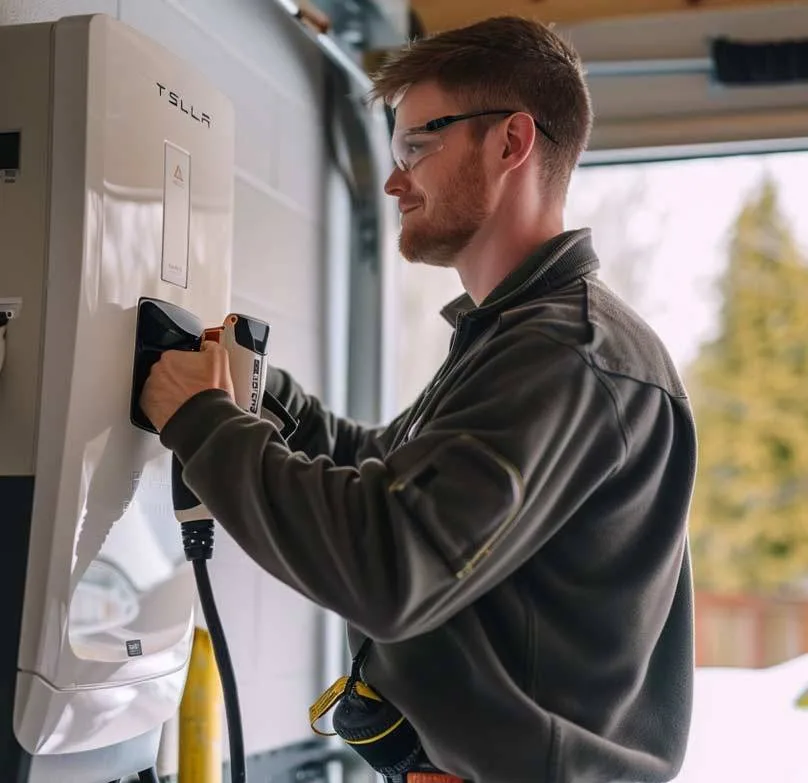
Hawaii rebate programs for electric vehicle home charging station installation can cut your costs by hundreds or even thousands. These incentives come from state agencies, utilities, and federal tax credits, but the rules vary by island and provider.
As of 2026, Hawaii Energy offers up to $1,000 back for hardware and installation, while utilities like HECO add their own perks. The key is knowing which programs stack and how to apply before you buy.
Quick Answer
Hawaii rebate programs for electric vehicle home charging station installation offer cash back or tax credits. State and utility incentives cover hardware and installation. Federal tax credits add 30% up to $1,000.
Eligibility depends on your island and utility. Some programs require pre-approval.
How Hawaii’s EV Charger Rebate Programs Work
Hawaii’s incentives come from three main sources: state programs, utility rebates, and federal tax credits. Each has its own rules, but they’re designed to work together.
Hawaii Energy’s program is the biggest statewide option. It offers up to $1,000 for a Level 2 charger and installation, but you must apply before purchasing. The charger must be new, UL-listed, and installed by a licensed electrician.
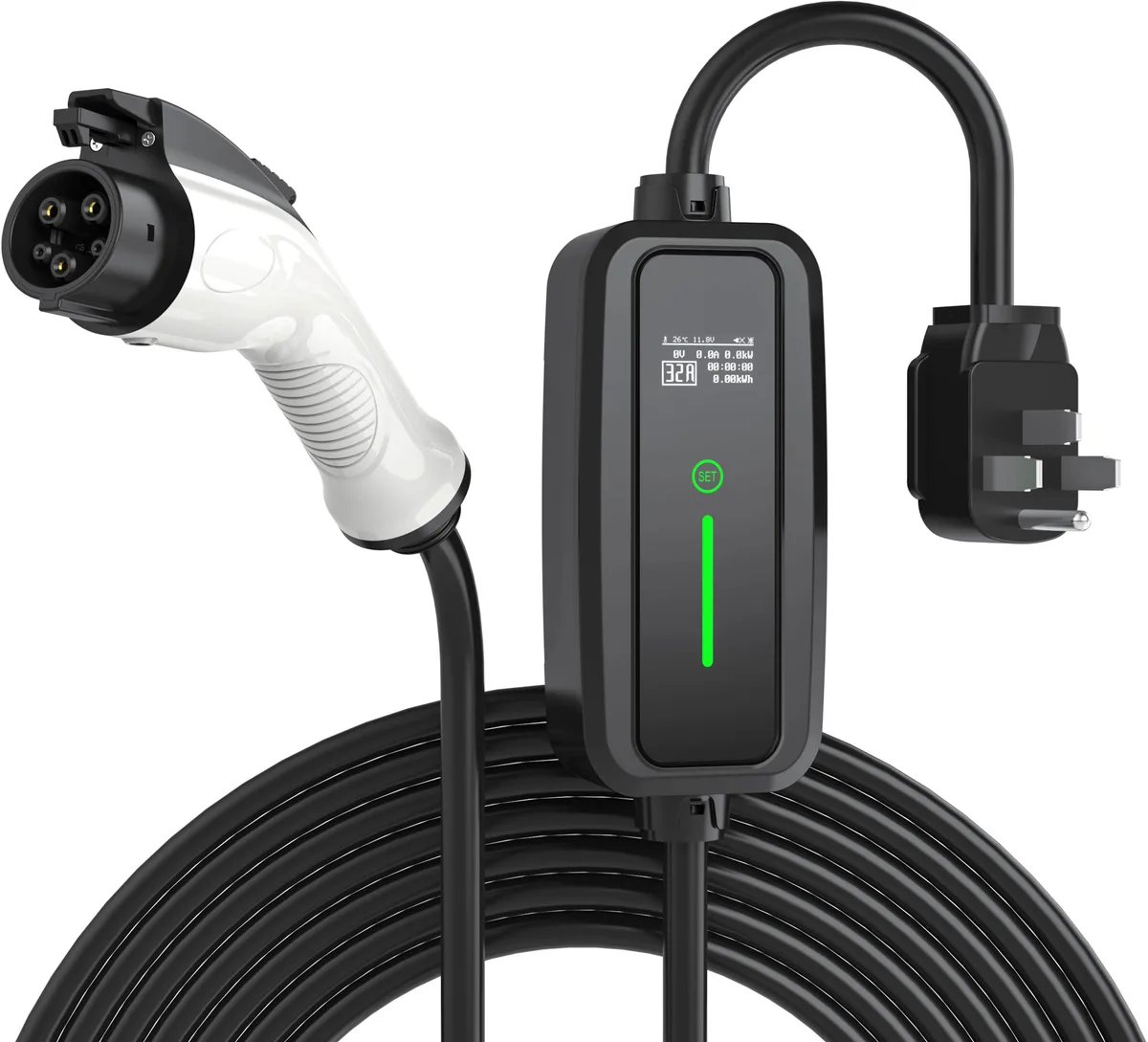
Utility-specific programs add another layer. HECO, MECO, and HELCO each have their own rebates, typically ranging from $300 to $1,500. These often focus on smart chargers or off-peak charging incentives.
The federal 30C tax credit covers 30% of the cost, up to $1,000, for hardware and installation. This applies to all Hawaii residents, but you’ll need to file it with your taxes.
Federal vs. State vs. Utility Rebates: What’s the Difference?
Not all rebates are created equal. Here’s how they break down:
| Source | Amount | Eligibility | How to Claim |
|---|---|---|---|
| Hawaii Energy | Up to $1,000 | Statewide, pre-approval required | Online application |
| HECO/MECO/HELCO | $300–$1,500 | Utility customers, varies by island | Utility website or mail-in |
| Federal 30C Tax Credit | 30% up to $1,000 | All U.S. taxpayers | IRS Form 8911 |
State and utility rebates are usually direct cash back or bill credits. The federal credit reduces your tax bill, so you’ll need to owe taxes to benefit. You can stack these, but check the fine print, some programs exclude federal credit amounts from their calculations.
Step-by-Step: How to Apply for Hawaii EV Charger Rebates
The process is straightforward if you follow the order. Skip a step, and you might lose out on savings.
First, confirm your eligibility. Check which island you’re on and which utility serves you. HECO covers Oahu, MECO covers Maui, and HELCO covers the Big Island.
Kauai has its own utility, KIUC, with separate programs.
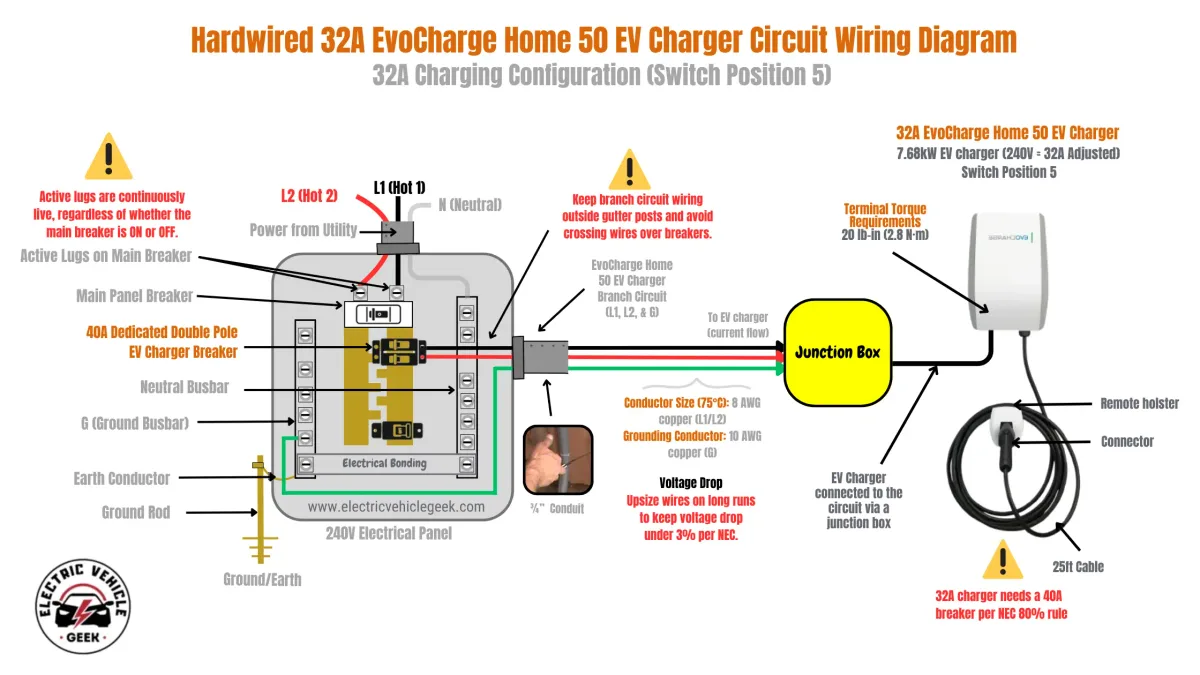
Next, choose your charger. It must be a Level 2, 240V model, and UL-listed. Smart chargers often qualify for higher rebates.
Get quotes from licensed electricians for installation, some programs require pre-approval before purchase.
Submit your application to the relevant program before buying. Hawaii Energy and most utilities require this. Save all receipts and invoices, as you’ll need them for rebate claims.
For the federal credit, keep your paperwork for tax season.
How Much Can You Save? Rebate Amounts and Costs
The total savings depend on which programs you qualify for and your setup. Hawaii Energy’s rebate covers up to $1,000 for both hardware and installation. HECO, MECO, and HELCO add $300 to $1,500, depending on the charger type and your location.
The federal 30C tax credit gives you 30% back, up to $1,000. That’s on top of state and utility rebates. A typical Level 2 charger costs $400 to $1,200, and installation runs $1,000 to $3,000.
If your electrical panel needs an upgrade, add another $1,500 to $2,500.
Here’s a realistic savings breakdown for a $1,500 charger with $2,000 installation:
| Program | Rebate Amount | Your Cost After Rebate |
|---|---|---|
| Hawaii Energy | $1,000 | $2,500 |
| HECO/MECO/HELCO | $1,000 | $1,500 |
| Federal 30C | $1,050 | $350 |
Common Mistakes That Get Your Rebate Denied
Applying after you buy the charger is the top reason for rejection. Most programs require pre-approval, so submit your application first.
Using an unlicensed electrician will disqualify you. Hawaii requires all EV charger installations to be done by a licensed professional. Skipping the permit is another common error.
All counties in Hawaii require permits for electrical work, and inspections are mandatory.
Buying the wrong charger can also cost you. Some programs only cover smart chargers or specific brands. Always check the approved list before purchasing.
Hawaii’s EV Charger Installation Rules You Can’t Ignore
Hawaii follows the National Electrical Code (NEC) 2020, with some local additions. Your installation must meet these standards to qualify for rebates and pass inspection.
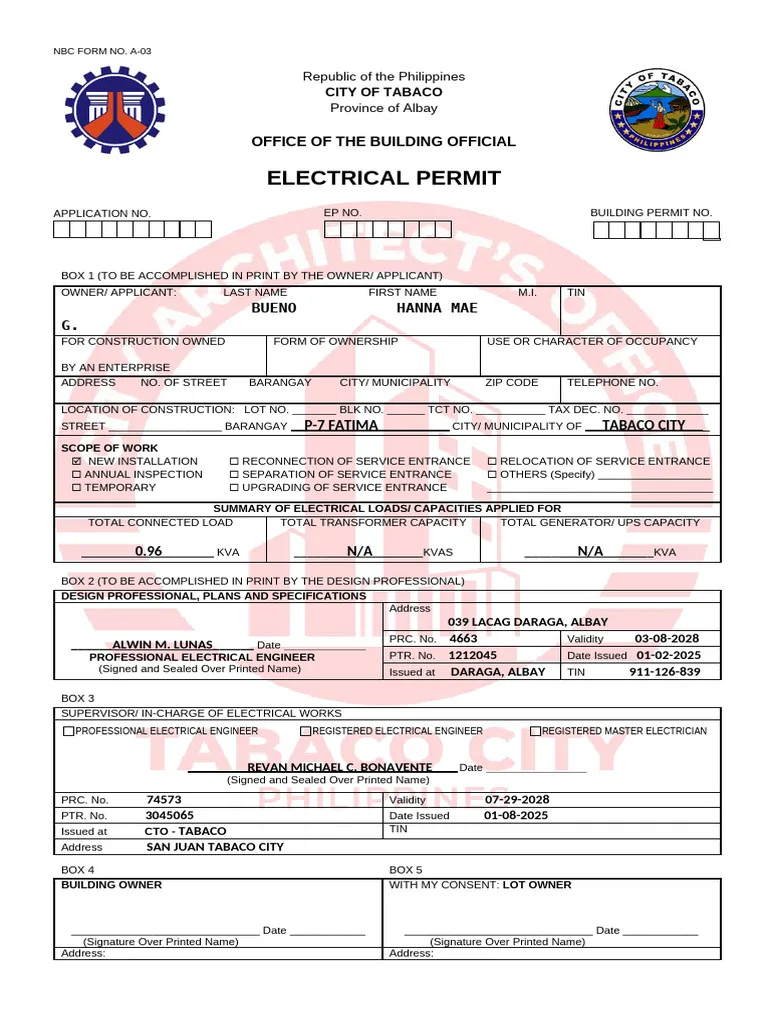
You’ll need a permit from your county. On Oahu, that’s the City and County of Honolulu Department of Planning and Permitting. On the Big Island, it’s the County of Hawaii Building Division.
Maui and Kauai have their own processes.
The charger must be hardwired or connected to a dedicated 240V circuit. Shared circuits or extension cords won’t pass inspection. If your panel can’t handle the load, you’ll need an upgrade, which adds time and cost to the project.
Best EV Chargers for Hawaii Rebates (And Which to Avoid)
Not all chargers qualify for every rebate. Here’s what to look for:
Approved for most programs:
- JuiceBox 40 (smart, Wi-Fi enabled)
- ChargePoint Home Flex (adjustable power)
- Wallbox Pulsar Plus (compact, high power)
Avoid these:
- Level 1 chargers (too slow, no rebates)
- Non-UL-listed models
- Used or refurbished units
Smart chargers often get higher rebates because they support time-of-use rates. These let you charge during off-peak hours when electricity is cheaper. Check your utility’s approved list before buying.
What If You Rent or Live in a Condo?
Renters can still get rebates, but the process is different. Your landlord must agree to the installation and apply for the rebate. Some programs, like Hawaii Energy’s, allow landlords to pass the savings to tenants.
For condos, you’ll need HOA approval. Some HOAs have their own EV charging policies. If your building already has shared charging stations, you might not qualify for individual rebates.
Multi-unit dwellings can apply for commercial rebates in some cases. These are often higher than residential incentives. Check with your utility for details.
Real Hawaii EV Owner Experiences: Rebate Success Stories
A Honolulu family saved $2,500 on their ChargePoint Home Flex installation. They stacked Hawaii Energy’s $1,000 rebate with HECO’s $1,000 incentive and the federal tax credit. Their total out-of-pocket cost was just $800 after all incentives.
A Maui condo owner got HOA approval for a JuiceBox 40. MECO’s rebate covered $800 of the $1,200 charger cost. The installation required a panel upgrade, but the long-term savings on charging costs justified the expense.
A Big Island renter convinced their landlord to install a Wallbox Pulsar Plus. HELCO’s program allowed the landlord to claim the rebate and split the savings with the tenant. The charger paid for itself in under two years through reduced fuel costs.
FAQs About Hawaii EV Charger Rebates
Can I apply for multiple rebates on the same charger?
Yes, you can stack Hawaii Energy’s rebate with utility incentives and the federal tax credit. Each program has its own rules, so check eligibility for each.
Do I need to own an EV to qualify for the rebate?
Most programs require you to own or lease an EV. Some utilities make exceptions for multi-unit dwellings or fleet vehicles.
How long does it take to get approved for a rebate?
Hawaii Energy typically processes applications in 4 to 6 weeks. Utility rebates may take 6 to 12 weeks. Federal tax credits are claimed when you file your taxes.
What if my electrical panel can’t handle a Level 2 charger?
You’ll need a panel upgrade, which can cost $1,500 to $2,500. Some rebate programs cover part of this expense. Always get a professional assessment before buying a charger.
Are there income limits for these rebates?
Most Hawaii EV charger rebates don’t have income restrictions. The federal tax credit phases out for higher earners, but state and utility programs are generally open to all residents.
Final Decision Guide: Which Rebate Path Is Right for You?
Start with Hawaii Energy’s program if you’re a homeowner. It offers the most straightforward path to savings. Add your utility’s rebate for extra cash back.
If you’re a renter, work with your landlord to apply for utility incentives. Some programs allow landlords to pass savings to tenants. For condo owners, check HOA rules first.
Some buildings have shared charging stations that qualify for commercial rebates.
Always apply for pre-approval before buying. This ensures you meet all program requirements. Stack the federal tax credit last, as it’s the most flexible.