ByMax Lee
Hawaii’s $50 EV & Alt-Fuel Vehicle Fee Explained
Hawaii’s $50 annual registration surcharge for electric and alternative fuel vehicles catches many owners by surprise. This mandatory fee applies to EVs, plug-in hybrids, and other clean-energy cars registered in the state as of 2026.
The surcharge helps offset lost gas tax revenue, since these vehicles don’t pay at the pump. Here’s what you need to know before your next registration.
Quick Answer
The Hawaii $50 annual registration surcharge for electric and alternative fuel vehicles is a mandatory fee. It applies to all EVs, PHEVs, and alternative fuel cars. The fee is added to your standard registration cost.
It’s due every year at renewal.
Bing (Web (fair-use with source credit))
What’s the Hawaii $50 Annual EV and Alternative Fuel Vehicle Surcharge?
This is a state-mandated fee for vehicles that don’t rely on traditional gasoline or diesel. It includes:
- Battery electric vehicles (BEVs)
- Plug-in hybrid electric vehicles (PHEVs)
- Hydrogen fuel cell vehicles
- Compressed natural gas (CNG) and propane (LPG) vehicles
The fee is separate from your standard registration cost. It’s not a tax but a surcharge to support road maintenance and EV infrastructure.
Which Vehicles Have to Pay the $50 Fee?
You’ll pay the surcharge if your vehicle runs on:
- Electricity only
- A combination of electricity and gas (PHEVs)
- Hydrogen fuel cells
- Natural gas or propane
Standard hybrids that can’t plug in don’t qualify. Neither do gasoline or diesel-only vehicles.
The rule is simple: if your car uses little to no traditional fuel, you’ll see this fee. Check your vehicle’s classification on the Hawaii Department of Transportation site if you’re unsure.
Why Does Hawaii Charge This Surcharge?
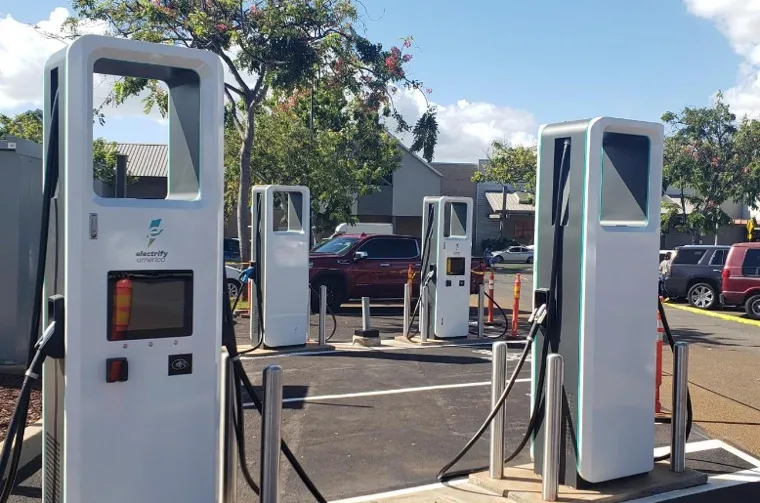
Hawaii loses gas tax revenue from EVs and alternative fuel vehicles. Gas taxes fund road repairs, and these vehicles don’t contribute at the pump.
The $50 fee helps fill that gap. It also supports the state’s push for more charging stations and clean energy programs.
Bing (Web (fair-use with source credit))
Other states have similar fees. Some charge more, some less, but Hawaii’s approach is part of a broader effort to balance fairness and sustainability.
How Much Will You Actually Pay?
The surcharge is a flat $50 per year. It’s added to your standard registration fee, which varies by vehicle type and weight.
For example:
- A standard passenger EV might pay $50 (surcharge) + $45 (base fee) = $95 total.
- A heavier alternative fuel truck could pay $50 + $75 = $125.
These are estimates. Your exact cost depends on your county and vehicle details. The Hawaii DMV fee schedule has the full breakdown.
When and How Do You Pay the Surcharge?
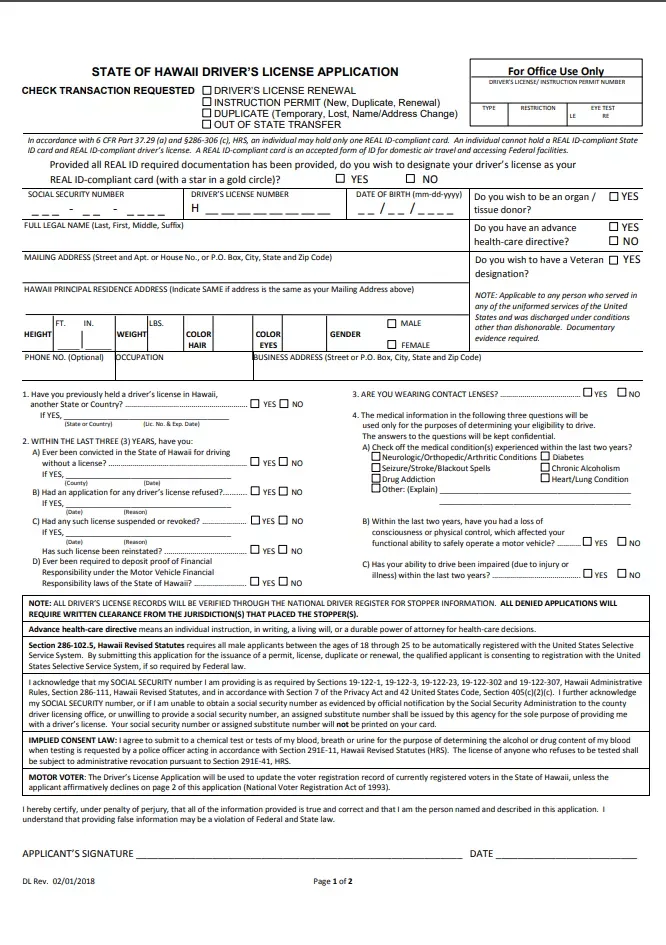
You pay the $50 fee when you register or renew your vehicle. This happens annually for most passenger vehicles in Hawaii.
The process is the same as standard registration. You can do it online, by mail, or in person at your county DMV. The surcharge appears as a line item on your fee breakdown.
Bing (Web (fair-use with source credit))
If you’re registering a new EV or AFV, the fee applies from day one. For renewals, it’s added to your existing registration cost.
What Happens If You Don’t Pay?
Skipping the surcharge means your registration isn’t complete. You’ll receive a notice from the DMV with a deadline to pay.
If you ignore it, you’ll face late fees. These add up quickly and can lead to registration suspension. Driving with an expired registration can result in fines.
The state doesn’t waive the surcharge for any reason. Even if you forget, you’ll still owe the full $50 plus penalties.
How Hawaii’s Fee Compares to Other States
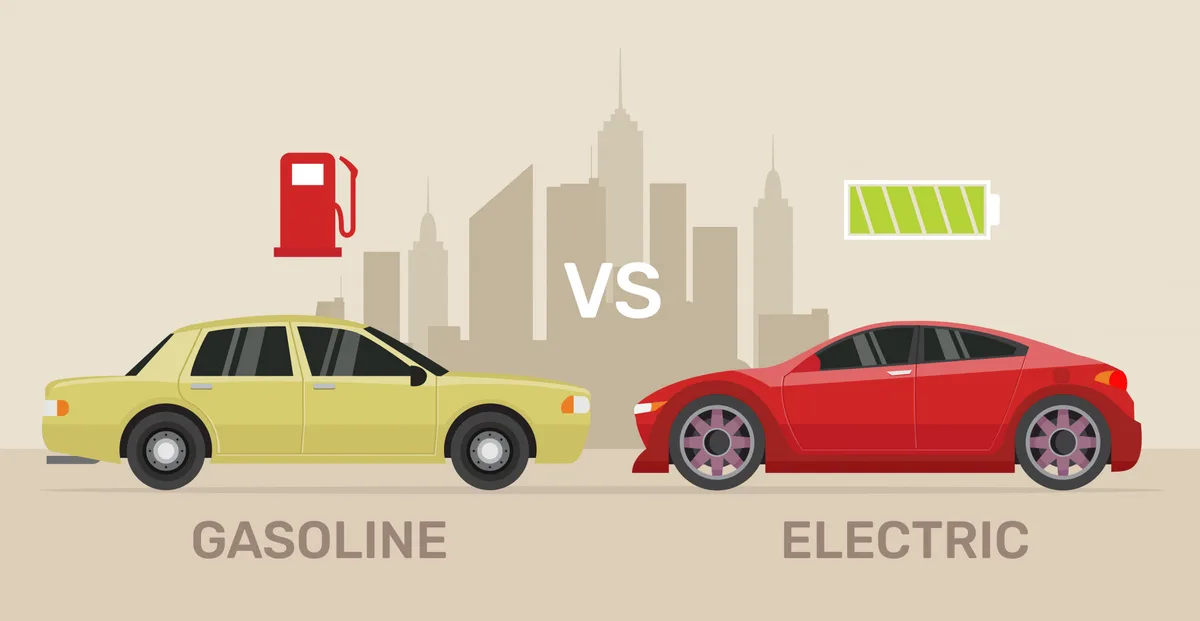
Hawaii’s $50 fee is mid-range compared to other states. Some charge more, some less, and a few have no EV fee at all.
Here’s a quick comparison:
| State | Annual EV Fee | Notes |
|---|---|---|
| California | $0 | No additional fee |
| Washington | $150 | One of the highest |
| Oregon | $110 | Includes road usage charge |
| Texas | $200 | For EVs only |
| Hawaii | $50 | Flat fee for all AFVs |
Bing (Web (fair-use with source credit))
Hawaii’s approach balances fairness with affordability. The fee is lower than many mainland states but still helps cover road maintenance costs.
Common Mistakes EV Owners Make with the Surcharge
Many assume the fee is a one-time charge. It’s annual, so you’ll pay it every year at renewal.
Some forget to include it when budgeting for registration. The $50 adds up over time, especially if you own multiple EVs.
Others try to register as a standard vehicle to avoid the fee. This doesn’t work. The DMV classifies your vehicle based on its fuel type, not your preference.
How to Check If Your Vehicle Qualifies
The easiest way is to look at your vehicle’s fuel type on the title or registration. If it’s listed as electric, plug-in hybrid, hydrogen, CNG, or LPG, you’ll pay the surcharge.
You can also check the Hawaii Department of Transportation’s vehicle classification guide. It lists all qualifying fuel types.
If you’re still unsure, call your local DMV. They can confirm based on your VIN or vehicle details.
Frequently Asked Questions
Does the surcharge apply to all electric vehicles?
Yes. All battery electric vehicles, plug-in hybrids, and hydrogen fuel cell vehicles registered in Hawaii must pay the $50 annual surcharge. Standard hybrids that don’t plug in are exempt.
Can I avoid the fee by registering my EV in another state?
No. If your primary residence is in Hawaii, you must register your vehicle there. Attempting to register out of state to avoid the fee can lead to penalties.
What if I move to Hawaii with an out-of-state EV?
You’ll need to register your vehicle in Hawaii within 30 days of establishing residency. The $50 surcharge will apply at that time.
Are there any exemptions for low-income owners?
No. As of 2026, Hawaii does not offer exemptions or discounts for the EV surcharge based on income.
Does the fee change if I drive more or less?
No. The $50 is a flat annual fee regardless of how much you drive. It’s not based on mileage or usage.