ByMax Lee
Hawaii Inter-Island Vehicle Shipping Rules
Bing (Web (fair-use with source credit))
Shipping a vehicle between Hawaiian islands isn’t as simple as driving it onto a ferry. Hawaii vehicle shipping rules for port to port transport between islands require planning, paperwork, and compliance with state and carrier policies. Whether you’re moving, selling a car, or transporting a work truck, the process has specific steps you can’t skip.
As of 2026, most inter-island vehicle shipments use roll-on/roll-off (Ro-Ro) barges, with transit times ranging from 1 to 3 days depending on the route. The first step is understanding how the system works and what rules apply to your situation.
Quick Answer
Hawaii vehicle shipping rules for port to port transport between islands require a drivable vehicle under 10,000 lbs. You must provide title, registration, and a bill of lading. Fuel must be at or below 1/4 tank.
Transit takes 1, 3 days between major ports.
What Port-to-Port Vehicle Shipping in Hawaii Actually Means
Port-to-port shipping means you drop off and pick up your vehicle at designated harbors. It’s not door-to-door service, so you’ll need to arrange transport to and from the port. This method is the most common and cost-effective for inter-island moves.
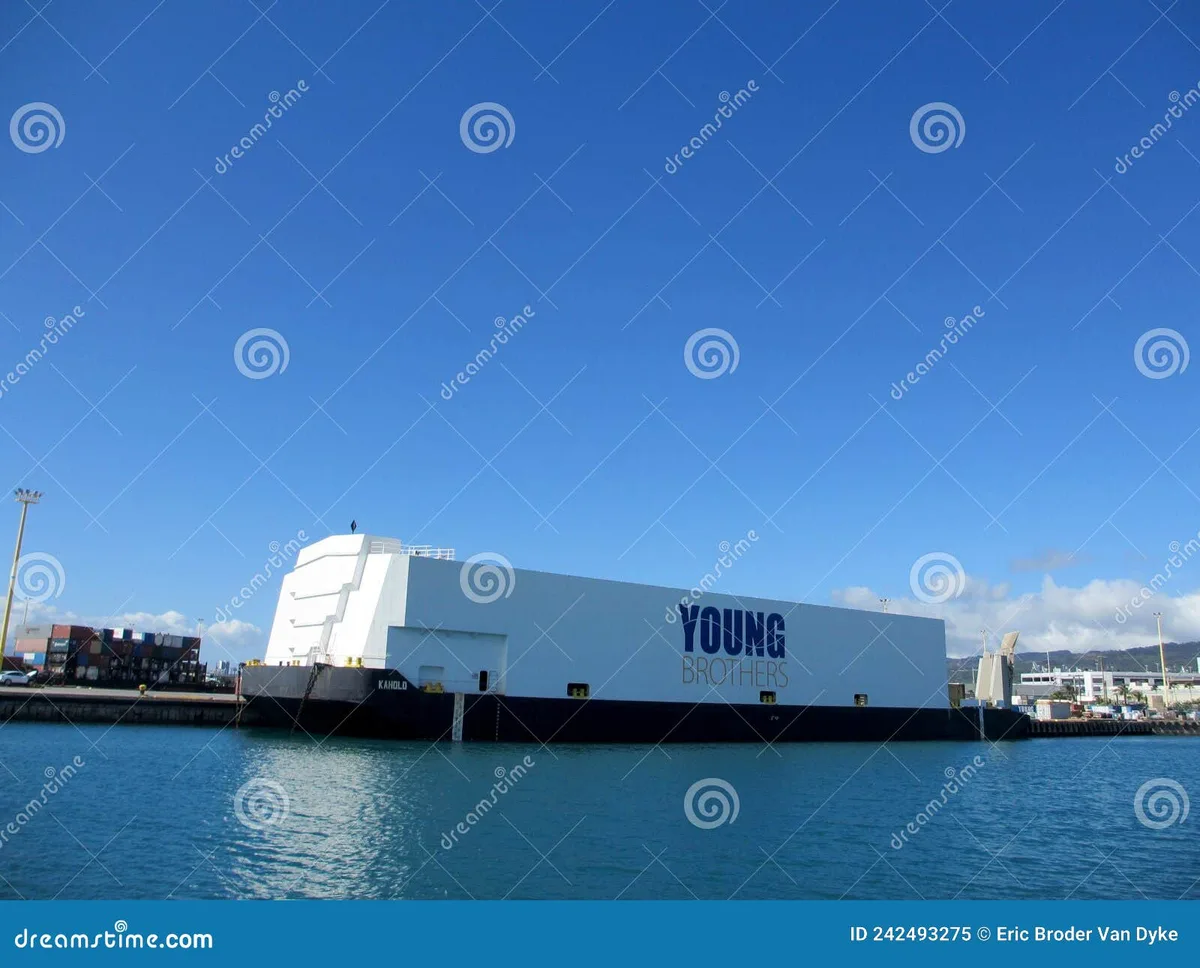
The Hawaii Department of Transportation (HDOT) Harbors Division oversees the ports, while commercial carriers like Young Brothers and Pasha Hawaii handle the actual transport. You’re responsible for getting your vehicle to the port on time and in the required condition.
Who Needs Inter-Island Vehicle Shipping (and When)
Residents relocating between islands use this service to avoid long drives. Dealerships ship inventory between locations, and military personnel often need to move vehicles during PCS orders.
Tourists shipping rental vehicles back to the mainland or another island also rely on port-to-port transport. Businesses with fleet vehicles use it to reposition assets. Classic car owners ship vehicles for shows or sales.
Hawaii Ports and Routes: Where You Can Ship From and To
Bing (Web (fair-use with source credit))
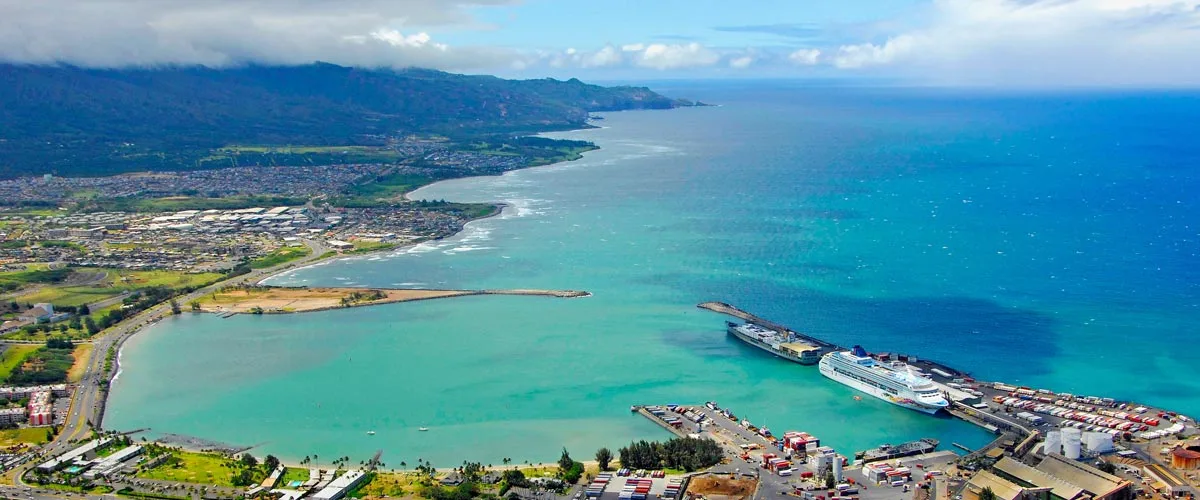
Hawaii’s main ports for vehicle shipping are Honolulu (Oahu), Kahului (Maui), Hilo and Kawaihae (Big Island), and Nawiliwili (Kauai). Smaller islands like Lanai and Molokai have limited service, so check carrier schedules in advance.
| Island | Port Name | Common Routes |
|---|---|---|
| Oahu | Honolulu | Maui, Big Island, Kauai |
| Maui | Kahului | Oahu, Big Island |
| Big Island | Hilo, Kawaihae | Oahu, Maui, Kauai |
| Kauai | Nawiliwili | Oahu, Maui |
| Lanai | Kaumalapau | Oahu (limited) |
| Molokai | Kaunakakai | Oahu (limited) |
Schedules vary by carrier, and weather can delay departures. Always confirm availability before booking.
Decision Guide: Ro-Ro Barge vs Container Shipping Between Islands
Wikimedia Commons / Malarky at English Wikipedia
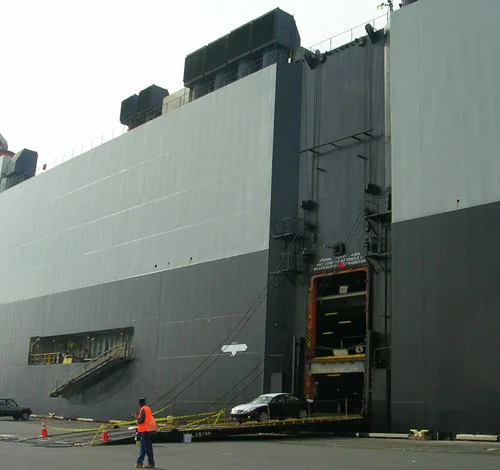
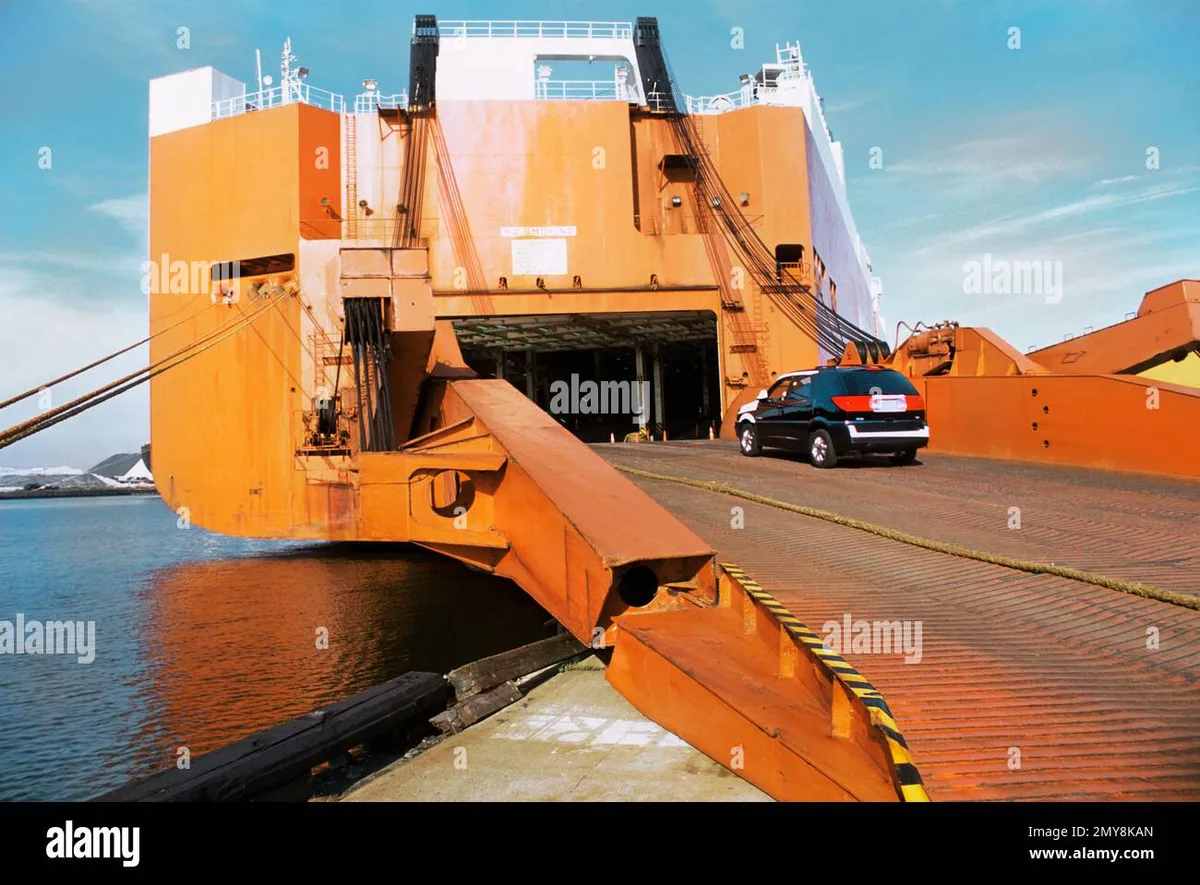
Ro-Ro (roll-on/roll-off) barges are the most common choice for standard vehicles. Your car drives onto the vessel and off at the destination, making it quick and efficient. This method works best for drivable vehicles under 10,000 lbs.
Container shipping is an alternative for non-running vehicles, oversized loads, or extra protection. Your vehicle is loaded into a 20ft or 40ft container, which adds cost but provides more security.
| Factor | Ro-Ro Barge | Container Shipping |
|---|---|---|
| Cost | Lower | Higher |
| Speed | Faster (1–3 days) | Slower (2–5 days) |
| Vehicle Condition | Must be drivable | Can be non-running |
| Protection | Exposed to elements | Enclosed and secure |
| Size Limits | ~10,000 lbs | ~20,000 lbs |
Choose Ro-Ro for standard, drivable vehicles on a budget. Opt for container shipping if you need extra protection or are transporting a non-running vehicle.
Step-by-Step Workflow to Ship Your Vehicle Port-to-Port
Bing (Web (fair-use with source credit))
Booking and Drop-Off
Start by reserving your spot with a carrier like Young Brothers or Pasha Hawaii. Peak seasons like summer fill up fast, so book at least 2, 3 weeks in advance. Confirm the drop-off window, as missing it can delay your shipment.
Arrive at the port with your vehicle clean and prepped. Remove all personal items, as carriers won’t accept vehicles with loose belongings inside.
Vehicle Prep Rules Before Loading
Your vehicle must have no more than a quarter tank of fuel. This reduces fire risk during transit. Disconnect the battery if required by the carrier, and ensure the tires are properly inflated.
Check for leaks, as fluid spills can cause delays or extra fees. Take photos of your vehicle’s condition before handing it over.
Paperwork and Documentation You’ll Need
Bring the vehicle title and registration. If the car isn’t in your name, you’ll need a notarized power of attorney. The carrier will provide a bill of lading, which serves as your contract and receipt.
Keep a copy of all documents for your records. Without the proper paperwork, your vehicle may be refused at the port.
Hawaii DOT and Carrier Compliance Rules You Can’t Skip
The Hawaii Department of Transportation (HDOT) Harbors Division sets the baseline rules for inter-island shipping. Your vehicle must be in drivable condition unless you’ve arranged for non-running transport. Non-drivable vehicles require special handling and may incur extra fees.
Carriers have their own policies too. For example, Young Brothers prohibits vehicles with propane tanks or other hazardous materials. Always check your carrier’s specific rules before shipping.
Costs, Transit Times, and Weight Limits by Route
Pricing varies by route and vehicle type. A standard sedan typically costs $500, $1,200 one way, while SUVs and trucks range from $800, $1,800. Oversized or heavy vehicles can exceed $1,500.
| Route | Transit Time | Weight Limit |
|---|---|---|
| Oahu to Maui | 1–2 days | 10,000 lbs |
| Oahu to Big Island | 2–3 days | 10,000 lbs |
| Oahu to Kauai | 1–2 days | 10,000 lbs |
| Maui to Big Island | 2–3 days | 10,000 lbs |
Port fees add another $50, $200 depending on the island. Confirm exact pricing with your carrier, as rates can change with demand.
Common Mistakes That Delay or Damage Your Shipment
Arriving with a full gas tank is a frequent issue. Carriers will refuse to load vehicles that exceed the 1/4 tank rule. Another common mistake is leaving personal items inside, which can lead to rejection or extra fees.
Skipping the vehicle inspection is risky. Without photos or a condition report, proving damage claims becomes difficult. Ignoring the battery disconnect requirement can cause electrical issues during transit.
Expert Tips for a Smooth Hawaii Vehicle Move
Book early, especially during peak seasons. Last-minute reservations often mean higher costs or no availability. If your vehicle is modified or oversized, confirm with the carrier that they can accommodate it.
Use a reputable carrier with good reviews. Check for insurance options, as basic coverage may not fully protect your vehicle. Arrive at the port early to avoid rushing through prep and paperwork.
FAQs on Hawaii Port-to-Port Vehicle Transport
Can I ship a non-running vehicle between islands?
Yes, but it requires container shipping. Ro-Ro barges typically only accept drivable vehicles. Expect higher costs and longer transit times for non-running cars.
How much does it cost to ship a car from Oahu to Maui?
Standard sedans cost $500, $1,200 one way. SUVs and trucks run $800, $1,800. Add $50, $200 for port fees.
Do I need to be present when my vehicle ships?
No, but you must arrange drop-off and pick-up. Some carriers allow third-party drop-off with proper authorization.
What happens if my vehicle is damaged during shipping?
File a claim with the carrier immediately. Provide photos of the damage and your pre-shipping condition report. Most carriers offer basic insurance, but additional coverage is recommended.
Are there weight limits for inter-island vehicle shipping?
Yes. Ro-Ro barges typically accept vehicles up to 10,000 lbs. Container shipping can handle up to 20,000 lbs.
Confirm with your carrier for exact limits.
Can I ship a vehicle with personal items inside?
No. Carriers prohibit loose items for safety reasons. Remove all personal belongings before drop-off.
Quick Decision Checklist Before You Book
Confirm your vehicle is drivable or arrange container shipping if it’s not. Check fuel levels and remove personal items. Gather title, registration, and any required power of attorney.
Verify port locations and carrier schedules. Book early, especially during peak seasons. Review insurance options and take pre-shipping photos.
Compare Ro-Ro and container shipping costs. Choose based on your vehicle’s condition and budget. Double-check all paperwork before arriving at the port.