Florida all-electronic tolling locations and lack of cash payment options mean you’ll never hand over bills or coins at a booth again. The state switched to a fully cashless system, so every toll is collected electronically via transponder or license plate. As of 2026, this applies to all major toll roads, including the Turnpike and expressways in Miami, Orlando, and Tampa.
The shift saves time and reduces congestion, but it also means you need to plan ahead. Without a SunPass or another compatible transponder, you’ll pay higher rates through the Pay by Plate system.
Quick Answer
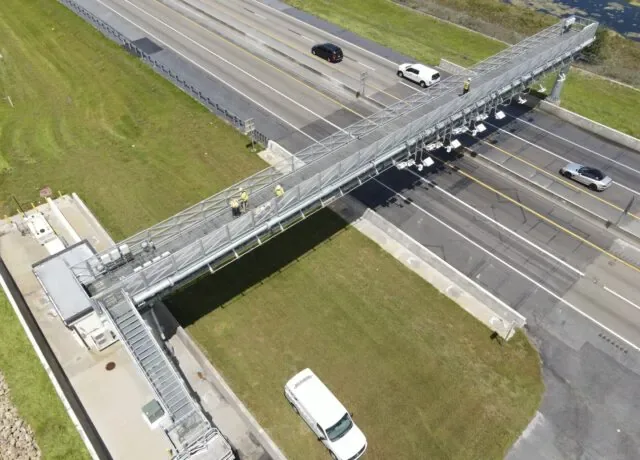
Florida all-electronic tolling locations and lack of cash payment options use overhead gantries to scan your transponder or license plate. No toll booths accept cash. SunPass offers discounts.
Pay by Plate mails an invoice with added fees. All major Florida toll roads operate this way as of 2026.
Why Florida Switched to Cashless Tolls (And What That Means for You)
Florida eliminated cash tolls to speed up traffic and cut operating costs. The Florida Turnpike Enterprise and other agencies now rely on electronic systems to keep cars moving. This change also reduces emissions from idling at toll plazas.
For drivers, it means no more fumbling for change. But it also means you must set up a payment method before hitting the road. If you don’t have a transponder, cameras capture your license plate, and you’ll get a bill in the mail.
The Two Ways to Pay Florida Tolls: SunPass vs. Pay by Plate
Florida offers two payment options for its all-electronic tolling system. SunPass is the state’s prepaid transponder program. Pay by Plate bills you after your trip.
SunPass
- Uses a small RFID transponder mounted on your windshield
- Offers discounted toll rates
- Works on all Florida toll roads and some out-of-state systems
Pay by Plate
- Uses license plate recognition to bill you by mail
- No upfront setup required
- Includes an administrative fee per invoice
How SunPass Works (And Why It Saves You Money)
SunPass is Florida’s electronic toll collection system. You attach a small transponder to your windshield, and tolls are automatically deducted from your prepaid account. The system works on all Florida toll roads, including the Turnpike, I-95 Express, and local expressways.
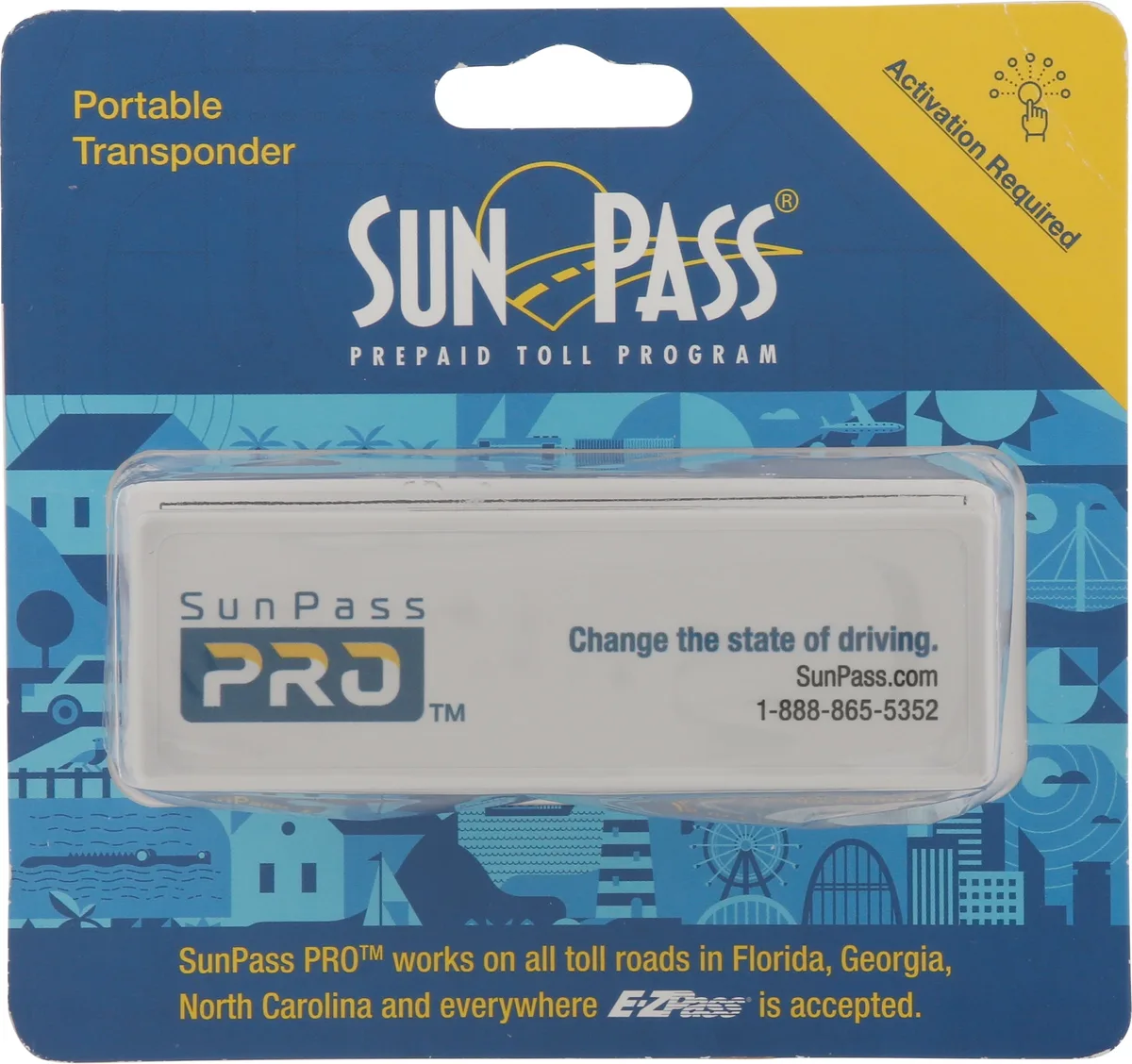
The biggest advantage is cost savings. SunPass users pay up to 50% less than Pay by Plate drivers on some roads. You can also use SunPass on toll roads in Georgia and North Carolina, making it a good option for frequent travelers.
To get started, you’ll need to:
- Purchase a SunPass transponder online or at a retail location
- Mount it on your windshield according to the instructions
- Load funds into your account
Florida Toll Roads You’ll Encounter (And Who Runs Them)
Florida’s toll roads are managed by different agencies, but they all use the same cashless system.
| Toll Road | Operator | Key Locations |
|---|---|---|
| Florida’s Turnpike | Florida Turnpike Enterprise (FTE) | Statewide |
| I-95 Express Lanes | FDOT | Miami, Fort Lauderdale, Palm Beach |
| I-4 Ultimate | FDOT & CFX | Orlando |
| SR 417 (GreeneWay) | Central Florida Expressway Authority (CFX) | Orlando, Sanford |
| SR 429 (Western Beltway) | CFX | Orlando, Disney area |
| SR 528 (Beachline) | CFX | Orlando to Cocoa Beach |
| SR 826 (Palmetto Expressway) | Miami-Dade Expressway Authority (MDX) | Miami |
| SR 836 (Dolphin Expressway) | MDX | Miami |
| SR 112 (Airport Expressway) | MDX | Miami to Miami International Airport |
Step-by-Step: How to Pay a Toll Without a Transponder
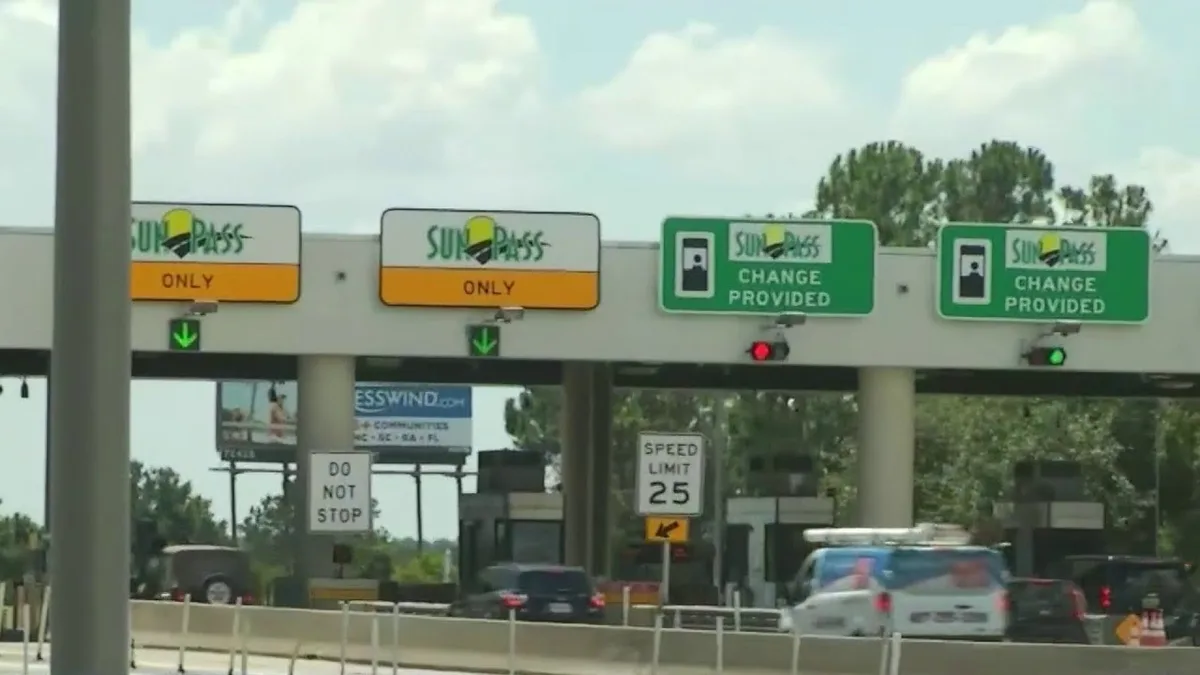
If you don’t have a SunPass, the Pay by Plate system kicks in automatically. Cameras capture your license plate, and the toll agency mails an invoice to the registered vehicle owner.
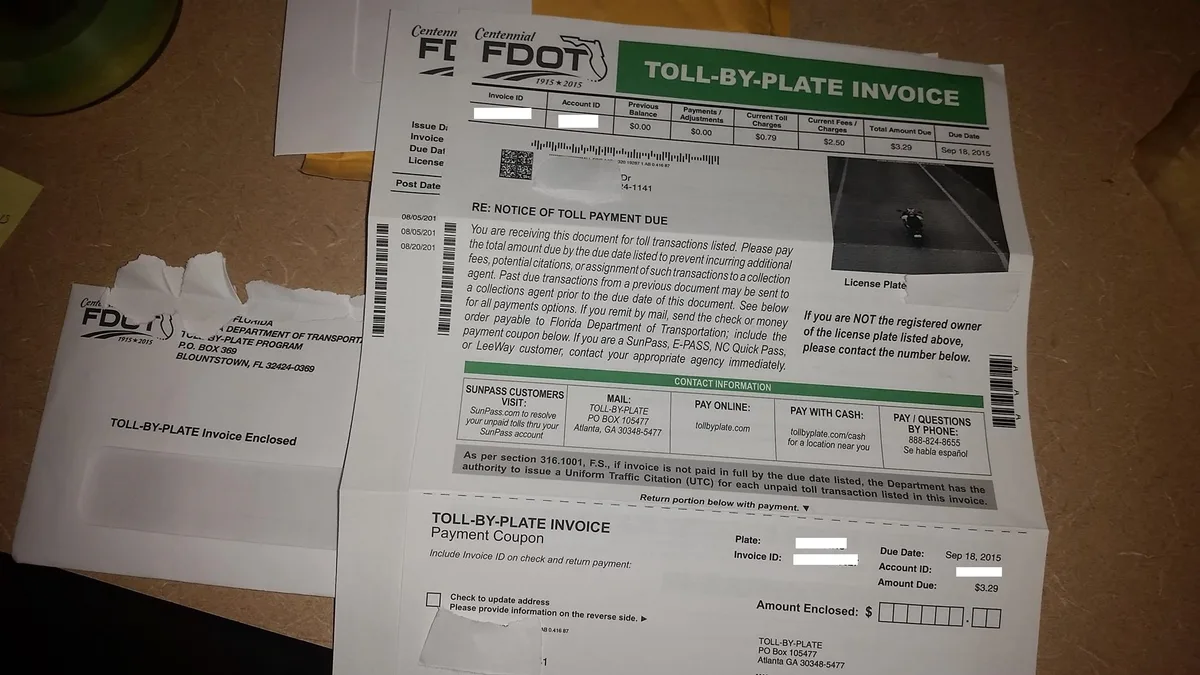
You’ll typically receive the invoice within 7 to 14 days. Payment options include online, by phone, or by mail. Each invoice includes an administrative fee, usually $2.50 to $4, on top of the toll amount.
To avoid late fees, pay the invoice by the due date. If you ignore it, the toll agency may send the bill to collections or place a hold on your vehicle registration.
What Happens If You Don’t Pay a Florida Toll?
Unpaid tolls trigger a series of escalating penalties. First, you’ll receive a notice with a late fee, often $2 to $10 per unpaid toll. If you still don’t pay, the agency may add additional administrative charges.
After 90 days, the toll agency can refer the debt to a collections agency. This can impact your credit score. In extreme cases, Florida may place a hold on your vehicle registration, preventing you from renewing your plates.
The Florida Turnpike Enterprise and other agencies report unpaid tolls to the Florida Department of Highway Safety and Motor Vehicles.
Rental Cars & Out-of-State Drivers: Avoid Surprise Toll Fees
Rental car companies handle tolls differently. Some include tolls in your rental agreement, while others charge a daily fee for toll convenience programs like PlatePay.
If your rental car doesn’t have a transponder, you’ll likely be billed through PlatePay or a similar service. These programs charge the toll amount plus a convenience fee, often $15 or more per day.
Out-of-state drivers with E-ZPass, NC Quick Pass, or Peach Pass can use their transponders in Florida. However, not all out-of-state transponders are compatible, so verify with your toll agency before traveling.
How to Check for Unpaid Tolls (And Fix Mistakes)
You can check for unpaid tolls online through the toll agency’s website. For Florida’s Turnpike, visit the Florida Turnpike Enterprise and enter your license plate number.
If you receive a toll invoice for a vehicle you no longer own, contact the toll agency immediately. Provide proof of sale or transfer of ownership to dispute the charge.
For incorrect toll charges, you can file a dispute online or by phone. Have your invoice number and license plate information ready. Most agencies require disputes to be filed within 30 days of the invoice date.
Florida Toll Costs: Rates, Fees, and Discounts Explained
Toll rates vary by road, vehicle type, and time of day. Passenger vehicles typically pay less than commercial trucks. Some roads, like the I-95 Express Lanes, use dynamic pricing, meaning tolls increase during peak traffic times.
SunPass users enjoy significant discounts. On the Florida Turnpike, SunPass users pay about 25% less than Pay by Plate drivers. The exact discount varies by road and time of day.
Pay by Plate invoices include an administrative fee. As of 2026, the fee is typically $2.50 to $4 per invoice, regardless of the number of tolls.
| Road | Passenger Vehicle (SunPass) | Passenger Vehicle (Pay by Plate) | 2-Axle Truck |
|---|---|---|---|
| Florida’s Turnpike | $0.50–$2.00 per mile | $0.75–$3.00 per mile | $1.50–$6.00 |
| I-95 Express Lanes | $0.50–$4.00 (dynamic) | $0.75–$6.00 (dynamic) | Not allowed |
| SR 417 (GreeneWay) | $1.00–$3.50 | $1.50–$5.25 | $3.00–$10.50 |
Common Florida Toll Mistakes (And How to Avoid Them)
Forgetting to update your address is a top mistake. If your vehicle registration has an old address, you might miss toll invoices. Always keep your DMV records current.
Another error is ignoring Pay by Plate invoices. Some drivers assume the toll was covered by their rental company or a friend. Check your mail and pay on time to avoid late fees.
Using an incompatible transponder can also cause issues. Not all out-of-state E-ZPass systems work seamlessly in Florida. Verify compatibility with the Florida Turnpike Enterprise before your trip.
Expert Tips / Pro Advice
Link your SunPass to your rental car if the company allows it. This avoids daily convenience fees from PlatePay or similar programs.
Set up automatic replenishment for your SunPass account. Running out of funds means you’ll be billed at the higher Pay by Plate rate until you reload.
If you frequently drive in Florida, consider a portable SunPass Mini. It works in rental cars and can be moved between vehicles.
Safety / Legal / Compliance / Warnings
Florida law requires you to pay all tolls. Failure to do so can result in fines, registration holds, or even court action. Florida Statute 316.1001 outlines toll enforcement rules.
If you receive a toll violation notice, don’t ignore it. Respond within the specified timeframe to avoid additional penalties. You can dispute the charge if you believe it’s an error.
Rental car companies may charge extra for tolls if you don’t use their preferred payment method. Always clarify toll policies before renting.
Frequently Asked Questions
How do I know if I owe a Florida toll?
You can check for unpaid tolls online using your license plate number. Visit the Florida Turnpike Enterprise or the website of the agency that operates the road you used.
Can I use my E-ZPass in Florida?
Yes, E-ZPass works on most Florida toll roads. However, check with your E-ZPass provider to confirm compatibility and any additional fees.
What happens if I don’t pay a Pay by Plate invoice?
You’ll receive a late notice with additional fees. If unpaid, the toll agency may send the debt to collections or place a hold on your vehicle registration.
How much does a SunPass transponder cost?
A standard SunPass transponder costs about $20, with a $10 minimum prepaid balance. Portable SunPass Mini devices are also available for around $25.
Are there any toll roads in Florida that still accept cash?
No, as of 2026 all Florida toll roads use all-electronic tolling. Cash is no longer accepted at any toll location in the state.