If your Florida vehicle registration is suspended for no insurance, you’re facing Florida insurance reinstatement fees for registration suspension before you can drive legally again. These fees kick in the moment your coverage lapses, and the state doesn’t wait to notify you.
Florida requires all drivers to carry at least $10,000 in Personal Injury Protection (PIP) and $10,000 in Property Damage Liability (PDL) as of 2026. Miss this, and your registration gets suspended until you pay the fee and show proof of insurance.
Quick Answer
Florida insurance reinstatement fees for registration suspension start at $150 for a first offense. A second offense within 3 years jumps to $250. Third or subsequent offenses cost $500.
You must also provide valid proof of insurance to the Florida DHSMV.
Why Florida’s Insurance Reinstatement Fees Matter (And How to Avoid Costly Mistakes)
Florida’s Financial Responsibility Law means no insurance equals an automatic registration suspension. The state doesn’t send a warning first. You’ll only find out when you get pulled over, try to renew your tags, or receive a notice in the mail.
Driving with a suspended registration is a misdemeanor. Penalties include fines up to $500, 60 days in jail, or both. Your vehicle could also be impounded.
The reinstatement fee is just the first cost. You’ll likely face higher insurance premiums after a lapse.
The Quick Answer: Florida’s Reinstatement Fees at a Glance
Florida’s reinstatement fees are tiered by offense. First-time offenders pay $150. Second offenses within 3 years cost $250.
Third or more offenses within 3 years cost $500. These fees are set by the Florida DHSMV and are non-negotiable.
You’ll also need to provide proof of insurance that meets Florida’s minimum requirements. Without it, the DHSMV won’t process your reinstatement.
How Florida’s Registration Suspension Works (And Why It Happens)
Your registration is suspended automatically if your insurance lapses. Florida’s DHSMV cross-checks insurance records with the state’s database. If your policy cancels or expires, the suspension is immediate.
You won’t receive a grace period. Even a one-day lapse triggers a suspension. The only way to lift it is to pay the reinstatement fee and show valid insurance.
Common reasons for suspension include:
- Letting your insurance policy expire
- Canceling your policy without replacing it
- Providing false proof of insurance
- Failing to maintain the state’s minimum coverage
Florida’s Insurance Requirements to Reinstate Your Registration
To reinstate your registration, you must meet Florida’s minimum insurance requirements. These include $10,000 in Personal Injury Protection (PIP) and $10,000 in Property Damage Liability (PDL). These are the bare minimums to legally drive in the state.
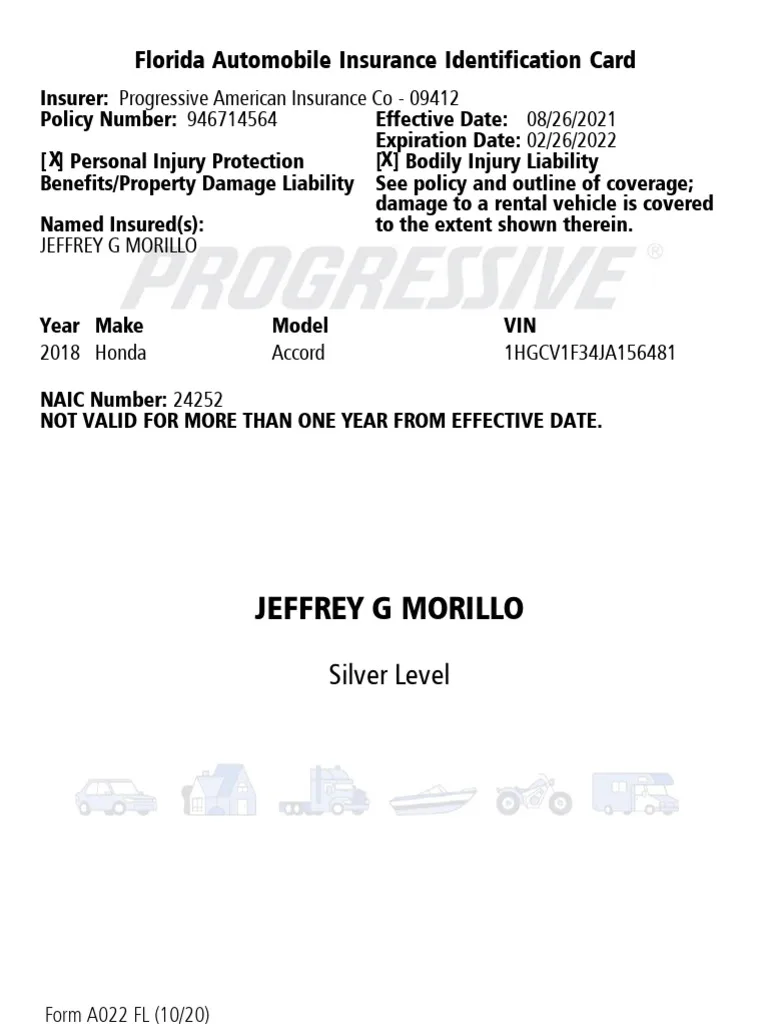
If you’re a high-risk driver, you may need an SR-22 or FR-44 form. An SR-22 is a certificate of financial responsibility that proves you carry the required insurance. An FR-44 is similar but requires higher liability limits, often for drivers with DUI convictions.
Your insurance provider must file the SR-22 or FR-44 with the Florida DHSMV. You can’t submit it yourself. Once filed, the DHSMV will update your record, but you’ll still need to pay the reinstatement fee.
Step-by-Step: How to Reinstate Your Suspended Florida Registration
First, get valid insurance that meets Florida’s minimums. Your provider must file proof electronically with the DHSMV. If they don’t, you’ll need to submit a paper form in person.
Next, pay the reinstatement fee. You can do this online, by mail, or at a local DHSMV office. Online payments process fastest, often within 24 to 48 hours.
Finally, confirm your reinstatement. Check your status on the Florida DHSMV website. If you don’t see an update within a few days, call your local office.
Florida Reinstatement Fees: Exact Costs by Offense
Here’s the breakdown as of 2026:
| Offense | Fee |
|---|---|
| First offense | $150 |
| Second offense (within 3 years) | $250 |
| Third+ offense (within 3 years) | $500 |
These fees are mandatory. There’s no way to reduce them. The only variable is how quickly you pay and submit proof of insurance.
Proof of Insurance vs. SR-22 vs. FR-44—What Florida Actually Requires
Standard proof of insurance is all most drivers need. It shows you meet Florida’s minimum PIP and PDL requirements. Your insurer can provide this digitally or on paper.
An SR-22 is for high-risk drivers. It’s a certificate your insurer files with the state to confirm you have coverage. You’ll need this if you’ve had multiple lapses or serious violations.
An FR-44 is stricter. It’s required after certain convictions like DUI. It proves you carry higher liability limits than the standard minimum.
Online vs. In-Person Reinstatement: Which Is Faster?
Online reinstatement is the fastest option. Pay the fee and submit proof through the DHSMV portal. You’ll often see updates within 24 to 48 hours.
In-person reinstatement works if you need immediate confirmation. Bring your proof of insurance, payment, and ID to a local office. You’ll leave with a receipt and updated status the same day.
Mail-in reinstatement is the slowest. It can take 7 to 10 business days. Use this only if you can’t do it online or in person.
Common Mistakes That Delay (or Worsen) Your Reinstatement
Submitting expired proof of insurance is a top mistake. The DHSMV rejects outdated documents. Always double-check the dates.
Paying the fee without proof of insurance won’t work. Both are required to lift the suspension. Skipping one step means starting over.
Ignoring the suspension leads to bigger problems. Driving with a suspended registration adds fines, points, or even jail time. The longer you wait, the more it costs.
What Happens If You Drive with a Suspended Registration in Florida?
Driving with a suspended registration is a misdemeanor. You could face up to $500 in fines and 60 days in jail. Your vehicle may also be impounded on the spot.
If you’re pulled over, the officer will check your registration status. A suspended registration means an immediate citation. Repeat offenses lead to higher penalties and longer suspensions.
How to Check If Your Florida Registration Is Suspended
The easiest way is to use the Florida DHSMV’s online license and registration check tool. Enter your license plate or driver’s license number. The system will show your current status.
You can also call your local DHSMV office. Have your vehicle identification number (VIN) ready. They’ll confirm if your registration is active or suspended.
If you receive a notice in the mail, don’t ignore it. The letter will explain why your registration was suspended and what steps to take.
Expert Tips to Speed Up Reinstatement and Avoid Future Suspensions
Set up automatic payments for your insurance. This prevents accidental lapses. Many insurers offer this option for free.
Check your insurance status monthly. Log in to your provider’s portal or call them. Confirm your policy is active and meets Florida’s minimums.
Keep a digital copy of your insurance card. Store it on your phone. If you’re pulled over, you can show it instantly.
Florida Reinstatement FAQs (From Real Drivers)
How long does it take to reinstate my Florida registration?
Online reinstatements typically process within 24 to 48 hours. In-person reinstatements are immediate. Mail-in requests can take 7 to 10 business days.
Can I reinstate my registration without insurance?
No. You must provide valid proof of insurance that meets Florida’s minimums. The DHSMV won’t process your reinstatement without it.
What if I can’t afford the reinstatement fee?
Florida doesn’t offer fee waivers for reinstatement. You must pay the full amount. Some payment plans may be available through your local DHSMV office.
Will my insurance rates go up after a suspension?
Most likely. Insurance companies view lapses as high risk. Expect your premiums to increase at your next renewal.
Can I drive while waiting for reinstatement?
No. Driving with a suspended registration is illegal. You must wait until the DHSMV confirms your reinstatement.