ByMax Lee
Illinois Scott’s Law: Move Over & Slow Down Rules
Illinois Scott’s Law move over and slow down requirements 2026 exist to protect first responders and roadside workers. This law mandates specific actions when you approach emergency vehicles with flashing lights, and violations can lead to hefty fines or worse.
As of 2026, Illinois enforces a minimum $250 fine for failing to move over or slow down, with penalties escalating to $10,000 if the violation causes injury or death. Understanding the rules can mean the difference between safety and a preventable tragedy.
Bing (Web (fair-use with source credit))
Quick Answer
Illinois Scott’s Law move over and slow down requirements 2026 require you to change lanes away from stationary emergency vehicles with flashing lights. If you can’t move over safely, you must slow down. The law applies to police, fire, ambulance, and tow trucks.
Fines start at $250 and can reach $10,000 for violations causing harm.
Why This Law Exists and Who It Protects
Scott’s Law, named after Chicago Fire Department Lieutenant Scott Gillen, was enacted to reduce the risk to emergency responders and roadside workers. Every year, first responders are injured or killed by passing vehicles that fail to move over or slow down.
The law covers police officers, firefighters, EMTs, tow truck operators, and Illinois Department of Transportation crews. Per the Illinois State Police, compliance with this law saves lives.
The Exact Rules: When to Move Over and When to Slow Down
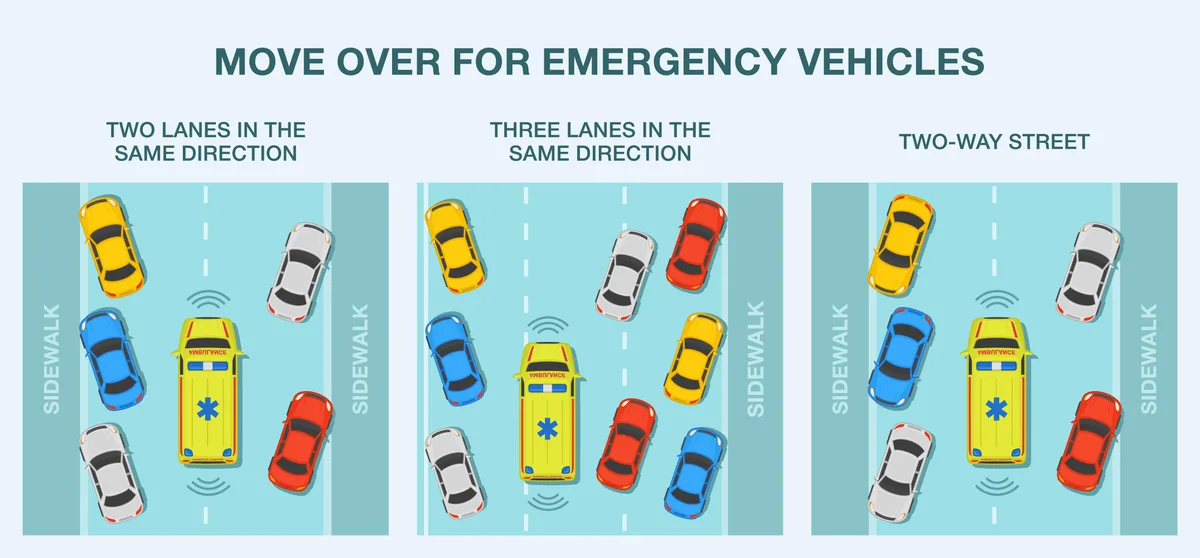
If you see a stationary emergency vehicle with flashing lights, move to a non-adjacent lane when safe. If you can’t, slow down and proceed with caution.
This applies to all emergency vehicles with red, blue, or amber lights. The law also covers work zones where IDOT or construction crews are present with flashing lights.

Bing (Web (fair-use with source credit))
Here’s how to comply:
- On multi-lane roads, change to a lane not next to the emergency vehicle.
- On two-lane roads, slow to a safe speed and pass carefully.
- In heavy traffic, slow down and keep a safe distance until you can move over.
Where Scott’s Law Applies (And Where It Doesn’t)
Scott’s Law applies on all public roads in Illinois, including highways, interstates, and local streets. It’s active whenever an emergency vehicle is stationary with flashing lights.
The law does not apply to moving emergency vehicles with lights and sirens. However, you should still yield the right-of-way.
What Happens If You Don’t Comply
Violating Scott’s Law carries serious penalties. As of 2026:
| Violation | Fine | Additional Penalties |
|---|---|---|
| First offense | $250 | Court appearance required |
| Property damage | Up to $1,000 | Possible license suspension |
| Bodily harm | Up to $2,500 | License suspension likely |
| Death | Up to $10,000 | Criminal charges, license suspension |
Step-by-Step: How to Follow the Law in Real Traffic
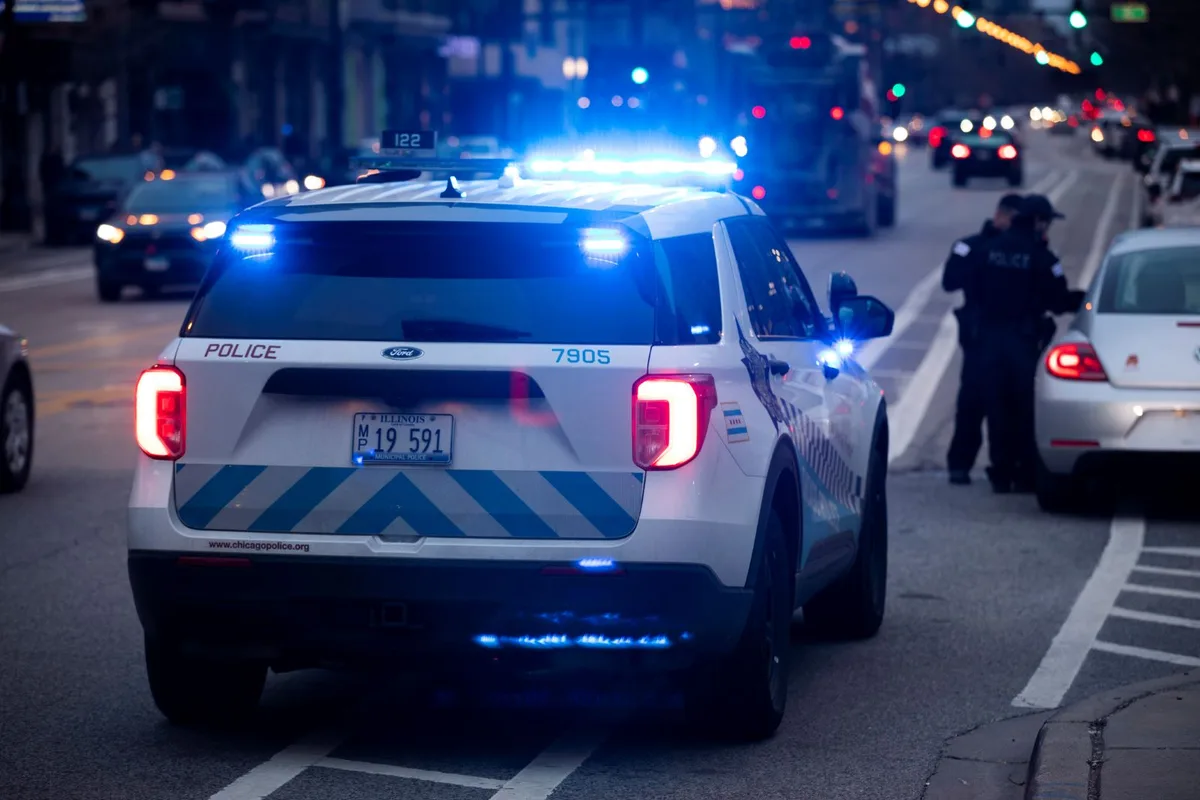
Scan ahead for flashing lights. Police cars, ambulances, fire trucks, and tow trucks all qualify.
Signal and move to a non-adjacent lane if safe. If not, slow down significantly. Never speed past an emergency scene.
Bing (Web (fair-use with source credit))
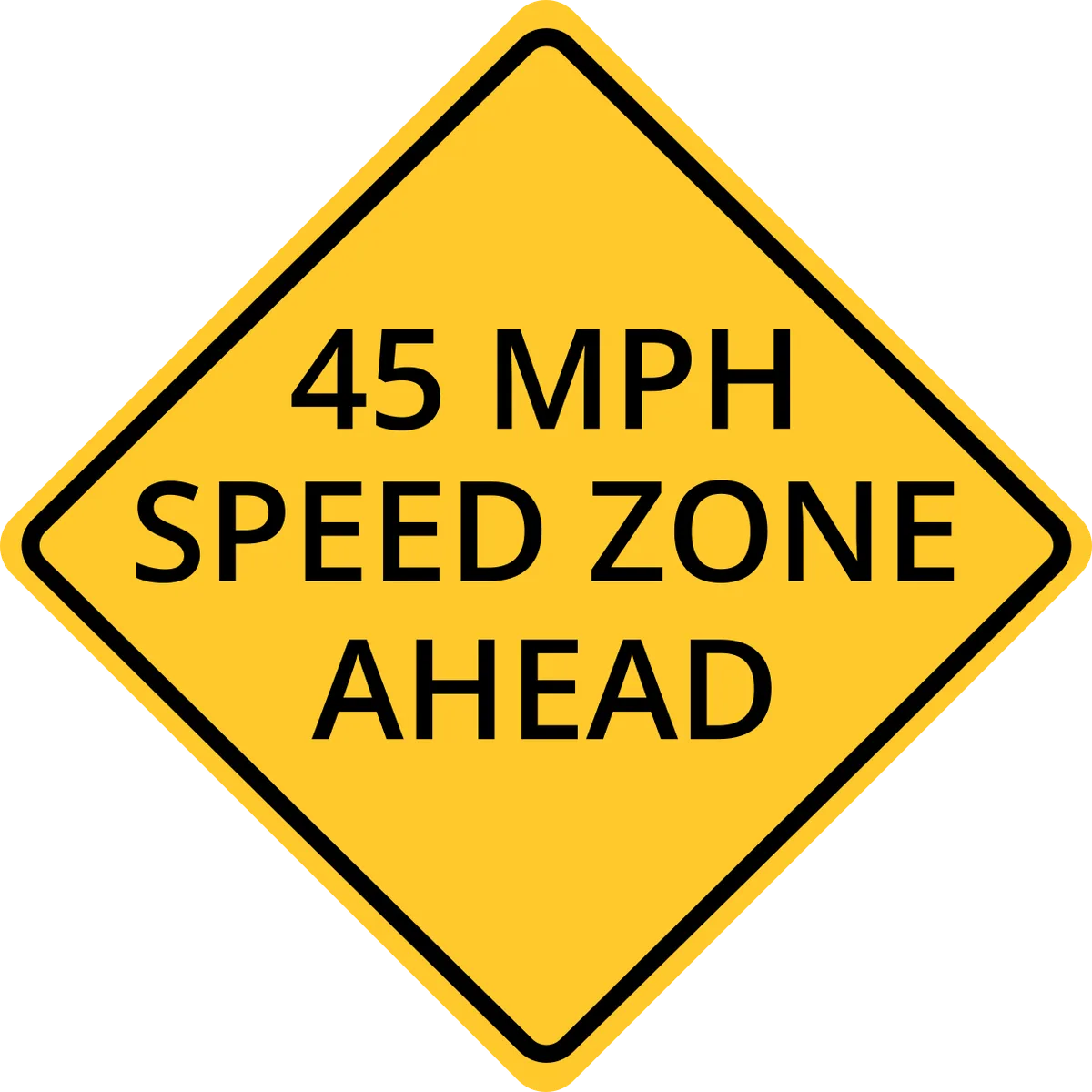
In work zones, obey posted speed limits, often 45 mph or lower. Always follow these signs, even if no workers are visible.
Work Zones vs. Emergency Vehicles—Key Differences
Bing (Web (fair-use with source credit))
Work zones have posted speed limits and advance signs. Emergency vehicles may appear without warning. Both require you to slow down or move over.
The key difference is predictability. Work zones are marked in advance. Emergency vehicles can stop anywhere, anytime.
In work zones, fines double for speeding. For emergency vehicles, the base fine starts at $250.
Common Mistakes Drivers Make (And How to Avoid Them)
Many drivers assume the law only applies to police cars. It covers all emergency vehicles with flashing lights, including tow trucks and IDOT vehicles.
Another mistake is not slowing down enough. If you can’t move over, reduce your speed significantly. A small reduction isn’t enough.
Distraction is a major factor. Put your phone down and stay alert. Emergency vehicles can appear suddenly.
Fines, Penalties, and Legal Consequences in Illinois
The base fine for violating Scott’s Law is $250. Property damage increases the fine to $1,000.
Bodily harm raises the fine to $2,500. If someone dies because of your violation, you could face a $10,000 fine and criminal charges.
Your license may be suspended. Court appearances are mandatory for violations involving injury or death.
Pro Tips for Safe, Stress-Free Compliance
Always check your surroundings. Emergency vehicles can be hard to see in heavy traffic or bad weather.
Use your turn signal when changing lanes. This alerts other drivers to your intentions.
If you’re unsure what to do, slow down. It’s better to be cautious than to risk a violation or an accident.
Frequently Asked Questions
Does Scott’s Law apply to parked police cars without flashing lights?
No. The law only applies when emergency vehicles have their flashing lights activated.
What if there’s no room to move over in heavy traffic?
Slow down to a safe speed and pass with caution. The law requires you to move over only if it’s safe to do so.
Are tow trucks included under Scott’s Law?
Yes. Tow trucks with flashing amber lights are covered.
Can I get a ticket for not moving over in a work zone?
Yes. Work zones with active crews or flashing lights require the same compliance.
What’s the difference between Scott’s Law and the work zone speed limit law?
Scott’s Law focuses on moving over or slowing for emergency vehicles. Work zone laws enforce posted speed limits. Both protect workers but have different rules.
Do out-of-state drivers have to follow Scott’s Law?
Yes. All drivers on Illinois roads must comply. Ignorance of the law isn’t a valid defense.