ByMax Lee
Illinois Abandoned Vehicle Removal Guide
Bing (Web (fair-use with source credit))
You found a car dumped on your curb or left in your lot for weeks. The Illinois abandoned vehicle removal process on public and private property is the legal way to get it towed and clear your space without risking a lawsuit. One wrong step can turn a simple removal into a conversion claim with triple damages.
The rules split immediately based on location. On a state highway, you have 7 hours before it’s considered abandoned. On private property, it’s 30 days for residential lots and 15 for commercial.
The Illinois Vehicle Code (625 ILCS 5/4-201) lays out the exact timelines and notice requirements.
Quick Answer
The Illinois abandoned vehicle removal process on public and private property starts with location. Highways allow removal after 7 hours. Municipal streets require 10 days.
Private residential lots need 30 days of notice. Private commercial lots need 15 days. Each path has its own notice, tow, and title steps.
The First Question That Changes Everything: Where Is the Vehicle?
This is a decision tree, not a single process. The moment you locate the vehicle, the rules branch.
If it’s on a state highway or interstate, the Illinois Department of Transportation (IDOT) takes the lead. The clock starts at 7 hours. After that, IDOT or a certified tower can remove it.
If it’s on a municipal street, local police handle it. The waiting period jumps to 10 days. The city must post notice and may impound the vehicle.
If it’s on private residential property, you’re looking at a 30-day notice period. You must send certified mail to the owner and any lienholders. Skip this, and you’re exposed to a conversion lawsuit.
If it’s on private commercial or HOA property, the notice period shortens to 15 days. The process is similar to residential, but the timeline is tighter.
How Illinois Defines "Abandoned" — And Why the 7-Hour vs. 30-Day Distinction Matters
Illinois law defines an abandoned vehicle in three ways. On a highway, it’s any vehicle left unattended for 7 hours or more. On public property, it’s 24 hours or more.
On private property, it’s inoperable or unregistered for 30 days or more.
The distinction matters because the timeline triggers different authorities and procedures. A 7-hour vehicle on I-55 falls under IDOT. A 30-day eyesore in your driveway falls under the private property rules in 625 ILCS 5/4-207.
The law also covers vehicles that are partially dismantled, wrecked, or burned. These often require additional steps, like environmental checks for fluid leaks.
Decision Branch 1: Vehicle on a State Highway or Interstate (IDOT Authority)
IDOT has the shortest timeline. If a vehicle sits on a state highway or interstate for 7 hours or more, it’s considered abandoned. IDOT or a certified tower can remove it immediately after that period.
Here’s how it works:
- Step 1: IDOT or law enforcement verifies the vehicle has been unattended for 7+ hours.
- Step 2: A certified tower is dispatched to remove the vehicle.
- Step 3: The vehicle is taken to an approved storage facility.
- Step 4: IDOT posts notice of the tow and storage location.
- Step 5: If unclaimed after 15 days, the vehicle may be sold at public auction.
The owner has 15 days to reclaim the vehicle, paying all tow and storage fees. If unclaimed, the proceeds cover fees first, then any surplus goes to the state.
Decision Branch 2: Vehicle on a Municipal Street (Local Police Authority)
Municipal streets follow a different path. The waiting period is 10 days before a vehicle is considered abandoned. Local police or public works handle the process.
Here’s the workflow:
- Step 1: Police verify the vehicle has been unattended for 10+ days.
- Step 2: A notice is posted on the vehicle and published in a local newspaper.
- Step 3: After 10 days, a certified tower removes the vehicle to an impound lot.
- Step 4: The owner has 15 days to reclaim it, paying fees.
- Step 5: If unclaimed, the vehicle is sold at public auction.
The key difference from IDOT’s process is the newspaper notice requirement. This ensures the owner has a chance to respond before the vehicle is towed.
Decision Branch 3: Vehicle on Private Residential Property (30-Day Notice Path)
This is where most homeowners get tripped up. On private residential property, the vehicle must be inoperable or unregistered for 30 days before you can start the removal process.
First, you need to confirm the vehicle’s status. Run a title search through the Illinois Secretary of State to check registration and lienholders. If the vehicle is registered, you’ll need to wait until it’s expired for 30+ days.
Next, send a certified mail notice to the owner and any lienholders. The notice must include the VIN, make, model, year, location, and your intent to tow. Post a copy on the vehicle itself.
If you skip this step, you risk a conversion lawsuit.
After 30 days, if the vehicle remains, you can contact an ICC-certified relocation tower to remove it. The tower will take it to an approved storage facility, where it must be held for another 15 days before you can apply for a Certificate of Purchase.
Decision Branch 4: Vehicle on Private Commercial or HOA Property (15-Day Notice Path)
Commercial properties and HOAs follow a tighter timeline. The notice period drops to 15 days for inoperable or unregistered vehicles.
The process is similar to residential, but the shorter window means you need to act quickly. Start with a title search to identify the owner and lienholders. Then, send the certified notice and post it on the vehicle.
If the vehicle isn’t removed within 15 days, you can proceed with towing. The same ICC-certified tower requirement applies. The vehicle is then held for 10 days before you can move forward with a Certificate of Purchase.
HOAs should check their governing documents. Some may have additional rules or shorter notice periods, but they can’t be less than the state’s 15-day requirement.
Step-by-Step: The Private Property Owner's Complete Workflow (Notice → Tow → Title)
Bing (Web (fair-use with source credit))
Start with documentation. Take clear photos of the vehicle from all angles, including the VIN plate and any visible damage. This protects you if the owner later disputes the condition.
Run a title search through the Illinois SOS. Note the owner’s name, address, and any lienholders. If the vehicle has out-of-state plates, check the NMVTIS for additional lien information.
Send a certified mail notice to the owner and all lienholders. The notice must include:
- Vehicle description (make, model, year, VIN)
- Exact location on your property
- Statement of intent to tow if not removed
- Your contact information
- Date of the notice
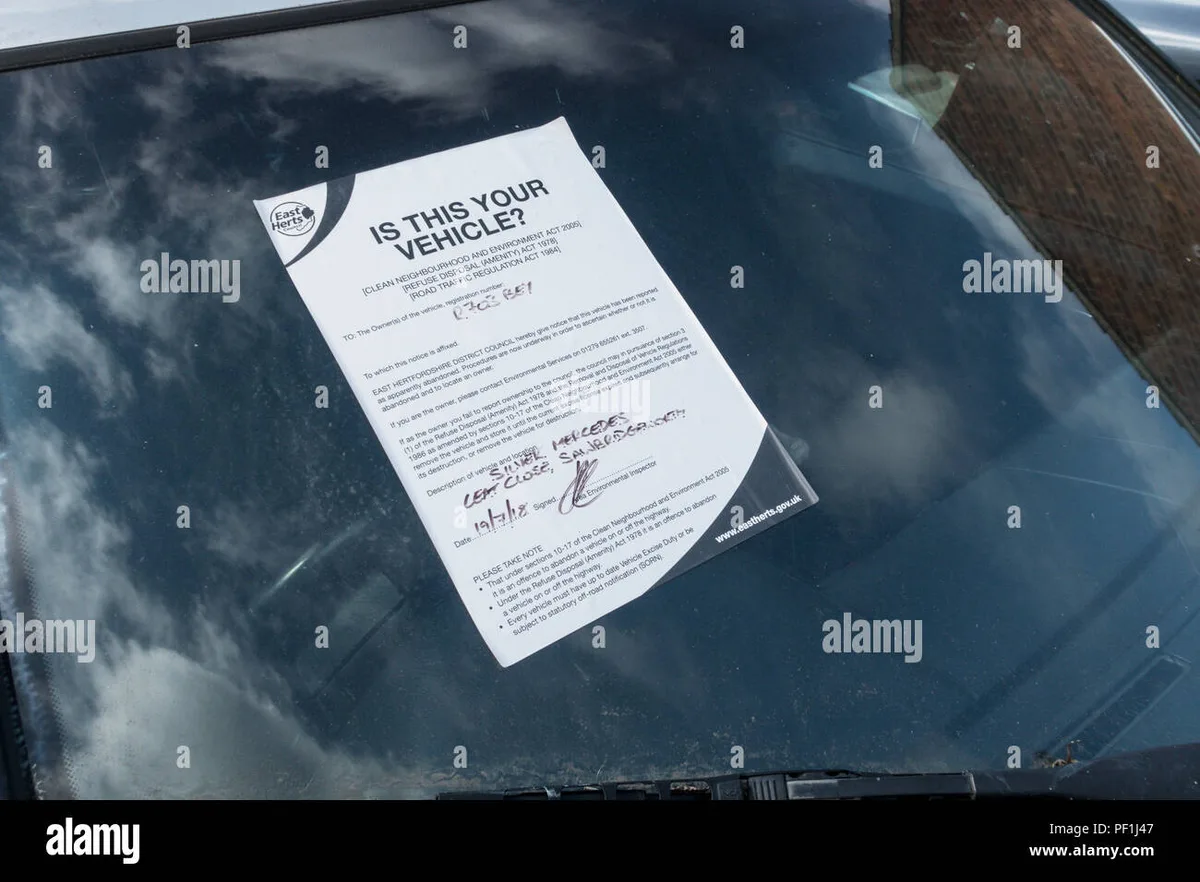
Post a copy of the notice on the vehicle’s windshield. If the vehicle has no windshield, attach it to a conspicuous part of the vehicle.
Wait the full notice period (30 days for residential, 15 for commercial). If the vehicle remains, contact an ICC-certified relocation tower. Provide them with your documentation and the notice receipts.
The tower will remove the vehicle to an approved storage facility. They’ll issue a tow report, which you’ll need for the next steps. The vehicle must be held for an additional 15 days (residential) or 10 days (commercial) before you can proceed.
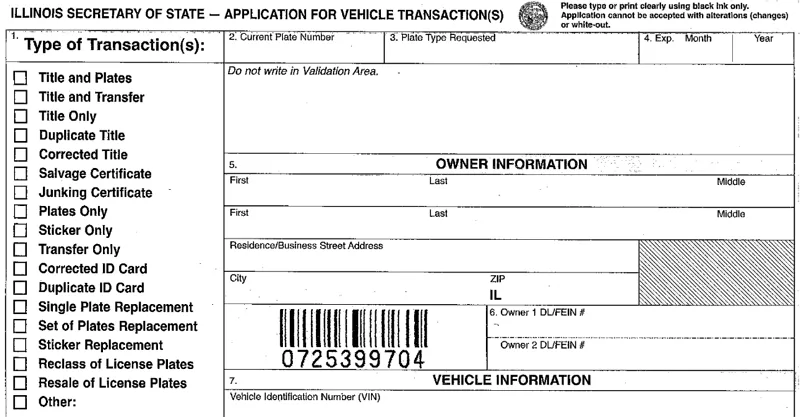
After the holding period, apply for a Certificate of Purchase (VSD-379) through the Illinois SOS. Submit the tow report, your notice documentation, and the required fee. Once approved, you’ll receive the certificate, which allows you to take ownership of the vehicle.
ICC-Certified Towers Only: How to Verify Your Tow Company Before You Call
Bing (Web (fair-use with source credit))
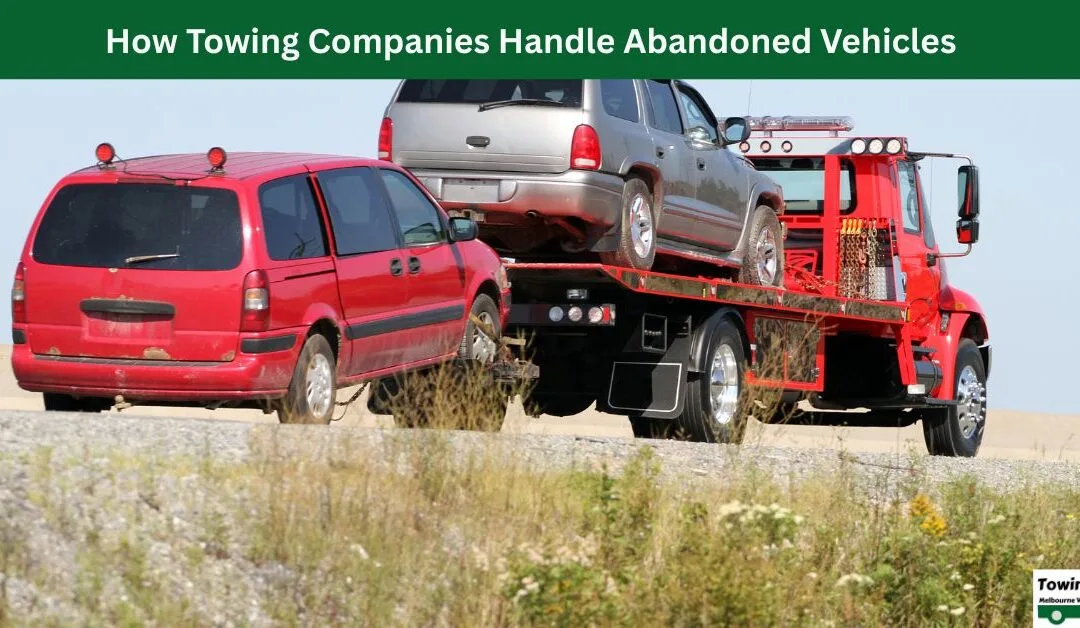
Not all tow companies can legally remove abandoned vehicles in Illinois. You must use an ICC-certified relocation tower. Using the wrong company can void the entire process and expose you to liability.
Check the Illinois Commerce Commission’s list of certified towers. Verify the company’s certification is current and covers relocation tows. Some towers are only certified for consent tows or police-ordered tows, which won’t work for private property removals.
Ask the tower for their ICC certification number and confirm it matches the state’s records. Also, ensure they’re insured and bonded. This protects you if the vehicle is damaged during towing or storage.
Get a written estimate for tow and storage fees upfront. As of 2026, the ICC sets maximum rates:
- Tow fees: $175 for passenger vehicles, $250 for light trucks
- Storage fees: $25/day outdoor, $35/day indoor
These fees are recoverable from the vehicle’s sale proceeds, but you’re on the hook if the sale doesn’t cover them.
Notice Requirements That Void the Whole Process If You Miss One Field
Bing (Web (fair-use with source credit))
The notice is the most critical step. Miss one detail, and the entire removal can be challenged in court. The notice must include:
- Vehicle identification: Make, model, year, VIN, and license plate number
- Location: Exact address or description of where the vehicle is parked
- Your intent: Clear statement that the vehicle will be towed if not removed
- Your contact information: Name, address, and phone number
- Date: The date the notice was sent and posted
The notice must be sent via certified mail with return receipt requested. This proves the owner received it. You must also post a copy on the vehicle itself.
For private residential property, you must wait 30 days from the notice date. For commercial property, it’s 15 days. If the vehicle is moved during this period, the clock resets.
If the owner or lienholder responds, you must halt the process. Ignoring a response can lead to a conversion claim. Keep copies of all notices, mail receipts, and photos of the posted notice for your records.
Costs You'll Pay Upfront — And What You Can Recover From the Sale
The process isn’t free. You’ll pay tow and storage fees before recovering any costs from the vehicle’s sale.
ICC sets maximum tow fees by vehicle class. Passenger cars cost up to $175. Light trucks run up to $250.
Storage fees max at $25/day outdoor or $35/day indoor. These are recoverable from the sale proceeds.
If the sale doesn’t cover the fees, you’re responsible for the difference. The tower and storage facility get paid first. Any surplus goes to the state or lienholders before you see a dime.
Chicago Is Different: Municipal Code 9-64 Overrides State Timelines
Chicago has its own rules. The city’s Municipal Code Chapter 9-64 shortens notice periods and adds steps.
For private property, the notice period drops to 7 days instead of 30. You must also notify the Chicago Department of Streets and Sanitation. They may boot the vehicle before towing.
Public streets follow a 5-day notice period. The city posts notices and may impound the vehicle immediately if it’s blocking traffic or snow removal. Fees are higher too: $150 tow plus $20/day storage.
If the vehicle is in unincorporated Cook County, the sheriff’s office handles it. Their process aligns more closely with state law.
Common Mistakes That Turn a Legal Tow Into a Conversion Lawsuit
Using a non-ICC-certified tower is the biggest mistake. It voids the entire process and exposes you to triple damages under 765 ILCS 730.
Skipping the certified mail notice is another landmine. Without proof of notice, the owner can sue for conversion. Always keep the return receipt.
Posting the notice incorrectly can also cause problems. It must be visible on the vehicle. If it blows away or gets removed, the clock doesn’t start.
Ignoring lienholders is a costly error. They must be notified and paid from the sale proceeds. If you skip this, the Certificate of Purchase will be rejected.
Finally, misclassifying the property type can derail the process. Residential lots need 30 days. Commercial lots need 15.
Mix them up, and you’ll have to start over.
Lienholder Searches, NMVTIS Checks, and Why Skipping Them Kills the Title Transfer
Lienholders have superior rights. You must notify them before towing and pay them from the sale proceeds.
Start with the Illinois SOS title search. It lists the owner and any recorded lienholders. For out-of-state vehicles, check the NMVTIS.
This federal database tracks title history and liens across states.
If the vehicle has a loan, the bank or credit union must be notified. They have 15 days to respond after receiving notice. If they don’t, you can proceed with the tow.
The Certificate of Purchase application requires proof of lienholder notification. Without it, the SOS will reject your request. This means you can’t take ownership, and the vehicle remains in legal limbo.
Expert Tips: Documenting Condition, Handling Hazmat, and Speeding Up the Auction
Document everything. Take dated photos of the vehicle from all angles before towing. Include close-ups of the VIN plate, license plate, and any damage.
This protects you if the owner disputes the condition later.
For damaged or burned vehicles, check for environmental hazards. The Illinois EPA requires fluid removal before crushing. Only certified recyclers can handle this.
If the vehicle is leaking oil or coolant, call a hazmat team first.
To speed up the auction, work with the storage facility. They can publish the sale notice immediately after the holding period. Public auctions must be advertised for at least 15 days.
Sealed bids can be faster but may yield lower sale prices.
Keep copies of all paperwork. This includes the tow report, storage receipts, and auction results. You’ll need them for the Certificate of Purchase application and to defend against any future claims.
Decision Guide: Match Your Situation to the Right Path in 30 Seconds
Use this quick flowchart to pick your process. On a state highway? IDOT handles it after 7 hours.
On a city street? Local police take over after 10 days.
Private residential property? You need 30 days notice. Private commercial or HOA? 15 days notice applies.
Each path has its own notice, tow, and title steps.
If the vehicle is burned or leaking fluids, stop and call a hazmat team first. Environmental rules override the standard process.
FAQs
What counts as an abandoned vehicle in Illinois?
A vehicle left unattended for 7+ hours on a highway is abandoned. On public property, it’s 24+ hours. On private property, it’s inoperable or unregistered for 30+ days.
Can I tow a vehicle from my driveway without notice?
No. Private residential property requires 30 days notice to the owner and lienholders. Skipping this risks a conversion lawsuit.
How do I find a certified tow company?
Check the Illinois Commerce Commission’s list of certified relocation towers. Only these companies can legally remove abandoned vehicles.
What happens if the owner reclaims the vehicle?
They must pay all tow and storage fees. If they do, you must release the vehicle immediately.
How long does the entire process take?
From notice to title, it typically takes 45 to 75 days. The timeline depends on the property type and whether the owner responds.