ByMax Lee
Idaho’s Distracted Driving Law: Handheld Device Ban
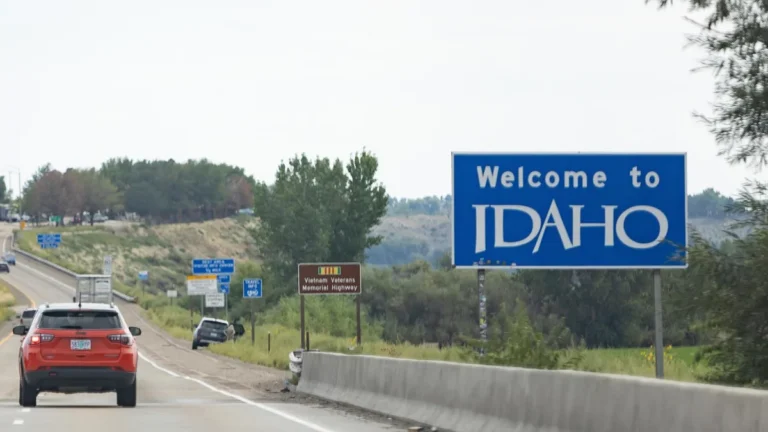
Idaho’s roads are getting safer, but only if you follow the rules. The Idaho distracted driving law and ban on handheld electronic devices makes it illegal to hold your phone while driving, even at a stoplight. This isn’t just a suggestion, it’s a primary offense, meaning police can pull you over for it alone.
As of 2026, Idaho State Police report that distracted driving plays a role in nearly 20% of fatal crashes in the state. The law is clear, but the details matter, so let’s break down what you can and can’t do behind the wheel.
Quick Answer
The Idaho distracted driving law and ban on handheld electronic devices prohibits holding a phone while driving. This includes talking, texting, or browsing. Hands-free use is allowed.
First offense fines start at $75.
What Idaho’s Hands-Free Law Actually Means for Drivers
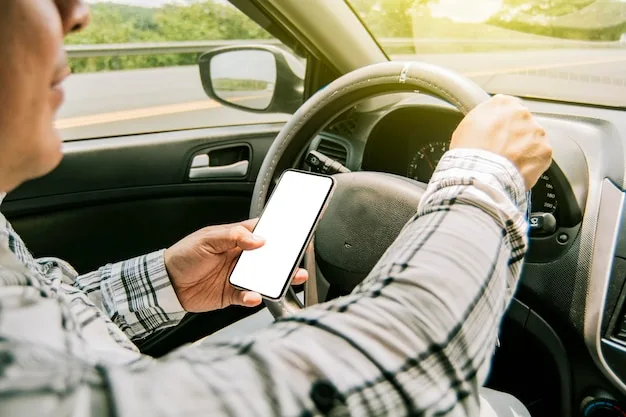
This law isn’t just about texting. It covers any handheld use of electronic devices while operating a vehicle. That means no scrolling, no typing, and no holding your phone to your ear.
The goal is to keep your hands on the wheel and your eyes on the road.
Bing (Web (fair-use with source credit))
The law applies to all drivers, including those from out of state. If you’re pulled over, you can’t argue that you were just checking a map or adjusting your playlist.
The Exact Rules: What’s Banned and What’s Allowed
Here’s the breakdown of what’s prohibited under Idaho Code §49-1401A:
Banned: Holding a phone to talk, text, email, browse, or use social media
Banned: Watching videos or playing games
Banned: Typing or swiping while driving, even at a stoplight
Allowed: Single tap or swipe to activate hands-free mode
Allowed: Voice-to-text or voice commands
Allowed: Using a mounted phone for navigation
Allowed: Emergency 911 calls
Bing (Web (fair-use with source credit))
The law defines "handheld" as any device held in your hand or supported by your body, like your lap or shoulder. If you’re using a phone mount, make sure it’s securely attached to the dashboard or vent, not just resting on your leg.
Who the Law Applies To (And Who Gets Extra Restrictions)
This law covers every driver in Idaho, whether you’re a resident or just passing through. But there are a few groups with additional rules:
- Teen drivers: If you’re under 18, the law is even stricter. You can’t use any wireless device, even hands-free, unless it’s an emergency.
- Commercial drivers: CDL holders face federal rules on top of Idaho’s law. The Federal Motor Carrier Safety Administration bans all handheld phone use for commercial drivers, with steep penalties for violations.
- Rideshare and delivery drivers: You’re not exempt. The same rules apply, even if you’re on the clock.
If you’re a commercial driver, violating these rules can lead to disqualification from operating a commercial vehicle.
How Idaho Enforces the Ban (And What Happens If You’re Pulled Over)
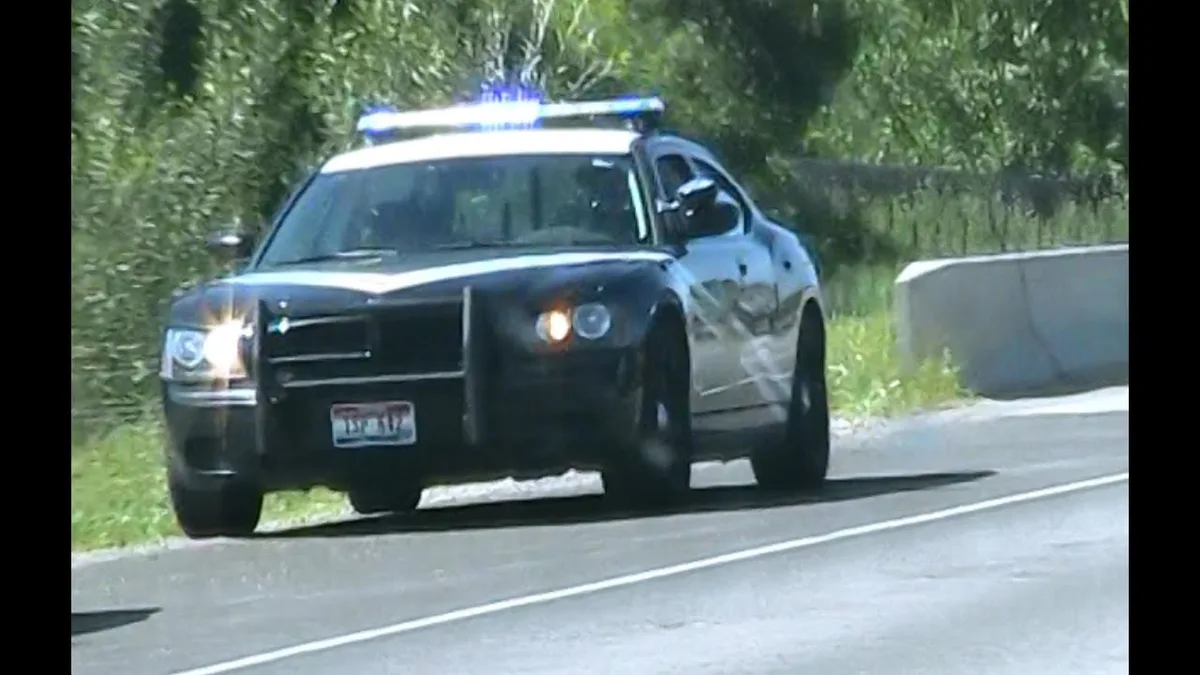
Idaho’s ban is a primary offense, which means police can stop you solely for using a handheld device. They don’t need another reason, like speeding or swerving. If an officer sees you holding your phone, they can pull you over and issue a citation.
The enforcement is straightforward. Officers look for drivers holding phones to their ears, typing, or scrolling. Even if you’re at a red light or stuck in traffic, you’re still considered to be operating the vehicle.
Fines, Points, and License Penalties by Offense
Idaho’s penalties escalate with repeat offenses. Here’s what you can expect:
| Offense | Fine | License Suspension | Points |
|---|---|---|---|
| 1st | $75 | None | None |
| 2nd (within 3 years) | $150 | None | None |
| 3rd+ (within 3 years) | $300 | 90 days | None |
Bing (Web (fair-use with source credit))
Unlike some states, Idaho doesn’t assess points for distracted driving violations. However, a third offense within three years will result in a 90-day license suspension.
The Gray Areas: Stoplights, Mounts, and Voice Commands
You might think stopping at a red light gives you a free pass to check your phone. It doesn’t. Idaho’s law considers you to be operating the vehicle even when temporarily stopped.
Mounts are allowed, but they must be securely attached to the dashboard or vent. A phone resting on your lap or held by your shoulder still counts as handheld. Voice commands are legal, but if you’re fumbling with the phone to activate them, you’re breaking the law.
Why Commercial Drivers (CDL) Face Stricter Consequences
CDL holders have to follow both Idaho’s law and federal regulations. The FMCSA bans all handheld phone use for commercial drivers, with penalties that can include disqualification from operating a commercial vehicle.
A violation can lead to a fine of up to $2,750 for the driver and up to $11,000 for the employer. These rules apply even if the state you’re driving in doesn’t have its own handheld ban.
How to Set Up Your Phone Legally (And Avoid Common Mistakes)
A proper phone mount is your best defense against a citation. It should be fixed to the dashboard or vent, not just wedged in the cup holder. The phone must be in a position where you don’t have to take your eyes off the road to see it.
Wikimedia Commons / CZmarlin, Christopher Ziemnowicz, a photo credit is required if this image is used anywhere other than Wikipedia. (CC BY-SA)
Avoid mounts that block your view of the road. If you’re using Bluetooth, test it before you drive to make sure it connects reliably.
Idaho vs. Neighboring States: How the Laws Compare
Idaho’s law is similar to those in Washington and Oregon, but the penalties differ. Washington’s first offense fine is $136, and it includes points on your license. Oregon’s first offense fine is $265, with points after the second violation.
Montana has no statewide handheld ban, but some cities have local ordinances. Utah’s first offense fine is $100, with points added after the second violation.
Real-World Scenarios: What Gets You a Ticket (And What Doesn’t)
If you’re holding your phone to your ear while driving, you’ll get a ticket. The same goes for typing a text or scrolling through social media. Even if you’re at a stoplight, you’re still operating the vehicle.
Using a mounted phone for navigation is legal, as long as you’re not interacting with it while driving. Voice commands are allowed, but if you’re manually typing, you’re breaking the law. Emergency calls to 911 are the only exception to the handheld ban.
How to Fight a Distracted Driving Citation in Idaho
You can contest the ticket in court. The first step is to request a hearing, usually listed on the citation. Bring evidence like phone records showing hands-free use or witness statements.
The judge may reduce the fine but won’t dismiss it if the officer’s testimony holds up. Mitigation hearings let you explain your side, but the violation stays on record.
Frequently Asked Questions
Can I use my phone at a stoplight in Idaho?
No. The law considers you to be operating the vehicle even when stopped. Holding your phone at a red light is still a violation.
What counts as a handheld device under Idaho law?
Any electronic device held in your hand or supported by your body. This includes phones, tablets, and GPS units not mounted to the vehicle.
Do hands-free calls count as distracted driving in Idaho?
No, as long as you’re not holding the device. Voice commands and Bluetooth are legal under the law.
What’s the fine for a first offense in Idaho?
The first offense fine is $75. There are no points assessed, but the citation goes on your driving record.
Can I get my license suspended for distracted driving in Idaho?
Yes, but only after a third offense within three years. The suspension lasts 90 days.
Does Idaho’s law apply to out-of-state drivers?
Yes. The ban applies to all drivers on Idaho roads, regardless of residency.