ByMax Lee
Idaho Yellow Light Law: Intersection Safety Rules Explained
Idaho's permissive yellow light law and intersection safety rules often trip up even experienced drivers. The state follows a permissive model, meaning you can legally enter an intersection on yellow if your front tires cross the stop line before the light turns red. But misjudging timing or right-of-way can lead to crashes or citations.
Per Idaho Code § 49-802, the yellow signal is a warning that the green phase is ending, and the standard clearance interval is calculated using ITE guidelines. Understanding these rules can prevent the most common intersection mistakes.
Bing (Web (fair-use with source credit))
Quick Answer
Idaho permissive yellow light law and intersection safety rules allow entry on yellow if you cross the stop line before red. The yellow phase typically lasts 3 to 6 seconds based on approach speed. Right-of-way defaults to the first vehicle to arrive at a stop.
Left turns on permissive signals require yielding to oncoming traffic. Flashing yellow arrows permit turns after yielding.
What Idaho's Permissive Yellow Light Law Actually Means
Idaho treats yellow lights as permissive, not restrictive. Under Idaho Code § 49-802, a steady yellow signal warns drivers that the green phase is ending and a red light will follow. The key rule is that you may enter the intersection if your vehicle's front tires pass the stop line or crosswalk before the light turns red.
This differs from restrictive yellow states like Oregon, where entering on yellow can be treated as running a red. In Idaho, the burden is on the driver to judge whether they can safely clear the intersection. The law assumes you have enough time to stop or proceed based on the signal's timing.
How Yellow Lights Work in Idaho (And Why It Matters)
Traffic signals in Idaho follow the Uniform Vehicle Code, with yellow intervals timed to the 85th percentile speed of approaching traffic. The Institute of Transportation Engineers (ITE) provides the standard formula for yellow timing: Y = t + V/(2a + 2Gg), where V is approach speed, a is deceleration rate, and G is grade.
In practice, this means a 45 mph approach might get a 4.5-second yellow, while a 30 mph zone could have a 3-second yellow. The all-red clearance interval (usually 1 to 2 seconds) ensures the intersection clears before cross traffic gets a green. Misjudging these intervals is a leading cause of angle crashes at Idaho intersections.
| Approach Speed | Typical Yellow | All-Red Clearance |
|---|---|---|
| 30 mph | 3.0 seconds | 1.0 second |
| 35 mph | 3.5 seconds | 1.5 seconds |
| 45 mph | 4.5 seconds | 1.5 seconds |
| 55 mph | 5.5 seconds | 2.0 seconds |
The Legal Rule: When You Can (and Can't) Enter on Yellow
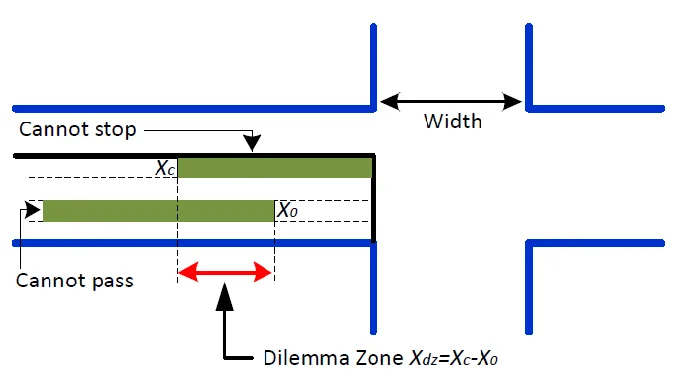
You can legally enter on yellow if your front tires cross the stop line before the light turns red. If you're in the dilemma zone (too close to stop safely but too far to clear before red), Idaho law expects you to proceed with caution. Stopping abruptly in the dilemma zone can cause rear-end collisions, while running the red risks a citation or T-bone crash.
The rule is black and white in the code, but real-world application isn't. Police typically cite drivers who enter on yellow but don't clear the intersection before red. Red-light cameras aren't authorized in Idaho per Idaho Code § 49-1401, so enforcement relies on officer observation or crash reconstruction.
Flashing Yellow Arrow vs. Solid Yellow: What Drivers Get Wrong
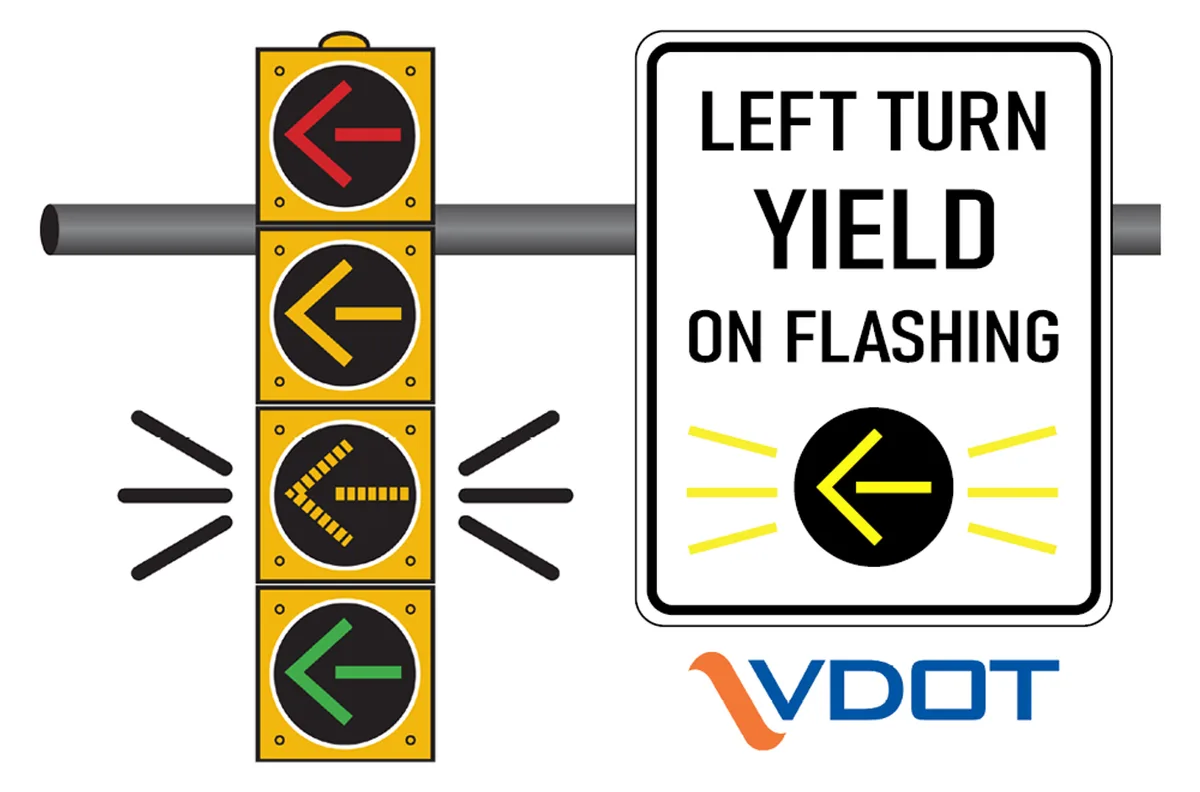
Idaho uses both solid yellow arrows and flashing yellow arrows (FYA) for left turns. A solid yellow arrow means the protected left-turn phase is ending, and you must clear the intersection or stop. A flashing yellow arrow means you may turn left after yielding to oncoming traffic and pedestrians.
Bing (Web (fair-use with source credit))
Many drivers treat FYA like a protected green, turning without checking for oncoming cars. Others hesitate unnecessarily, causing rear-end collisions. The FYA is permissive, so you must yield to all conflicting traffic.
Studies show FYA reduces left-turn crashes by 20 to 30 percent compared to solid green permissive phases.
The Dilemma Zone: Idaho's Most Dangerous Intersection Moment
The dilemma zone is the stretch of road where you're too close to stop safely for a yellow but too far to clear the intersection before red. In Idaho, this zone typically spans 50 to 150 feet depending on approach speed. Entering it at 45 mph gives you about 2.5 seconds to decide.
Bing (Web (fair-use with source credit))
Drivers often panic and brake hard, leading to rear-end crashes. Others accelerate to beat the light, risking a red-light violation or T-bone collision. The safest action is to proceed if you're already in the dilemma zone when the light turns yellow.
If you're outside it, stop. Signal timing in Idaho is designed to minimize this zone, but human error still plays a role.
Right-of-Way Rules at Idaho Intersections (Who Goes First?)
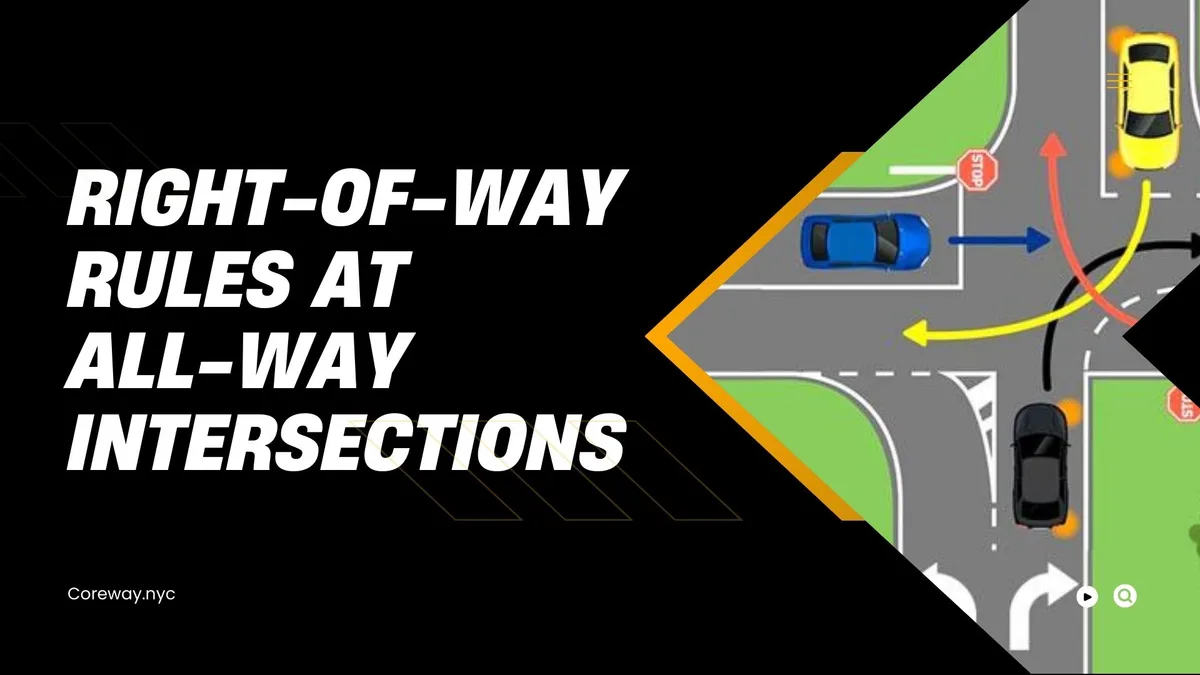
The first vehicle to arrive at a stop sign or signal has the right-of-way. At uncontrolled intersections, the vehicle on the left must yield to the one on the right. For left turns, you must yield to all oncoming traffic and pedestrians, even if you arrived first.
Bing (Web (fair-use with source credit))
Idaho Code § 49-702 clarifies pedestrian right-of-way in crosswalks. Vehicles must stop for pedestrians in marked or unmarked crosswalks at intersections. Cyclists follow the same rules as vehicles but are often harder to see, so extra caution is required.
Idaho's "Move It" Law: What to Do After a Minor Crash
If you're in a minor crash with no injuries and damage under $1,500, Idaho's "Move It" law requires you to clear the travel lanes. Pull over to a safe spot, exchange information, and file a report if needed. Blocking traffic can lead to citations and worsens congestion.
This law, per Idaho Code § 49-627, applies to all public roads. Failing to move your vehicle when possible can result in a fine. If the crash involves injuries or significant damage, stay put and call emergency services.
Common Mistakes That Lead to Tickets or Crashes
Running a red light is the most obvious violation, but entering on yellow and not clearing before red is just as illegal. Many drivers misjudge the timing, especially at high-speed intersections like State Street in Boise.
Another frequent error is failing to yield on a permissive left turn. Drivers often assume they have the right-of-way when the arrow is flashing yellow. Always check for oncoming traffic and pedestrians before turning.
How Signal Timing Is Set (And Why Some Yellows Feel Too Short)
Signal timing in Idaho follows ITE standards, with yellow intervals based on approach speed. A 45 mph zone typically gets a 4.5-second yellow, while a 30 mph zone may have a 3-second yellow. The all-red clearance interval ensures the intersection clears before cross traffic gets a green.
Local agencies like ACHD adjust timing based on traffic studies and crash data. If a signal feels too short, it's often because the approach speed is higher than posted limits. Engineers prioritize safety over convenience, so yellows may seem brief at busy intersections.
Safety Tips for Navigating Idaho's Busiest Intersections
Scan the entire intersection before entering, not just the signal. Look for pedestrians, cyclists, and vehicles that may not follow the rules. At complex intersections like Eagle Road and Chinden Boulevard, extra vigilance is critical.
Maintain a safe following distance to avoid rear-end collisions if the car ahead stops suddenly for a yellow. Use turn signals early to communicate your intentions. If you're unsure about a permissive turn, wait for a protected phase or a clear gap in traffic.
What Happens If You're in a Crash During a Permissive Turn?
Idaho uses comparative fault rules under Idaho Code § 6-801. If you turn left on a permissive signal and collide with oncoming traffic, you'll likely share fault. The other driver may also share fault if they could have avoided the crash.
Insurance companies will examine signal timing, your position in the intersection, and whether you yielded properly. If you entered on yellow but didn't clear before red, you could be cited for running a red light, which strengthens the other party's claim.
FAQs About Idaho's Yellow Light and Intersection Laws
Is it legal to enter an intersection on yellow in Idaho?
Yes, as long as your front tires cross the stop line before the light turns red. The law treats this as a legal entry, but you must clear the intersection before the light cycles to red for cross traffic.
What's the difference between a flashing yellow arrow and a solid yellow arrow?
A solid yellow arrow means the protected left-turn phase is ending and you must stop. A flashing yellow arrow means you may turn left after yielding to oncoming traffic and pedestrians.
How long do yellow lights typically last in Idaho?
Yellow intervals are based on approach speed. A 30 mph zone usually has a 3-second yellow, while a 45 mph zone may have a 4.5-second yellow. The timing follows ITE standards to allow safe stopping or clearing.
What should I do if I'm in the dilemma zone when the light turns yellow?
Proceed through the intersection if you're already in the dilemma zone. Stopping suddenly can cause a rear-end collision. If you're outside the zone, stop safely.
Can I be ticketed for running a red light if I entered on yellow?
Yes, if you don't clear the intersection before the light turns red. Police can cite you for running a red light even if you entered legally on yellow.