ByMax Lee
Idaho Biennial Vehicle Registration Guide
Idaho’s two-year registration can save you time and hassle, but not every vehicle or owner qualifies. The Idaho biennial vehicle registration options for passenger cars and trucks let you pay once and skip the DMV for 24 months, but eligibility depends on your county, vehicle age, and weight class.
As of 2026, the program covers most passenger vehicles under 8,000 lbs, though emissions testing in Ada, Canyon, and Kootenai counties adds a step.
Bing (Web (fair-use with source credit))
Quick Answer
Idaho offers biennial registration for passenger cars and trucks under 8,000 lbs. You pay two years of fees and property tax upfront. Emissions testing is required in Ada, Canyon, and Kootenai counties for vehicles 5+ years old.
The program locks you in for 24 months with no mid-cycle changes.
Do You Qualify for Idaho’s Biennial Registration?
You’re eligible if your vehicle is a passenger car, SUV, or light truck under 8,000 lbs GVWR. Commercial vehicles, motorcycles, and trailers don’t qualify. New residents must transfer their title within 30 days to start the process.
If your vehicle is 10+ years old, you can opt for a permanent plate instead. This skips the sticker renewal entirely, but you’ll still pay annual property tax.
How Idaho’s Two-Year Registration Actually Works
The biennial program combines your registration fee and county property tax into one payment. You’ll get a single validation sticker valid for two years. The fee is based on your vehicle’s weight and assessed value, which depreciates over time.
County assessors calculate property tax annually, but for biennial registration, you pay two years’ worth upfront. This locks in the current tax rate, which can be a benefit if rates rise. The Idaho Transportation Department oversees the program, but your county office handles the paperwork.
Biennial vs. Annual Registration: What’s the Real Difference?
| Feature | Biennial Registration | Annual Registration |
|---|---|---|
| Frequency | Every 2 years | Every year |
| Upfront Cost | Higher (2 years of fees + tax) | Lower (1 year at a time) |
| Convenience | Fewer DMV visits | More frequent renewals |
| Flexibility | Locked in for 2 years | Can adjust yearly |
| Emissions Testing | Required every 2 years (if applicable) | Required yearly (if applicable) |
Biennial registration is best if you want to minimize DMV trips and don’t mind paying upfront. Annual registration offers more flexibility if you plan to sell your vehicle or move out of state soon.
Step-by-Step: How to Register for Two Years (Without the Headaches)
Bing (Web (fair-use with source credit))
Before You Start: Check These 4 Things First
Verify your vehicle’s weight class (under 8,000 lbs). Confirm your county’s property tax rate and emissions requirements. Gather your title, proof of insurance, and VIN inspection if your vehicle is from out of state.
Check for any outstanding fines or violations that could block renewal.
Verify your vehicle’s weight class (under 8,000 lbs). Confirm your county’s property tax rate and emissions requirements. Gather your title, proof of insurance, and VIN inspection if your vehicle is from out of state.
Check for any outstanding fines or violations that could block renewal.
At the County Office: What to Bring and What to Expect
Bring your current registration, title, and proof of insurance. If your vehicle is 5+ years old and in Ada, Canyon, or Kootenai County, bring your emissions test certificate. Pay the combined registration fee and two years of property tax.
You’ll receive your new validation sticker and registration certificate on the spot.
After Approval: What Happens Next
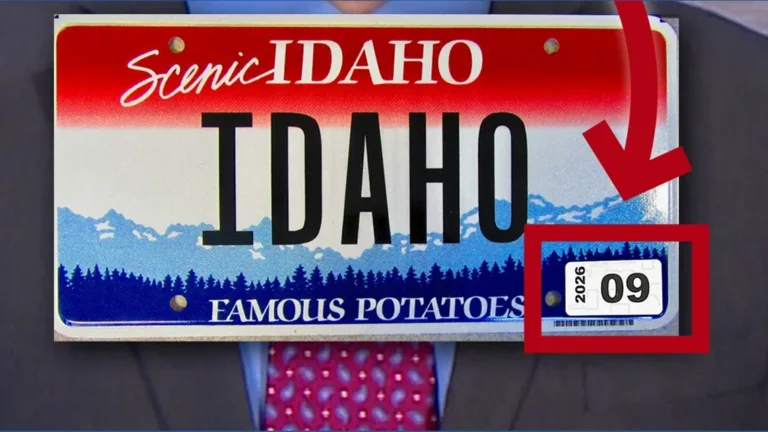
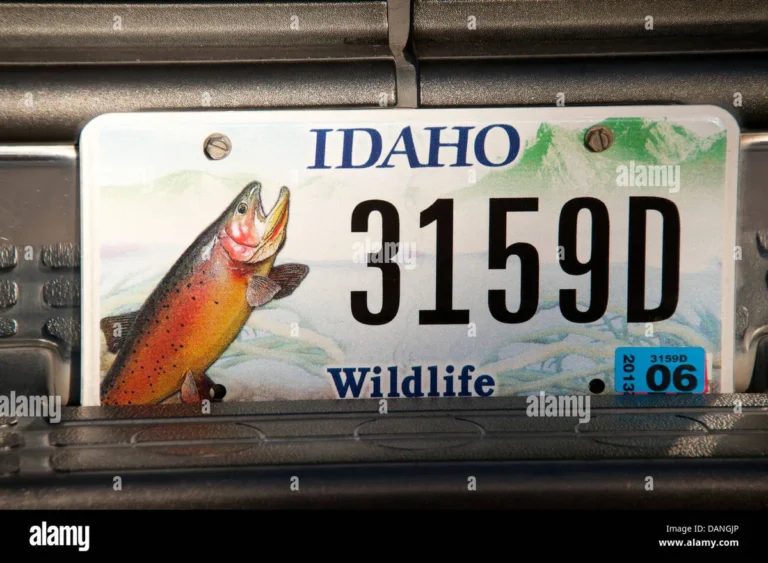
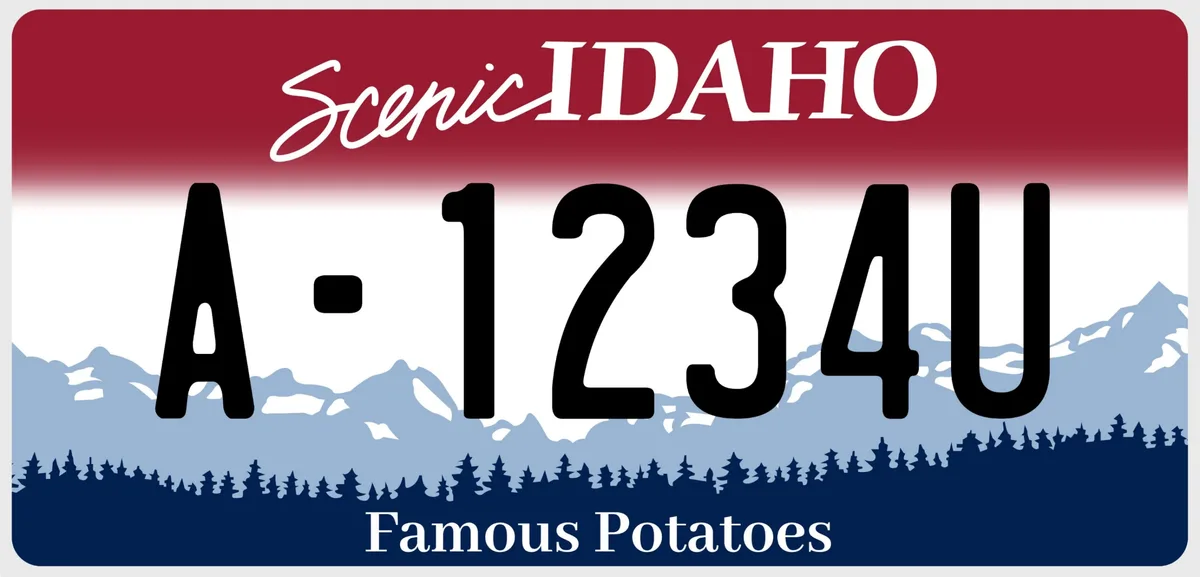
Affix the new sticker to your rear license plate in the upper right corner. Keep your registration certificate in your vehicle. Set a reminder for your renewal window, which opens 60 days before expiration.
If you move or sell your vehicle, notify the county assessor to avoid penalties.
Idaho Biennial Registration Costs (Fees + Property Tax Breakdown)
The base registration fee ranges from $45 to $69 depending on your vehicle’s weight class. You’ll also pay two years of county property tax upfront, which is roughly 0.7% to 1.2% of your vehicle’s assessed value annually. For example, a $20,000 car might owe around $280 in property tax for two years.
Additional fees include $25 for new plates or $3.50 for a replacement sticker. If you’re transferring from out of state, add a $5 to $10 VIN inspection fee.
Where Emissions Testing Fits In (And When You Can Skip It)
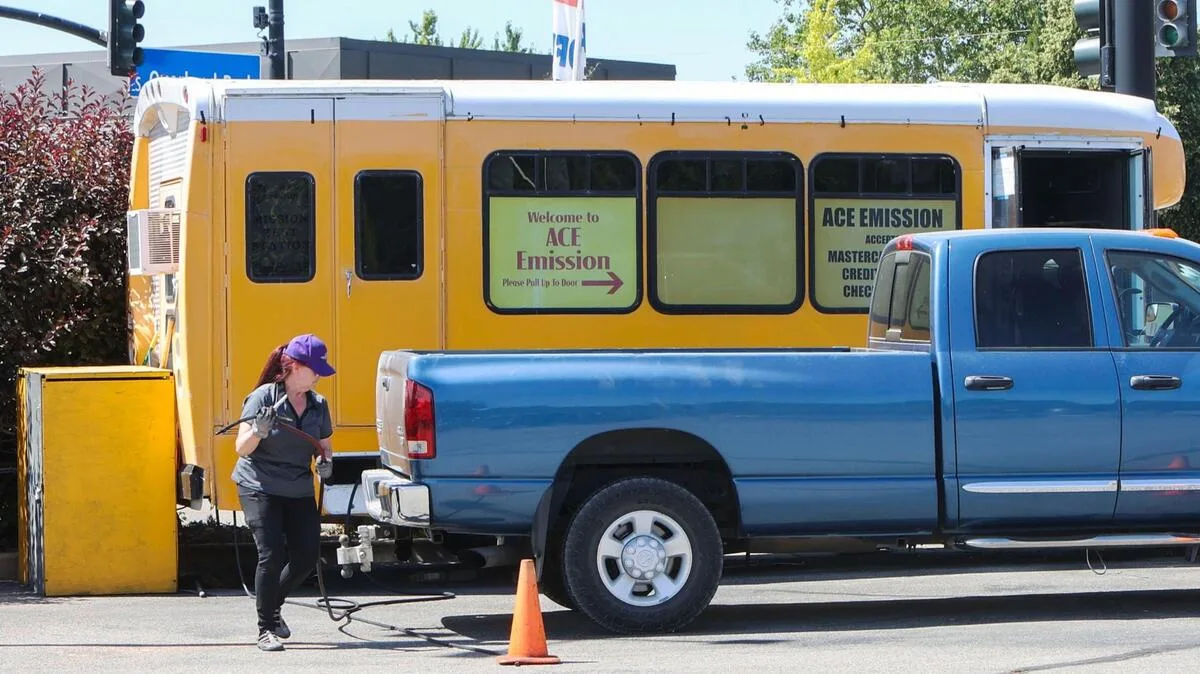
Emissions testing is required every two years for vehicles 5+ years old in Ada, Canyon, and Kootenai counties. Newer vehicles are exempt, as are those in all other Idaho counties. The test costs between $11 and $28 depending on the station.
Bing (Web (fair-use with source credit))
If your vehicle fails, you’ll need repairs before you can register. Some counties offer a waiver if your vehicle fails but you’ve spent over $650 on emissions-related repairs.
Permanent Plates vs. Biennial Registration: Which Saves You More?
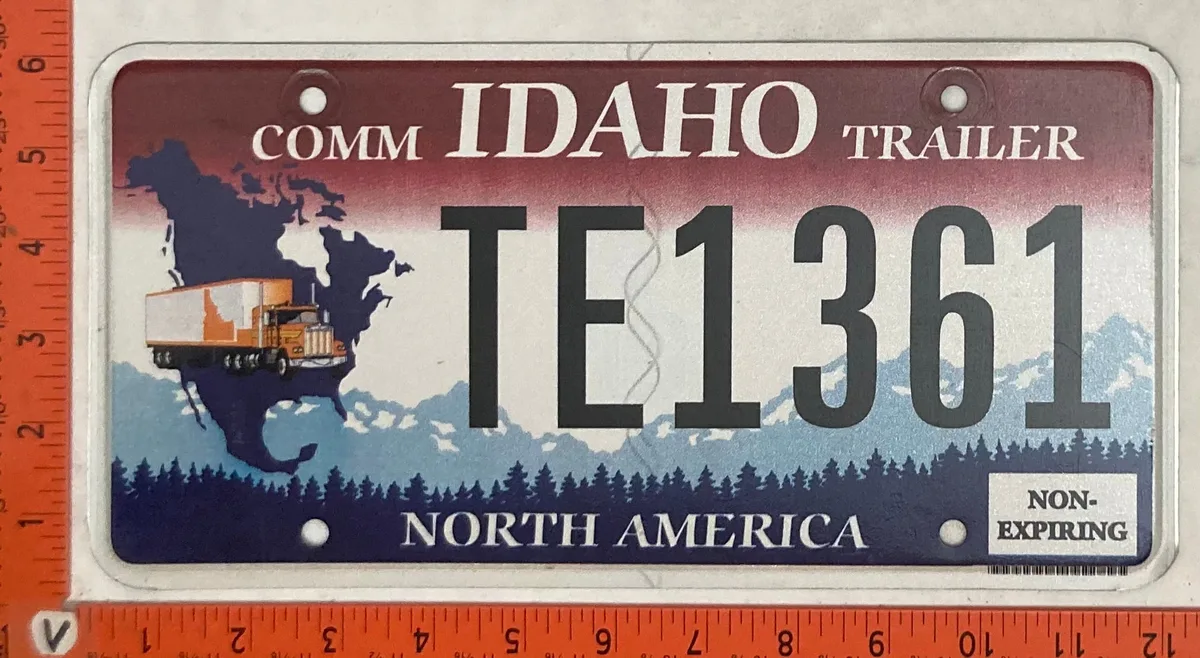
Permanent plates are available for vehicles over 10 years old. You pay a one-time $25 plate fee and then only the annual property tax. Biennial registration requires paying both fees every two years.
Bing (Web (fair-use with source credit))
Permanent plates win on convenience since you never need to replace the sticker. Biennial registration may cost less upfront if your vehicle is newer and has higher property tax.
Common Mistakes That Derail Biennial Registration (And How to Avoid Them)
Forgetting the emissions test in Ada, Canyon, or Kootenai counties will block your renewal. Not paying property tax on time can lead to late fees or registration suspension. Switching to annual registration mid-cycle isn’t allowed without penalties.
Always check your renewal notice for the exact amount due. Paying the wrong fee can delay processing. If you move, update your address with the county assessor within 30 days to avoid issues.
Rural vs. Urban Counties: How Your Location Changes the Process
Rural counties like Idaho or Clark have no emissions testing and lower property tax rates. Urban counties like Ada or Canyon require emissions tests and have higher property values, which means higher taxes.
In rural areas, you might need to travel farther to reach a county assessor office. Urban areas often have more locations but longer wait times. Online renewal is available statewide for most biennial registrations.
FAQs About Idaho's Two-Year Vehicle Registration
Can I switch from annual to biennial registration mid-cycle?
No, you must wait until your current annual registration expires to enroll in the biennial program.
What happens if I sell my vehicle before the two years are up?
The registration stays with the vehicle. The new owner inherits the remaining time on the biennial cycle.
Do I need insurance to renew my biennial registration?
Yes, Idaho requires continuous liability coverage of 25/50/15. Lapsed insurance blocks renewal until you provide proof.
Can military personnel keep their home-state registration?
Active-duty military stationed in Idaho may maintain their home-state registration under the Servicemembers Civil Relief Act.
Is there a grace period for expired biennial registration?
Yes, you have 30 days after expiration before a $20 late penalty applies. Driving with expired tags beyond that is an infraction.
How do I update my address for biennial registration?
Notify your county assessor within 30 days of moving. You can do this online through the ITD portal or in person.
Final Decision Guide: Should You Go Biennial?
Choose biennial registration if you plan to keep your vehicle for at least two more years, want fewer DMV visits, and can handle the larger upfront payment. It works best for vehicles 5-9 years old in counties without emissions testing.
Stick with annual registration if you might sell or move soon, prefer spreading costs out, or have a vehicle nearing the 10-year mark where permanent plates become an option. Rural owners often benefit more from biennial due to fewer office visits.
For vehicles 10+ years old, compare permanent plate costs against two more biennial cycles. The Idaho Transportation Department fee calculator lets you run exact numbers for your situation.