ByMax Lee
Idaho’s New Permanent Plate Law Scraps 10-Year Replacement
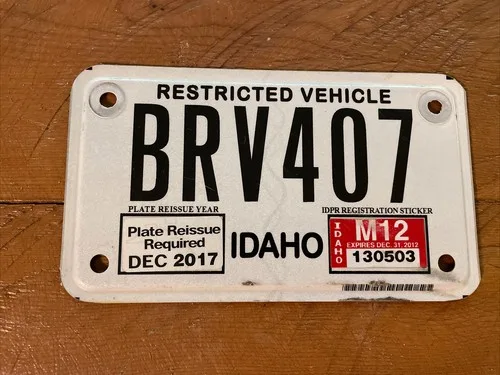
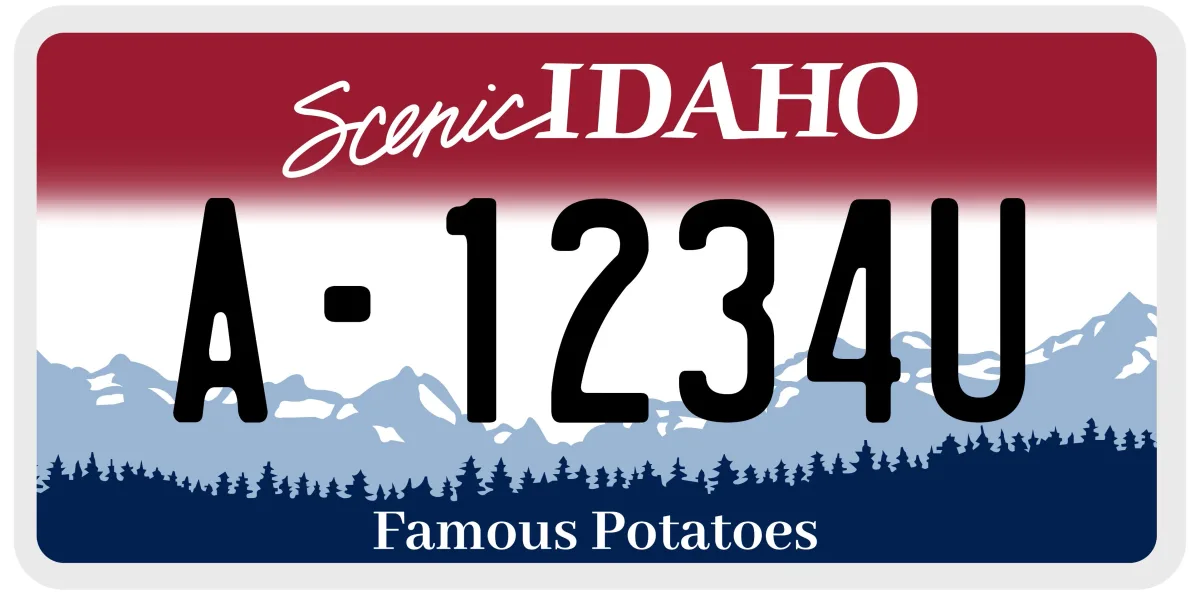
The Idaho permanent license plate law and 10 year replacement cycle repeal confuses thousands of drivers every year. The law changed in 2022 but the name permanent plate makes people think they never have to renew registration again. That mistake leads to tickets and wasted time at the county office.
This guide explains what actually changed and what you still need to do.
House Bill 475 took effect July 1 2022. It removed the mandatory plate swap every ten years. You keep your plate as long as you own the vehicle.
You still renew annually and pay the registration fee. The sticker on your plate proves your registration is current.
Quick Answer
Idaho repealed the mandatory 10-year license plate replacement cycle. Your permanent plate now stays valid for the life of the vehicle. You still renew registration every year.
You still get a new validation sticker annually. The law changed on July 1 2022 under House Bill 475.
Bing (Web (fair-use with source credit))
How the Permanent License Plate Law Works Now
The Old Rule vs. the New Rule
Before July 1 2022 Idaho required a new plate every ten years. The old plate was destroyed. You paid a replacement fee of ten to twenty-five dollars.
You got a new plate with a new design. Now that cycle is gone. Your plate stays with the vehicle until you sell it or the plate becomes unreadable.
The annual registration renewal did not change. You still pay the fee. You still get a sticker.
You still face penalties if you skip renewal.
Which Plates Are Affected
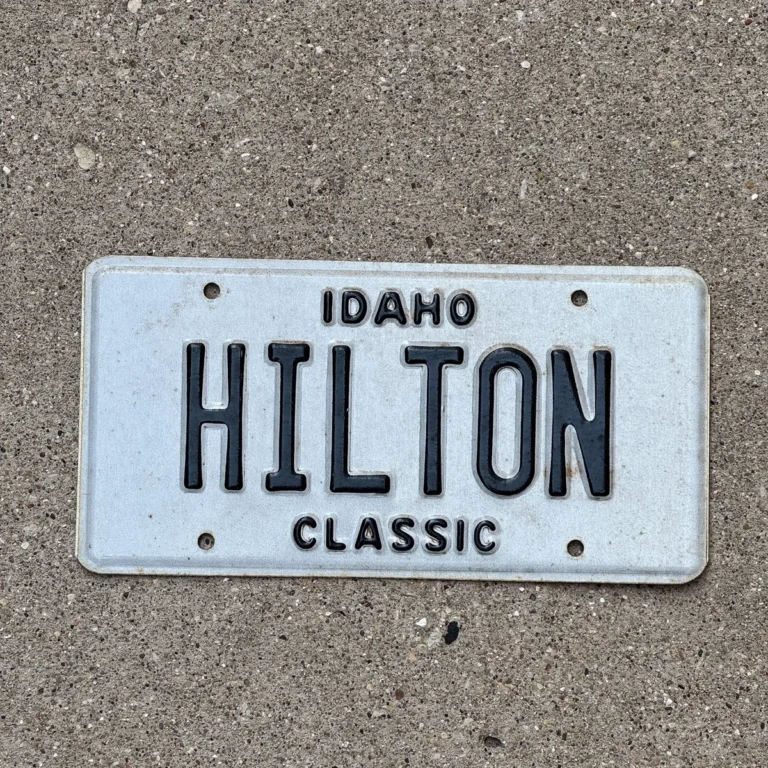
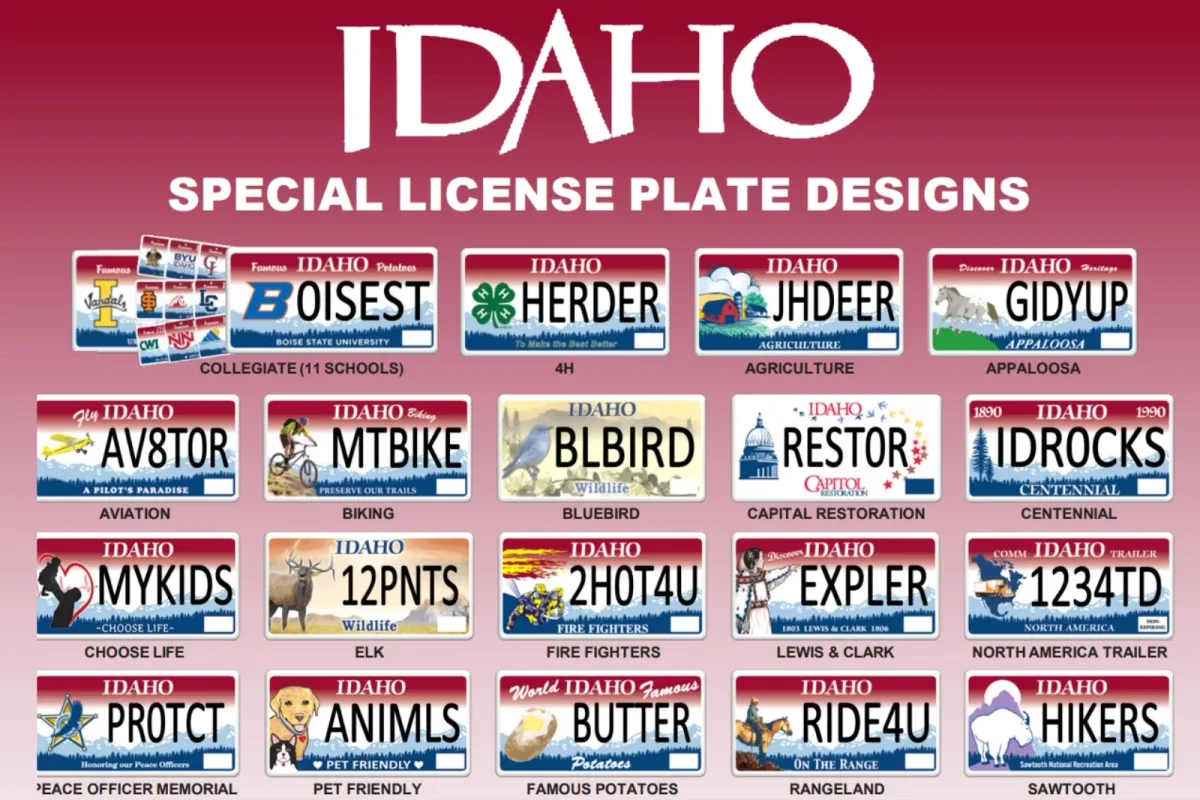
Standard passenger plates are permanent. Personalized plates are permanent. Most specialty plates are permanent.
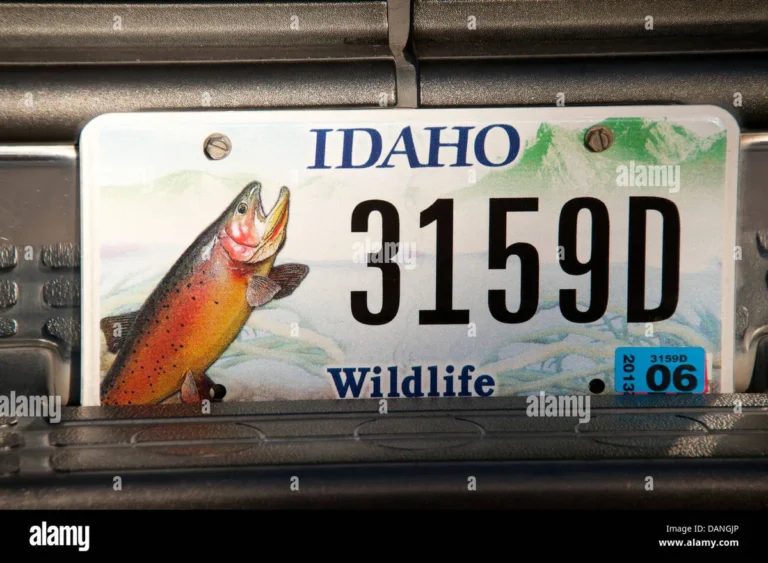
This includes college plates wildlife plates and military plates. Some specialty plates may still have design updates but the plate itself does not expire. Check with the Idaho Transportation Department if you have a rare specialty plate.
Why This Law Confuses So Many Idaho Drivers
The word permanent is the problem. In most states permanent means the plate and the registration never expire. In Idaho permanent only means the physical plate does not have a forced expiration date.
The registration expires every year. The sticker proves you paid. Many drivers see permanent plate and stop renewing.
They get pulled over. They get a ticket. The fine is fifty to one hundred fifty dollars plus court costs.
That is far more than the annual renewal fee.
Annual Registration Renewal What You Still Must Do
Online Renewal Process
You can renew at the Idaho Transportation Department website. You need your registration renewal notice or your license plate number. You need a credit card or debit card.
The system shows your fee. You pay. You print a temporary receipt.
The sticker arrives by mail in five to ten business days. Put it on your plate immediately.
Renewing at the County Assessor Office
Walk into your county assessor office. Bring your renewal notice or your plate number. Pay with cash check or card.
You get your sticker on the spot. This is faster if you need to drive today. All forty-four counties process renewals.
Hours vary by county.
What Happens If You Don't Renew
Your registration expires on your birthday month. There is no grace period. Driving with expired registration is an infraction.
The fine starts at fifty dollars. It goes up with repeat offenses. Your vehicle can be impounded if you are stopped for another violation.
The county assessor can also place a hold on your record. That blocks future renewals until you pay.
Bing (Web (fair-use with source credit))
Legal Requirements That Didn't Go Away
Valid Registration Sticker Display
The sticker goes on the rear plate. Upper right corner. Clean the plate first.
Peel and press firmly. Expired stickers must be removed. Stacking stickers is illegal.
Officers check the sticker first. A missing or expired sticker is probable cause for a stop.
Emissions Testing in Ada and Canyon Counties
Gasoline vehicles model year 1981 and newer need a test every two years. Diesel vehicles model year 1998 and newer need a test every two years. The test must pass before you can renew.
Testing stations are certified by the Idaho Department of Environmental Quality. The fee is eleven dollars. A failed test gives you a repair window.
You must retest after repairs.
Plate Legibility and Condition Rules
Idaho Code 49-440 requires plates to be legible from fifty feet. Peeling reflective coating fails this test. Faded numbers fail this test.
Bent or cracked plates fail this test. You are responsible for condition. Order a replacement through the county assessor.
The fee is ten to twenty-five dollars. Do not wait for a ticket.

Bing (Web (fair-use with source credit))
Costs What the Repeal Saves You vs. What You Still Pay
The repeal saves you the ten-year replacement fee. That fee was typically ten to twenty-five dollars per plate. Over twenty years of ownership you would have paid it twice.
That is roughly twenty to fifty dollars in savings per vehicle.
Bing (Web (fair-use with source credit))
You still pay the annual registration fee. That fee varies by county and vehicle value. Most Idaho drivers pay between two hundred and four hundred dollars per year.
You also still pay the annual vehicle property tax billed separately by your county assessor. That tax is based on the vehicle market value. The repeal did not change either of these costs.
If you lose or damage a plate you pay a replacement fee. That fee is similar to the old ten-year fee. It is not waived by the repeal.
You also pay a fee if you transfer a plate to a different vehicle.
| Cost Item | Before Repeal | After Repeal |
|---|---|---|
| 10-year plate replacement | $10 to $25 per plate | $0 no forced replacement |
| Annual registration | $200 to $400 | $200 to $400 unchanged |
| Vehicle property tax | Varies by value | Varies by value unchanged |
| Lost or damaged plate replacement | $10 to $25 | $10 to $25 unchanged |
Common Mistakes with Permanent Plates After the Repeal
Thinking Permanent Means You Never Renew
This is the most expensive mistake. Drivers see permanent plate and assume registration is permanent too. It is not.
You must renew every year. If you skip renewal you drive illegally. A ticket for expired registration costs far more than the annual renewal fee.
Transferring Plates the Wrong Way
You can move your permanent plate to a new vehicle. You must do it through the county assessor. You cannot just bolt the old plate onto the new car.
The plate must be registered to the new VIN. If you sell a vehicle remove your plate. The plate stays with you not the car.
Ignoring a Faded or Damaged Plate
Permanent does not mean indestructible. Reflective coating peels after years of sun and salt. Numbers fade.
If an officer cannot read your plate from fifty feet you can be cited. Replace a bad plate promptly. The fee is small.
The ticket is not.
Real Scenarios How the Law Affects Different Drivers
Long-Time Idaho Resident
You have had the same plate for twelve years. Under the old law you would have replaced it two years ago. Now you keep it.
You renew registration annually. You put on a new sticker each year. You save the replacement fee.
You watch the plate for fading. When it gets hard to read you order a replacement.
New Idaho Resident
You move from Oregon where plates are replaced every few years. You register your car in Idaho. You get a permanent plate.
You will never be forced to replace it. You renew annually. You pay the property tax.
You get a sticker each year. The process is simpler than you expect.
Snowbird or Seasonal Owner
You keep a vehicle in Idaho for six months. You still need current registration and a valid sticker when the vehicle is on the road. You can renew online before you arrive.
The permanent plate stays on the vehicle year-round. You do not need to swap plates when you leave.
FAQs About Idaho's Permanent Plate Law
Does the repeal mean I never pay for plates again?
No. You pay for a new plate if yours is lost stolen or damaged. You also pay a transfer fee if you move the plate to a different vehicle.
The repeal only removes the mandatory ten-year replacement.
Can I keep my personalized plate forever?
Yes. Personalized plates are covered by the repeal. Keep your registration current and the plate stays yours indefinitely.
What if my plate starts peeling or fading?
You are responsible for legibility. Order a replacement through the county assessor. There is a fee but it is less than a citation for an unreadable plate.
Do I still need emissions testing in Ada and Canyon counties?
Yes. The repeal does not affect emissions requirements. You must pass a biennial test to renew registration in those counties.
Can I transfer my permanent plate to a family member?
No. Plates are registered to a specific owner. You can transfer the plate to another vehicle you own.
You cannot give or sell the plate to someone else.
Where do I find the official statute?
Idaho Code 49-440 covers permanent plates. The Idaho Legislature website has the current text. The Idaho Transportation Department also publishes a plain-language summary.
Verified Summary What Every Idaho Driver Needs to Know
The 10-year plate replacement cycle is gone. Your plate stays valid as long as you own the vehicle. You still renew registration every year.
You still display a current sticker. You still pay annual registration fees and vehicle property tax. You still need emissions testing in Ada and Canyon counties.
You must keep your plate readable. Replace it if it fades or peels. The repeal saves you a small fee every decade.
It does not save you from annual renewal. Treat your permanent plate like a permanent responsibility.