ByMax Lee
Idaho Removing License Plate Stickers: What Drivers Must
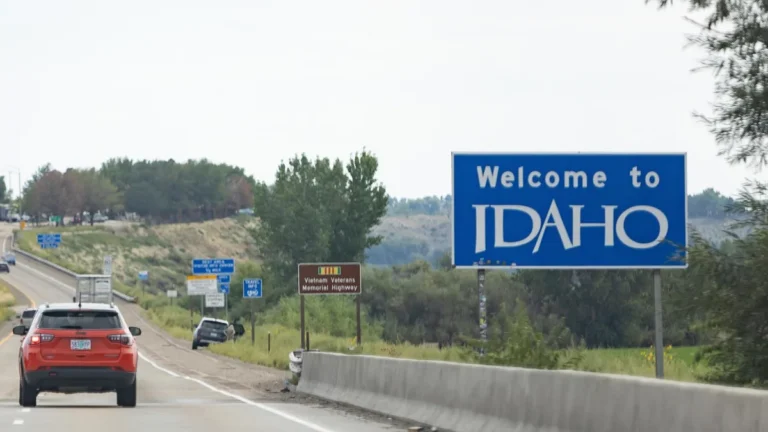
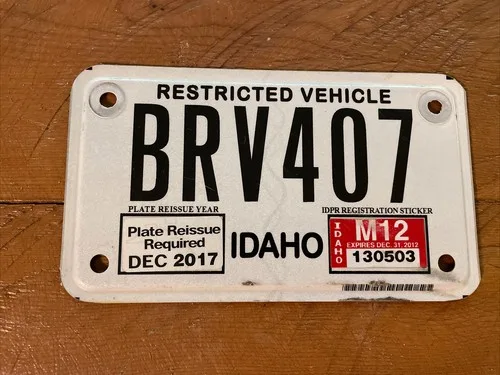
By 2026, Idaho is getting rid of those little registration stickers you've been peeling off your license plate every year. It's a big change for anyone who owns a vehicle in the state, and it affects how you prove your registration is current. The Idaho 2026 removal of registration stickers from license plates means the familiar month and year tags disappear, shifting verification to an electronic system.
This move follows a trend many other states have already adopted. It also eliminates the need to scrape old adhesive off your plate or worry about stolen stickers. As of 2026, your plate will be sticker-free, and your registration status will live in the DMV database.
Here's what you need to know to stay legal and avoid surprises.
Quick Answer
Idaho is eliminating physical registration stickers from license plates in 2026. Your plate will no longer display a decal. Law enforcement will check your registration via a digital database.
You must carry proof of registration in your vehicle. The change starts on January 1, 2026.
Bing (Web (fair-use with source credit))
The Big Change: Idaho Drops Registration Stickers in 2026
If you've ever driven with an expired sticker because you forgot to put the new one on, you know the hassle. Idaho's new system removes that step entirely. Instead of waiting for a sticker in the mail, you'll get a digital confirmation when your renewal goes through.
Your registration is then recorded in the Idaho Transportation Department's database, accessible to law enforcement immediately.
This brings Idaho in line with states like Arizona, Texas, and Mississippi that have already gone sticker-free. The main goal is to cut costs, reduce fraud, and simplify the process. The state estimates it will save hundreds of thousands of dollars annually by not producing and mailing stickers.
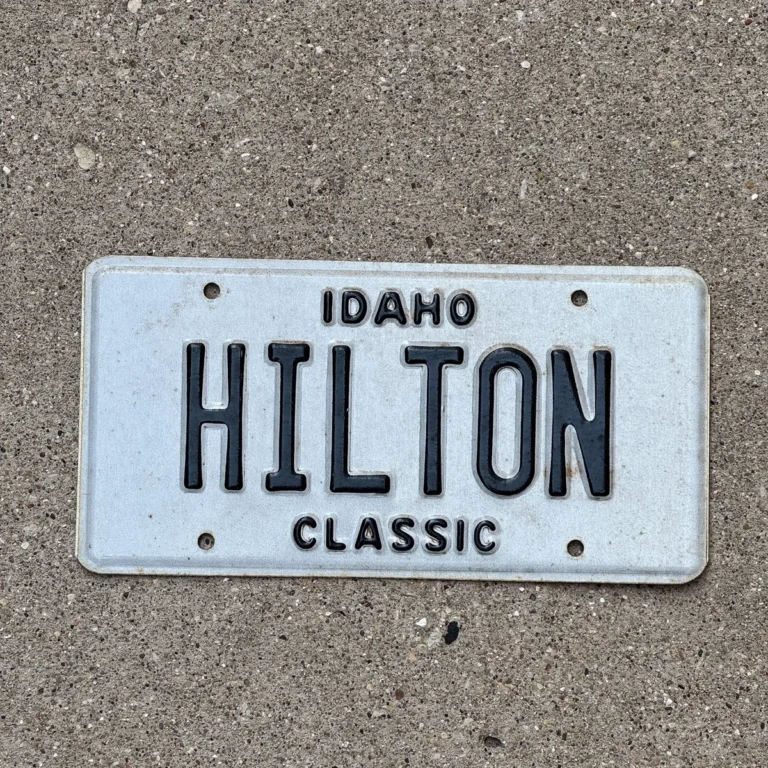
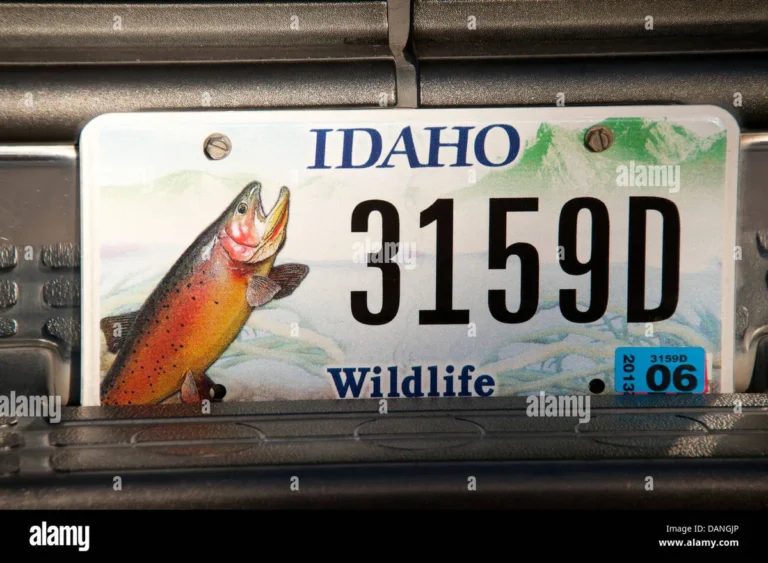
The change also affects the look of your license plate. The sticker window, that little box on the corner, will eventually disappear as plates are reissued. For now, your current plate remains valid until it's replaced.
You just won't add a new sticker to it after 2026.
What's Actually Changing (and When It Takes Effect)
The official start date is January 1, 2026. On that date, the Idaho DMV stops issuing registration stickers for all new renewals. If you renew your registration in 2026 or later, you will not receive a decal to place on your plate.
The sticker on your plate from a prior renewal remains valid through its printed expiration. So a sticker from 2025 that says "2026" is still legal until the month shown.
Here's a quick breakdown of what changes and what stays the same:
| Changes with sticker removal | Stays the same |
|---|---|
| No physical sticker on plate | You still renew annually (or biennially) |
| Digital proof of registration | Registration fees and property tax still due |
| Law enforcement uses database checks | Emissions testing requirements unchanged |
| No need to peel off old stickers | Plate must be clean and readable |
So don't toss your old sticker until its expiration date passes. During the transition year, you might have a plate with an old sticker that's still valid, and the new system will already be in place. The DMV says there will be a grace period for the 2026 renewal cycle to allow for overlap.
How This Affects Your Registration Renewal Process
The way you renew your registration isn't changing much. You'll still use the same online portal, county assessor's office, or mail-in process. You still need to pay your annual registration fee and the municipal property tax on your vehicle.
What changes is what you get back.
Instead of a sticker, you receive a green registration card, either as a printable PDF or a digital document you can show on your phone. The Idaho DMV recommends keeping a paper copy in your glovebox as backup. Some drivers prefer the digital version, but a dead phone battery could leave you without proof if you're stopped.
The renewal confirmation email itself acts as your interim proof until the official card arrives. Print it out and keep it with your insurance card. If you lose the registration card, you can log into the DMV portal and reprint it anytime.
No more waiting weeks for a replacement sticker.
This is also a good time to make sure your address on file with the DMV is current. The state sends renewal reminders by mail, and if they bounce, you could miss the notice and inadvertently let your registration lapse. Keep your address updated through the ITD website.
Pros and Cons of Going Sticker-Free
Every change has upsides and downsides. Here's an honest look at what Idaho's sticker elimination means for you.
Benefits
- No more sticker theft. Stickers were stolen regularly, forcing owners to pay for replacements. That's gone.
- Cleaner plate. No faded, peeling, or half-scraped stickers making your plate look shabby.
- Instant renewal. Once you pay online, your registration is active immediately. No waiting for mail.
- Less waste. No paper, adhesive, or plastic decals to manufacture and dispose of.
- Easy for fleets. Commercial fleet managers can track registration status digitally without inspecting each vehicle.
Drawbacks
- No visible reminder. Without a sticker, you may forget when renewal is due. Set a calendar alert.
- Database errors. If the DMV system has a glitch, your registration might show as expired even if you paid. Keep your receipt.
- Phone dependency. If you use digital proof, a dead battery leaves you stranded during a traffic stop.
- Private sales risk. When buying a used car, you can't just glance at the plate to see if it's current. You need to ask for proof.
- Potential for more tickets. Police may ticket for expired registration that's actually current but not updated in the system yet.
Step-by-Step: Renewing Without a Sticker
The process is straightforward, but there are a few new steps to remember. Here's how to handle your Idaho registration renewal once stickers are gone.
Bing (Web (fair-use with source credit))
- Renew online or in person. Visit the ITD DMV portal or go to your county assessor's office. The steps are identical to what you did before.
- Pay your fees. Include the registration fee plus any municipal property tax and, if you live in Ada or Canyon County, emissions testing verification.
- Receive your confirmation. After payment, you'll get an email receipt with a transaction ID. This serves as your temporary proof of registration for 30 days.
- Save your registration card. A permanent registration card is mailed to you or available for download. Print it out and place it in your vehicle.
- Keep proof in your car. The law requires you to show proof of registration when requested by law enforcement. A paper card or digital version on your phone both count.
- Set a renewal reminder. Since you no longer have a sticker staring at you from the plate, mark your calendar for next year's due date. The DMV will send a reminder, but don't rely solely on that.
If you've already changed your address or updated your contact info, do that before renewing. The DMV uses the address on file to mail your registration card. You can update it online through the ITD website.
One common question: what if I just bought a new vehicle and need plates? The same rules apply. You'll receive plates without stickers and a registration card as proof.
Dealers should handle this in the transaction, but confirm with them before you drive off the lot.
Your Proof of Registration: Digital, Paper, or Both?
Once the stickers disappear, you need a new way to prove your registration is valid. The Idaho DMV gives you two options: a paper registration card or a digital version on your phone.
The paper card works like the one you already get with renewal. It shows your plate number, vehicle details, and expiration date. Keep it in your glove box or with your insurance card.
The digital version is available through the ITD DMV portal. You can download a PDF or show the confirmation email. Both are legally acceptable proof during a traffic stop.
Bing (Web (fair-use with source credit))
Our research suggests carrying both. A dead phone battery won't leave you without proof. And if you lose the paper card, you can log in and reprint it yourself.
No need to request a duplicate from the DMV.
What about private sales? When you sell a vehicle, hand over the current registration card to the buyer. They use that as proof until they register it in their name.
Without a sticker on the plate, the buyer has no visual confirmation. So the paper card becomes the only evidence of current registration. Keep that in mind during any sale.
Common Pitfalls During the Transition Year
The shift from stickers to digital verification doesn't happen overnight. The 2026 transition year creates a few traps you need to watch for.
Pitfall 1: Old stickers still in place. Your 2025 sticker that says "2026" is valid through the month shown on it. But if you renew in 2026, you won't get a new sticker. So your plate may show an expired sticker even though your registration is current.
Law enforcement is trained to check the database for this overlap. But a curious officer might still ask. Keep your registration card handy.
Pitfall 2: Renewal confirmation delays. The DMV system updates your registration immediately after payment. However, some county assessor offices process payments manually. This can create a lag of a few days between when you pay and when your status shows active in the database.
If you get pulled over during that window, the officer may see "expired registration" even though you paid. Always carry your payment receipt for the first few weeks after renewal.
Pitfall 3: Lost in the mail. The DMV will send your registration card by mail. If your address is outdated, that card goes elsewhere. You won't know until you need it.
Make sure your address on file is current before renewal.
Pitfall 4: Confusion over the grace period. The DMV has announced a grace period for the 2026 cycle, but the details aren't fully public yet. Expect some leniency during the first few months. Don't rely on it.
Treat your registration like it's enforced immediately.
What About Emissions Testing and Property Tax? (Idaho's Unique Requirements)
If you live in Ada County or Canyon County, you already deal with biennial emissions testing. The sticker removal does not change that requirement. You still need to pass an emissions test before you renew your registration.
The testing station will still submit your results electronically.
The same applies to Idaho's municipal property tax on motor vehicles. This tax is collected at the time of registration renewal by your county assessor. It varies by county and vehicle value.
The sticker elimination has no effect on how that tax is calculated or paid. You still pay it with your registration fees.
These two items are unique to Idaho compared to many other states. They also complicate renewal because you cannot complete the process online if your emissions test isn't current or if your property tax is unpaid. The DMV portal will flag these issues before you can finalize payment.
So check both before you try to renew.
One more thing: if you've recently moved to Idaho, you need to register your vehicle here within 90 days. You'll need to pay the property tax and, if you're in Ada or Canyon County, get an emissions test. The sticker removal doesn't change the process for new residents.
You'll just get a registration card instead of a decal.
Law Enforcement and Registration Verification on the Road
How will police know your registration is valid without a sticker? The answer is a digital check. Law enforcement vehicles in Idaho are equipped with automatic license plate readers (ALPRs).
These cameras scan your plate and cross reference it against the DMV registration database in seconds.
If your registration is current, the system shows no alert. If it's expired, the officer gets a notification. The same technology is used to check for stolen vehicles and warrants.
It's fast and generally accurate.
But what if you get pulled over for a separate violation? The officer may still ask for proof of registration. That's when you hand over your registration card, whether paper or digital.
If you can't produce it, you could face a citation for failure to provide proof, even if your registration is valid.

Bing (Web (fair-use with source credit))
The key takeaway: don't rely solely on the database. Carry your proof. And remember that ALPRs are not infallible.
Glare, dirt, or a damaged plate can prevent a clean read. If your plate is bent or obscured, clean it or replace it. A readable plate is your first line of defense.
Also note that Idaho's "Move It" law requires you to move your vehicle out of traffic after a minor accident. During that exchange, you and the other driver may need to swap registration information. Without stickers, you both rely on registration cards.
Keep yours accessible, not buried in the trunk.
Expert Advice: Staying Compliant and Avoiding Fines
The shift to sticker free registration simplifies things, but it also shifts responsibility onto you. Here's how to stay ahead.
Set a renewal reminder. Your sticker was a visual cue. Now you need a digital one. Put a recurring reminder on your phone calendar for the month before your registration expires.
The DMV sends a reminder too, but that's a backup, not your primary system.
Keep your registration card current. If you move, update your address with the DMV immediately. Your registration card is mailed to the address on file. If it goes to your old address, you're without proof until you reorder.
Carry both versions. Paper and digital. One failsafe for the other. If your phone dies or your car gets broken into, you have a backup.
Check your renewal date. If you're used to renewing when the sticker fades, you might forget. Know your exact expiration month. Write it down.
Understand the grace period. As of early 2026, the DMV has not published a specific grace period for the transition. Assume zero grace period and renew on time. A late renewal can lead to a fine of $15 to $25 plus back fees.
If you're caught driving with expired registration, the citation is higher.
Verify after renewal. A few days after you pay, check the DMV portal to confirm your registration shows as valid. If it doesn't, contact the county assessor immediately. Keep your payment receipt until the system updates.
If you buy or sell a vehicle. Insist on seeing the current registration card. Without stickers, there is no other visual confirmation. If you're the seller, provide the card to the buyer.
If you're the buyer, confirm the registration is valid before driving away.
Following these steps will keep you in compliance and out of the citation line. The system change is simple, but the details matter.
Frequently Asked Questions
When exactly do stickers stop being issued?
Stickers stop being issued on January 1, 2026. Any renewal processed on or after that date will not include a physical decal.
Do I need to remove my old sticker?
No. Leave your current sticker on the plate until it expires. The DMV will not require you to scrape it off.
Your registration card proves current status.
What if I lose my registration card?
Log into the ITD DMV portal and reprint it. You can also request a duplicate at any county assessor office for a small fee. No need to wait for mail.
Can I show a photo of my registration card on my phone?
Yes. A clear photo of your paper card counts as valid proof. The digital PDF from the DMV portal is also accepted.
Make sure the expiration date is readable.
What happens if the DMV database shows expired but I paid?
Carry your payment receipt or email confirmation. Show it to the officer. Contact the county assessor immediately to correct the database entry.
Most discrepancies resolve within 48 hours.
Does this change affect out of state drivers in Idaho?
No. Out of state vehicles follow their home state rules. Idaho law enforcement checks their registration through national databases.
Idaho residents must follow Idaho rules.
Your Action Plan: What to Do Right Now
You don't need to do anything today if your registration isn't due. But a few small steps now will save headaches later.
Update your address with the DMV. Do this online through the ITD website. Your registration card goes to the address on file. If it's wrong, you won't get proof.
Set a calendar reminder for your renewal month. No more sticker on the plate means no visual cue. A phone alert or paper calendar works fine.
Decide your proof method. Will you carry a paper card in the glovebox? Keep a digital PDF on your phone? Both? Pick one and make it a habit.
Check your emissions status if you live in Ada or Canyon County. You need a passing test before renewal. Schedule it early to avoid delays.
Keep your next renewal receipt. Whether you renew online or in person, save the confirmation email. It covers you during any database lag.
Clean your license plate. A readable plate helps the ALPR system verify you instantly. Dirt, snow, or a bent plate can cause false expired reads.
That's it. The system changes, but the responsibility stays yours. Register on time.
Carry proof. Drive legal.