Black Friday deals are live on Amazon · limited-time discounts, grab them before they’re gone
Grab the deals

ByMax Lee
How to Make Car Wash Soap: Easy DIY Recipe for a Sparkling Shine
A clean car does not require a complicated formula, but it does require the right balance of lubrication, dilution, and washing technique. The safest homemade car wash solution is a mild emergency cleaner made with water and a small amount of gentle liquid soap. It is suitable for occasional use when you do not have automotive shampoo available—not a replacement for a pH-neutral car wash product used regularly.
Avoid adding vinegar, baking soda, salt, or oils to the wash bucket. These ingredients can leave residue, reduce lubrication, affect wax or sealants, or increase the risk of scratching the finish. The washing method matters just as much as the recipe. You can also read our guide on how to do a car wash for fundraising.
The Best DIY Car Wash Soap Recipe
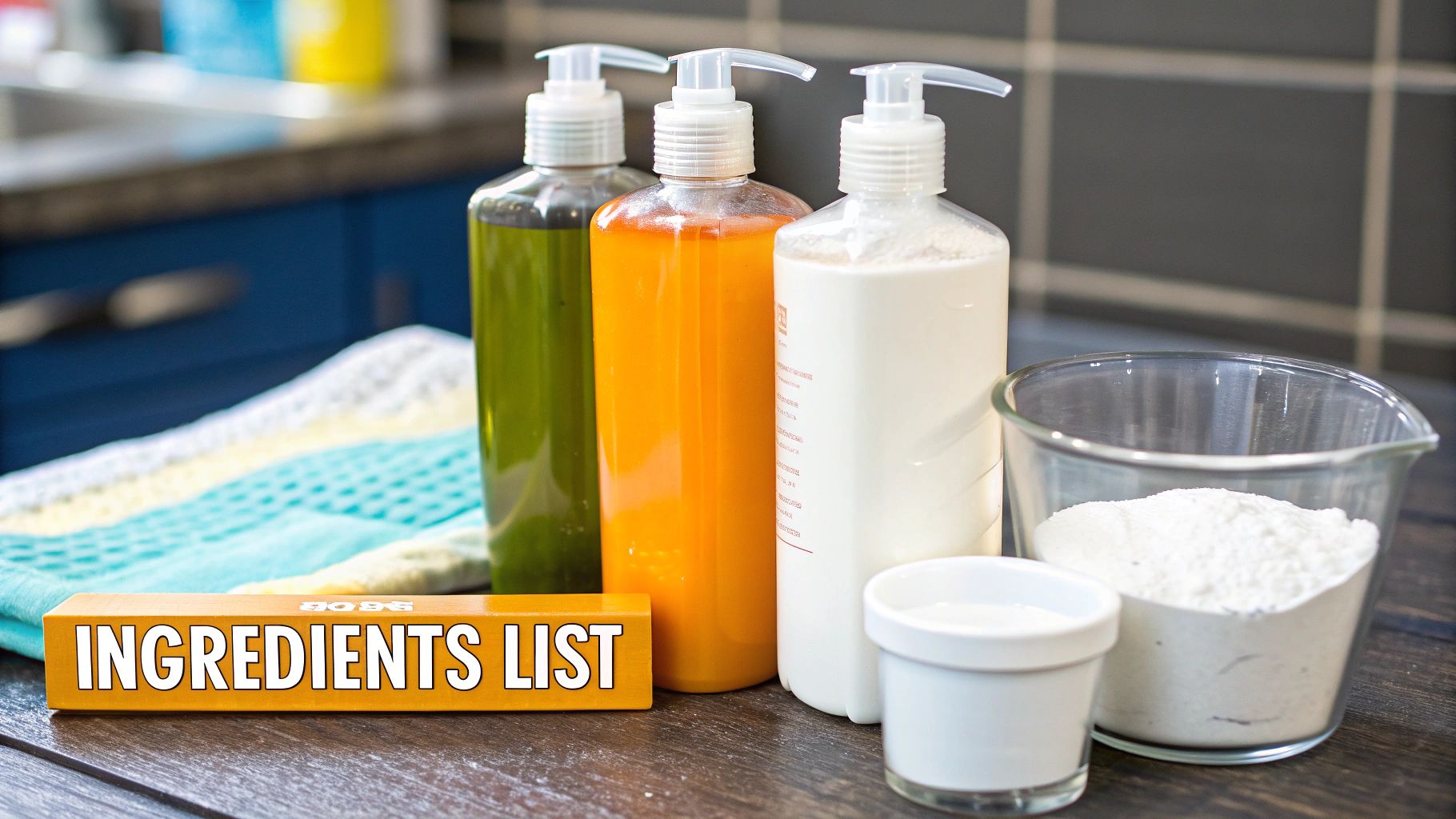
Ingredients
For one normal bucket of wash solution, use:
- 4 gallons of cool or lukewarm water
- 1 to 2 teaspoons of mild, fragrance-free liquid soap
- A clean wash bucket
- A soft microfiber wash mitt
- A separate rinse bucket, preferably with a grit guard
- A hose or pressure washer for rinsing
- Several clean, absorbent microfiber drying towels
Use the smallest amount of soap that creates light suds. More soap does not automatically mean more cleaning power. Excess detergent can leave a film, make rinsing harder, and strip protection from the paint.
What Type of Soap Is Acceptable?
For occasional use, choose a mild liquid soap without bleach, ammonia, solvents, degreasers, abrasive particles, or added moisturising oils. A small amount of plain baby shampoo is sometimes used as an emergency substitute, but it is not engineered for automotive paint and may leave residue. You can also read our guide on best car wash soap for tesla.
A purpose-made, pH-balanced car shampoo remains the better choice for frequent washing because it is designed to provide lubrication while helping preserve waxes, sealants, and ceramic coatings. If your vehicle has a matte, satin, wrapped, or specially coated finish, follow the manufacturer’s care instructions instead of experimenting with a homemade mixture.
Why the Original Vinegar-and-Baking-Soda Formula Is a Bad Idea
Vinegar and baking soda are popular household cleaning ingredients, but they do not improve a car wash mixture.
- Vinegar is acidic. It may help dissolve mineral deposits when used carefully as a spot treatment, but it can affect waxes and may etch a finish if it dries on the vehicle.
- Baking soda is alkaline and mildly abrasive. It can leave residue and is not needed for ordinary road dust.
- Mixing vinegar and baking soda neutralises both ingredients. The fizz looks active, but the reaction largely produces water, carbon dioxide, and a salt solution rather than a superior car cleaner.
- Dishwashing detergent is highly degreasing. A single diluted wash is unlikely to destroy sound automotive paint, but repeated use can remove wax and reduce the slick feel of the finish.
The practical rule is simple: use mild soap only in an emergency, and use dedicated car shampoo for routine maintenance. You can also read our guide on can i wash my car with dawn dish soap.
How to Make the Solution
- Clean the bucket first. Grit left at the bottom can transfer to your mitt and scratch the paint.
- Add 4 gallons of water. Cool or lukewarm water is easier on the finish and your hands than hot water.
- Measure the soap carefully. Add 1 teaspoon first, then add another teaspoon only if the solution has almost no lubrication.
- Pour the soap into the water. Adding water first reduces concentrated detergent splashing onto the paint.
- Stir gently. Swirl the water with your hand or mitt rather than whipping it into excessive foam.
- Prepare a second bucket. Fill it with clean rinse water if you are using the two-bucket method.
- Use the mixture immediately. Do not store diluted wash water in a sealed bottle; it can become contaminated and is difficult to remix consistently.
For a safer, repeatable routine, follow this paint-safe bucket setup so dirt is rinsed from the mitt before it returns to the wash solution.
How to Wash Your Car Without Scratching It
1. Choose the right conditions
Wash in the shade, on a cool surface, and preferably when there is little wind. Direct sunlight can dry soap and rinse water before you have time to remove them. Do not wash immediately after driving if the hood, roof, wheels, or brakes are still hot. You can also read our guide on best homemade soap for car wash top picks for a sparkling shine.
2. Rinse loose dirt first
Use a hose or pressure washer to remove loose sand, mud, salt, and grit. Keep a pressure washer at a safe distance and avoid forcing water into door seals, wheel bearings, electrical connectors, or damaged paint.
3. Wash from the top down
Start with the roof, glass, and upper doors. Move to the hood, trunk, lower doors, bumpers, and rocker panels last. The lowest panels usually carry the heaviest grit. You can also read our guide on best car wash for foam gun.
Work in small sections using straight passes rather than circular scrubbing. Rinse the mitt in the clean-water bucket after each panel, then reload it with soap.
4. Use separate tools for dirty areas
Keep one mitt for painted panels and separate brushes or mitts for:
- Wheels and tyres
- Wheel arches
- Exhaust tips
- Lower rocker panels
- Engine-bay components, if appropriate
Brake dust and road grit can cause fine scratches when the same mitt is used on both wheels and paint.
5. Rinse thoroughly
Rinse from the roof downward until no slippery or foamy residue remains. Pay attention to mirrors, grille openings, door handles, trim gaps, and the area around the licence plate. You can also read our guide on best car wash soap for matte paint top picks for gentle cleaning.
6. Dry instead of air-drying
Use a clean, plush microfiber drying towel. Lay it on the panel and gently pull it across the surface, or blot rather than scrub. A vehicle that air-dries in hard-water conditions may develop mineral spotting.
A small compressed-air setup for tyres can also help blow water from mirrors, badges, grilles, and panel gaps. Use low pressure around delicate trim and never direct air at damaged seals.

Use a clean microfiber mitt and light pressure to lift dirt from the paint.
Credit: www.youtube.com
How Much DIY Soap Should You Use?
The correct amount depends on the soap’s concentration, but a useful starting point is:
| Water volume | Mild liquid soap |
|---|---|
| 2 gallons | ½–1 teaspoon |
| 4 gallons | 1–2 teaspoons |
| 5 gallons | 1–2 teaspoons |
The mixture should feel slippery, not thick or greasy. If the wash water looks cloudy, leaves streaks, or requires repeated rinsing, reduce the soap next time.
Do not pour concentrated soap directly onto dry paint. A concentrated spot can dry unevenly and may attract more dirt.
What Not to Add to Homemade Car Wash Soap
Vinegar
Do not add vinegar to the whole bucket. If mineral spots are already present, a properly diluted acidic spot treatment may be useful on suitable surfaces, but it should be applied briefly, kept off unprotected sensitive materials, and rinsed completely. Never let it dry in the sun.
Baking soda
Baking soda is unnecessary for road film and can leave an alkaline residue. Its mild abrasiveness also makes it a poor choice for clear coat.
Salt
Salt does not improve cleaning and can contribute to corrosion if residue remains in seams, underbody areas, fasteners, or brake components.
Olive oil or other cooking oils
Oil can create a greasy film that attracts dust and may contaminate glass, rubber, plastic trim, and wiper blades. It does not provide durable paint protection.
Essential oils
Essential oils add fragrance but do not improve cleaning. Some are oily or concentrated enough to affect plastics, rubber, or coatings.
Bleach, ammonia, or strong degreasers
These products can damage trim, rubber, coatings, wax, and interior materials. They also create unnecessary chemical exposure and should not be used in a general car wash mixture.
Homemade Soap for Different Vehicle Surfaces
Clear-coated paint
Use a diluted mild soap and minimal pressure. Clear coat is transparent, but it is not scratch-proof. Fine marks usually come from grit trapped in a sponge, brush, or towel.
Matte or satin paint
Avoid polishing products, waxes that add gloss, abrasive cleaners, and household experiments. Wash gently with a product approved for matte finishes and do not spot-test an unknown mixture on a visible panel.
Vinyl wraps and paint protection film
Use a mild, non-abrasive solution and soft microfiber tools. Avoid harsh solvents and aggressive pressure around film edges. If the vehicle has a warranty, check its cleaning requirements first.
Ceramic coatings and sealants
A mild emergency wash may be acceptable, but repeated use of household detergent can reduce the water behaviour and slickness that make these coatings easier to maintain.
Tinted windows
Keep strong cleaners and concentrated soap off window edges and rubber seals. A careful approach to tinted glass helps prevent residue and reduces the chance of lifting or stressing film at the edges.
Washing Wheels, Tyres, and the Undercarriage
Wheels require a separate process because brake dust can be abrasive. Rinse them first, use a dedicated wheel mitt or brush, and wash them before the painted body if they are heavily soiled. Never use a wheel brush on the body afterward.
For road salt or mud, rinse the underbody with clean water rather than directing concentrated detergent into every opening. Avoid spraying directly into electrical connectors, wheel hubs, air intakes, and damaged underbody panels.
After winter driving or muddy trips, a sensible rinse is more valuable than adding harsher chemicals. If you are cleaning underneath the vehicle, avoid striking or aggressively spraying components associated with the exhaust and emissions system; proper identification matters when protecting underbody emissions components.
Water Use and Runoff
Car wash water can carry detergent, oil, brake dust, tyre residue, and heavy metals into storm drains. A driveway wash may send that mixture directly into local waterways rather than through a treatment system.
Where possible:
- Wash on a permeable surface such as gravel or grass, where appropriate.
- Use a commercial wash bay that captures or treats wastewater.
- Use a shutoff nozzle instead of leaving the hose running.
- Apply only enough soap to clean the vehicle.
- Keep dirty runoff away from storm drains.
- Follow local restrictions during droughts or water shortages.
The U.S. Environmental Protection Agency’s stormwater guidance explains why preventing polluted runoff matters. Local rules can be stricter, so check municipal guidance before washing on a street or near a drain.
Common Mistakes That Cause Swirl Marks
Using one sponge for the entire vehicle
A sponge can hold grit against the paint. A microfiber mitt that is rinsed frequently is safer.
Scrubbing dry dirt
Never try to remove dry mud or sand with a dry towel. Rinse first and allow water to loosen the contamination.
Washing in circles with heavy pressure
Pressure pushes particles across the surface. Light, straight passes reduce the distance that grit travels.
Letting soap dry
Dried soap can leave streaks and mineral deposits. Work in small sections and rinse promptly.
Using an old towel
Fabric softener, trapped grit, or worn fibres can make a towel unsafe for paint. Keep drying towels separate from household cleaning cloths.
Neglecting the final rinse
Residue often remains around badges, mirrors, trim, and door jambs. Flush those areas before drying.
How Often Should You Wash?
Wash when the vehicle has visible road film, bird droppings, tree sap, salt, or heavy dust. Bird droppings and insect remains should be removed promptly because they can mark the finish.
A regular maintenance wash is usually gentler than waiting until dirt bonds tightly to the paint. However, frequency depends on climate, parking conditions, driving habits, road salt, and whether the vehicle is protected by wax, sealant, or a coating.
After a long trip, check the front bumper, mirrors, windscreen, wheel arches, and lower doors first. Those areas collect contamination fastest. A vehicle prepared for a mountain trip should also have clean glass and lights; reviewing road-trip vehicle requirements can help identify other preparation items.
Frequently Asked Questions
Can I use dish soap to wash my car?
You can use a very small amount of mild dish soap as an occasional emergency substitute, but it is not the best routine cleaner. Dish soap is designed to remove food grease, so repeated use can strip waxes and leave the finish less protected. Use pH-neutral automotive shampoo whenever possible.
Is vinegar safe for car paint?
Vinegar should not be added to a normal wash bucket. It may help with isolated mineral deposits when properly diluted and used briefly, but it can affect wax, dry on paint, and damage some nearby materials. Rinse thoroughly and do not use it as a general-purpose shine additive.
Is baking soda good for washing a car?
No. Baking soda provides little benefit for ordinary road dirt and may leave residue. Because it is mildly abrasive, it is not a sensible choice for clear-coated paint.
Can I use homemade car soap on a ceramic coating?
A diluted mild soap may be acceptable for a one-time wash, but the coating manufacturer’s instructions should take priority. For regular maintenance, use a compatible pH-neutral shampoo so the coating’s water-repellent behaviour and surface feel are not unnecessarily reduced.
Can I store homemade car wash soap?
It is better to mix only what you need for one wash. Diluted soap can become contaminated, separate, or develop an unpleasant odour during storage. Keep concentrated products in their original labelled containers and out of reach of children and pets.
Why does my car look streaky after washing?
Common causes include too much soap, hard-water minerals, washing in direct sun, incomplete rinsing, or a dirty drying towel. Rewash a cool panel with clean water, dry it with a fresh microfiber towel, and reduce the soap concentration next time.
What is the safest way to wash a car with heavy mud?
Rinse thoroughly before touching the paint. Let water soften the mud, work from the top down, and rinse the mitt repeatedly. Do not scrub dry mud, and use separate tools for the wheels and lower body.
Final Takeaway
A safe DIY car wash solution is deliberately simple: 4 gallons of water and only 1 to 2 teaspoons of mild liquid soap. Skip vinegar, baking soda, salt, oils, and harsh cleaners. The real protection comes from rinsing loose grit first, using clean microfiber tools, washing from top to bottom, and drying before mineral spots form.
For regular washing, choose a pH-neutral automotive shampoo. For an occasional emergency wash, this carefully diluted mixture can clean the vehicle without unnecessary additives—provided you use light pressure and a paint-safe technique.








