ByMax Lee
Kansas $52.25 Auto Registration Fee for Heavy Vehicles
Bing (Web (fair-use with source credit))
If you own a heavier passenger vehicle in Kansas, you’ve likely heard about the Kansas $52.25 annual registration fee for automobiles over 4500 pounds. This isn’t a penalty, it’s a standard fee tied to your vehicle’s weight class. The rule applies to any passenger vehicle tipping the scales at 4,500 lbs or more, and it’s non-negotiable.
As of 2026, the fee remains fixed at $52.25, regardless of how much over the threshold your vehicle weighs. The key is knowing whether your SUV, truck, or van actually meets that weight requirement.
Quick Answer
The Kansas $52.25 annual registration fee applies to passenger vehicles over 4,500 lbs. It’s a flat rate, not prorated. The weight is based on the manufacturer’s GVWR.
This fee is separate from other possible county or local charges.
Does the $52.25 Kansas Registration Fee Apply to Your Vehicle?
This fee kicks in if your vehicle’s Gross Vehicle Weight Rating (GVWR) is 4,500 lbs or higher. GVWR is the maximum weight your vehicle can safely carry, including passengers and cargo, as set by the manufacturer. You’ll find this number on your vehicle’s title, registration documents, or the driver’s side door jamb sticker.
If your vehicle is under 4,500 lbs GVWR, you’ll pay a lower fee. If it’s over, the $52.25 rate applies, no exceptions for personal use. Commercial vehicles follow a different fee structure, so this rule is passenger-only.
How Kansas Determines Your Registration Fee by Weight
Kansas uses GVWR, not curb weight or actual loaded weight. Curb weight is how much the vehicle weighs empty, while GVWR includes the max safe load. The state doesn’t weigh your vehicle at registration, it relies on the manufacturer’s rating.
Here’s how it breaks down:
| Vehicle Weight Class | Annual Registration Fee |
|---|---|
| Under 4,500 lbs GVWR | Lower tier (varies by county) |
| 4,500 lbs or over GVWR | $52.25 flat rate |
This system keeps things simple. You won’t pay extra if your vehicle is 5,000 lbs or 7,000 lbs, the fee stays the same.
The 4,500-Pound Threshold: What It Really Means
The 4,500-pound cutoff isn’t arbitrary. It’s the point where Kansas classifies a vehicle as "heavy" for registration purposes. Many full-size SUVs, trucks, and vans exceed this limit, even if they don’t look like commercial vehicles.
Wikimedia Commons / USDA
Check your GVWR in one of these places:
- The vehicle title (usually listed under "GVWR" or "Gross Vehicle Weight")
- The driver’s side door jamb sticker (look for "GVWR" or "Max Load")
- The owner’s manual (under specifications)
If you’re unsure, your local county treasurer’s office can confirm based on your VIN.
Passenger vs. Commercial Vehicles: Why the Difference Matters
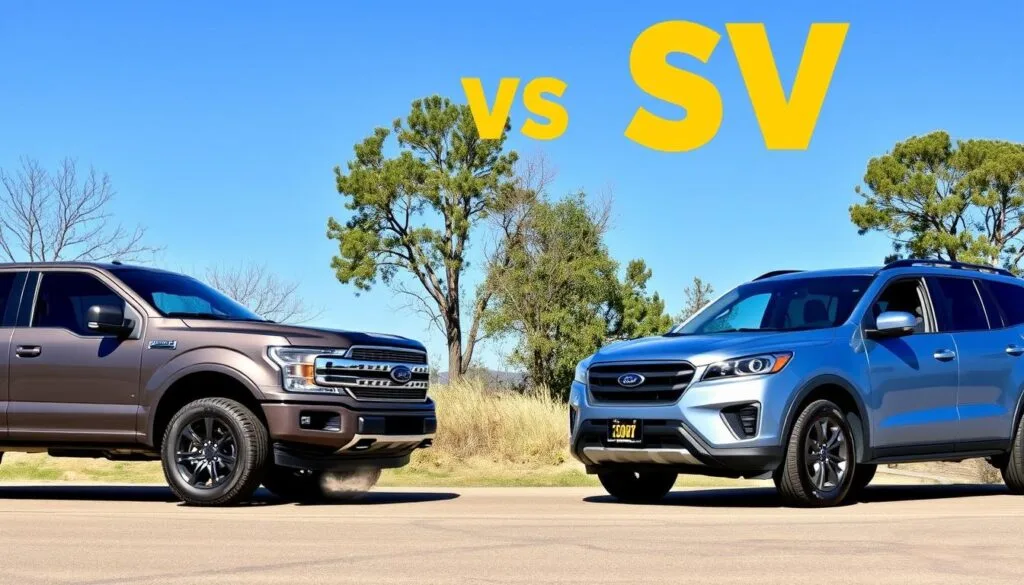
Passenger vehicles and commercial vehicles follow different rules. The $52.25 fee applies only to passenger vehicles over 4,500 lbs. Commercial vehicles (like box trucks, semi-tractors, or business-labeled vans) have their own fee schedules, often based on weight, usage, or business type.
Bing (Web (fair-use with source credit))
Here’s the quick test:
- Passenger vehicle: Used for personal transport (even if it’s a large SUV or pickup). Pays the $52.25 fee if over 4,500 lbs.
- Commercial vehicle: Used for business, hauling, or commercial purposes. Follows Kansas Department of Revenue commercial vehicle fees.
If your vehicle is registered under a business name or used for work, it’s likely commercial. Double-check with the Kansas DMV if you’re on the fence.
Step-by-Step: How to Check if Your Vehicle Qualifies
First, locate your vehicle’s GVWR. It’s printed on the driver’s side door jamb sticker or in the owner’s manual. If you can’t find it, your county treasurer’s office can pull it from your VIN.
Next, compare that number to 4,500 lbs. If it’s equal to or higher, the $52.25 fee applies. If it’s lower, you’ll pay the standard passenger vehicle rate.
How to Register and Pay the Fee in Kansas
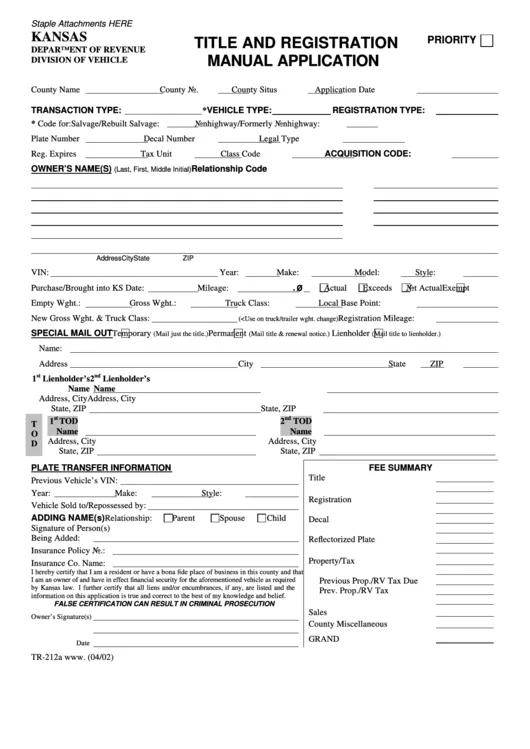
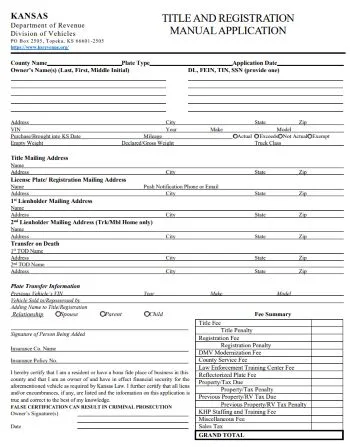
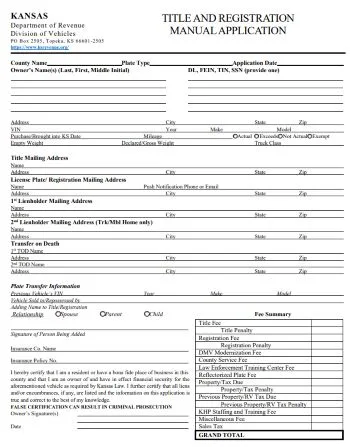
You can register in person at your county treasurer’s office, by mail, or online if your county offers it. Bring your title, proof of insurance, and payment for the $52.25 fee plus any county-specific charges.
Bing (Web (fair-use with source credit))
Online renewals are the fastest option. Just enter your VIN and plate number on the Kansas DMV portal. The system will auto-calculate your fee based on GVWR.
Common Mistakes That Lead to Overpaying or Fines
Using curb weight instead of GVWR is the top error. Curb weight ignores passengers and cargo, so it’s always lower. Another mistake is assuming the fee is prorated, it’s not.
Missing the registration deadline triggers late fees. Kansas doesn’t send reminders, so mark your calendar. Paying the wrong fee can also delay your registration.
What Happens If You Ignore the Fee
Driving with an expired registration can lead to a traffic citation. The fine starts at $60 and increases the longer you wait. Law enforcement can also impound your vehicle if registration lapses for too long.
You’ll still owe the $52.25 fee plus late penalties. The sooner you pay, the lower the extra cost. Some counties add their own penalties on top of the state fee.
Kansas Registration Fees for Vehicles Under 4,500 Pounds
Vehicles under 4,500 lbs GVWR pay a lower base fee. The exact amount varies by county but is typically between $30 and $40. Electric and hybrid vehicles may have additional surcharges.
Here’s a quick comparison:
| Vehicle Type | Fee |
|---|---|
| Under 4,500 lbs GVWR | $30–$40 (county-based) |
| Over 4,500 lbs GVWR | $52.25 flat rate |
| Electric vehicles | Base fee + $50–$100 |
FAQs About the $52.25 Kansas Registration Fee
Does the $52.25 fee apply to all vehicles over 4,500 lbs?
No. It only applies to passenger vehicles over 4,500 lbs GVWR. Commercial vehicles follow a different fee structure.
How do I find my vehicle’s GVWR?
Check the driver’s side door jamb sticker or your owner’s manual. It’s also listed on your vehicle title.
Can I pay the fee online?
Yes, if your county offers online registration. Visit the Kansas DMV portal to check eligibility.
What if I register late?
You’ll owe the $52.25 fee plus late penalties. The fine starts at $60 and increases over time.
Does the fee change if my vehicle is heavier?
No. The $52.25 rate is flat for all passenger vehicles over 4,500 lbs, regardless of exact weight.