ByMax Lee
American Samoa Commercial Vehicle Registration & Weight
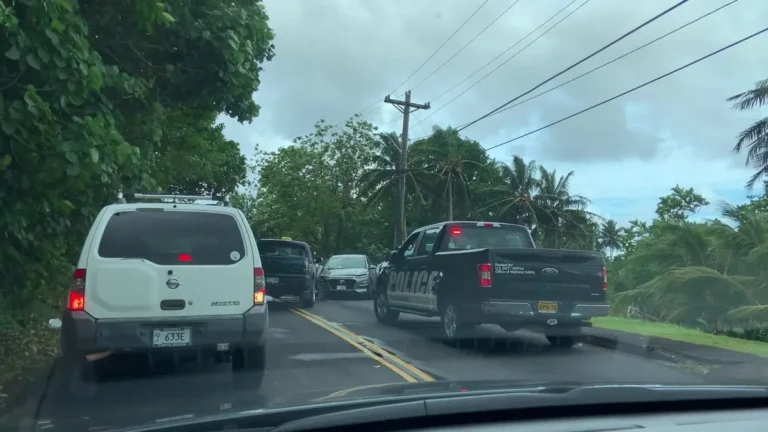
YouTube / Ronald Borja (YouTube thumbnail (fair-use with source credit))
If you operate a commercial vehicle in American Samoa, getting the registration and weight limits wrong can cost you thousands in fines or even shut down your business. American Samoa commercial vehicle registration and weight restrictions follow territorial law, not federal or mainland US rules, so what works in Hawaii or California won’t fly here.
The baseline is clear: single axle limits typically cap at 20,000 lbs, and gross vehicle weight often maxes out at 80,000 lbs for standard configurations. But the specifics depend on your vehicle class, intended use, and whether you’re hauling oversize loads.
Quick Answer
American Samoa commercial vehicle registration and weight restrictions are governed by territorial law. You must register through the Department of Public Safety Motor Vehicle Division. Single axle weight limits are generally 20,000 lbs.
Gross vehicle weight often caps at 80,000 lbs. Overweight loads require special permits.
Why Commercial Vehicle Registration & Weight Limits in American Samoa Are Non-Negotiable
Operating without proper registration or exceeding weight limits isn’t just a paperwork issue. Territorial enforcement is strict, and fines can escalate quickly if you’re caught with an unregistered vehicle or an overweight load. As of 2026, the American Samoa Department of Public Safety actively monitors compliance at weigh stations and during routine traffic stops.
Beyond fines, non-compliance can lead to impoundment, suspended operations, or even legal liability if an accident occurs. Insurance claims may also be denied if your vehicle wasn’t properly registered or permitted.
The Two Core Systems You’re Dealing With
American Samoa’s rules split into two key areas: registration and weight restrictions. Registration is handled by the American Samoa Department of Public Safety Motor Vehicle Division, which issues plates, decals, and permits.
Weight restrictions are enforced by territorial traffic laws, with limits set for axles, gross weight, and sometimes vehicle dimensions. These systems don’t always align with federal standards. For example, while the Federal Highway Administration sets national weight limits, American Samoa’s territorial code can impose stricter or more lenient rules depending on local infrastructure.
Always defer to territorial law when operating locally.
American Samoa’s Commercial Vehicle Registration: Step by Step
Start by gathering the required documents: proof of ownership (title or bill of sale), valid insurance, and a completed application form. The American Samoa DPS Motor Vehicle Division provides the forms, which you’ll need to fill out accurately to avoid delays.
YouTube / California DMV (YouTube thumbnail (fair-use with source credit))
Next, schedule an inspection if required. Some commercial vehicles, especially those over a certain weight or used for specific purposes, must pass a safety inspection before registration.
Fees vary by vehicle type and weight class. Light commercial vehicles typically pay less than heavy-duty trucks, and temporary registrations may have different pricing. As of 2026, the fee schedule is posted at the DPS office and should be confirmed before submission.
Once approved, you’ll receive your plates, decals, and registration documents. Keep these in the vehicle at all times, territorial law requires proof of registration to be available during operation.
Weight Restrictions You Can’t Ignore (And How They’re Enforced)
American Samoa enforces weight limits at territorial weigh stations, which are strategically placed along major routes. Single axle limits are generally 20,000 lbs, tandem axle limits are often 34,000 lbs, and gross vehicle weight typically caps at 80,000 lbs for standard configurations. Exceeding these can result in immediate fines or mandatory offloading.

YouTube / Big Truck Lovers (YouTube thumbnail (fair-use with source credit))
Enforcement is consistent, and officers use certified scales to verify compliance. If your vehicle is over the limit, you may be required to obtain an overweight permit before proceeding. These permits are issued by the DPS and often come with specific route restrictions or time-of-day limitations.
CDL vs. Non-CDL: When You Need a Commercial License in American Samoa
The line between a standard license and a commercial driver's license (CDL) isn't always clear. In American Samoa, you need a CDL if you operate a vehicle with a gross vehicle weight rating (GVWR) of 26,001 lbs or more, a vehicle designed to transport 16 or more passengers, or any vehicle hauling hazardous materials requiring placards.
YouTube / AmSamFam (YouTube thumbnail (fair-use with source credit))
A non-CDL commercial license covers lighter vehicles used for business purposes. This includes delivery vans, small trucks, and utility vehicles under the 26,001 lbs threshold.
Getting the classification wrong can result in operating without a valid license. That's a serious offense that can lead to fines, vehicle impoundment, or criminal charges.
Permits for Oversize or Overweight Loads
Standard weight limits don't cover every situation. If your cargo exceeds the normal restrictions, you'll need a special permit from the territorial authorities. These permits are issued on a case-by-case basis and often come with specific conditions.
YouTube / WCS Permits (YouTube thumbnail (fair-use with source credit))
Overweight permits typically require you to pay fees based on how much you exceed the limit. They may also restrict which routes you can use, what times of day you can travel, and whether you need an escort vehicle.
Oversize permits address width, height, or length that goes beyond standard dimensions. A load wider than 8 feet 6 inches or taller than 13 feet 6 inches usually needs special authorization. Always apply well in advance, as processing can take several business days.
Costs & Fees: What You’ll Pay by Vehicle Type
Registration fees in American Samoa vary by vehicle classification and weight class. Light commercial vehicles under 10,000 lbs typically pay the lowest rates. Heavier trucks and combination vehicles fall into higher fee tiers.
| Vehicle Class | Estimated Fee Range | Weight Threshold |
|---|---|---|
| Light Commercial | $150 to $300 | Under 10,000 lbs |
| Medium Commercial | $300 to $600 | 10,000 to 26,000 lbs |
| Heavy Commercial | $600 to $1,200+ | Over 26,000 lbs |
Temporary registrations cost less but are only valid for a limited period. They're useful for vehicles that need to operate while permanent paperwork is being processed.
Permit costs are separate from registration. An overweight permit might run from $50 to several hundred dollars depending on the severity. Oversize permits can cost even more, especially if they require route surveys or traffic control measures.
Common Mistakes That Trigger Fines (or Worse)
The most frequent mistake is assuming federal rules apply. American Samoa has its own territorial motor vehicle code, and it doesn't always match what you're used to on the mainland. Following California or Hawaii DMV procedures won't protect you here.
YouTube / Navtej Athwal (YouTube thumbnail (fair-use with source credit))
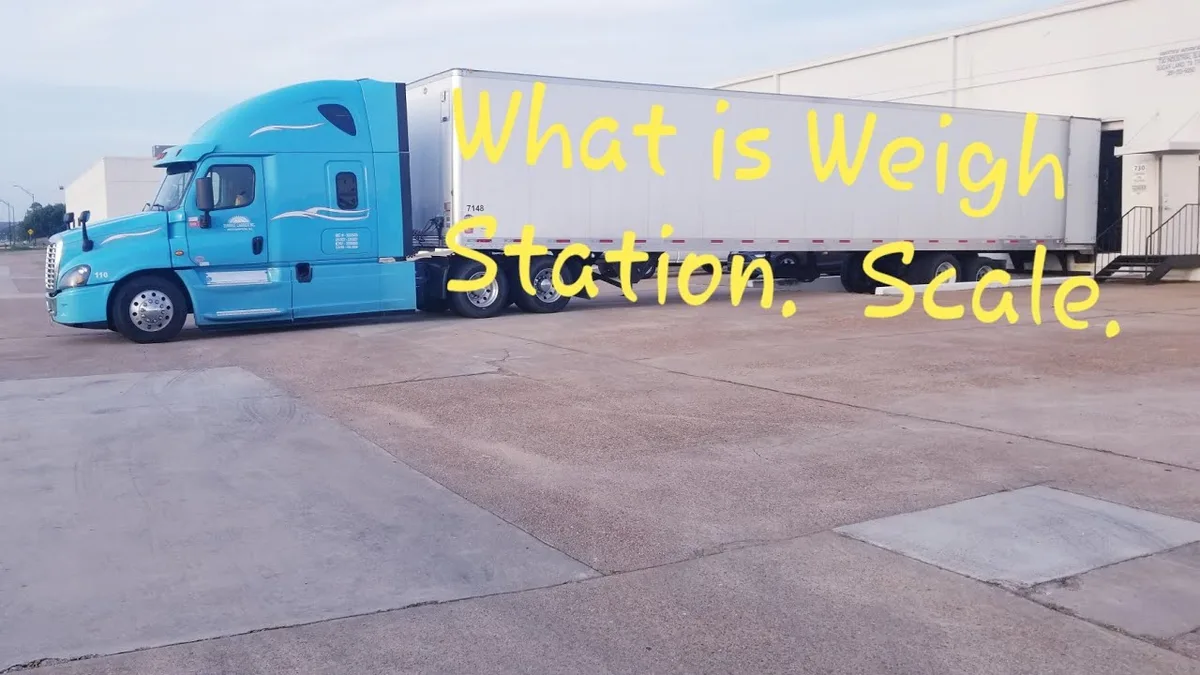
Another common error is ignoring weight distribution. Even if your total weight is under the limit, uneven loading can exceed axle restrictions. Officers at weigh stations check individual axle weights, not just the gross total.
Expired registration is a third frequent violation. Some operators assume a few days' grace period applies. It doesn't.
Operating with expired plates is a strict liability offense, and fines increase the longer you're out of compliance.
Missing permit requirements before hauling an oversized load is equally costly. Officers don't accept "I didn't know" as a defense.
How American Samoa Differs from the US Mainland & Other Territories
The biggest difference is jurisdictional. American Samoa is a US territory with its own territorial government and motor vehicle code. It's not subject to the same state-level variations you'd see moving between California and Texas.
Registration timelines differ too. Mainland states often allow online renewals and quick in-person processing. American Samoa requires more in-person interaction, and online systems are limited.
Weight enforcement philosophy also varies. Some mainland states use static scales for random checks. American Samoa relies more heavily on traffic stops and visible weigh stations.
Compared to other territories like Guam or Puerto Rico, American Samoa maintains stricter oversight of commercial operations. This reflects the territory's smaller road network and limited infrastructure capacity.
Where to Go & Who to Ask (Official Contacts)
The primary office is the Department of Public Safety Motor Vehicle Division in Pago Pago. This is where you'll handle most registration, licensing, and permitting needs. Their official contact information is listed on the American Samoa Government website.
For weight and oversize permit questions, the DPS office is your starting point. They'll direct you to the appropriate department or provide the necessary forms directly.
Keep contact details handy. Processing times can vary, and having the right phone number or office location saves time when you need quick clarification.
Frequently Asked Questions
Can I register a commercial vehicle online in American Samoa?
Most registrations require an in-person visit to the DPS Motor Vehicle Division. Limited services may be available online, but heavy commercial vehicles generally need face-to-face processing for inspection and document verification.
How much does a commercial vehicle weight limit exceed cost in fines?
Fines vary by severity. Minor overweight violations can cost hundreds of dollars. Excessive violations, especially those risking infrastructure damage, can reach thousands.
Officers also require immediate offloading at your expense before you can proceed.
Do I need a CDL for a box truck in American Samoa?
It depends on the truck's GVWR. If the box truck rates under 26,001 lbs, a standard license with proper commercial endorsement usually suffices. Anything at or above that threshold requires a CDL.
How long does a permit application take to process?
Standard processing takes two to five business days. Rush permits may be available for an additional fee. Always apply before you need to haul, not after you're already planning the trip.
What happens if I'm caught operating without commercial registration?
The vehicle can be impounded immediately. You'll face fines that escalate with each day of non-compliance. Insurance companies may also deny claims for accidents involving unregistered commercial vehicles.
Are weight limits enforced on all roads in American Samoa?
Territorial weight limits apply on all public roads. Some rural routes have additional restrictions due to bridge weight ratings. Check with local authorities if you're hauling to remote areas outside the main highway network.