ByMax Lee
American Samoa Disabled Parking Permit Guide
YouTube / California DMV (YouTube thumbnail (fair-use with source credit))
Getting a disabled person parking permit in American Samoa can feel overwhelming. You want proper parking access for your vehicle. The American Samoa disabled person parking permit application and renewal process requires specific steps and medical documentation.
This guide walks you through everything you need to know.
Permits in American Samoa follow federal ADA guidelines and local territorial regulations. Temporary permits last up to six months. Permanent permits are valid for up to four years.
Here's exactly how to qualify and apply for the right permit.
Quick Answer
To apply for a disabled parking permit in American Samoa, you need a medical certification from a licensed physician. Submit your application to the Department of Public Safety in Pago Pago. Temporary permits are valid for six months.
Permanent permits last four years. You'll need proof of identity and a completed application form.
Do You Qualify for a Disabled Parking Permit in American Samoa?
Qualifying for a disabled parking permit depends on your mobility limitations. You must have a physical condition that substantially limits your ability to walk. The condition must be documented by a licensed medical professional.
Who Qualifies for a Permanent Permit
You qualify for a permanent disabled parking permit if you meet any of these criteria:
- You cannot walk 100 feet without resting
- You use assistive devices like crutches, canes, or wheelchairs
- You have a cardiac condition that limits walking to less than one block
- You have lung disease that makes walking extremely difficult
- You are permanently confined to a wheelchair
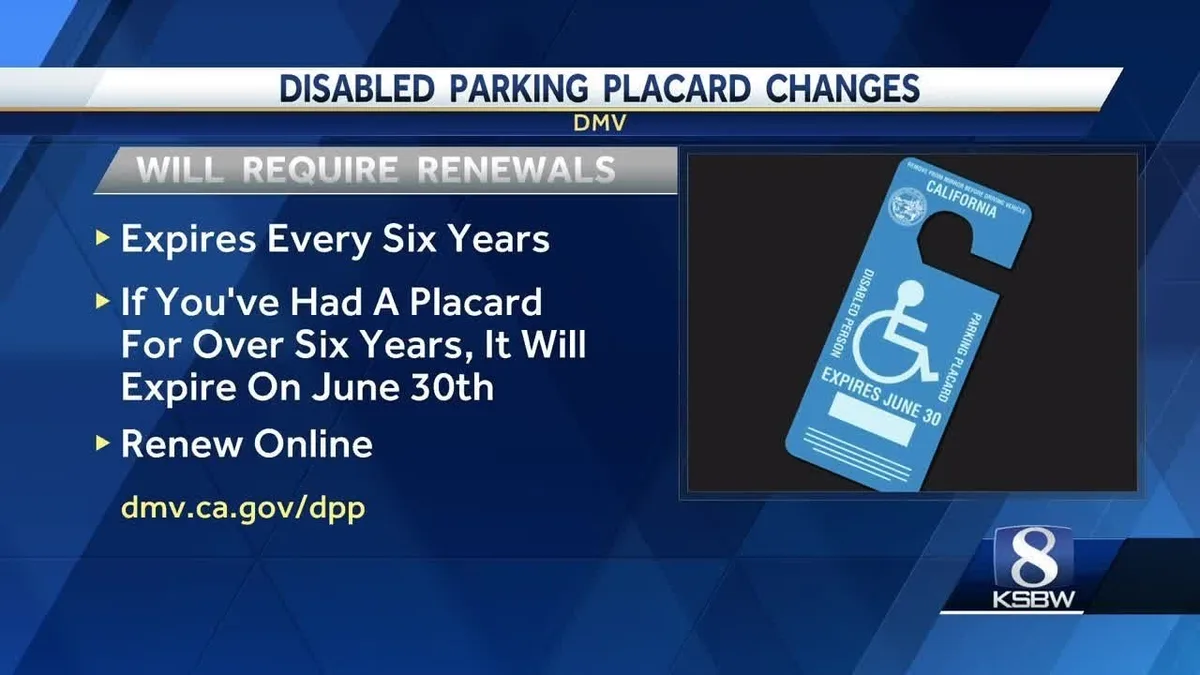
Permanent permits are ideal for individuals with lifelong disabilities. You receive a blue placard that hangs from your rearview mirror. The permit is valid for four years before renewal is required.
Who Qualifies for a Temporary Permit
Temporary permits are designed for short-term conditions. You might qualify if you:
- Recently had surgery and need recovery time
- Have a temporary injury like a broken leg
- Are experiencing temporary mobility issues
- Need parking access during a limited recovery period
Temporary permits are issued in red. They are valid for a maximum of six months. You can apply for a new temporary permit if your condition persists beyond the initial period.
Temporary vs. Permanent Permit: Which One Fits Your Situation?
Choosing between temporary and permanent permits matters. The wrong choice can cause problems later. Here's how to pick the right one for your needs.
YouTube / KSBW Action News 8 (YouTube thumbnail (fair-use with source credit))
Temporary Permits Explained
Temporary permits serve short-term needs. They are perfect for recovery periods. You apply for a temporary permit when your disability is expected to improve.
The process is straightforward and faster than permanent applications.
Temporary permits cost nothing in most cases. You submit your application to the Department of Public Safety. Processing takes about two weeks.
Your red placard arrives by mail or is ready for pickup.
Permanent Permits Explained
Permanent permits are for long-term disabilities. You apply when your condition is expected to last years or be lifelong. The application requires more documentation.
Your medical provider must complete a detailed certification form.
Permanent permits cost nothing for the placard itself. You only pay if you need a replacement. Your blue placard is valid for four years.
Renewal is simple and can often be done by mail.
Decision Guide: Which Permit Should You Choose?
Use this quick guide to determine your permit type:
| Your Situation | Recommended Permit | Why |
|---|---|---|
| Broken leg, surgery recovery | Temporary | Condition will heal within months |
| Temporary injury with cast | Temporary | Mobility aids are short-term |
| Wheelchair user | Permanent | Lifelong mobility assistance needed |
| Chronic walking limitation | Permanent | Condition will persist for years |
| Cardiac or lung disease | Permanent | Ongoing mobility restrictions |
If you're unsure, apply for a temporary permit first. You can always switch to permanent later.
American Samoa's Disabled Parking Permit Requirements
American Samoa has specific requirements for disabled parking permits. These rules align with federal ADA standards. Understanding them upfront prevents application delays.
Required Documents for Application
You must gather these documents before applying:
- Proof of identity: Valid driver's license or passport
- Medical certification: Signed by your healthcare provider
- Application form: Completed DPS disabled parking form
- Vehicle registration: If applying for a license plate decal
- Photographs: Two recent passport-sized photos
Your medical provider must sign the certification form. The form must clearly describe your mobility limitation.
Medical Certification Requirements
The medical certification is the most critical document. Your provider must confirm your condition meets one of these standards:
- Cannot walk 100 feet without stopping to rest
- Cannot walk without using or carrying an assistive device
- Has a cardiac condition making walking impractical
- Is permanently confined to a wheelchair
- Has severe lung disease limiting mobility
The certification must be completed within 30 days of your application submission. Old forms will be rejected.
Step-by-Step: How to Apply for the First Time
Applying for your first disabled parking permit requires following specific steps. Here's the complete process from start to finish.
YouTube / HelpingAll (YouTube thumbnail (fair-use with source credit))
Step One: Obtain Medical Certification
Your first step is getting your medical certification completed. Schedule an appointment with your healthcare provider. Bring the DPS application form if you have it.
The certification must include:
- Your full legal name
- Date of birth
- Detailed description of your mobility limitation
- Confirmation that you meet one of the qualification criteria
- Provider's signature and medical license number
- Date of the examination
Step Two: Complete the Application Form
Fill out the application form carefully. Include your full name, address, and contact information. Add your driver's license number or state ID number.
Double-check all information before submitting. Errors can delay processing.
Step Three: Submit Your Application
Submit your completed application to the Department of Public Safety. You can submit in person or by mail. In-person submission is faster.
Keep a copy of your application and all supporting documents.
Step Four: Wait for Processing
Processing typically takes two to three weeks. You can check your application status by calling the DPS office.
If your application is approved, your permit will be mailed to your address.
Step Five: Display Your Permit
Once you receive your permit, display it correctly. Hang the placard from your rearview mirror when parking. Remove it when the vehicle is not in use.
How to Renew Your Permit Before It Expires
Renewing your disabled parking permit is simpler than applying for the first time. Most renewals can be completed by mail.
When to Start the Renewal Process
Begin your renewal at least 60 days before your permit expires. Temporary permits expire after six months. Permanent permits expire after four years.
Renewal Process for Permanent Permits
Renewing a permanent permit is straightforward. You'll need updated medical certification if your condition has changed. Submit the renewal form with your new certification.
If your condition hasn't changed, some renewals can be processed with minimal documentation.
Renewal Process for Temporary Permits
Temporary permit renewals require new medical certification. You must show that your condition still meets the qualification criteria.
If your condition has improved, you may no longer qualify.
What Happens If You Miss the Renewal Deadline
Missing your renewal deadline means your permit is no longer valid. You cannot use an expired permit. If your permit expires, you must reapply as a new applicant.
What to Do If Your Placard Is Lost, Stolen, or Damaged
Report a lost or stolen placard to the Department of Public Safety immediately. This prevents misuse of your permit. You'll need to file a police report for stolen placards.
To replace a damaged or lost placard, submit a new application form. Include a statement explaining what happened. There may be a small replacement fee.
Medical Certification: Who Can Sign and What They Need to Confirm
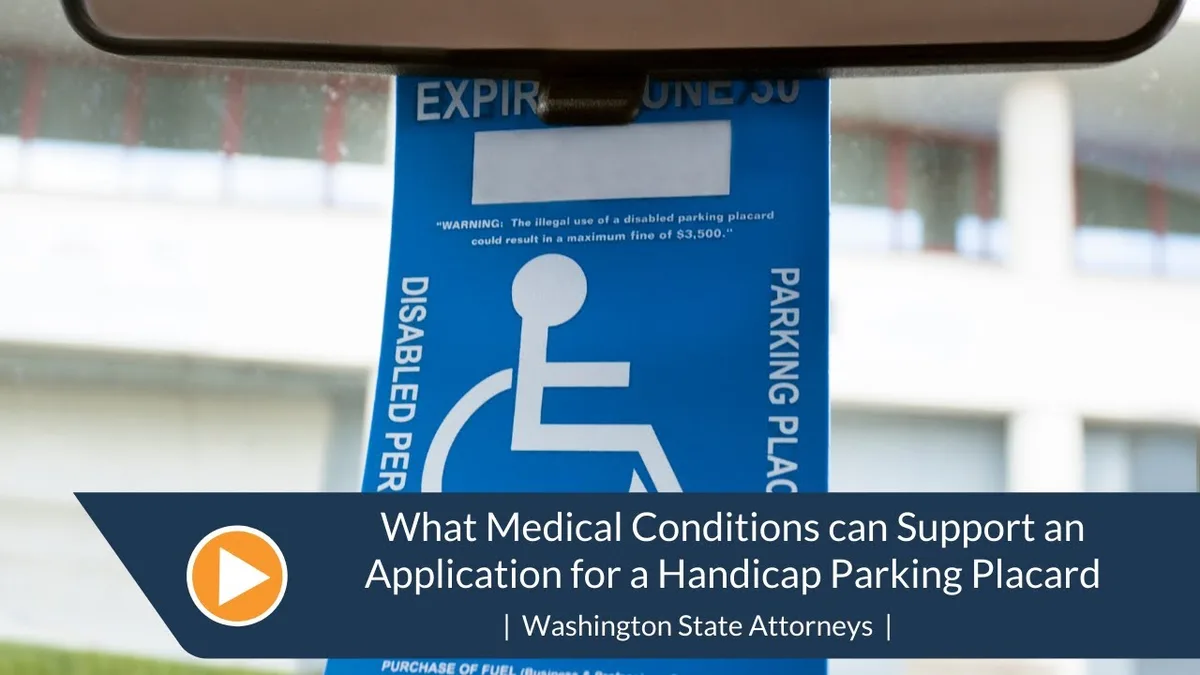
Only licensed medical professionals can sign your certification. This includes doctors, physician assistants, and nurse practitioners. They must be currently licensed in American Samoa or another U.S. jurisdiction.
YouTube / Wiener & Lambka, P.S. Attorneys at Law (YouTube thumbnail (fair-use with source credit))
Your provider must confirm your condition meets one of the qualifying criteria. They need to specify which criterion applies to you. The form must include their license number and signature date.
Where to Submit Your Application in American Samoa
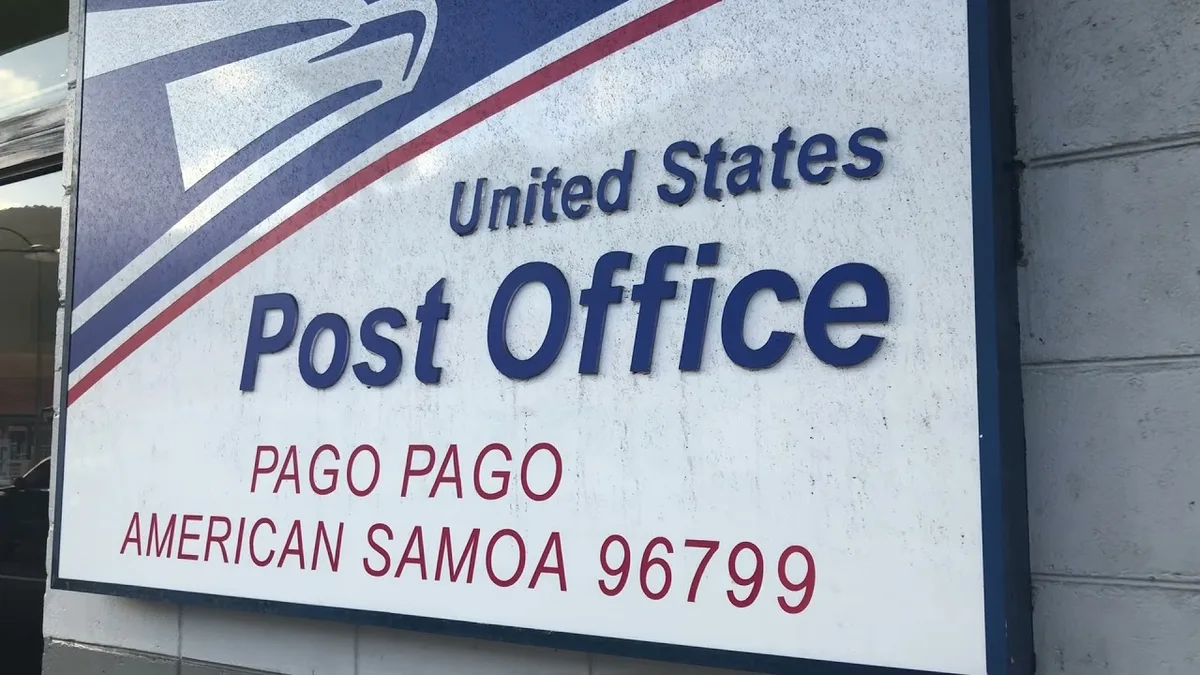
Submit your application at the Department of Public Safety office in Pago Pago. This is the main location for all disabled parking permit applications. The office is open Monday through Friday during business hours.
YouTube / Ronald Borja (YouTube thumbnail (fair-use with source credit))
You can also mail your application to the DPS address. Include all required documents and a self-addressed stamped envelope.
Processing Time and How to Check Your Application Status
Processing typically takes two to three weeks. Temporary permits may be ready sooner if submitted in person. You'll receive a receipt with your application number.
To check your status, call the DPS office with your receipt number. Have your identification ready.
American Samoa's Disabled Parking Laws and Penalties
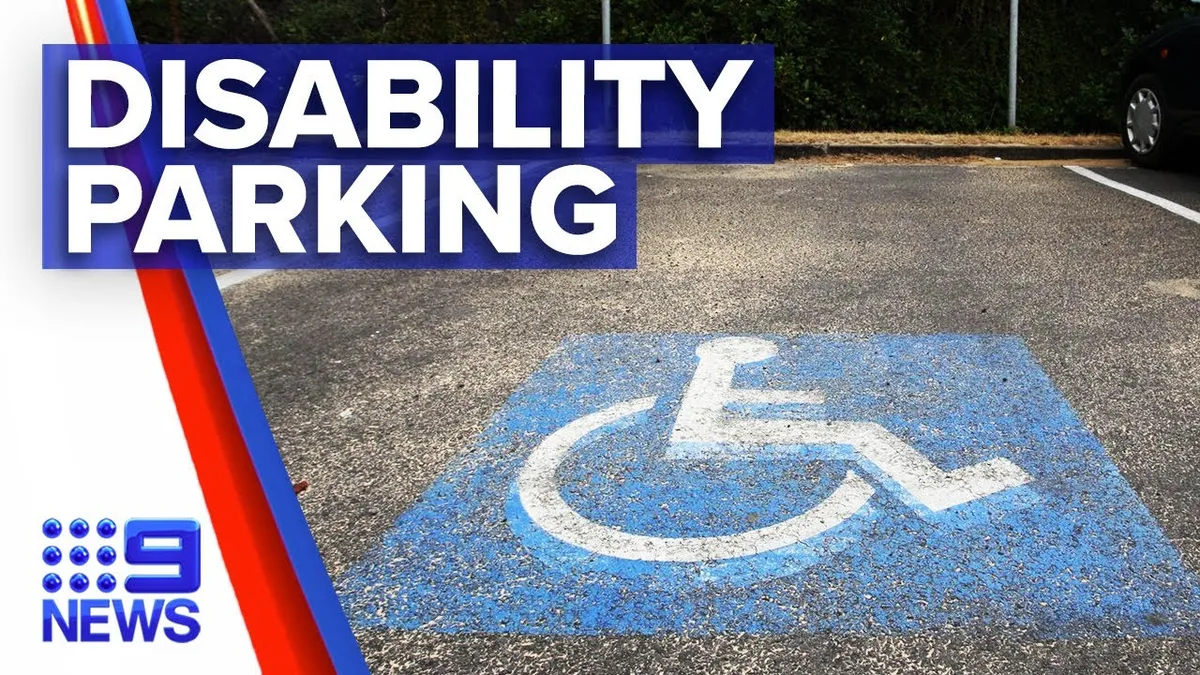
Disabled parking laws in American Samoa follow federal ADA guidelines. You must display your placard properly when using disabled parking spaces. The placard must hang from your rearview mirror or be placed on your dashboard.
YouTube / 9 News Australia (YouTube thumbnail (fair-use with source credit))
Misusing a disabled parking permit is illegal. Fines for parking in disabled spaces without a permit can reach $500. Using someone else's permit or a fake permit can result in higher fines and possible jail time.
Costs, Fees, and Payment Methods
Disabled parking permits in American Samoa are free for first-time applicants. There is no charge for temporary or permanent placards. Replacement fees may apply if you lose or damage your permit.
Payment for any fees can be made by cash, check, or money order. Make checks payable to the American Samoa Department of Public Safety.
How Long Your Permit Is Valid (Temporary vs. Permanent)
Temporary permits are valid for six months from the issue date. You cannot extend them beyond this period. If you still need parking access, you must reapply with new medical certification.
Permanent permits last four years. They expire on the date shown on the placard. Renewal applications should be submitted at least 60 days before expiration.
Can You Use an Out-of-Territory Permit in American Samoa?
American Samoa recognizes valid disabled parking permits from all U.S. states and territories. Your out-of-territory permit must be current and properly displayed. You must follow all local parking laws while in American Samoa.
If you become a resident, you should apply for an American Samoa permit. Non-residents can continue using their home territory permits.
Common Mistakes That Get Applications Rejected
Submitting an incomplete application is the top reason for rejection. Missing signatures or incomplete medical certifications cause delays. Always double-check your forms before submission.
Using outdated medical certifications will get your application denied. Certifications must be current and specific.
FAQs About American Samoa Disabled Parking Permits
How do I transfer my permit to a new vehicle?
You don't need to transfer your permit. Disabled parking placards are issued to individuals, not vehicles. You can use the same placard in any vehicle you travel in.
Can I lend my permit to a family member?
No. Permits are non-transferable. Only the person named on the permit can use it.
Lending your permit is illegal and can result in fines.
What if my condition improves before my permit expires?
You should return your permit to the DPS office. Using a permit when you no longer qualify is against the law. There are no penalties for voluntarily returning an unused permit.