ByMax Lee
American Samoa School Bus Stop Law on Divided Highways
You're driving in American Samoa and see a school bus with its stop arm out and red lights flashing. Do you stop if you're on the opposite side of a divided highway? The American Samoa school bus stop law for all drivers on divided highways is clear once you know the rules, but the details trip up even careful drivers.
Per the American Samoa Code Annotated, the answer hinges on whether a physical median separates your lane from the bus. As of 2026, the territory follows a strict interpretation that differs from some mainland states.
Quick Answer
You must stop if you are traveling in the same direction as the bus. If you are on the opposite side of a divided highway with a physical median, you may proceed with caution. The law applies to all drivers, not just those directly behind the bus.
Always watch for children crossing.
Why This Rule Confuses Drivers (And Why It Matters)
Most drivers learn the mainland U.S. rule. Stop on both sides of an undivided road, but proceed with caution on a divided highway. American Samoa's law follows the same framework but has its own enforcement standards.
The confusion comes from what counts as a "divided highway." Some roads have painted lines. Others have grass or concrete barriers. Misjudging the division can lead to fines or, worse, a child's injury.
The Legal Definition: What Counts as a "Divided Highway" in American Samoa?
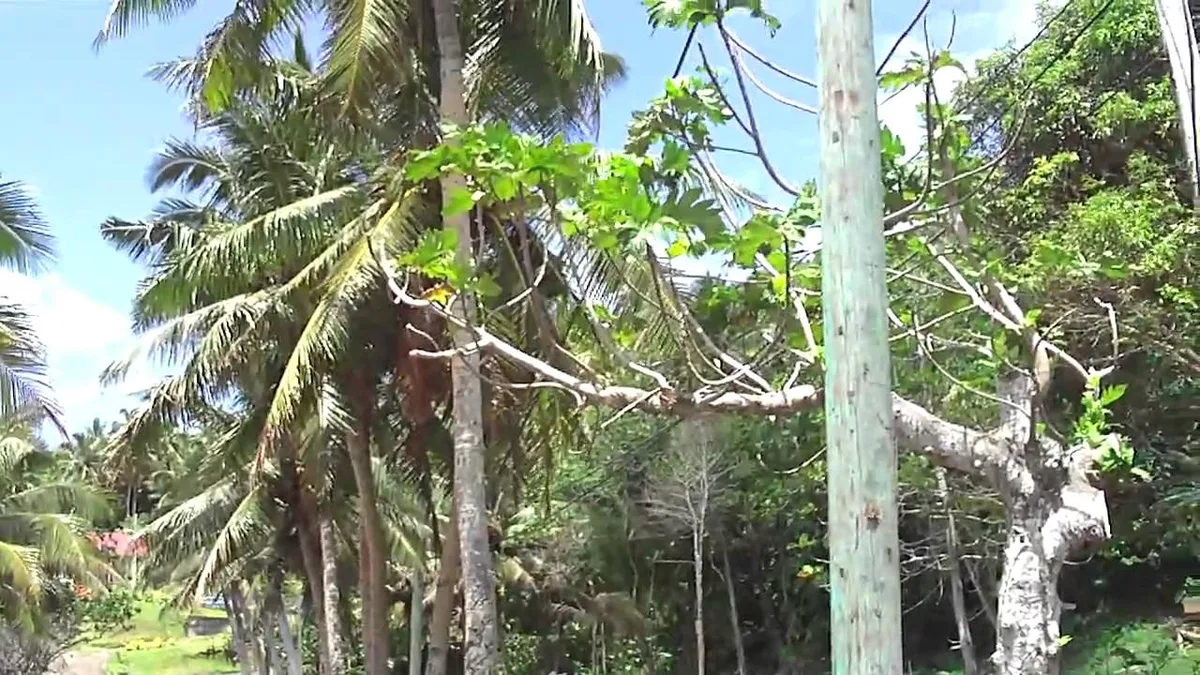
In American Samoa, a divided highway means two roadways separated by a physical barrier. This can be a concrete median, a grass island, or even an unpaved strip. Painted lines alone do not qualify.
The American Samoa Code Annotated (ASCA) Title 11 defines traffic rules, including school bus stops. The key is the physical separation, not just the number of lanes.
Same Side vs. Opposite Side: The Core Decision Tree
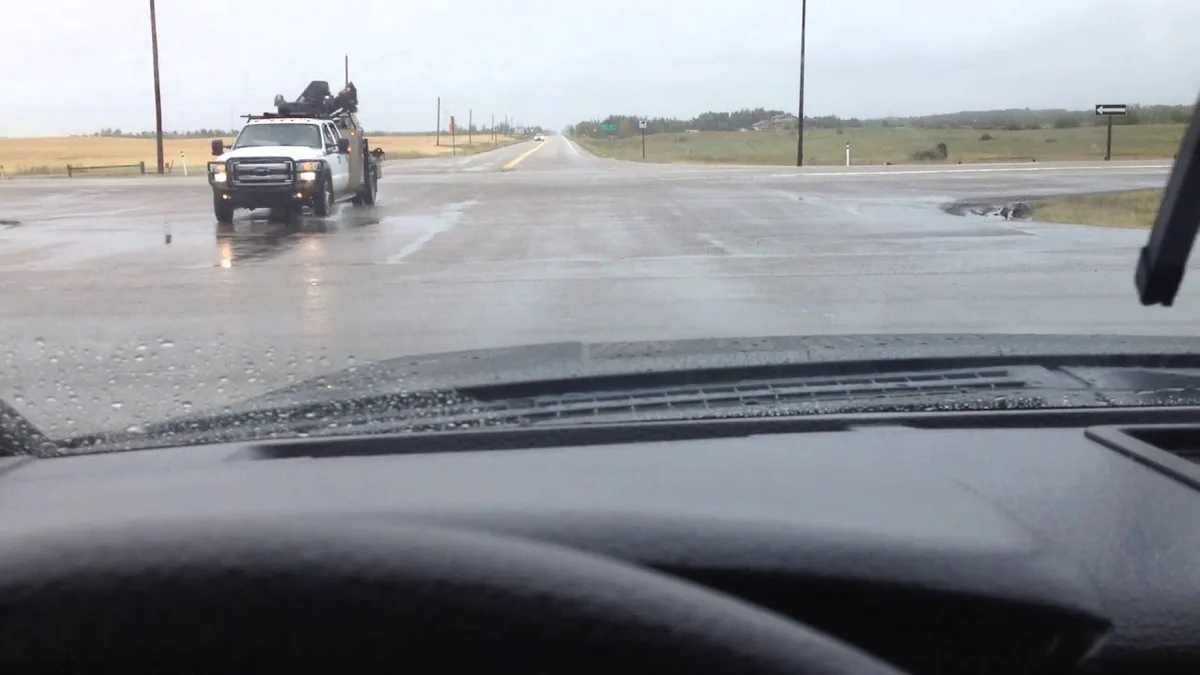
If you're on the same side of the road as the bus, you must stop. This applies whether the road is divided or not.
If you're on the opposite side of a divided highway with a physical median, you may proceed with caution. However, you must still watch for children crossing.
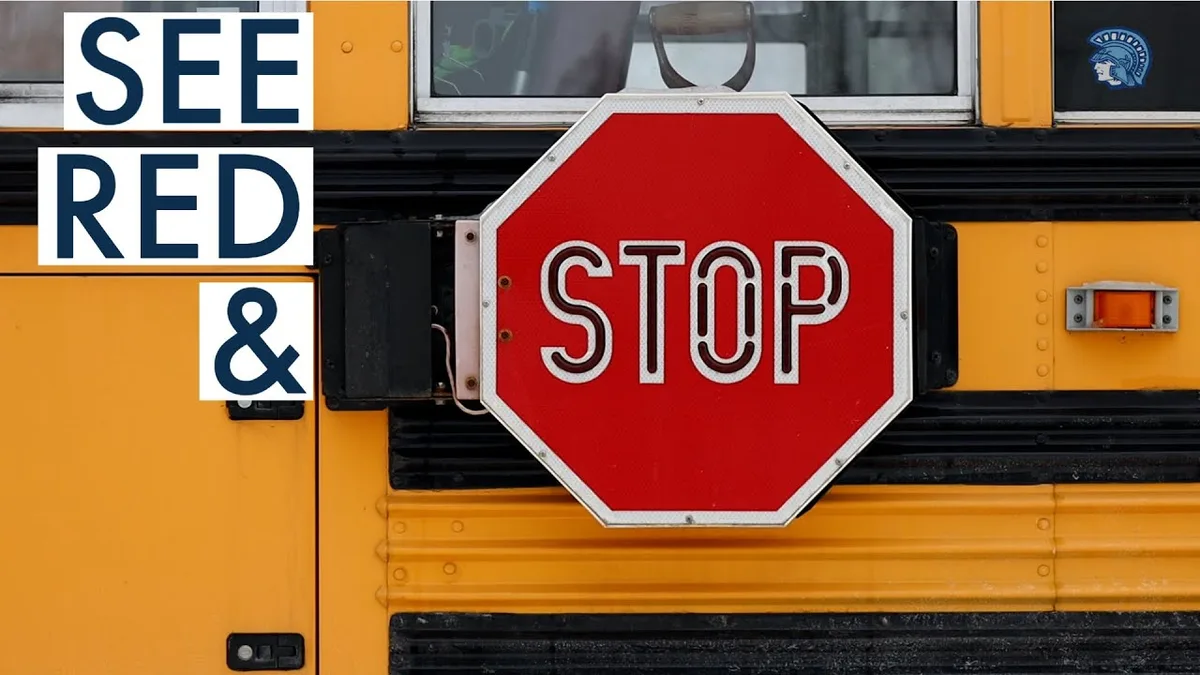
The bus's stop arm and flashing red lights are your signals. Ignoring them is illegal and dangerous.
When You Must Stop (And When You Can Proceed with Caution)
You Must Stop If:
- You are traveling in the same direction as the bus.
- There is no physical median separating your lane from the bus.
- The bus has its stop arm extended and red lights flashing.
You May Proceed If:
- You are on the opposite side of a divided highway with a physical median.
- The bus is on the other side of the median, and no children are crossing.
Even if you can proceed, always slow down and stay alert. Children can be unpredictable.
How to Spot a Qualifying Median in Real-World Conditions
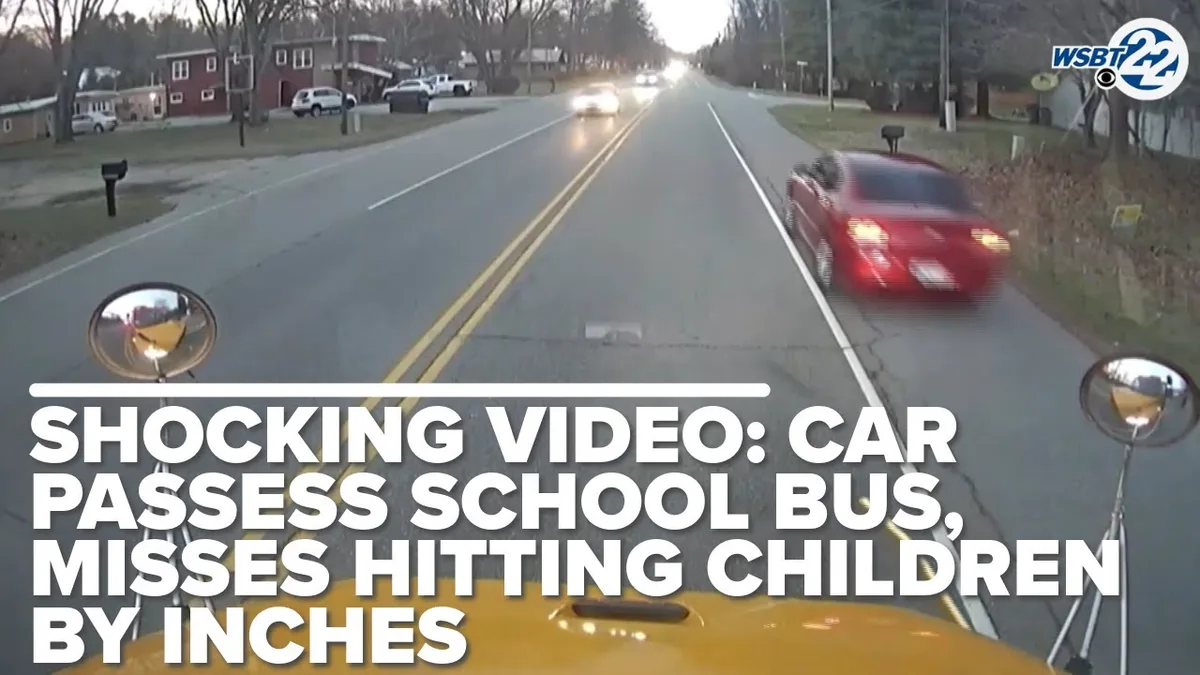
Sometimes the median is obvious. A concrete barrier or a raised grass island leaves no doubt. Other times, it's just a strip of dirt.
Our research shows these unpaved or overgrown medians cause the most confusion.
The rule to remember: if you can physically cross the divider, the road may not count as a divided highway. A few inches of gravel is not a barrier. When in doubt, stop.
That is the safest choice and it will never get you a ticket.

Common Mistakes That Get Drivers Ticketed
The most common mistake is assuming every center line makes a divided highway. That's wrong. A double yellow line is paint, not a physical median.
Another error comes from drivers stopping on the opposite side when they don't need to. This creates rear-end collisions. The driver behind you doesn't expect a sudden stop.
Many visitors also get caught by the reverse mistake. Proceeding when they should stop happens when a driver assumes the median protects them. On an undivided road, that assumption is dangerous.
Penalties for Violating the School Bus Stop Law in American Samoa
Getting caught brings real fines. Typical first offense penalties range between $100 and $500 in the territory. Repeat violations push toward the higher end and involve license points.
Judges are strict in these cases. A child's safety is at stake, and they do not show grace. The court may also add traffic school to the fine.
Don't gamble on this risk. A moment of carelessness can cost a life.

Special Cases: Rural Roads, Unmarked Medians, and School Zones
Rural roads in American Samoa get tricky. The median might be a line of lava rock or a shallow ditch. In these cases, treat the bus as if it were on an undivided road.
School zones in villages add a separate layer. The legal speed is lower, and the presence of the bus flashing signs requires extra caution. You'll rarely see a median in these zones, so default to stopping.
Expert Tips for New Residents and Visitors
You haven't yet learned the local quirks. Watch how local drivers react. In our research, we see three consistent patterns that locals use.
First, scan for the median before stopping. Second, always stop if a child is visible anywhere, even across the divide. Third, treat every school bus as a hazard regardless of the technical legal rule.
If it helps, the care of a child's life easily outweighs any expense.
Frequently Asked Questions
Do I stop for a school bus on a divided highway in American Samoa?
Yes if you are on the same side of the road as the bus. No if you are on the opposite side of a physical median.
What counts as a physical median?
A concrete barrier, grass island, or unpaved strip that physically separates traffic. Painted lines do not count.
Can I get a ticket for not stopping on the opposite side?
No, if there is a qualifying median. Yes, if there is no physical division.
What if the median is just a few inches high?
Treat it as undivided. The law requires a true barrier.
What's the fine for violating the law?
Typically $100 to $500 for a first offense. Repeat violations bring higher fines and license points.
For the full text of the territorial statute, refer to the American Samoa Code Annotated Title 11 on motor vehicles and traffic regulations.