Black Friday deals are live on Amazon · limited-time discounts, grab them before they’re gone
Grab the deals

ByMax Lee
Can a Ceramic Coated Car Go Through a Car Wash? Expert Tips!
Yes, a ceramic-coated car can go through a car wash—but the type of wash matters. A professional hand wash is usually the safest option, while a touchless wash is a practical alternative when you need convenience. Automatic washes with shared brushes or rotating cloth can introduce swirl marks, reduce gloss and make the coating appear less effective over time.
Ceramic coating is durable, but it is not scratch-proof, stain-proof or maintenance-free. The best wash method removes dirt without dragging grit across the paint and avoids unnecessarily aggressive chemicals. For more on this, see our guide on used car from ca arizona registration sales tax.
What Ceramic Coating Actually Protects
A ceramic coating is a bonded layer of coating material applied over paint, usually containing silicon-based chemistry such as SiO₂ or related compounds. Once properly cured, it can provide:
- Improved water behavior and easier rinsing
- Better resistance to road grime, bird droppings and insect residue
- Some protection against chemical etching
- Increased gloss and slickness
- Easier routine cleaning than unprotected paint
It does not make the vehicle immune to:
- Rock chips
- Deep scratches
- Door dings
- Swirl marks from dirty wash media
- Water spots caused by mineral-rich water
- Permanent staining from neglected contamination
In practice, the coating protects the paint underneath, but the surface can still be marred. A common mistake is treating “ceramic” as meaning indestructible and then using a dirty brush or automatic wash that repeatedly drags grit across the vehicle.

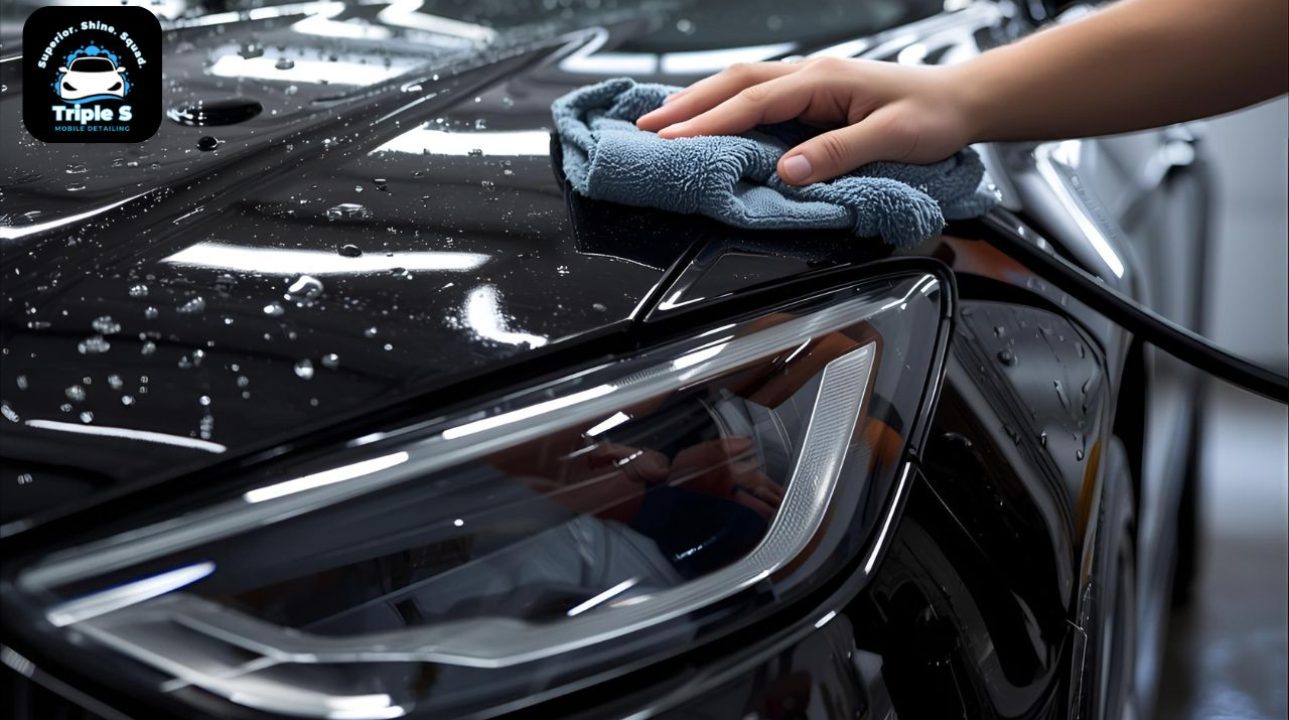
Glossy paint and tight water beading are common signs of a well-maintained coating.
Credit: www.youtube.com
Which Car Wash Is Safest for a Ceramic-Coated Car?
1. Professional or careful hand washing: best overall
A careful hand wash gives you the most control over the soap, wash media, drying process and pressure used around trim. Ideally, the vehicle should be pre-rinsed, washed with clean microfiber equipment and dried without allowing water to sit on the paint.
A proper two-bucket process separates shampoo from rinse water and reduces the chance of returning grit to the paint. This paint-safe wash routine is particularly useful for coated vehicles because it limits unnecessary friction.
Hand washing is not automatically safe, however. One dirty sponge, stiff brush or reused drying towel can cause more damage than a well-maintained touchless wash.
2. Touchless automatic wash: safer than brushes
A touchless wash does not physically scrub the paint. Instead, it uses detergents, high-pressure water and sometimes drying equipment to remove contamination. That makes it a better automatic option for a ceramic-coated vehicle because there is no shared brush or cloth directly contacting the finish.
The trade-off is cleaning power. Touchless systems may leave behind:
- Road film
- Oily traffic residue
- Insect remains
- Heavy mud
- Mineral deposits
Their detergents can also be relatively strong, especially in facilities designed to clean many vehicles quickly. Occasional use is generally a reasonable compromise, but frequent exposure to aggressive prewash chemicals may reduce the performance of a maintenance topper or make the coating feel less slick.
3. Automatic wash with brushes or rotating cloth: least desirable
Automatic friction washes can use brushes, foam rollers or cloth strips that contact every vehicle. The problem is not simply the material; it is the combination of shared wash media, trapped grit, pressure and repeated movement across the paint.
Possible results include:
- Fine swirl marks
- Hazy-looking gloss
- Scratches in the coating or exposed paint
- Faster visual deterioration of a dark-colored vehicle
- Contamination transferred from vehicles washed before yours
A newer “soft-cloth” system may be cleaner and gentler than an old brush wash, but it still creates contact. If preserving the finish is a priority, choose touchless or hand washing instead.
Car Wash Comparison
| Wash type | Contact with paint | Main risk | Suitability for ceramic coating |
|---|---|---|---|
| Careful hand wash | Controlled contact | Poor technique or dirty towels | Best choice |
| Touchless wash | No direct contact | Strong detergents or incomplete cleaning | Good occasional option |
| Self-service bay | Usually controlled contact | Shared brush, harsh soap or poor rinsing | Acceptable with care |
| Automatic soft-cloth wash | Frequent contact | Swirls and trapped grit | Use only when necessary |
| Automatic brush wash | Frequent abrasive contact | Marring and scratches | Best avoided |
Can Car Wash Chemicals Damage Ceramic Coating?
Normal car shampoo does not automatically damage a ceramic coating. The concern is repeated exposure to unsuitable products, excessive dwell time or chemicals that are allowed to dry on hot paint.
For routine washing, choose:
- A coating-safe or pH-balanced car shampoo
- Clean microfiber wash mitts
- Plenty of rinse water
- A separate wheel and tire cleaning process
- A drying aid specifically approved for coated surfaces, if desired
Avoid using household dish soap as a regular wash solution. It may remove waxes and some protective products, but it is not formulated for automotive paint and offers little lubrication compared with a proper car shampoo.
Strong alkaline or acidic cleaners are not always forbidden. Detailers may use them to remove heavy traffic film, mineral deposits or specific contamination. The important issue is frequency, dilution and dwell time. Follow the coating manufacturer’s instructions rather than assuming that every “ceramic-safe” label means the same thing.
If a car wash applies wax, sealant or a drying treatment, it usually will not harm the coating, but the product may leave an unwanted film or alter water behavior temporarily. For predictable results, decline add-on chemicals unless you know they are compatible with your coating system.
Because wash water can carry detergents and contaminants into storm drains, responsible operators should also follow local requirements and environmental guidance from the U.S. Environmental Protection Agency. Washing on an absorbent surface, such as a lawn where appropriate, or using a facility designed to manage runoff can reduce unnecessary discharge.
How to Wash a Ceramic-Coated Car Correctly
Before washing
- Park in shade and allow the paint to cool.
- Close windows, doors and the fuel flap securely.
- Remove loose items that could scratch the paint.
- Inspect bird droppings, insects, tree sap and road tar before washing.
- Read the coating installer’s maintenance instructions, especially if the coating is still curing.
During washing
- Rinse thoroughly first. Use a hose or pressure washer to remove loose sand and dust.
- Clean the wheels separately. Brake dust is abrasive and should not share wash mitts with painted panels.
- Work from top to bottom. The roof and glass generally have less heavy contamination than the lower doors and bumpers.
- Use straight, light passes. Avoid aggressive circular scrubbing.
- Rinse the mitt often. A grit guard helps, but it does not make contaminated water harmless.
- Keep the panel wet. Do not let shampoo dry on warm paint.
- Rinse completely. Pay attention to mirrors, grilles, badges and panel gaps.
For a vehicle that needs more than routine upkeep, remove tar, iron particles or bonded mineral deposits with products approved by the coating manufacturer. Do not use a clay bar, polish or abrasive compound casually: those processes can alter the coating and may require professional reapplication.
Drying the vehicle
Drying is where many otherwise careful washes go wrong. Allowing hard-water droplets to evaporate can leave mineral deposits, even when the coating is functioning correctly.
Use one of these methods:
- A clean, plush microfiber drying towel
- A filtered air blower for mirrors, grilles and badges
- A coating-compatible drying aid with a clean towel
- A combination of air and gentle towel drying
Do not use an old bath towel, rough chamois or a towel that has touched wheels or the ground. Replace the towel when it becomes visibly dirty.

Gentle microfiber washing reduces the friction that can create fine marring.
Credit: gleamworksceramic.ca
Using a Pressure Washer Safely
A pressure washer can be useful, but pressure alone does not make a wash safer. Keep the nozzle moving, use a fan spray and avoid holding the stream close to paint edges, badges, damaged clear coat or loose trim.
Important precautions include:
- Start with a moderate setting rather than maximum pressure.
- Use a wide fan nozzle instead of a narrow pencil jet.
- Maintain a sensible distance from the paint.
- Never aim directly at chips, peeling film, damaged trim or coating edges.
- Avoid forcing water into door seals, electrical connectors and soft-top seams.
- Use the pressure washer mainly for rinsing, not as a substitute for safe contact washing.
A pressure washer should remove loose contamination before the wash mitt touches the surface. It cannot reliably remove all oily film or bonded dirt without chemical assistance.
How Often Should You Wash a Ceramic-Coated Car?
Wash based on contamination rather than a rigid calendar. Many vehicles benefit from cleaning about every one to three weeks, but the correct interval depends on:
- Mileage and daily use
- Rain, snow and road salt
- Construction dust or agricultural areas
- Parking under trees
- Coastal air and salt exposure
- Bird droppings and insect contamination
- The vehicle’s color and visibility of dirt
Do not wait for heavy grime to build up. Dried bird droppings, bug remains and tree sap can etch the surface if left in direct sun. Soften them with a damp microfiber towel or appropriate cleaner; do not scrape them off dry.
After washing, check whether water still sheets or beads consistently. Poor beading does not always mean the coating has failed. Oils, mineral deposits and traffic film can mask the coating’s behavior. A thorough decontamination may restore performance, while genuine coating failure requires inspection by the installer.
What to Do If You Must Use an Automatic Wash
Sometimes a hand wash is not practical. Winter conditions, limited water access or a long road trip may leave an automatic wash as the only realistic option.
If you must use one:
- Choose touchless rather than brush-based.
- Avoid the most aggressive chemical cycle when a milder option is available.
- Do not select an abrasive “scrub” or interior-exterior brush service.
- Rinse the vehicle afterward if detergent residue remains.
- Dry water trapped around mirrors, handles and badges.
- Inspect the finish in daylight once the vehicle is clean.
- Apply only a compatible maintenance product.
If the only available wash uses shared brushes, it may still be better than leaving corrosive road salt or bird droppings on the vehicle. The choice is a trade-off: preventing contamination from sitting on the paint can matter more than avoiding one unavoidable wash, especially when the alternative is prolonged exposure.
The First Wash After Ceramic Coating
A newly installed coating needs time to cure. The exact period varies by product, temperature, humidity and installer instructions. Do not assume that a coating is ready for a normal wash immediately after application.
Ask the installer:
- When may the car get wet?
- When is a gentle wash permitted?
- Is a maintenance spray required?
- Which shampoo and drying products are approved?
- Should automatic washes be avoided permanently?
During the initial curing period, avoid washing, pressure spraying, waxing or applying unapproved chemicals unless the installer specifically says they are safe. If rain occurs, follow the installer’s aftercare instructions rather than trying to rub the vehicle dry with a random towel.
Common Ceramic-Coating Wash Mistakes
Assuming the coating is scratch-proof
Ceramic coatings improve chemical resistance and cleanability, but they do not stop every scratch or swirl mark. Physical contact remains the greatest routine risk.
Using one mitt for everything
Wheels and tires carry abrasive brake dust. Keep separate tools for wheels, lower body panels and upper paint.
Washing in direct sun
Hot panels cause soap and water to dry quickly, increasing the chance of spotting and chemical residue. Shade is preferable, but a cool, cloudy day also works.
Letting bird droppings dry
The coating buys time; it does not make acidic contamination harmless. Remove bird droppings promptly after softening them.
Applying too many “ceramic” products
Sprays, soaps and toppers can change gloss and water behavior. Layering several products without checking compatibility may leave streaks or buildup. Use one maintenance system and follow its instructions.
Using a dirty drying towel
A towel that falls on the ground should be removed from paint-care use immediately. Wash microfiber separately from cotton items and do not use fabric softener.
Ceramic Coating Maintenance Beyond Washing
A coating lasts and performs better when the surface is maintained consistently. In addition to safe washing:
- Remove contamination promptly.
- Inspect the paint periodically in strong daylight.
- Use a compatible topper only at the recommended interval.
- Avoid abrasive polishes unless the coating manufacturer or a professional approves them.
- Have stubborn mineral deposits professionally assessed before aggressive correction.
- Keep records of the coating product and installation date.
- Return to the installer if water behavior changes dramatically after proper cleaning.
Routine vehicle care also includes non-paint items. For example, checking tire pressures after a wash is a practical habit, and the correct equipment guidance can help if you use an air compressor for regular vehicle maintenance. Keep that task separate from paint washing so tire grime and brake dust do not contaminate your detailing tools.
If you are maintaining an older vehicle, a classic-car ownership guide may also be useful for registration considerations; those legal requirements are separate from coating care.
Frequently Asked Questions
Can a ceramic-coated car go through a car wash?
Yes. A touchless wash is generally safer than a brush-based automatic wash, and a careful hand wash is usually best. Avoid shared brushes and rotating cloth when preserving the finish is important.
Is a touchless car wash completely safe?
No wash is completely risk-free. Touchless systems reduce scratching because nothing contacts the paint, but strong detergents, poor rinsing and hard-water drying can still affect the appearance or performance of the surface.
Will a car wash remove ceramic coating?
A normal, properly diluted car shampoo should not remove a properly installed coating. Repeated harsh chemicals, abrasive cleaning and incorrect machine polishing can shorten its useful life or affect its surface performance.
Can I use a pressure washer on ceramic coating?
Yes, when used sensibly. Use a wide fan spray, keep the nozzle moving, maintain distance and avoid damaged paint, trim and coating edges. Excessive pressure or close-range spraying can cause damage even if the coating itself is chemically durable.
How often should I wash a ceramic-coated vehicle?
Wash when the vehicle is contaminated, commonly every one to three weeks for a regularly driven car. Clean bird droppings, insects, salt and tree sap as soon as practical instead of waiting for the next scheduled wash.
Is pH-neutral soap mandatory?
It is the safest default for routine maintenance, but not every non-neutral product is automatically harmful. Specialized cleaners may be useful for heavy contamination when correctly diluted and used according to the coating manufacturer’s instructions.
Can I use wax on ceramic coating?
You usually do not need traditional wax, and some waxes can alter the coating’s slickness or water behavior. Use a compatible coating topper or sealant only if the manufacturer recommends it.
What if the coating stops beading?
First remove possible road film, mineral deposits and oils with an approved maintenance process. If beading and sheeting remain poor after proper cleaning, ask the installer to inspect the coating rather than immediately polishing the surface.
Final Verdict
A ceramic-coated car can go through a car wash, but the safest choice is a careful hand wash with clean microfiber equipment and a coating-compatible shampoo. When convenience matters, a touchless wash is usually the best automatic option. Brush and shared-cloth washes should be avoided when possible because they can create swirl marks and marring.
Ceramic coating reduces maintenance; it does not eliminate it. Rinse loose grit first, use gentle tools, dry the vehicle carefully and follow the specific aftercare instructions for your coating. Those habits protect both the coating’s performance and the gloss of the paint underneath.








